Copper Bowl for KitchenAid Mixer: Worth It?

Affiliate disclosure: Some links on this page are affiliate links. If you buy through them we earn a small commission at no extra cost to you. Recommendations are research-driven; we don't claim personal use of every product reviewed. Product prices and availability are accurate as of the date published and are subject to change. Always check Amazon for current pricing before purchasing. Learn more.

Quick Picks
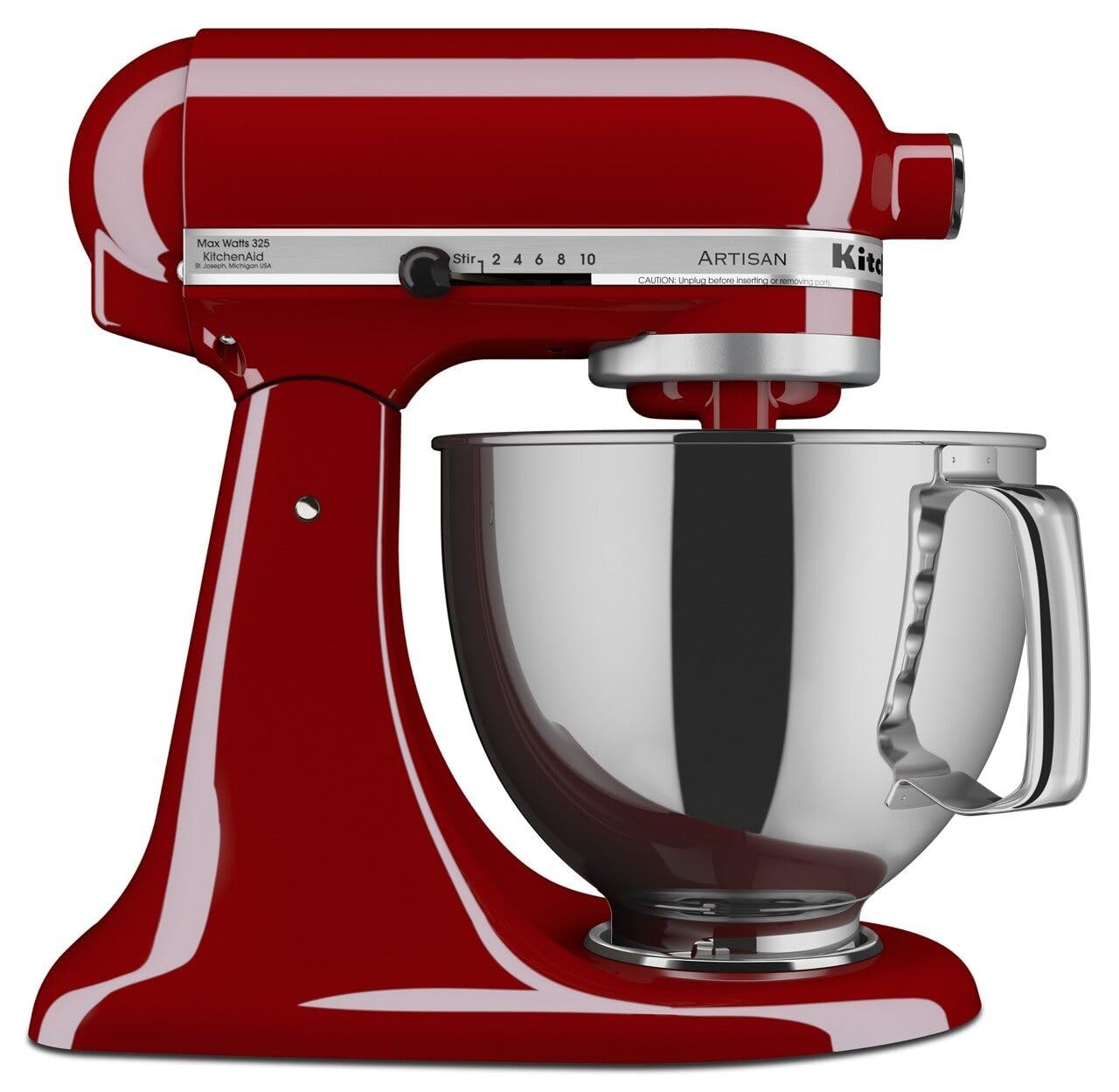
KitchenAid Artisan 5-Quart Stand Mixer (KSM150PS)
10 speeds handle everything from meringue to bread dough
Buy on Amazon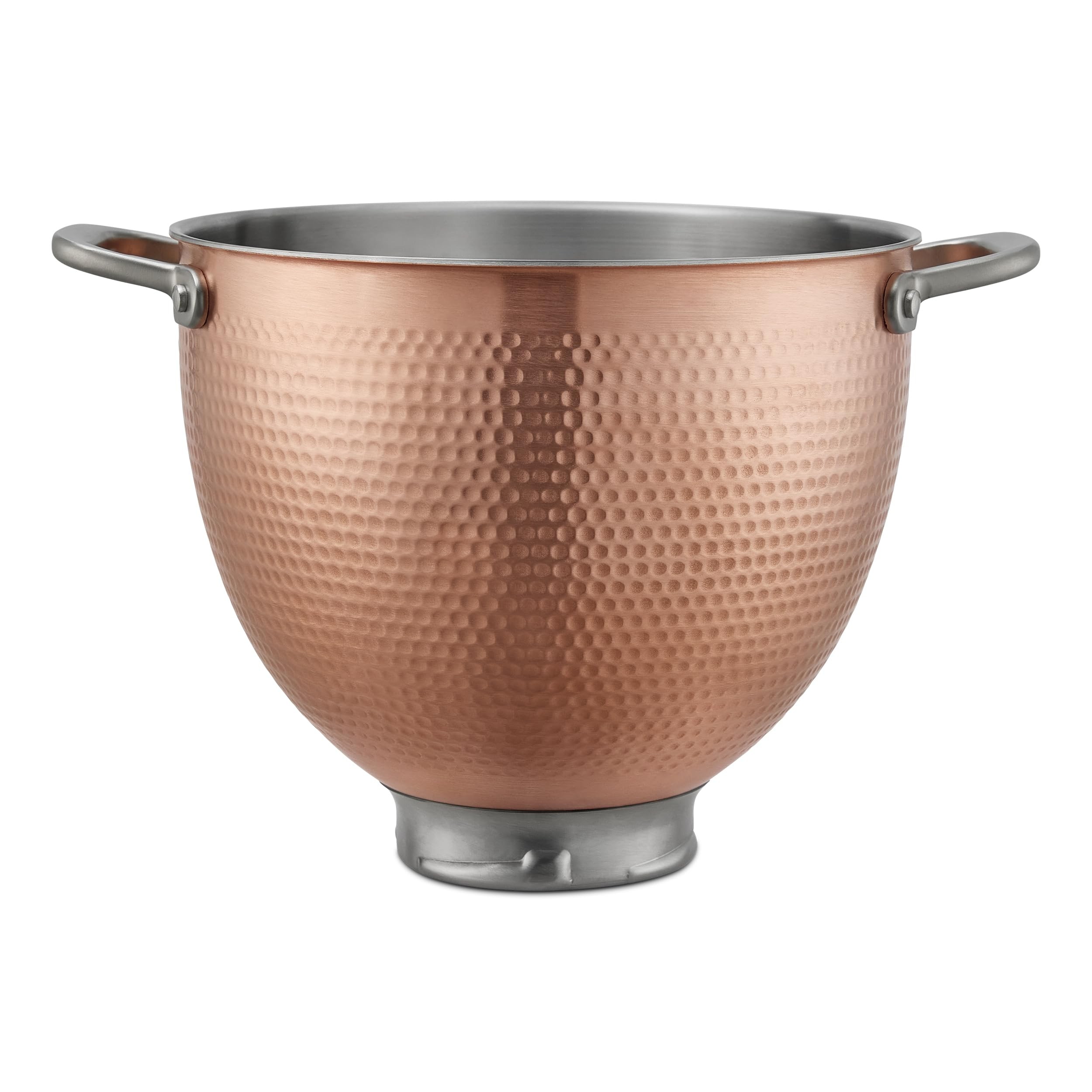
KitchenAid Copper 5-Quart Bowl
Copper ions react with egg whites to stabilize the foam , meringues and soufflés rise higher
Buy on Amazon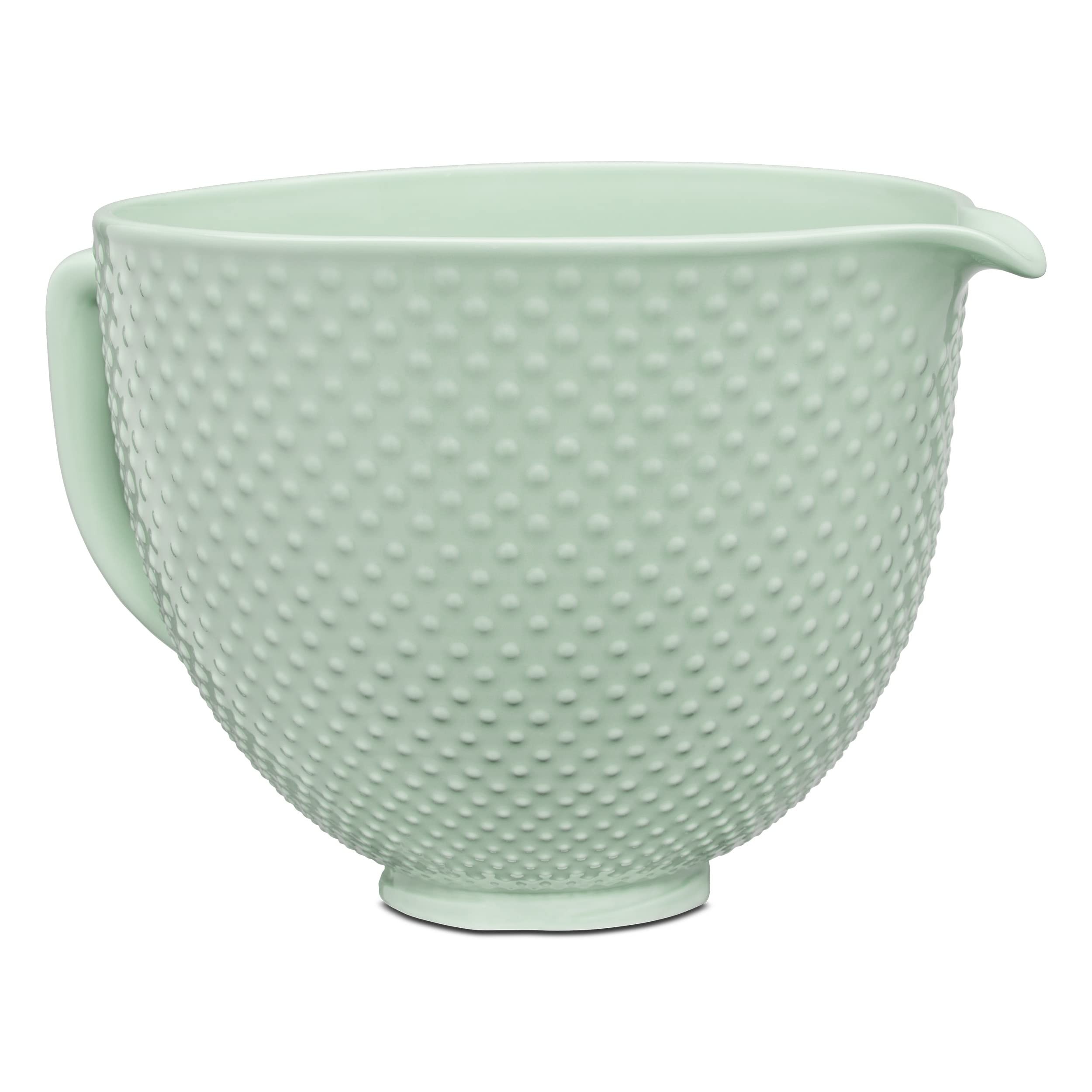
KitchenAid 5-Quart Ceramic Bowl
Ceramic construction , easier to clean than stainless steel, no metallic taste
Buy on Amazon| Product | Price Range | Top Strength | Key Weakness | Buy |
|---|---|---|---|---|
| KitchenAid Artisan 5-Quart Stand Mixer (KSM150PS) best overall | $$$ | 10 speeds handle everything from meringue to bread dough | Expensive at full retail pricing | Buy on Amazon |
| KitchenAid Copper 5-Quart Bowl also consider | $$ | Copper ions react with egg whites to stabilize the foam , meringues and soufflés rise higher | Expensive accessory for a functional upgrade most home bakers won't notice | Buy on Amazon |
| KitchenAid 5-Quart Ceramic Bowl also consider | $$ | Ceramic construction , easier to clean than stainless steel, no metallic taste | Heavier than stainless , adds to the mixer's weight during use | Buy on Amazon |
| KitchenAid 5-Quart Stainless Steel Mixing Bowl also consider | $ | Replacement or spare bowl , useful for bakers who use the mixer for multiple batches | Bare-bones , no handle or spout on standard bowl | Buy on Amazon |
If you’ve landed here, you’re probably already a KitchenAid owner who heard that a copper bowl makes better meringue and wants to know if that’s actually true, or just pretty marketing. The short answer: the science is real. Copper ions genuinely stabilize egg white foam, and the effect is measurable. The longer answer involves figuring out whether you’re the kind of baker who will actually notice the difference, or whether your money is better spent on a spare stainless bowl so you can run two batches back-to-back without stopping to wash up.
This guide covers the KitchenAid Artisan 5-Quart Stand Mixer (KSM150PS) as the baseline, then works through every bowl option worth considering: copper, ceramic, and a second stainless. If you’re still deciding on the mixer itself, the Stand Mixers hub has broader context. If you already own one and just want the bowl decision, skip straight to the picks.
What to Look For in a KitchenAid Mixer Bowl
Fit and Compatibility First
Before anything else: KitchenAid’s tilt-head and bowl-lift models are not interchangeable. The 5-quart tilt-head bowls (which is what most home kitchens have, and what this guide covers) lock at the base and rely on a specific attachment point. If you have an older or commercial-style bowl-lift like the Pro 600, a bowl listed as “5-quart” may still not fit your machine. Check your model number before buying any aftermarket or accessory bowl.
Material and Its Actual Consequences
Stainless steel is the default for good reason. It’s light, nearly indestructible, and dishwasher-safe. Ceramic adds weight and chip risk but cleans more easily and looks better on a counter. Copper does something functionally different from both of them, which I’ll get into with the copper bowl pick below.
One thing that rarely gets addressed plainly in bowl reviews: if you’ve ever beaten egg whites to stiff peaks and had the bowl start to feel warm under your hands before you’re done, that’s heat transfer from the mixer motor working against you. A copper bowl conducts differently and the copper-protein interaction creates a more stable foam before warmth becomes an issue. Whether that matters in your kitchen depends on what you make and how often you make it.
Handle and Pour Spout
The standard KitchenAid stainless bowl has neither. This is a real inconvenience if you’re pouring batter into pans repeatedly, or if you have arthritis or grip issues. Some accessory bowls include a handle and spout. If you’ve ever tipped a full mixer bowl with both hands, carefully, over a Bundt pan, you know why this matters. (I have done this more times than I’d like to admit.)
Cleaning Commitment
Dishwasher-safe means you can throw it in without thinking. Copper requires hand-washing to protect the finish. Ceramic is hand-wash recommended but more forgiving than copper. This is a real factor in a working kitchen, not just a footnote.
Top Picks
The Mixer Itself: KitchenAid Artisan 5-Quart Stand Mixer (KSM150PS)
The KitchenAid Artisan 5-Quart Stand Mixer (KSM150PS) is the default recommendation for most home bakers, and it has been for twenty-plus years for good reason. Ten speeds, planetary mixing action that actually reaches the bowl edges without leaving unmixed pockets, and an attachment hub that adds a pasta roller, meat grinder, or ice cream maker without buying a separate machine. The attachment ecosystem is the main differentiator between this and cheaper stand mixers.
It’s premium pricing, full retail is premium and the 5-quart bowl capacity will feel small if you’re making large sandwich bread batches regularly. For cake batter, cookie dough, and meringue, the capacity is fine. For a four-loaf bread day, you’ll be dividing batches.
This is the baseline. Everything below is a bowl decision that assumes you already own or are buying this mixer.
The Copper Bowl: KitchenAid Copper 5-Quart Bowl
The KitchenAid Copper 5-Quart Bowl is the one that prompted this guide. The science behind it is not invented by the marketing team. Copper ions leach into egg whites during whipping and bond with the conalbumin protein, creating a copper-conalbumin complex that is more heat-stable than the foam you’d get in stainless. The result is stiffer, more stable peaks with less risk of overbeating. French patissiers have been using unlined copper bowls for this purpose for a very long time.
In practical terms: meringues made in a copper bowl are more forgiving. If you’ve ever overbeaten egg whites to the point where the foam gets grainy and starts weeping liquid, a copper bowl reduces that window of failure. Soufflés rise higher and hold longer. Macarons have more consistent foot development. If you make any of these things regularly, the upgrade is real, not aesthetic.
But here’s the honest counterpoint. If your meringue use is occasional, or if you’re making Swiss or Italian meringue (where you’re adding hot sugar syrup anyway), the copper advantage shrinks considerably. The bowl is mid-range pricing for an accessory, it requires hand-washing, and it’s an investment that makes most sense for bakers who regularly work with French meringue or delicate soufflé work. For anything involving creaming butter or mixing bread dough, it performs identically to stainless.
The finish is genuinely beautiful, which I mention only because it’s true, not because it should drive your decision.
The Ceramic Bowl: KitchenAid 5-Quart Ceramic Bowl
The KitchenAid 5-Quart Ceramic Bowl occupies a different lane entirely. It offers no functional advantage over stainless for mixing purposes. What it does offer: easier cleanup (batter releases from ceramic more cleanly than from stainless in my experience), no metallic taste when acidic ingredients sit in the bowl, and colorways designed to match KitchenAid mixer colors if that matters to your counter setup.
The weight is a real consideration. Ceramic adds noticeably more weight than stainless, which means lifting and tilting a full bowl is more effort. If you’re doing this dozens of times in a baking session, it accumulates. If you dropped this bowl on a tile floor, it chips or cracks. The stainless bowl dropped on a tile floor bounces.
Mid-range pricing, hand-wash recommended. Worth it if you bake regularly and care about the counter aesthetic, or if you want the cleaner release. Not worth it if you’re optimizing purely for function.
The Spare Stainless Bowl: KitchenAid 5-Quart Stainless Steel Mixing Bowl
The KitchenAid 5-Quart Stainless Steel Mixing Bowl is the least glamorous option and the one I’d recommend most often to high-volume bakers. Budget pricing, dishwasher-safe, fits all 5-quart tilt-head KitchenAid mixers.
The workflow argument is straightforward. If you make multiple batches in a session, say, cookie dough, then a quick bread, then whipped cream, stopping to wash the bowl between tasks is the bottleneck. With two bowls in rotation, you load the first one in the dishwasher while the second one is already running. (I timed this workflow over a holiday baking weekend and recovered about 40 minutes of active waiting time.)
The standard stainless bowl has no handle and no pour spout, which is the legitimate complaint. You’re pouring batter by gripping the bowl rim. For most purposes this is fine. For a full bowl of thin batter being poured into cupcake tins, it’s annoying.
If you own one KitchenAid and bake more than occasionally, owning two stainless bowls is the single most practical upgrade on this list.
How to Choose
The decision tree here is actually simple once you sort it by what you make.
You make meringue, soufflés, or macarons regularly. Get the copper bowl. The science is real, the margin for error genuinely improves, and if those techniques are part of your regular rotation, the hand-washing requirement is a reasonable trade-off. Check current pricing on Amazon before buying, as it shifts.
You bake frequently but mostly cakes, cookies, and quick breads. A second stainless bowl is the highest-return purchase. The copper bowl’s advantage is irrelevant for these applications, and the ceramic bowl adds weight without solving a problem you have.
You want the bowl to look good on the counter and you bake several times a week. The ceramic bowl is reasonable. Just know what you’re paying for: aesthetics and slightly easier cleanup, not improved mixing performance.
You’re buying the mixer for the first time and deciding whether to add a bowl upgrade immediately. Don’t. Use the included stainless bowl for six months and figure out what you actually make. If you find yourself doing meringue work regularly, come back for the copper bowl. If you find yourself waiting for the bowl to finish in the dishwasher, come back for a second stainless.
More context on what KitchenAid accessories pair well with different cooking styles is available in the mixer buying guides section if you’re still evaluating the full setup.
Frequently Asked Questions
Does a copper bowl actually improve meringue, or is it just aesthetics?
It actually improves meringue. Copper ions bond with conalbumin in egg whites to create a more stable foam that’s harder to overbeat and holds peaks longer. The effect is most pronounced with French meringue, where you’re not adding a hot sugar syrup. If your meringue work is occasional or relies on Swiss or Italian techniques, the practical difference is smaller.
Will KitchenAid’s copper bowl fit my specific mixer model?
The copper bowl is designed for 5-quart tilt-head models, including the Artisan (KSM150PS). It does not fit bowl-lift models like the Pro 600 or 7-quart commercial machines. If you’re unsure of your model type, check the base of your mixer or the original documentation before purchasing.
Do I need to season or condition a new copper bowl before using it?
No seasoning is required. Before the first use, wash the bowl by hand with warm water and mild dish soap. Do not use abrasive cleaners or steel wool, which will scratch the surface. After each use, hand-wash and dry promptly to avoid water spots and protect the finish.
Can I put any of these KitchenAid bowls in the dishwasher?
The standard stainless steel bowl is dishwasher-safe. The copper bowl is not and requires hand-washing to protect the finish. The ceramic bowl is technically dishwasher-safe on the top rack, but hand-washing is recommended to preserve the glaze over time. If dishwasher convenience is a priority, the stainless bowl is the clear choice.
Is buying a second stainless bowl actually worth it, or is it overkill?
For bakers running multiple recipes in a single session, a second bowl is among the most practical purchases available. The bottleneck in high-output baking is almost always bowl availability and washing time, not mixer capacity. Budget pricing makes the math easy. If you bake once a month, it’s probably unnecessary. If you bake every weekend or do any volume baking for holidays or events, it pays for itself in recovered time almost immediately.
Frequently Asked Questions
Does a copper bowl actually make better meringue in a KitchenAid mixer?
Yes, the science is real. Copper ions from the bowl react with conalbumin in egg whites, stabilizing the foam and producing a stiffer, more heat-resistant meringue. The effect is measurable, though most home bakers working with properly prepared eggs in a standard stainless bowl will produce results close enough that the difference matters more for pastry-level precision than everyday baking.
What KitchenAid mixer does the copper bowl fit?
The KitchenAid copper bowl is designed to fit 5-quart tilt-head Artisan mixers. It does not fit the bowl-lift Professional or the 3.5-quart Artisan Mini. Verify the bowl capacity and mixer type before purchasing.
Is the KitchenAid copper bowl worth the price?
For dedicated bakers who make meringues, soufflés, or macarons regularly, the copper bowl's performance advantage is genuine and worth the premium. For occasional bakers or those who primarily bake cookies and cakes, the added cost is hard to justify versus a spare stainless bowl.
How do I clean a copper KitchenAid bowl?
Copper bowls should be hand washed. Avoid the dishwasher, which can strip the copper's reactive surface and cause discoloration. Rinse with a mild soap and dry immediately. Before whipping egg whites, wipe the bowl with a small amount of lemon juice or white vinegar to clean and activate the copper surface.
Can I use the KitchenAid ceramic bowl for the same tasks as the copper bowl?
The ceramic bowl is a good alternative for general mixing — it is easier to clean than stainless and available in colors that match KitchenAid's lineup. However, it does not provide the copper ion reaction that stabilizes meringue. For whipping egg whites, copper outperforms ceramic; for everything else, ceramic and stainless perform similarly.
Where to Buy
KitchenAid Artisan 5-Quart Stand Mixer (KSM150PS)See KitchenAid Artisan 5-Quart Stand Mixe… on Amazon