Cobalt Blue KitchenAid Stand Mixer Buying Guide

Affiliate disclosure: Some links on this page are affiliate links. If you buy through them we earn a small commission at no extra cost to you. Recommendations are research-driven; we don't claim personal use of every product reviewed. Product prices and availability are accurate as of the date published and are subject to change. Always check Amazon for current pricing before purchasing. Learn more.

Quick Picks
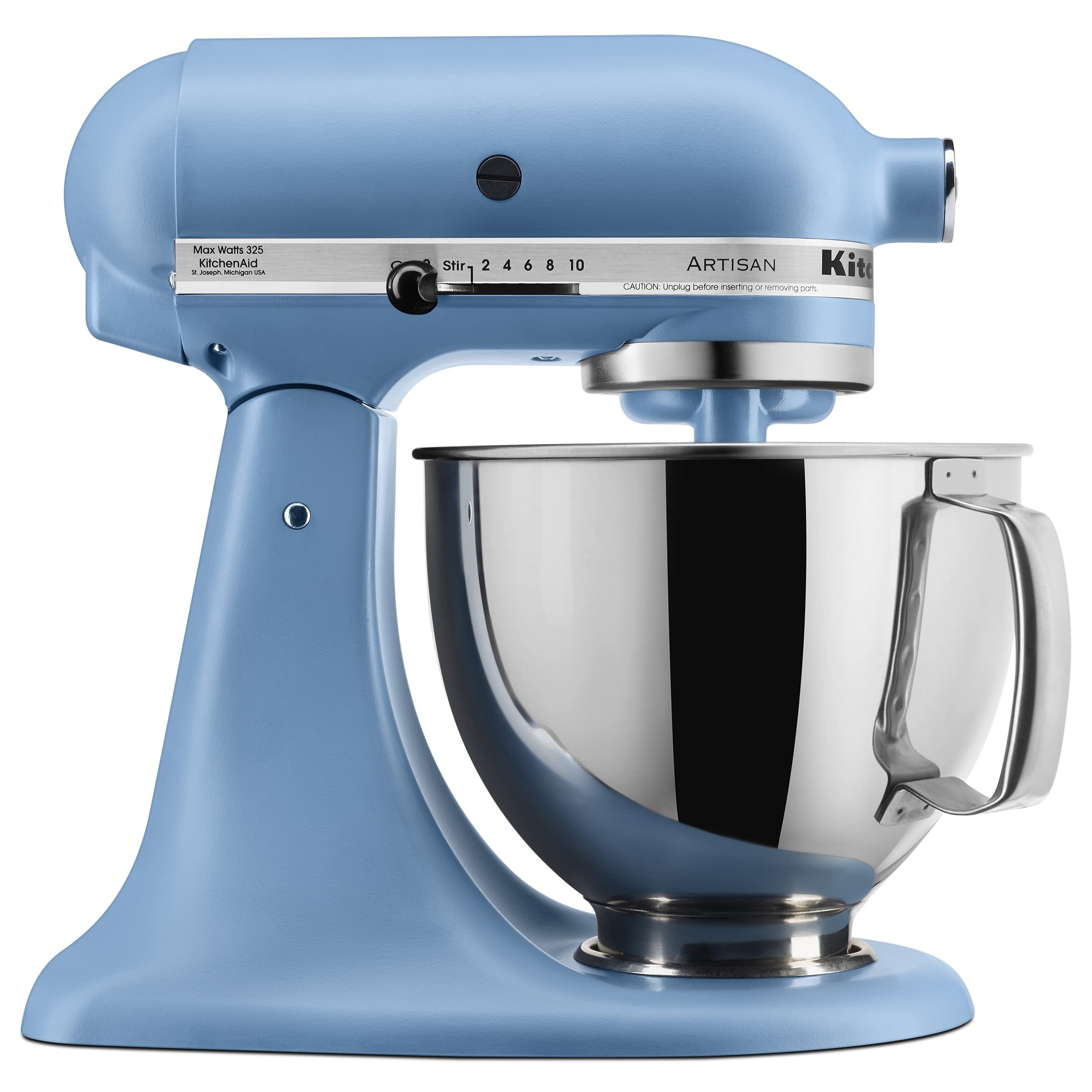
KitchenAid Artisan Stand Mixer — Cobalt Blue
Same 5-quart Artisan performance in one of KitchenAid's most popular colorways
Buy on Amazon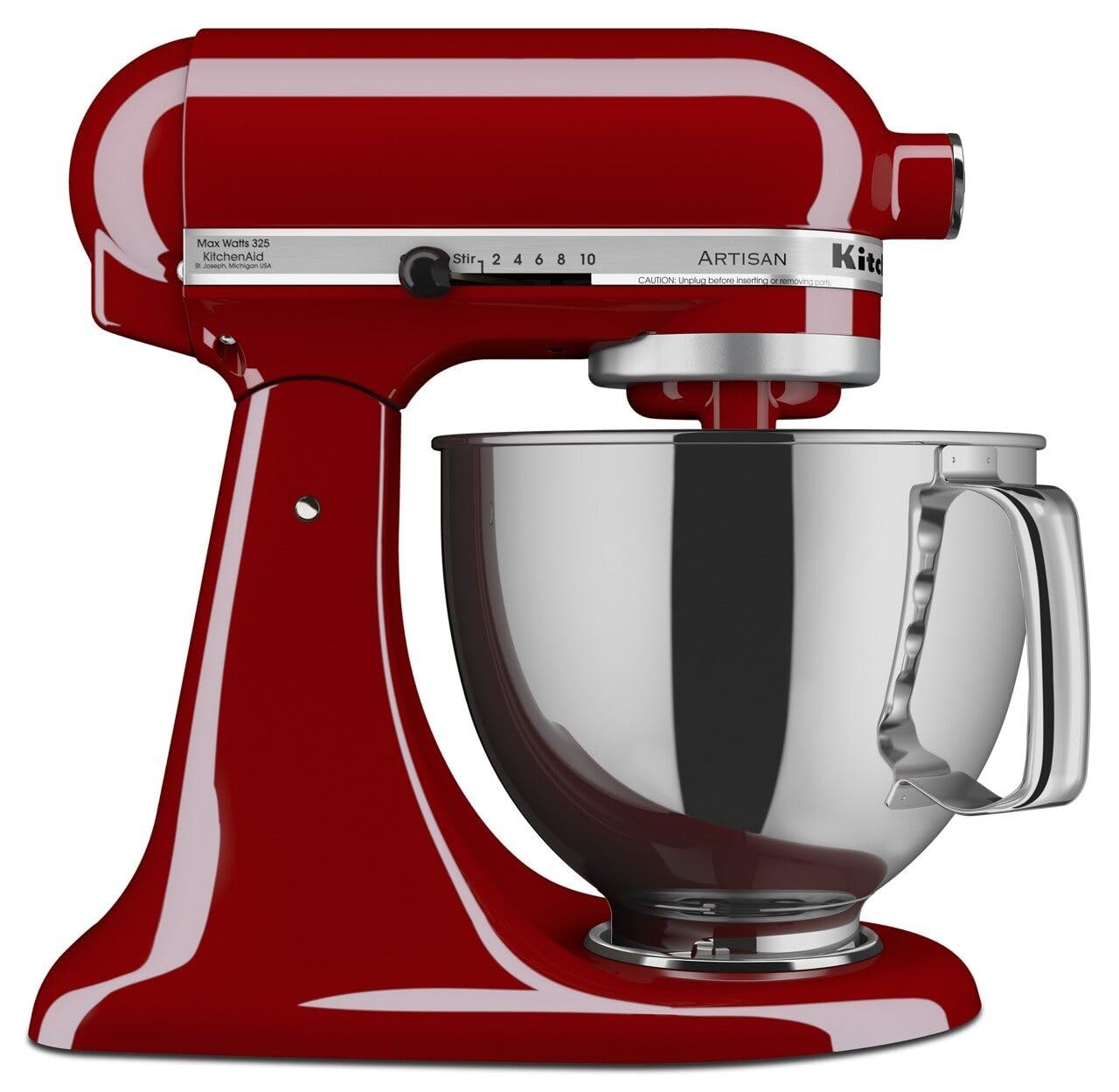
KitchenAid Artisan 5-Quart Stand Mixer (KSM150PS)
10 speeds handle everything from meringue to bread dough
Buy on Amazon
KitchenAid Artisan Mini 3.5-Quart Stand Mixer
20% lighter and 25% smaller than the Artisan , designed for small kitchens
Buy on Amazon| Product | Price Range | Top Strength | Key Weakness | Buy |
|---|---|---|---|---|
| KitchenAid Artisan Stand Mixer — Cobalt Blue best overall | $$$ | Same 5-quart Artisan performance in one of KitchenAid's most popular colorways | Color is the only differentiator , identical performance to any other Artisan | Buy on Amazon |
| KitchenAid Artisan 5-Quart Stand Mixer (KSM150PS) also consider | $$$ | 10 speeds handle everything from meringue to bread dough | Expensive , over $400 at full retail | Buy on Amazon |
| KitchenAid Artisan Mini 3.5-Quart Stand Mixer also consider | $$$ | 20% lighter and 25% smaller than the Artisan , designed for small kitchens | 3.5-quart bowl limits batch size , can't handle large bread doughs or double batches | Buy on Amazon |
| KitchenAid Professional 600 6-Quart Stand Mixer also consider | $$$ | 6-quart bowl handles double batches and heavy bread doughs with ease | Significantly heavier than the Artisan , harder to store | Buy on Amazon |
| KitchenAid Pasta Roller and Cutter Attachment Set also consider | $$ | Rolls pasta to eight thicknesses , the full range from lasagna sheets to angel hair | Significant upfront cost on top of the mixer investment | Buy on Amazon |
If you’re searching for a cobalt blue KitchenAid stand mixer, there’s a reasonable chance you already know what you want. The color question is settled. What’s less settled is which version of the machine actually fits how you cook, how much counter space you have, and whether the full attachment ecosystem matters to you or is just a nice idea you’ll never act on. This guide addresses all of that directly. For broader context on the category, the Stand Mixers hub covers the full range of options worth considering before you commit.
What to Look For Before You Buy a KitchenAid in Cobalt Blue
The Color Decision Is Already Made , Now Focus on the Machine
Cobalt Blue is one of KitchenAid’s most requested colorways, and for good reason. It coordinates with stainless appliances, white cabinetry, and most natural stone countertops without doing anything dramatic. It reads as a kitchen color rather than a statement piece, which is a real advantage if you want the mixer to age well with the space rather than date it. (I’ve seen enough “bold accent appliances” quietly moved to garage shelves to have an opinion on this.)
What it doesn’t do is change anything about the machine underneath. The KitchenAid Artisan Stand Mixer in Cobalt Blue performs identically to every other Artisan regardless of color. If you find Cobalt Blue carries a small premium over standard colors at the moment you’re shopping, you’re paying for availability and aesthetics, not performance. Check current price on Amazon and compare across colorways before you finalize.
Capacity Is the Variable That Actually Matters
KitchenAid’s residential line splits into three bowl sizes. The Artisan Mini gives you 3.5 quarts. The standard Artisan gives you 5 quarts. The Professional 600 gives you 6 quarts. These are not marginal differences. A double batch of brioche or three pounds of bread dough will outgrow a 3.5-quart bowl before you’ve incorporated the flour. If you bake regularly and in volume, choosing the wrong size is the most expensive mistake you can make in this category.
Motor Type and Bowl-Lift Design
The Artisan models use a tilt-head design. You flip the head back, swap attachments, drop in the bowl. Fast, one-handed, intuitive. The Professional 600 uses a bowl-lift. You lever the bowl up into position with a handle. More stable under load, harder to use casually. If you’re making stiff cookie dough twice a week, the bowl-lift earns its place. If you’re making occasional cakes and aioli, the tilt-head is faster and less annoying.
Attachments: Worth Thinking About Upfront
The hub attachment port on the Artisan and Professional 600 is the feature that separates a KitchenAid from a competent but limited Cuisinart SM-50. If you will actually use a pasta roller, a meat grinder, or an ice cream bowl, buy the machine that supports them and factor that into your budget. If you’ve had a stand mixer for six years and never attached anything to it, don’t pay for the ecosystem.
Top Picks
KitchenAid Artisan Stand Mixer , Cobalt Blue
The KitchenAid Artisan Stand Mixer in Cobalt Blue is the machine most people searching this keyword actually want. Premium pricing, five-quart bowl, 10 speeds, planetary mixing action that reaches the full bowl without leaving unmixed pockets around the perimeter. That last detail matters more than it sounds. If you’ve ever had to stop a mixer and scrape the sides three times during a single batch of butter cake, you know exactly what problem planetary action solves.
Cobalt Blue is periodically listed as a limited or special-order color depending on the retailer, so availability can fluctuate. Check current price on Amazon. If the color is carrying a noticeable premium at the moment, decide whether the aesthetic value is worth it to you. The machine itself is worth buying at standard Artisan pricing. Whether it’s worth a meaningful surcharge for the color is a personal call.
KitchenAid Artisan 5-Quart Stand Mixer (KSM150PS)
The KitchenAid Artisan 5-Quart Stand Mixer is the standard Artisan in the full color range. Same 5-quart capacity, same motor, same hub port, same 10-speed range. If Cobalt Blue isn’t available in your price window, this is your machine in whatever color is. The performance case for the Artisan over cheaper alternatives is the attachment ecosystem. The pasta roller, meat grinder, and spiralizer attachments all require the hub port that budget mixers don’t have.
The 5-quart bowl is adequate for most home baking but will show its limits at high volume. For large bread batches, see the Professional 600 below.
KitchenAid Artisan Mini 3.5-Quart Stand Mixer
The KitchenAid Artisan Mini is 20% lighter and 25% smaller than the full Artisan. Same motor speed range, same planetary mixing, compatible with all tilt-head attachments. The honest case for it is counter space and storage. If you’re working with a galley kitchen or you bake one cake at a time for two people, the Mini makes practical sense.
What it doesn’t justify is the pricing. The Mini typically costs close to what the full Artisan costs. You’re paying nearly the same price for significantly less capacity. For a single person who bakes occasionally, that trade might be worth it for the footprint reduction. For anyone who bakes with regularity, the full Artisan is the better use of that budget. The price difference rarely justifies choosing the Mini on economics alone.
KitchenAid Professional 600 6-Quart Stand Mixer
The KitchenAid Professional 600 is the upgrade for people who actually need it. Six-quart bowl, more powerful motor, bowl-lift design. If you make double batches of bread dough regularly, or you run through holiday baking at volume, this machine will handle what the Artisan starts to strain against.
It is significantly heavier than the Artisan. Moving it off the counter for storage isn’t casual. If you have a dedicated counter spot for it, that’s not a problem. If your kitchen requires putting it away after each use, factor the weight into your decision. If you’re curious how the Professional 600 compares at the far end of the KitchenAid line, the KitchenAid 8-quart commercial stand mixer is a reference point, though that’s a different category of machine for a different type of use.
KitchenAid Pasta Roller and Cutter Attachment Set
The KitchenAid Pasta Roller and Cutter Attachment Set is mid-range priced on top of the mixer investment, which is worth saying plainly. It rolls pasta to eight thicknesses and includes fettuccine and spaghetti cutters. The motor drives the rollers, which means you’re feeding dough with two hands free rather than cranking a manual roller with one hand while feeding with the other.
Compared to a manual Marcato Atlas 150, the KitchenAid attachment is faster and more consistent. The Marcato produces slightly more texture in the finished pasta because the process is less mechanically uniform. If you want speed and consistency, the KitchenAid attachment wins. If you want the feel of hand-rolled pasta, nothing motorized will fully replicate it. The attachment justifies the investment for anyone who makes fresh pasta more than occasionally. For once-a-year pasta nights, a manual roller is perfectly adequate and significantly cheaper.
How to Choose
Start With Capacity
If you bake in large batches, the 5-quart Artisan is the floor. The 3.5-quart Mini is for genuinely small kitchens and genuinely light bakers. The Professional 600 is for people who regularly push the Artisan’s limits. Most buyers searching for cobalt blue KitchenAid stand mixers will be best served by the standard Artisan. Buy down in capacity only if the counter footprint is a hard constraint. Buying up to the Professional 600 makes sense if you know you need it. Buying it because the extra quart sounds impressive is how you end up with a machine you can barely lift. (I have opinions about this.)
The Color Premium Question
If Cobalt Blue is available at standard Artisan pricing, there’s no reason to think twice. Buy it. If it’s carrying a meaningful premium over other colorways, decide whether the aesthetic matters enough to justify the difference. The machine underneath is identical. Check current price on Amazon and compare directly to other Artisan colorways before you decide.
If you’re interested in customizing the look further, the copper bowl for KitchenAid mixer options are worth considering as an accessory layer once you’ve chosen your machine.
Attachments as a Purchase Driver
Buy the hub-compatible Artisan or Professional 600 if you intend to use the attachment ecosystem within the next year. Buying a premium machine on the grounds that you might someday make pasta is a purchase rationalization most kitchens don’t need. If the KitchenAid Pasta Roller and Cutter Attachment is already in your cart, then the machine price is justified. If it isn’t, be honest about your actual baking habits.
For anyone comparing across the full stand mixer category before making a final decision, the mixer buying guides on this site cover competitive alternatives including Bosch and Ankarsrum, which are worth reading if you’re spending at this price point.
Frequently Asked Questions
Is the cobalt blue KitchenAid the same machine as the standard Artisan?
Yes. The Cobalt Blue finish is a color option applied to the standard Artisan body. The motor, bowl capacity, speed range, and attachment compatibility are identical to every other Artisan colorway. You are buying a color preference, not a different machine.
Is the 5-quart Artisan big enough for bread dough?
For a standard single loaf, yes. For double batches or high-hydration doughs at volume, the Artisan starts to show strain. If bread is your primary use and you bake in quantity, the Professional 600’s 6-quart bowl and stronger motor are worth the upgrade.
Can I use the pasta roller attachment with the Artisan Mini?
Yes. The pasta roller attachment is compatible with all KitchenAid tilt-head stand mixers, including the Artisan Mini. The bowl-size limitation of the Mini affects dough batch size, not attachment compatibility.
Why is the Artisan Mini almost the same price as the full Artisan?
KitchenAid prices the Mini as a premium compact appliance rather than a budget entry point. The smaller footprint and lighter weight carry their own value for space-constrained kitchens. The economics only make sense if the size reduction genuinely solves a problem in your kitchen. If counter space isn’t a constraint, the full Artisan is a better value for the same or similar price.
Does cobalt blue ever go on sale, or is it a color that holds price?
Like all KitchenAid colorways, Cobalt Blue does see promotional pricing, particularly around major retail events. Limited or special-order colors can fluctuate more than standard colors because availability is tighter. Checking current price on Amazon and comparing to other Artisan colorways at the moment you’re shopping is the most reliable approach.
Frequently Asked Questions
Is cobalt blue available on all KitchenAid stand mixer models?
Cobalt blue is available on the KitchenAid Artisan 5-quart tilt-head mixer, which is the most popular model in the lineup. Availability varies by retailer and color runs can be limited, so it is worth checking current stock if cobalt blue specifically is the color you want.
Does the cobalt blue KitchenAid mixer perform differently from other colors?
No. The color is purely cosmetic. The cobalt blue Artisan has identical performance to any other color of the KitchenAid Artisan 5-quart — the same 10-speed motor, planetary mixing action, and tilt-head design.
What bowl size comes with the cobalt blue KitchenAid Artisan?
The Artisan 5-quart tilt-head mixer comes with a 5-quart stainless steel bowl. This handles most home baking tasks including two loaves of bread, four dozen cookies, or a double batch of cake batter.
Is the KitchenAid Artisan Mini available in cobalt blue?
KitchenAid's Artisan Mini (3.5-quart) is available in a range of colors, but specific colorway availability including cobalt blue changes by season and retailer. The Mini is 20% lighter and 25% smaller than the full Artisan with the same motor, making it a strong option for smaller kitchens.
What attachments are compatible with the cobalt blue KitchenAid Artisan?
All KitchenAid Artisan attachments are compatible, including the pasta roller and cutter set, meat grinder, ice cream maker bowl, and food grinder. The attachment hub is standardized across the full Artisan line, so any attachment that fits the 5-quart tilt-head model will work regardless of color.
Where to Buy
KitchenAid Artisan Stand Mixer — Cobalt BlueSee KitchenAid Artisan Stand Mixer — Coba… on Amazon