Copper Bowl for KitchenAid Mixer: Worth It?

Affiliate disclosure: Some links on this page are affiliate links. If you buy through them we earn a small commission at no extra cost to you. Recommendations are research-driven; we don't claim personal use of every product reviewed. Product prices and availability are accurate as of the date published and are subject to change. Always check Amazon for current pricing before purchasing. Learn more.

Quick Picks
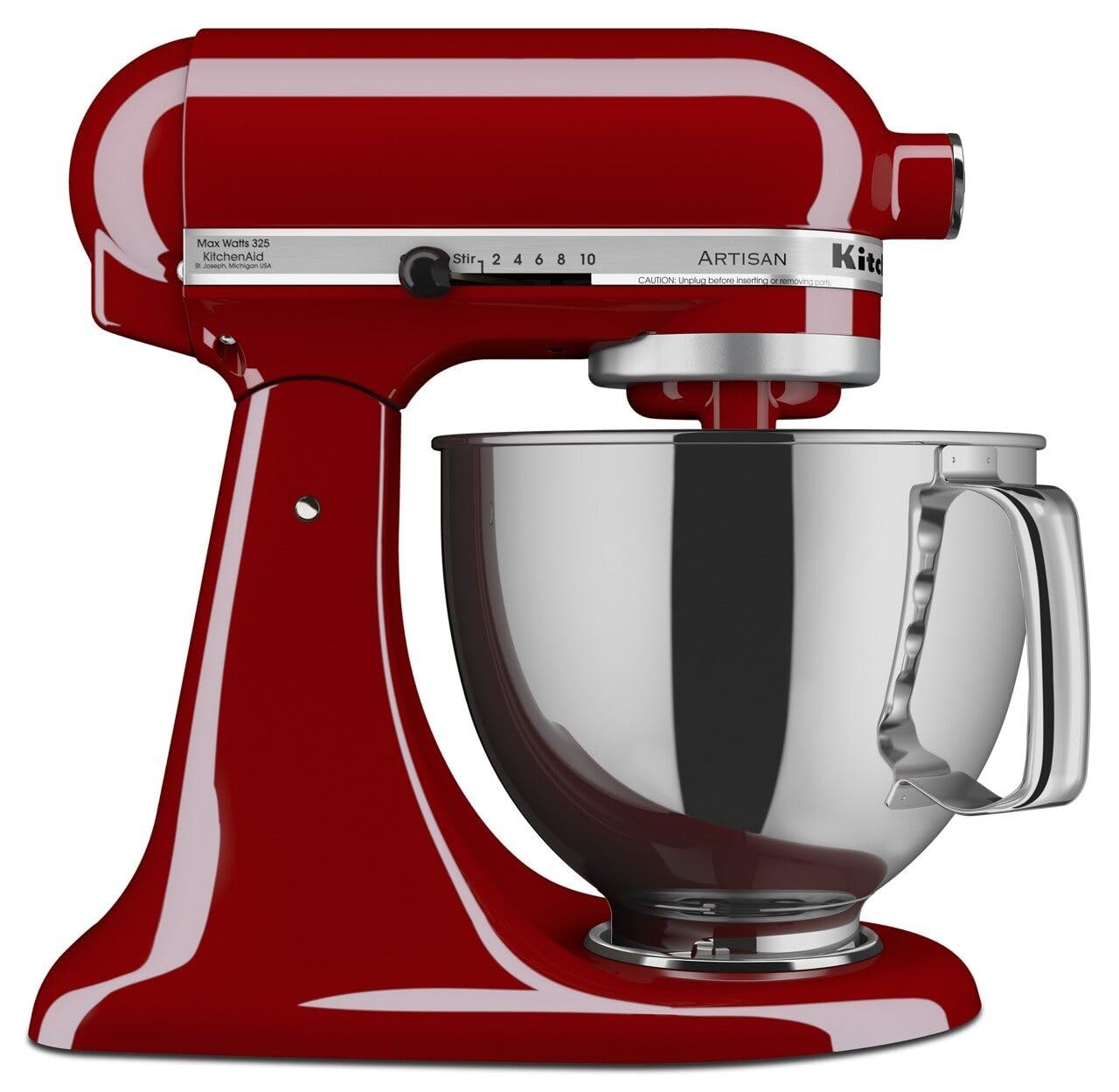
KitchenAid Artisan 5-Quart Stand Mixer (KSM150PS)
10 speeds handle everything from meringue to bread dough
Buy on Amazon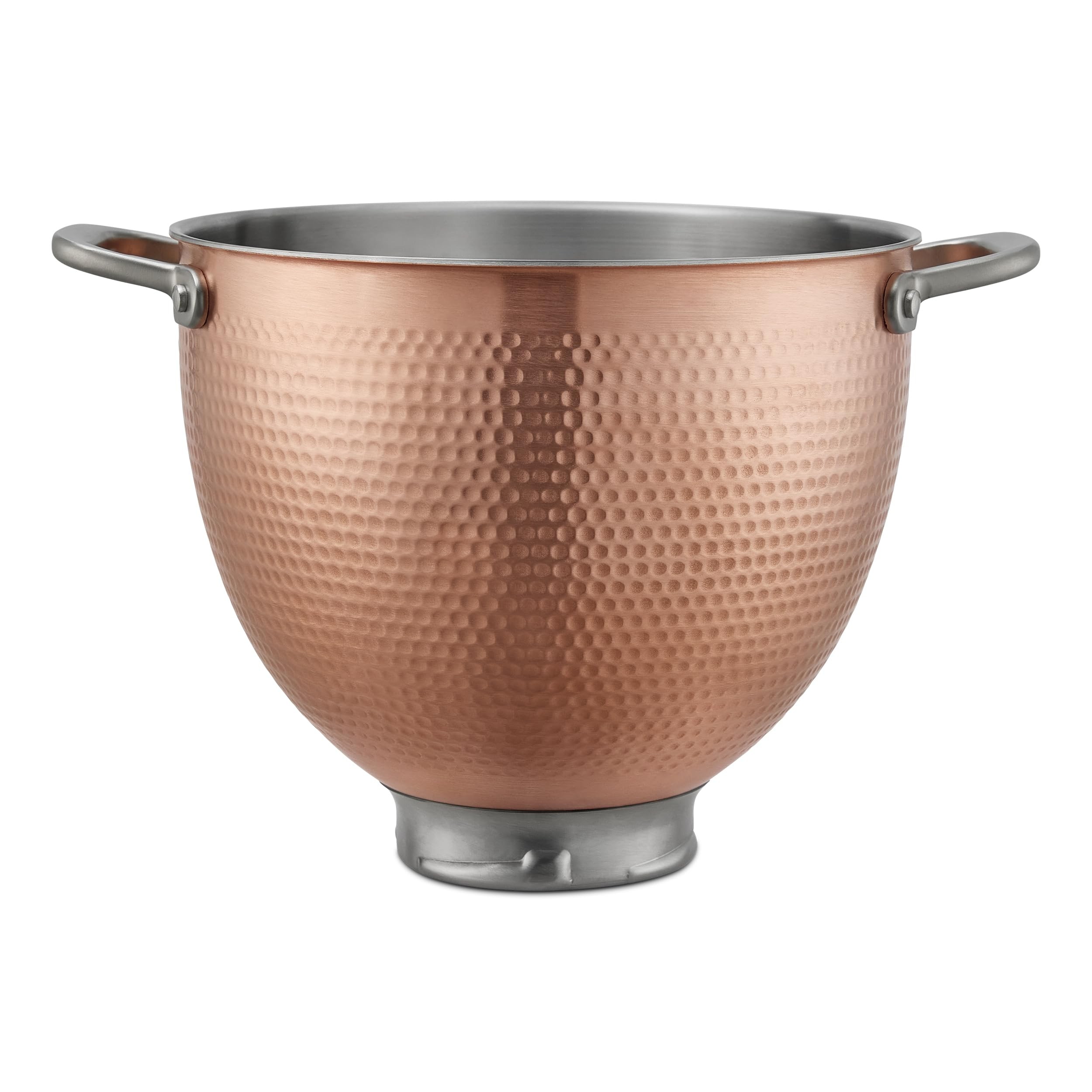
KitchenAid Copper 5-Quart Bowl
Copper ions react with egg whites to stabilize the foam , meringues and soufflés rise higher
Buy on Amazon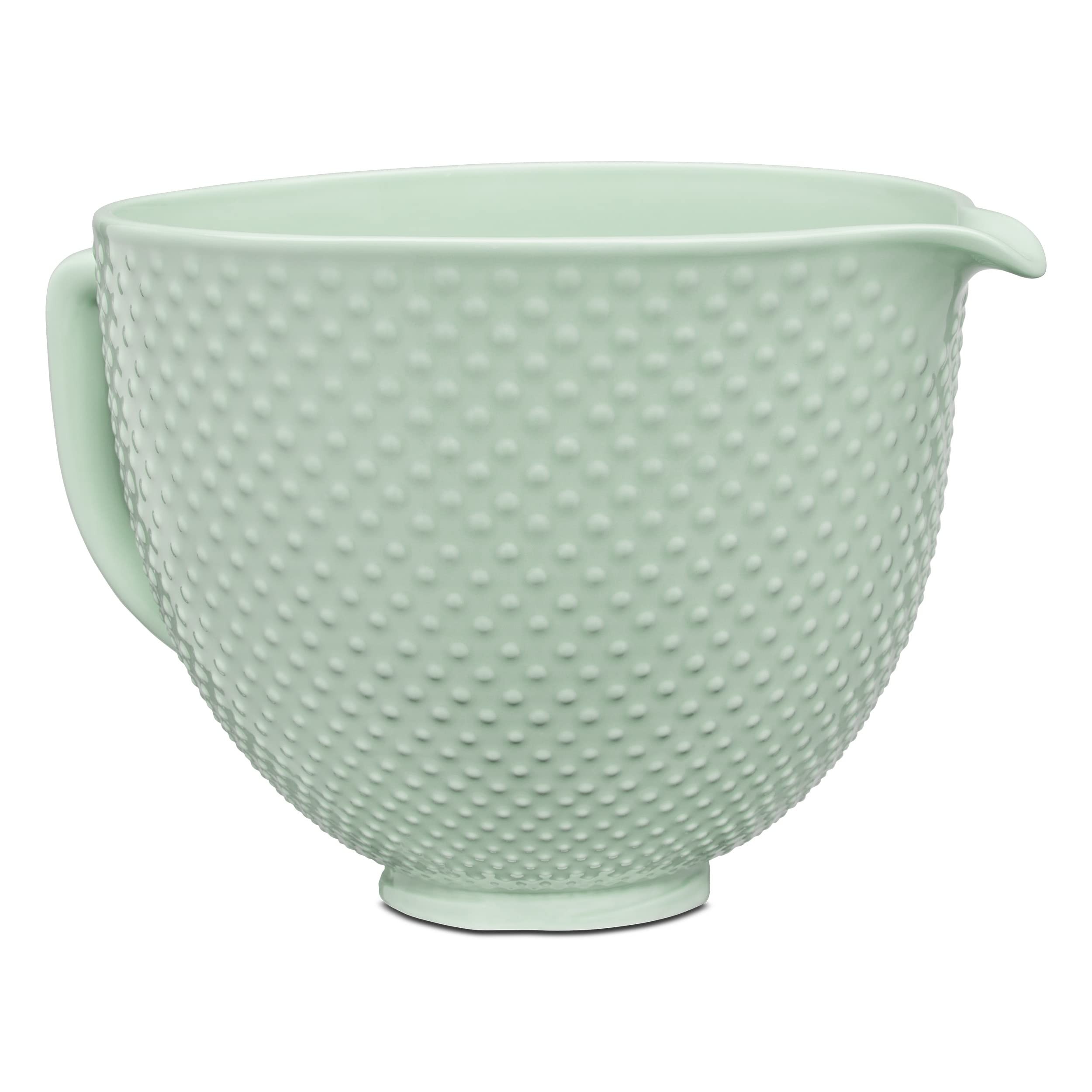
KitchenAid 5-Quart Ceramic Bowl
Ceramic construction , easier to clean than stainless steel, no metallic taste
Buy on Amazon| Product | Price Range | Top Strength | Key Weakness | Buy |
|---|---|---|---|---|
| KitchenAid Artisan 5-Quart Stand Mixer (KSM150PS) best overall | $$$ | 10 speeds handle everything from meringue to bread dough | Expensive , over $400 at full retail | Buy on Amazon |
| KitchenAid Copper 5-Quart Bowl also consider | $$ | Copper ions react with egg whites to stabilize the foam , meringues and soufflés rise higher | Expensive accessory for a functional upgrade most home bakers won't notice | Buy on Amazon |
| KitchenAid 5-Quart Ceramic Bowl also consider | $$ | Ceramic construction , easier to clean than stainless steel, no metallic taste | Heavier than stainless , adds to the mixer's weight during use | Buy on Amazon |
| KitchenAid 5-Quart Stainless Steel Mixing Bowl also consider | $ | Replacement or spare bowl , useful for bakers who use the mixer for multiple batches | Bare-bones , no handle or spout on standard bowl | Buy on Amazon |
If you’ve spent any time reading about KitchenAid accessories, you’ve probably already landed on our Stand Mixers hub and started wondering whether the copper bowl upgrade is real or just expensive kitchenware theater. I’ll give you a direct answer: the copper bowl does something measurable, but it’s not the right purchase for every baker. The bowl you actually need depends on how you use your mixer, and three of the four options below cost less than the mixer itself.
This guide covers the KitchenAid Artisan 5-Quart Stand Mixer (KSM150PS) as the baseline, then the three bowl options worth considering as upgrades or spares. I’ll tell you which one I’d recommend without qualification, and which ones serve a specific purpose that you may or may not have.
What to Look For
Fit and Compatibility
All four products covered here are built for the 5-quart tilt-head KitchenAid platform. If you own a bowl-lift model (the 6-quart or 7-quart Professional series), none of these bowls will lock in correctly. Verify your model number before purchasing a bowl separately from a mixer. KitchenAid has done a reasonable job keeping the tilt-head bowl interface consistent across decades of the Artisan line, but that compatibility does not extend across platforms.
Material and What It Actually Does
Stainless steel is the default because it’s durable, dishwasher safe, and inert. Copper is not inert, and that’s the point. Copper ions released during mixing bind to the proteins in egg whites (specifically conalbumin), creating a more stable foam that holds its structure through baking. This is the same reason French pastry chefs have used unlined copper bowls for centuries. The effect is real. It’s also modest enough that most home bakers working with cream of tartar in their meringue won’t notice a practical difference.
Ceramic is inert like stainless, cleans easily, and holds temperature well. The relevant trade-off is weight and fragility. Drop a ceramic bowl on a tile floor and you’ll find out quickly that it chips.
Hand-Washing Commitment
If you are not willing to hand-wash a bowl, do not buy the copper option. The finish will dull and eventually discolor if it goes through a dishwasher cycle. This is not a fine print caveat. It’s a material property. The stainless bowl is dishwasher safe. The ceramic bowl is technically dishwasher safe but chips more readily with repeated mechanical washing. If you run a high-volume baking operation and want a spare that handles abuse, stainless is the correct choice.
Price vs. Functional Payoff
The copper bowl is mid-range pricing as an accessory, which means it costs a noticeable fraction of what the mixer itself runs. Whether that’s reasonable depends entirely on how often you make meringue, soufflé, or Swiss meringue buttercream. If those recipes appear twice a year, the math does not work in the copper bowl’s favor.
Top Picks
Best Standalone Mixer: KitchenAid Artisan 5-Quart Stand Mixer (KSM150PS)
The KitchenAid Artisan 5-Quart Stand Mixer (KSM150PS) is the default recommendation for home bakers, and it has been for good reason. Ten speeds cover every mixing task with enough granularity that you can actually feel the difference between speed 2 for folding and speed 8 for whipping. The planetary mixing action means the beater traces the full interior of the bowl rather than spinning in one spot, so you don’t end up with a ring of unincorporated flour around the edge. I’ve used mixers that don’t do this (I’m looking at you, early Cuisinart SM-50) and it is a daily annoyance.
The attachment hub is the real differentiator against cheaper stand mixers. The pasta roller, meat grinder, and ice cream maker all connect at the same port, turning the Artisan into something closer to a kitchen platform than a single-function appliance. If you’re comparing against, say, a Hamilton Beach 63325 or a Cuisinart SM-35, the attachment ecosystem alone closes the gap on the price difference for anyone who will actually use the attachments.
The 5-quart bowl capacity is the most common complaint I hear, and it’s legitimate. A double batch of enriched bread dough will push the mixer harder than KitchenAid officially acknowledges. For those purposes, the 6-quart Professional 600 is a better fit. But for cakes, cookies, and single bread loaves, the Artisan handles the work without complaint.
At premium pricing, this is not an impulse purchase. Check current price on Amazon.
Best Meringue Upgrade: KitchenAid Copper 5-Quart Bowl
The KitchenAid Copper 5-Quart Bowl is the most interesting purchase in this group and the hardest one to recommend broadly. The science is solid. Copper ions stabilize egg white foam at the molecular level, producing a stiffer peak structure that survives oven heat better than foam whipped in stainless or glass. If you’ve ever had a pavlova weep in the oven or a soufflé collapse two minutes after it came out, this is worth trying. (I am not saying it will fix those problems definitively, but it addresses a real mechanism rather than a speculative one.)
The bowl is also visually striking in a way that matters if you leave your mixer on the counter. The warm copper against a KitchenAid Artisan in a dark color is genuinely attractive. I realize that is not a functional argument, but it is a real consideration for how people actually use their kitchens.
The hand-wash requirement is non-negotiable. The copper finish will oxidize with dishwasher exposure and no amount of Bar Keepers Friend will fully restore it. If your kitchen workflow involves loading everything into the dishwasher at 10 PM, this bowl will frustrate you within a month.
For bakers who make meringue-based desserts regularly, mid-range pricing for a bowl that improves the outcome is defensible. For everyone else, the stainless bowl that came with the mixer is adequate. Check current price on Amazon.
If you want a deeper look at how the copper bowl compares across mixer compatibility and finish options, the copper bowl for KitchenAid mixer page covers those specifics.
Best Aesthetic Upgrade: KitchenAid 5-Quart Ceramic Bowl
The KitchenAid 5-Quart Ceramic Bowl serves a different purpose than the copper bowl. This is not about what happens during mixing. It’s about a bowl that looks intentional on the counter and doesn’t feel like an appliance part sitting in your kitchen.
Ceramic cleans easily because the surface is non-porous and smooth. Butter and egg residue release with less scrubbing than they do from stainless. There’s no metallic taste transfer with acidic ingredients, which matters when you’re mixing a lemon curd or a citrus cake batter and can taste a faint metallic note from a well-used stainless bowl. (Which I realize is a specific complaint, and not everyone is sensitive to it, but it is real.)
The weight is the trade-off. Ceramic adds enough mass that the mixer sits noticeably heavier during use. This is a minor issue if your mixer lives on the counter permanently. If you lift it in and out of a cabinet, the added weight registers.
Chipping is a legitimate concern. This is not a bowl to let children handle, and dropping it on a hard floor will damage the rim. Treat it like good serveware rather than workhorse equipment and it will last. Check current price on Amazon.
Best Practical Spare: KitchenAid 5-Quart Stainless Steel Mixing Bowl
The KitchenAid 5-Quart Stainless Steel Mixing Bowl exists for one primary purpose: having a second bowl in rotation. If you bake in sequences (cookie dough first, then whipped cream, then a separate batter) and you don’t want to wash between steps, a spare stainless bowl eliminates the interruption. That workflow improvement is modest but real.
This is budget-category pricing, which makes it the lowest-friction purchase in this group. It fits every 5-quart tilt-head KitchenAid mixer, goes in the dishwasher without concern, and requires no special handling. The standard bowl has no handle or pour spout, which is a legitimate usability complaint. You will at some point pick it up barehanded from the mixer and find the rim uncomfortably cold or slippery.
For high-volume bakers, the two-bowl workflow matters more than any upgrade. The copper bowl is more interesting. The spare stainless is more useful to more people. Check current price on Amazon.
How to Choose
The clearest path through this is to start with your actual baking habits rather than which bowl looks best in a product photo.
If meringue, Swiss meringue buttercream, pavlova, or soufflé appears in your regular rotation (meaning at least monthly), the copper bowl is a defensible purchase. The functional benefit is real and the mid-range pricing becomes reasonable when spread across regular use.
If you bake in volume and the single-bowl workflow creates friction, the spare stainless bowl solves a practical problem at budget pricing. My advice would be to buy two stainless bowls before spending more on the ceramic or copper options if batch efficiency is your actual constraint.
If you care about counter aesthetics and you’re willing to handle a bowl carefully, the ceramic bowl is a legitimate quality-of-life upgrade. It’s not a performance purchase. It’s a considered one.
The mixer itself is worth the premium pricing if the attachment ecosystem matters to you. If you’re buying a stand mixer to whip cream and mix cookie dough and nothing else, there are cheaper ways to accomplish that. But the Artisan’s longevity is well documented. Mine has run for eleven years without a service call. That kind of durability record matters more than any accessory.
For more on how the Artisan fits into the broader landscape of home stand mixers, including comparisons with commercial-adjacent options, the Stand Mixers hub has the full category coverage.
Frequently Asked Questions
Does the copper bowl actually improve meringue, or is it marketing?
The improvement is real and documented. Copper ions from the bowl’s surface bind to conalbumin, a protein in egg whites, forming a more stable foam structure. Meringues and soufflés whipped in copper achieve stiffer peaks and hold them longer than those whipped in stainless. The practical difference is most visible in recipes that push egg white foam to its limit. For a basic two-egg meringue with cream of tartar, you probably won’t notice. For a multi-layer pavlova or a dacquoise, the difference in stability is measurable.
Can I use the copper bowl with any KitchenAid stand mixer?
Only with 5-quart tilt-head models. This includes the Artisan (KSM150PS), the Artisan Mini’s larger sibling, and other tilt-head units in the 5-quart configuration. It does not fit bowl-lift models like the Professional 600 or the 7-quart Pro Line. KitchenAid’s tilt-head and bowl-lift platforms use different bowl locking interfaces and the bowls are not interchangeable.
How do I clean and maintain a copper bowl?
Hand-wash only, using warm water and mild dish soap. Dry immediately with a soft cloth to prevent water spots. If the copper develops oxidation or discoloration, a paste of equal parts salt, flour, and white vinegar applied briefly and rinsed thoroughly will restore the finish. Do not use abrasive scrubbers, steel wool, or strong alkaline cleaners. The dishwasher will dull and pit the copper surface permanently.
Is there a copper bowl option for smaller KitchenAid mixers, like the Artisan Mini?
The Artisan Mini uses a 3.5-quart bowl with a different locking interface than the standard 5-quart tilt-head. KitchenAid has not released a copper bowl in the Mini size as of this writing. If you own an Artisan Mini and want the copper bowl benefit for meringue work, the most practical option is purchasing a separate unlined copper bowl and transferring the whipped whites before folding, which the traditional French technique actually uses anyway.
What’s the difference between the KitchenAid ceramic bowl and the standard stainless bowl for everyday use?
For everyday mixing tasks (cookie dough, cake batter, bread dough), the difference is minimal functionally. Ceramic is marginally easier to clean due to its non-porous surface and does not transfer any metallic flavor to acidic batters. It’s heavier and more fragile than stainless. The stainless bowl is dishwasher safe and essentially indestructible under normal kitchen use. If you’re replacing a bowl or adding a spare and don’t have a specific reason to prefer ceramic, the stainless option at budget pricing is the more practical choice.
Frequently Asked Questions
Does a copper bowl actually make a difference for whipping egg whites in a KitchenAid mixer?
Yes, but the effect is modest. Copper ions bind to egg white proteins, producing a more stable foam with better volume — the same reason French pastry chefs have used copper bowls for centuries. Home bakers who already add cream of tartar to their meringues may not notice a dramatic difference.
Is the KitchenAid copper bowl dishwasher safe?
No. The copper bowl must be hand-washed to preserve its finish. Repeated dishwasher cycles will dull and discolor the copper. If dishwasher convenience matters to you, the standard stainless steel bowl is the better choice.
Will the KitchenAid copper bowl fit my mixer?
The copper bowl is designed for 5-quart tilt-head KitchenAid models, such as the Artisan (KSM150PS). It will not fit bowl-lift models like the 6-quart or 7-quart Professional series. Always verify your model number before purchasing.
What is the copper bowl best used for?
The copper bowl excels at recipes that depend on stable whipped egg whites: meringues, soufflés, angel food cake, and Swiss meringue buttercream. For bread dough, cookie dough, or general mixing, the standard stainless bowl performs identically.
Is the KitchenAid copper bowl worth the price?
It depends on how often you make meringue-based recipes. If those dishes appear regularly in your baking, the copper bowl is a legitimate upgrade. If you make meringue once or twice a year, the standard stainless or ceramic bowl delivers the same everyday performance for less money.
Where to Buy
KitchenAid Artisan 5-Quart Stand Mixer (KSM150PS)See KitchenAid Artisan 5-Quart Stand Mixe… on Amazon