Copper Hammered Cookware: Performance Meets Beauty

Affiliate disclosure: Some links on this page are affiliate links. If you buy through them we earn a small commission at no extra cost to you. Recommendations are research-driven; we don't claim personal use of every product reviewed. Product prices and availability are accurate as of the date published and are subject to change. Always check Amazon for current pricing before purchasing. Learn more.
Quick Picks

Mauviel M'Heritage Copper Skillet 9.5"
Copper body provides the fastest, most responsive heat adjustment of any material
Buy on Amazon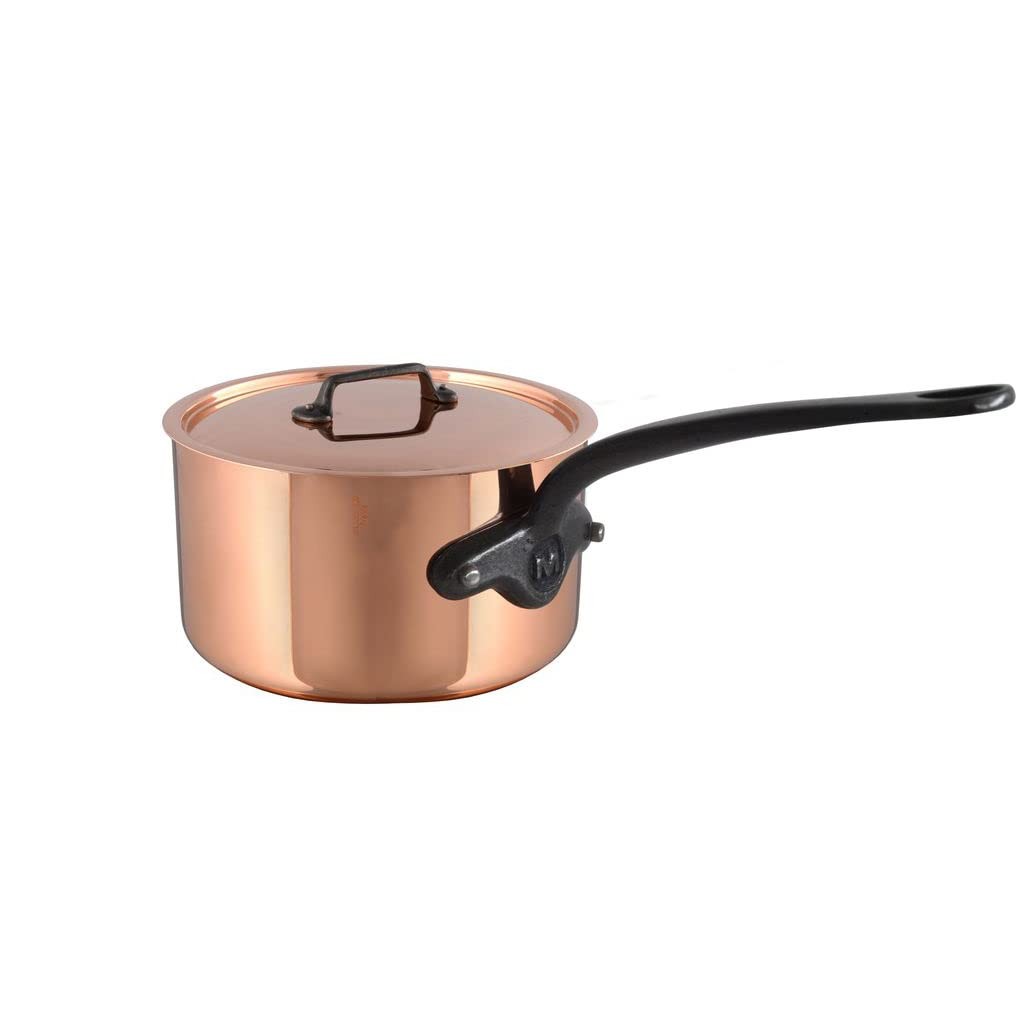
Mauviel M'Heritage Copper Saucepan 1.9-Quart
Copper reacts to heat changes within seconds , unmatched for sauce work
Buy on Amazon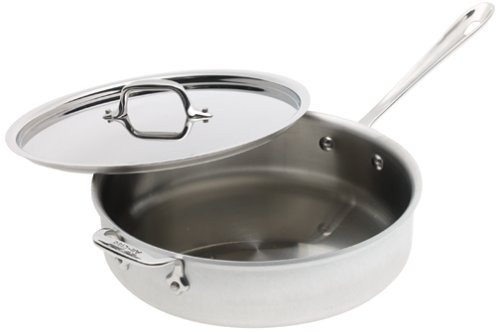
All-Clad D3 Stainless 12-Inch Fry Pan
Tri-ply construction bonds stainless and aluminum for perfectly even heating
Buy on Amazon| Product | Price Range | Top Strength | Key Weakness | Buy |
|---|---|---|---|---|
| Mauviel M'Heritage Copper Skillet 9.5" best overall | $$$ | Copper body provides the fastest, most responsive heat adjustment of any material | Most expensive cookware material , significant investment per piece | Buy on Amazon |
| Mauviel M'Heritage Copper Saucepan 1.9-Quart also consider | $$$ | Copper reacts to heat changes within seconds , unmatched for sauce work | Requires polishing to maintain the copper finish | Buy on Amazon |
| All-Clad D3 Stainless 12-Inch Fry Pan also consider | $$$ | Tri-ply construction bonds stainless and aluminum for perfectly even heating | Stainless surface requires technique to prevent sticking , not beginner-friendly | Buy on Amazon |
| Tramontina 12-Inch Tri-Ply Clad Stainless Fry Pan also consider | $$ | Genuine tri-ply construction , same bonding method as All-Clad at a fraction of the price | Slightly thinner gauge than All-Clad , marginally less heat retention | Buy on Amazon |
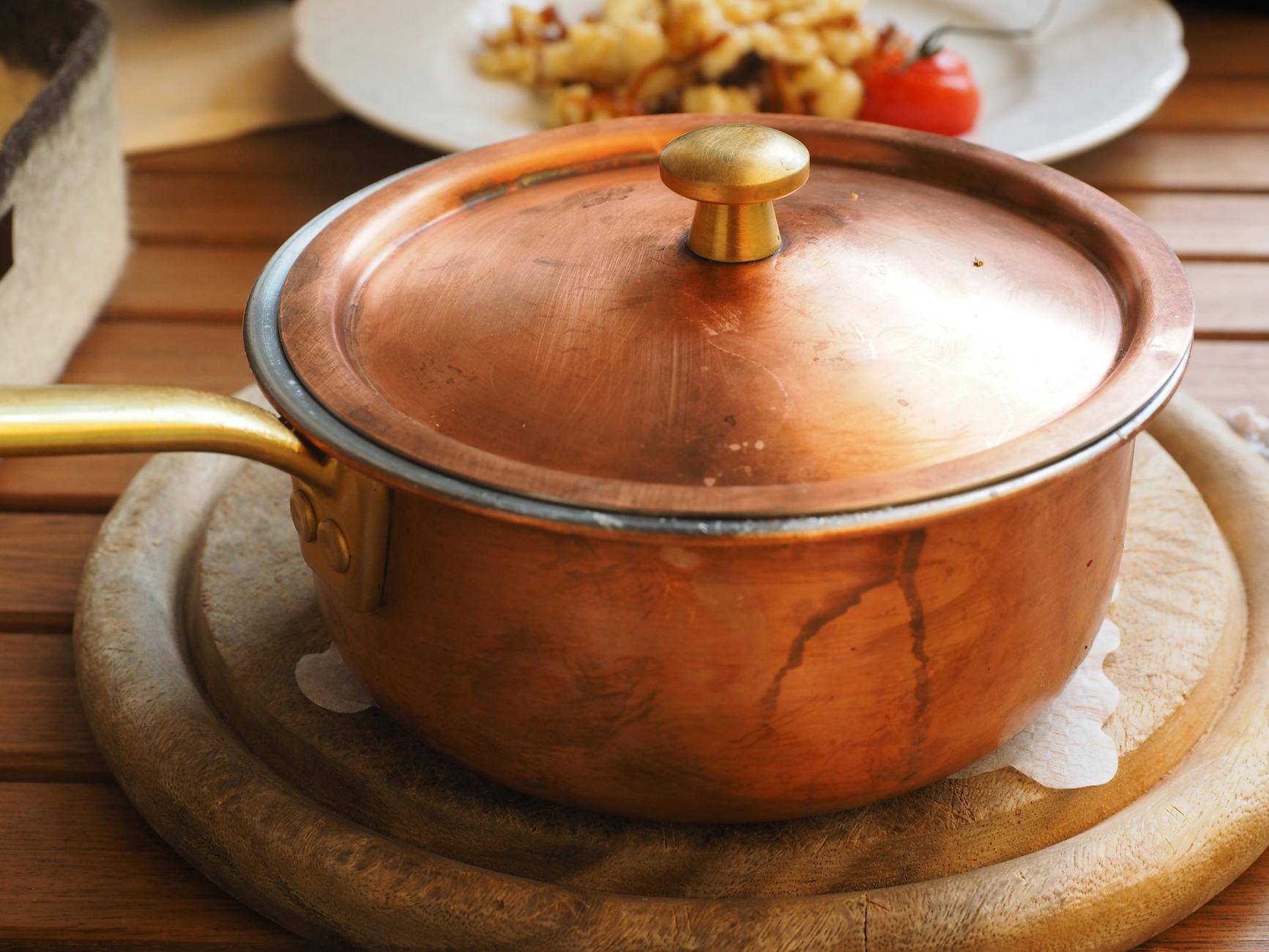
Hammered copper cookware is one of those categories where the aesthetics and the performance story are both real, which is rarer than it sounds. Most cookware that looks striking does so at the expense of something functional. Copper doesn’t work that way. The hammered finish isn’t decorative affectation , it’s the traditional surface treatment used on professional-grade pieces, and it increases surface area slightly while lending structural rigidity to thinner gauge walls. If you’ve landed here because you’re trying to figure out whether the price is justified, that’s the right question to be asking.
This guide covers copper hammered cookware honestly, including where it delivers and where tri-ply stainless is the more sensible choice. For a broader look at how copper fits into the stainless and clad landscape, the Stainless & Clad hub is a useful starting point. My picks below range from genuinely premium copper pieces to the best value tri-ply alternative for buyers who want the performance logic without the investment.
What to Look For
The Copper Performance Case
Copper conducts heat roughly five times better than stainless steel. In practical terms, this means a copper pan responds to burner adjustments in seconds rather than in the 30 to 60 seconds a heavier stainless pan takes to catch up. If you’ve ever scorched a caramel because the pan held heat after you pulled it off the flame, that’s exactly what copper eliminates. The hammered surface on traditional copper cookware is a product of hand-forming, and on well-made pieces it signals genuine craftsmanship rather than a stamp-and-paint finish.
The interior lining matters as much as the copper body. Tin-lined copper is traditional but requires care and re-tinning over time. Stainless-lined copper, which is what the Mauviel M’Heritage line uses, is non-reactive, dishwasher-tolerant (though I wouldn’t), and durable for decades. If you’re comparing pieces and the lining isn’t clearly specified, ask or look elsewhere.
Gauge and Construction
For copper cookware, 2mm of copper is the practical minimum for meaningful heat responsiveness. The Mauviel M’Heritage pieces run between 2mm and 3mm depending on the piece. Thinner copper pieces sold at lower price points often exist mainly as display items. They heat unevenly and perform worse than a decent tri-ply stainless pan.
If you’re exploring the broader category of hammered surfaces in stainless, our hammered stainless steel cookware guide covers that territory separately. It’s a different performance proposition.
Maintenance Expectations
The copper exterior will oxidize. That’s not a defect. Left alone, copper develops a darker patina that many cooks prefer. If you want the bright finish, Bar Keepers Friend or a dedicated copper polish takes it back in a few minutes. The interior, if stainless-lined, needs no special treatment. The maintenance conversation is often overstated by people who haven’t owned copper. It’s a real consideration but not an onerous one.
Top Picks
Best Overall: Mauviel M’Heritage Copper Skillet 9.5”
The Mauviel M’Heritage Copper Skillet 9.5” is the piece I’d recommend to a serious home cook who is buying once and buying well. Mauviel has been making copper cookware in Normandy, France since 1830, and the M’Heritage line reflects that lineage without being precious about it. The 9.5-inch skillet is handcrafted, hammered copper with a stainless steel interior and a cast stainless handle. It sits in the premium price band. Check the current price on Amazon.
Heat response on this pan is immediate and precise. Sautéed proteins, pan sauces, anything requiring a quick reduction followed by a fast cool-down: this pan handles the temperature transitions better than any tri-ply I’ve used, including the All-Clad D3 I cooked on for eight years before switching certain pieces over. The 9.5-inch size is the practical limit for most sauté work short of cooking for a crowd, and the pan’s weight is substantial but manageable.
The exterior requires polishing if you want to maintain the finish. The stainless interior requires nothing beyond normal cleaning. If you’re buying this as a gift (it’s a legitimate choice for a serious cook), it ships well and presents exceptionally. It’s also the kind of pan that outlasts the person who buys it, which is either a compelling argument or irrelevant depending on how you think about cookware investment.
The honest caveat: at premium pricing, this is a considered purchase. If you use a skillet five nights a week, it pays off. If you cook twice a month, the Tramontina at mid-range pricing will serve you adequately.
Best for Sauce Work: Mauviel M’Heritage Copper Saucepan 1.9-Quart
For any cook who makes hollandaise, caramel, chocolate work, or custard with any regularity, the Mauviel M’Heritage Copper Saucepan 1.9-Quart is the professional pastry kitchen’s choice for a reason. The 1.9-quart size is the working size for sauce reductions, not the showpiece-on-the-wall size. Copper’s heat conductivity matters most in saucepan applications, where the difference between a sauce that breaks and one that doesn’t is often a matter of seconds of excess heat. (I’ve broken enough hollandaise to have opinions about this.)
Stainless-lined interior, hammered copper body, cast iron handle. Same construction logic as the skillet. The size is right for one to four portions of any sauce application. Premium price band, consistent with the rest of the M’Heritage line.
For copper cookware in a broader range of sizes and styles, the copper kitchen cookware guide covers the category more extensively.
Tri-Ply Benchmark: All-Clad D3 Stainless 12-Inch Fry Pan
The All-Clad D3 Stainless 12-Inch Fry Pan earns its place here because it represents the performance floor for serious tri-ply stainless work. Premium pricing, made in the USA, lifetime warranty, oven-safe to 600°F, induction compatible. The tri-ply construction bonds stainless and aluminum through the full sidewall, not just the base, which is the meaningful construction difference between the D3 and cheaper disc-bottom pans.
I cooked primarily on All-Clad D3 for most of my time in a smaller apartment kitchen. It’s reliable, consistent, and the 12-inch size handles most tasks including searing for four people without crowding. Stainless requires technique to prevent sticking, specifically preheating the pan properly and using sufficient fat. That’s not a flaw, it’s how the material works.
The D3 doesn’t offer copper’s heat responsiveness, but for most home cooking tasks that distinction won’t matter. See also the Demeyere vs All-Clad breakdown for a closer look at how the D3 compares against a European premium alternative.
Best Value: Tramontina 12-Inch Tri-Ply Clad Stainless Fry Pan
The Tramontina 12-Inch Tri-Ply Clad Stainless Fry Pan is mid-range pricing against the All-Clad D3’s premium, and the construction method is genuinely comparable. Full tri-ply clad, induction compatible, oven-safe to 500°F (100°F lower than the D3), made in Brazil. The gauge is marginally thinner than the All-Clad, which means slightly less heat retention at high temperatures. In practice, unless you’re doing serious searing work, you will not notice.
The handle ergonomics are functional but not refined. The All-Clad handle is better. For a cook who wants solid tri-ply performance without paying the All-Clad premium, the Tramontina is the honest recommendation. It’s well-regarded in professional circles precisely because the performance-to-price ratio holds up.
How to Choose
The copper versus tri-ply decision comes down to what you cook and how often. Copper buys you heat responsiveness that stainless clad cannot replicate. If precision matters in your cooking, specifically sauce work, caramel, chocolate, or any application where holding temperature too long destroys the result, the Mauviel pieces justify the premium.
If most of your cooking is searing, sautéing, roasting, or general stovetop work, the All-Clad D3 or Tramontina will serve you well without the maintenance consideration and at lower cost. The Tramontina specifically offers no meaningful performance concession versus the D3 for most home cooks. I’d put the difference at the margin, though I appreciate that margin matters to some buyers.
For those building out a full battery, a reasonable approach is one or two copper pieces for precision sauce work alongside tri-ply for everything else. That’s the approach I use. The Stainless & Clad hub covers the full range of options if you’re thinking about a broader kitchen buildout.
One thing that trips buyers up: induction compatibility. Pure copper is not induction compatible. The Mauviel M’Heritage line with stainless lining also is not induction compatible without a disc adapter. If you have an induction cooktop, the All-Clad D3 or Tramontina is the practical choice. Check your cooktop before purchasing.
If you’re looking at budget copper pieces sold as functional cookware at lower price points, my advice would be to skip them. The gauge is typically too thin to perform well, and you get the maintenance of copper without the heat responsiveness that justifies it. The Baumalu copper cookware guide covers one specific budget copper line if you want a direct assessment of that tier.
Frequently Asked Questions
Is hammered copper cookware actually better than smooth copper cookware?
Functionally, the performance difference between hammered and smooth copper of the same gauge is minimal. The hammering process does increase surface area marginally and adds structural rigidity, both useful properties, but you’re not buying hammered copper for a measurable performance edge over smooth. The hammering is a mark of hand craftsmanship on traditional pieces and is structurally sound. On cheap stamped pieces where the hammering is a surface texture applied after the fact, the benefit is cosmetic only.
How often does copper cookware need to be polished?
Depends on whether you want to maintain the bright copper finish or are comfortable with a darker patina. If you use the pan regularly and don’t polish it, the exterior will develop an oxidized finish within weeks. That’s normal and doesn’t affect performance. If you prefer the bright copper look, polishing with Bar Keepers Friend or a dedicated copper cleaner once a month or so handles it in a few minutes per piece. The stainless interior on M’Heritage pieces requires no special care.
Can I use copper cookware on an induction cooktop?
Standard copper cookware is not induction compatible because copper is not ferromagnetic. The Mauviel M’Heritage line, despite having a stainless interior, does not work on induction either. If you cook on induction, the All-Clad D3 and Tramontina tri-ply are both fully induction compatible and are the better choices for your setup.
Is the All-Clad D3 worth the premium over the Tramontina?
For most home cooks, no. The Tramontina 12-inch tri-ply uses the same full-clad construction method, is induction compatible, and performs comparably in everyday cooking. The All-Clad D3 has a better handle, slightly heavier gauge, and a 100°F higher oven rating. If you’re doing high-temperature oven work regularly or want the American-made provenance and lifetime warranty, the D3 earns its premium. Otherwise the Tramontina is a sound choice at a more reasonable price point.
How do I prevent sticking on stainless steel cookware?
The short answer is heat management. Preheat the stainless pan over medium heat for two to three minutes before adding oil or fat. When the pan is properly preheated, a drop of water will bead and roll. Add your fat, let it heat through, then add your ingredient. Food will release naturally once a proper sear has formed. Trying to move food before that sear develops is the most common cause of sticking on stainless. It’s a technique issue, not a pan defect.
Frequently Asked Questions
What does the hammered finish on copper cookware actually do?
The hammered texture slightly increases the pan's surface area and adds structural rigidity to thinner copper walls, reducing warping over time. It's a traditional professional-kitchen treatment, not purely decorative — though it does make the cookware visually distinctive.
Is copper cookware safe to cook in?
Modern copper cookware is lined with stainless steel or tin, making the cooking surface completely non-reactive and safe for all foods. Bare, unlined copper should never be used for acidic foods, but lined copper poses no health concerns under normal use.
Does copper hammered cookware work on induction cooktops?
Pure copper is not magnetic and will not work on induction cooktops. Some copper-exterior pans have a stainless steel base added for induction compatibility — check the manufacturer's specifications before purchasing if you cook on induction.
How do you clean and maintain hammered copper cookware?
Hand-wash with mild soap and dry immediately to prevent water spots. Polish the copper exterior periodically with a dedicated copper cleaner (such as Bar Keepers Friend or Barkeeper's paste) to restore shine. Never put copper cookware in the dishwasher.
Is copper cookware worth the premium over tri-ply stainless?
Copper offers the fastest, most responsive heat control of any cookware material, which matters most for delicate sauce work and precise temperature changes. For everyday high-heat cooking, a quality tri-ply stainless pan performs comparably at a fraction of the cost. Copper is worth the investment if heat responsiveness is your primary priority.
Where to Buy
Mauviel M'Heritage Copper Skillet 9.5"See Mauviel M'Heritage Copper Skillet 9.5" on Amazon