Chef's Choice Knife Sharpener Review & Alternatives

Affiliate disclosure: Some links on this page are affiliate links. If you buy through them we earn a small commission at no extra cost to you. Recommendations are research-driven; we don't claim personal use of every product reviewed. Product prices and availability are accurate as of the date published and are subject to change. Always check Amazon for current pricing before purchasing. Learn more.
Quick Picks
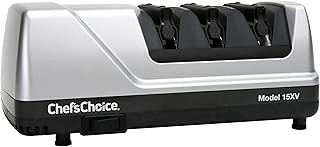
Chef'sChoice 15 Trizor XV Electric Knife Sharpener
Converts knives from 20° factory edge to a sharper 15° edge in three stages
Buy on Amazon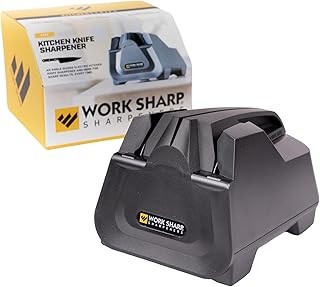
Work Sharp Culinary E5 Electric Knife Sharpener
Flexible abrasive belts remove less metal than rigid wheels , extends blade life
Buy on Amazon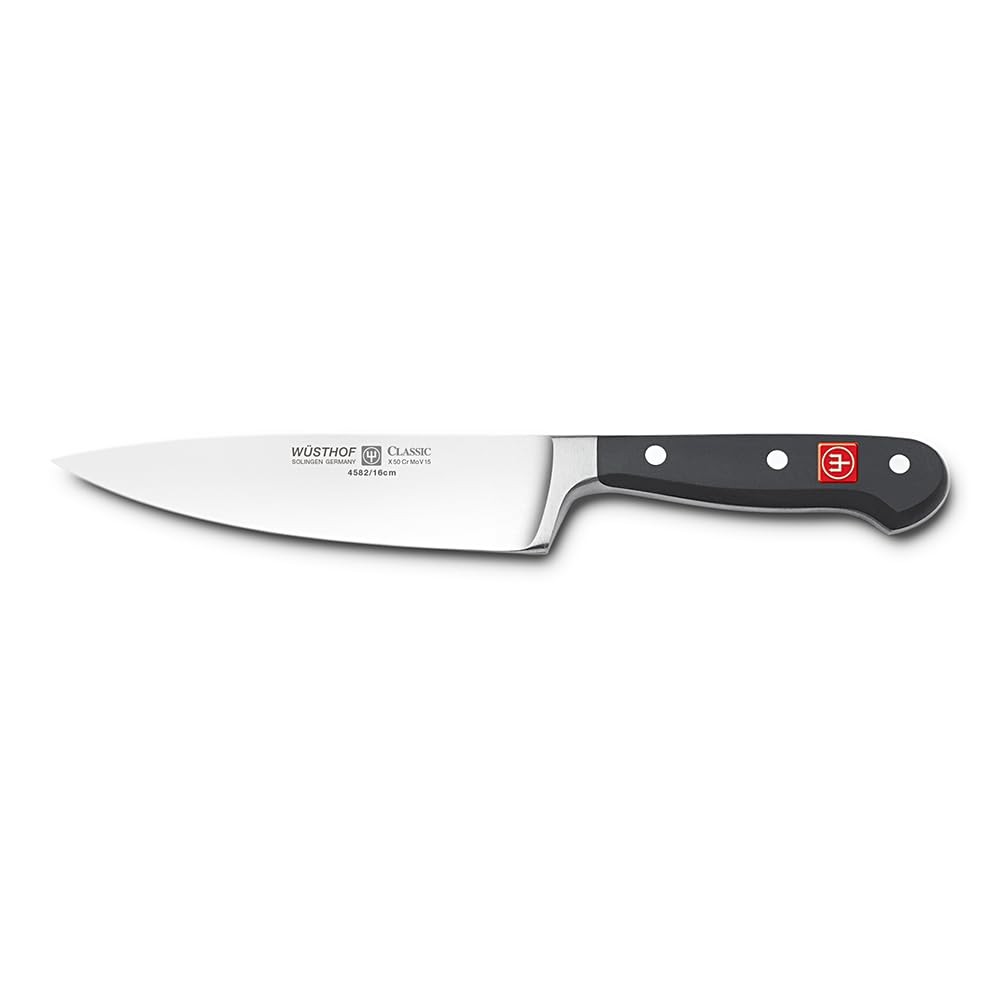
Wüsthof Knife Honing Steel 10-Inch
Regular honing maintains edge alignment between sharpenings
Buy on Amazon| Product | Price Range | Top Strength | Key Weakness | Buy |
|---|---|---|---|---|
| Chef'sChoice 15 Trizor XV Electric Knife Sharpener best overall | $$ | Converts knives from 20° factory edge to a sharper 15° edge in three stages | Removes more metal per sharpening than a whetstone , reduces blade lifespan over years | Buy on Amazon |
| Work Sharp Culinary E5 Electric Knife Sharpener also consider | $$ | Flexible abrasive belts remove less metal than rigid wheels , extends blade life | Learning curve to get consistent results on first use | Buy on Amazon |
| Wüsthof Knife Honing Steel 10-Inch also consider | $$ | Regular honing maintains edge alignment between sharpenings | Not suitable for harder Japanese steel above 60 HRC , use a ceramic rod instead | Buy on Amazon |
| Victorinox Fibrox Pro 8-Inch Chef's Knife also consider | $ | Best-performing knife under $50 , used in professional kitchens worldwide | Stamped steel loses its edge faster than forged alternatives | Buy on Amazon |
| Shun Classic 8-Inch Chef's Knife also consider | $$$ | VG-MAX steel with 68-layer Damascus cladding , razor-sharp out of the box | Hard steel (61 HRC) is more brittle , chip risk on bones or frozen food | Buy on Amazon |
A sharp knife is the single most functional thing in a kitchen, and a dull one is the single most common problem. Most home cooks own a decent knife and use it badly for three years before wondering why it stopped working. The answer is almost always maintenance, and the solution is almost always sitting on Amazon for mid-range money. This guide covers the Chef’sChoice 15 Trizor XV Electric Knife Sharpener and the alternatives worth considering alongside it, because the right sharpener depends on what you’re sharpening and how much metal you’re willing to lose over time. If you want the broader picture of what belongs in a well-equipped kitchen, the Knives & Sharpeners hub covers the full category.
What to Look For in a Knife Sharpener
Before you spend anything, it helps to be clear on what sharpening actually does versus what a honing steel does. Sharpening removes metal to create a new edge. Honing realigns an existing edge that has bent or rolled with use. A German Wüsthof that feels dull after two weeks of regular cooking probably doesn’t need sharpening. It needs honing. A knife that won’t hold an edge even after honing needs sharpening. Most home cooks skip honing entirely and then over-sharpen, which is the fastest way to shorten a blade’s life.
Sharpening angle matters. Western knives (Wüsthof, Henckels, most German-style blades) are typically sharpened at 20 degrees per side. Japanese knives are sharpened at 15 degrees or less, sometimes on a single bevel. If you own a Shun Classic 8-Inch Chef’s Knife, using a sharpener set for 20 degrees will grind away the geometry that makes the blade work. Angle compatibility isn’t a marketing detail. It’s the difference between a sharper knife and a damaged one.
Metal removal rate matters. Electric sharpeners with rigid abrasive wheels remove more metal per pass than belt-based systems or whetstones. For a knife you use daily and plan to replace in five years, the difference is negligible. For a knife you spent real money on and expect to last decades, cumulative metal removal adds up. This is worth factoring in before you buy.
Consistency matters, especially if you won’t use a whetstone. A whetstone in skilled hands produces the best edge. In unskilled hands, it produces an inconsistency across the blade that’s worse than what you started with. Electric sharpeners with guided slots remove the skill requirement. That’s a genuine advantage for most home cooks, not a compromise.
Top Picks
Chef’sChoice 15 Trizor XV: The Benchmark
The Chef’sChoice 15 Trizor XV Electric Knife Sharpener has been the standard against which electric sharpeners are measured for good reason. It sharpens in three stages using diamond abrasives, and the angle guides hold the blade at 15 degrees per side consistently. The distinctive feature is the conversion capability. If you have a Western knife factory-edged at 20 degrees, the Trizor XV re-profiles it to 15 degrees over the first two or three sharpenings. After that, you maintain the 15-degree edge in stage three only.
The results are consistent and noticeably sharp. Pull a knife through all three stages, and the edge is keen enough to push-cut printer paper cleanly. (I timed the full process at about four minutes per knife, including the stropping stage.) There’s no technique to learn. The angle guides do the work.
The trade-off is metal removal. Rigid diamond wheels cut aggressively. For a Victorinox or a mid-range German blade you rotate every few years, this barely registers. For a high-hardness Japanese knife you bought to keep for twenty years, running it through this machine monthly is a faster route to shortening its life than a belt-based or whetstone approach would be. The Trizor XV also cannot sharpen single-bevel Japanese knives. If you own something like a traditional yanagiba, this machine is not for it.
Pricing is mid-range for electric sharpeners. Check current price on Amazon.
Work Sharp Culinary E5: Better for Quality Knives
The Work Sharp Culinary E5 Electric Knife Sharpener uses flexible abrasive belts rather than rigid wheels. The flexibility matters because belts conform slightly to the blade geometry rather than grinding a uniform surface, which means less metal removed per sharpening session. Over years of regular use on a quality knife, that difference becomes real.
The E5 has adjustable edge guides for both Western (20-degree) and Japanese (15-degree) angles, plus a stropping belt for finishing. The results, once you dial in the technique, are excellent. The catch is that first use does have a learning curve, specifically getting consistent pressure and speed across the full blade length. It’s not difficult, but it’s more involved than the Trizor XV’s pull-through simplicity. Belts also need replacement after extended use, which is an ongoing cost the Trizor XV doesn’t have.
If you own a MAC Professional Series or similar mid-to-high-end Japanese-style blade, the Work Sharp E5 is worth the additional attention it requires. For someone who wants fast, consistent results without thinking about it, the Trizor XV is the easier call.
Both sit at roughly comparable mid-range pricing.
Wüsthof 10-Inch Honing Steel: The One Thing You’re Probably Skipping
The Wüsthof 10-Inch Honing Steel is not a sharpener. It’s a maintenance tool, and for German knife owners, it’s the maintenance tool. If you have a Wüsthof Classic or a Zwilling J.A. Henckels chef knife and you’re reaching for the electric sharpener every time your edge feels off, you’re taking metal off a knife that just needs to be honed.
Honing steel technique requires some attention to angle, typically 20 degrees for Western blades. Improper angle can roll the edge further rather than correct it (which I realize is an annoying thing to say about a tool that’s supposed to be simple, but it’s true and fixable with five minutes of YouTube). Used correctly on a German or soft-steel Western blade, this steel will extend the interval between actual sharpenings significantly.
One hard limit: do not use a ridged steel honing rod on Japanese knives with hardness above 60 HRC. The Shun Classic, for example, is rated at 61 HRC. That steel is hard enough that a ridged rod risks chipping rather than aligning the edge. Use a ceramic rod for Japanese blades, or better, a strop.
Mid-range pricing for a well-made tool that should outlast most of the knives you’ll use it on.
The Knives Worth Sharpening
The best sharpener in the world doesn’t matter if the knife isn’t worth maintaining. Two knives anchor the practical end of this discussion.
The Victorinox Fibrox Pro 8-Inch Chef’s Knife is the budget benchmark. It’s a stamped blade, not forged, which means it won’t hold an edge as long as a heavier German knife. But it’s sharp out of the box, well-balanced for its weight class, and used in professional kitchens where knives take real abuse. If you’re not ready to spend premium prices but need a functional all-purpose knife, this is the honest answer. Keep it honed and it does the job.
The Shun Classic 8-Inch Chef’s Knife is the other end of the spectrum. VG-MAX steel with 68-layer Damascus cladding, 15-degree bevel per side, razor-sharp factory edge. The blade is thinner and lighter than German equivalents, which makes it noticeably better for precision vegetable work. The 61 HRC hardness means it stays sharp longer than softer steel, but the same hardness makes it more brittle. Use it on bones or frozen food and you’re risking a chip. Sharpen it with a whetstone or the Work Sharp E5. Do not use it on a rigid-wheel electric sharpener routinely. If you own Shun’s other blades, the same logic applies to the Shun Steak Knives.
How to Choose
The decision almost always comes down to two questions: what knives do you own, and how much hands-on effort do you want to invest in maintaining them.
If your kitchen runs primarily on German or Western-style blades, the Chef’sChoice 15 Trizor XV is the straightforward answer. Pull-through consistency, no technique required, and the 15-degree conversion is a genuine improvement over the factory 20-degree edge on most German knives. Pair it with the Wüsthof honing steel for between-sharpening maintenance and you have a complete system.
If you own high-end Japanese knives and plan to keep them for the long term, choose the Work Sharp E5 or invest time in a quality whetstone. The belt system’s lower metal removal rate matters over years of use. My advice would be to also pair this with a leather strop for regular maintenance, which removes the need to run the machine as frequently.
If you own a Victorinox and use it hard, the Trizor XV is overkill. A decent pull-through sharpener at budget pricing or a simple whetstone at 1,000/3,000 grit does the job. Spend the saved money on the Wüsthof honing steel and use it regularly.
One situation where I’d redirect the budget entirely: if you’re sharpening a knife that’s already been reprofiled unevenly from years of inconsistent sharpening, no pull-through machine fixes that. A whetstone or professional sharpening service does. Electric sharpeners maintain a good edge. They don’t rescue a bad one.
For a full breakdown of knives that pair well with these maintenance tools, the Knives & Sharpeners hub is the place to start.
Frequently Asked Questions
Can the Chef’sChoice 15 Trizor XV sharpen Japanese knives?
It can sharpen double-bevel Japanese knives, and the 15-degree angle guide is appropriate for most of them. What it cannot do is sharpen single-bevel knives, traditional Japanese blades like a yanagiba or deba that are only sharpened on one side. If you own a Shun, a Global, or a MAC Professional Series chef’s knife, the Trizor XV will work. If you own traditional single-bevel Japanese cutlery, you need a whetstone.
How often should I sharpen kitchen knives?
Most home cooks sharpen far too often and hone far too rarely. For a German knife in regular home use, sharpening once or twice a year is typically enough if you’re honing consistently before or after each use. For a harder Japanese blade that holds an edge longer, once a year or less is reasonable. If your knife feels dull after honing, sharpen it. If it responds to honing, skip the sharpener.
What’s the difference between honing and sharpening?
Sharpening removes metal from the blade to create a new edge. Honing realigns the existing edge, which bends and rolls with use even on a sharp knife. A honing steel doesn’t sharpen anything. It corrects micro-deformation that accumulates with normal cutting. Most knives feel sharper after honing because they were never actually dull. They just needed realignment.
Is the Work Sharp E5 worth the extra effort compared to the Chef’sChoice?
Depends on what you’re sharpening. The belt system removes less metal per session, which matters more the more you paid for the knife. If you’re maintaining an entry-level Victorinox, the easier pull-through experience of the Trizor XV is the better trade-off. If you own a Shun, a Miyabi, or any blade you expect to use for twenty or more years, the belt system’s gentler approach to metal removal is worth the additional technique.
Can I use a honing steel on my Santoku knife?
It depends on the steel hardness. A German-style santoku (like the Zwilling Henckels Santoku) typically runs at softer hardness levels that respond well to a ridged honing steel. A Japanese santoku in harder steel, 60 HRC or above, should use a ceramic rod or strop instead. Ridged steel on a hard blade risks chipping the edge rather than aligning it. Check the hardness rating for your specific knife before deciding.
Frequently Asked Questions
What types of knives can a Chef's Choice sharpener handle?
Chef's Choice sharpeners are designed for straight-edged Western and Japanese knives. The 15 Trizor XV specifically handles both blade styles, sharpening to a 15-degree edge. Serrated knives require a different sharpening method and are not compatible with most Chef's Choice models.
What is the difference between sharpening and honing a knife?
Sharpening removes metal to create a new edge, while honing realigns the existing edge without removing significant material. You should hone frequently with a honing steel or ceramic rod, and sharpen with an electric sharpener only when the edge no longer responds to honing.
How long does it take to sharpen a knife with a Chef's Choice sharpener?
The three-stage process on the Chef's Choice 15 Trizor XV takes roughly one to three minutes per knife, depending on how dull the blade is. It is significantly faster than whetstone sharpening, which can take 10 to 20 minutes per knife.
Is Chef's Choice the best knife sharpener brand?
Chef's Choice is the most widely recognized brand for home electric knife sharpeners and earns that reputation with consistent, reliable results. The Work Sharp E5 is a legitimate alternative that uses flexible abrasive belts instead of rigid wheels, removing less metal per session — an advantage for expensive knives you want to last longer.
Can I use a honing steel with a Chef's Choice sharpener in my maintenance routine?
Yes, and you should. A honing steel or ceramic rod used regularly between sharpenings extends the time between sessions on the electric sharpener. Less frequent sharpening means less cumulative metal removal and longer knife life overall.
Where to Buy
Chef'sChoice 15 Trizor XV Electric Knife SharpenerSee Chef'sChoice 15 Trizor XV Electric Kn… on Amazon