KitchenAid 8 Quart Commercial Mixer: What You Need

Affiliate disclosure: Some links on this page are affiliate links. If you buy through them we earn a small commission at no extra cost to you. This never influences which products we recommend — we only suggest things we'd buy ourselves. Product prices and availability are accurate as of the date published and are subject to change. Always check Amazon for current pricing before purchasing. Learn more.

Quick Picks
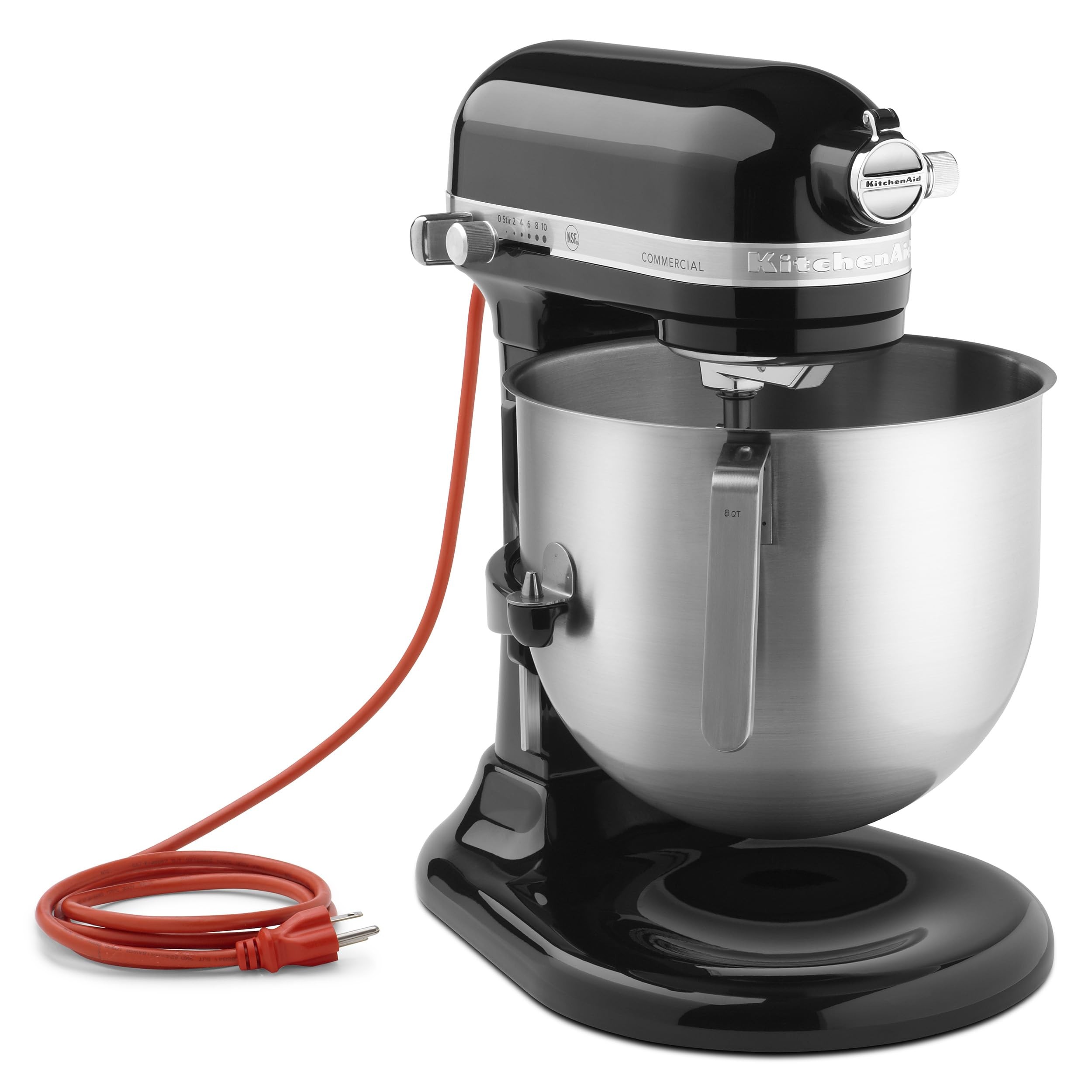
KitchenAid Commercial 8-Quart Stand Mixer (KSM8990)
8-quart bowl handles 14 dozen cookies or 8 loaves of bread at once
Buy on Amazon
KitchenAid Professional 600 6-Quart Stand Mixer
6-quart bowl handles double batches and heavy bread doughs with ease
Buy on Amazon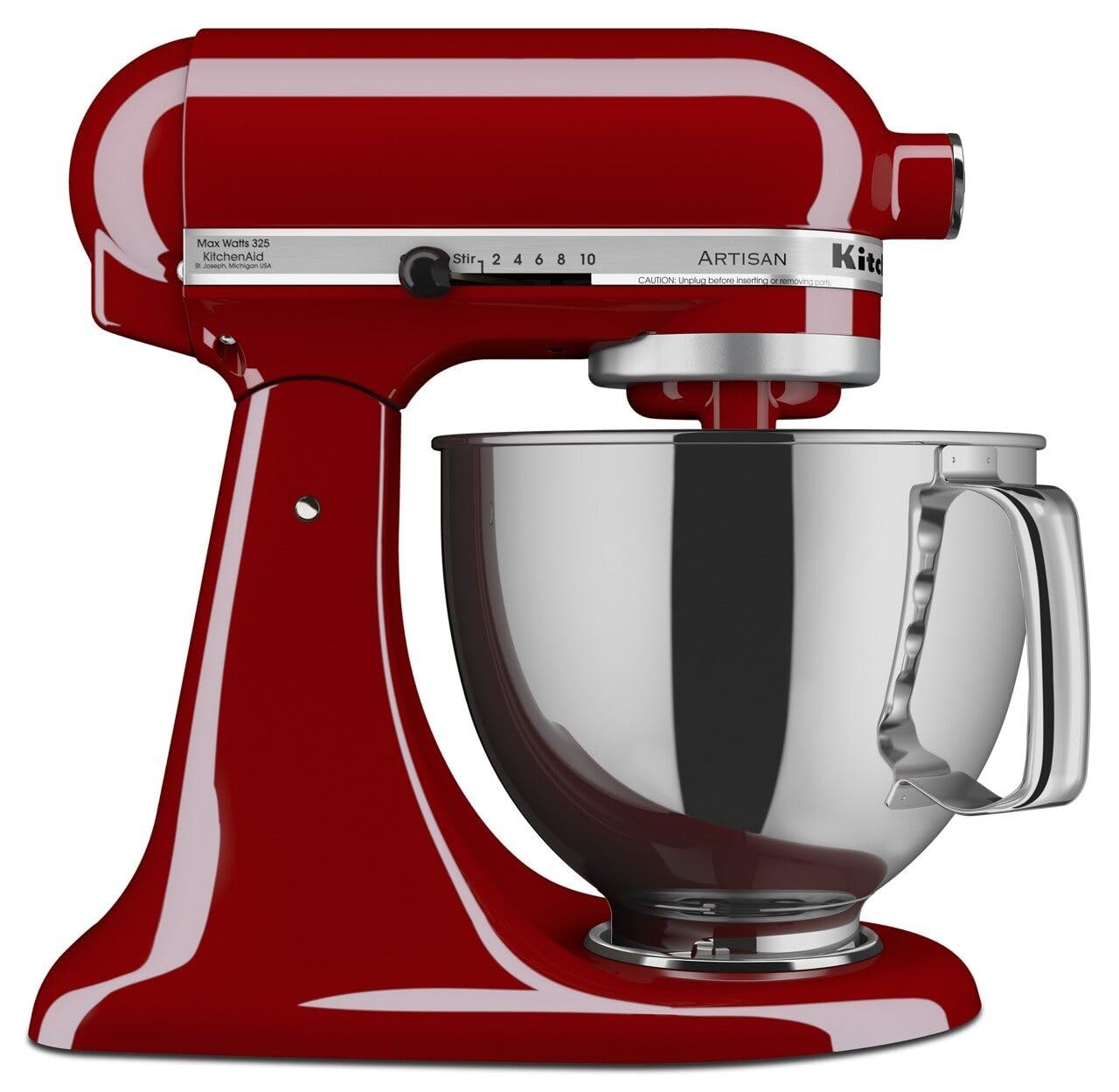
KitchenAid Artisan 5-Quart Stand Mixer (KSM150PS)
10 speeds handle everything from meringue to bread dough
Buy on Amazon| Product | Price Range | Top Strength | Key Weakness | Buy |
|---|---|---|---|---|
| KitchenAid Commercial 8-Quart Stand Mixer (KSM8990) best overall | $$$ | 8-quart bowl handles 14 dozen cookies or 8 loaves of bread at once | Extremely expensive , commercial pricing for a home buyer | Buy on Amazon |
| KitchenAid Professional 600 6-Quart Stand Mixer also consider | $$$ | 6-quart bowl handles double batches and heavy bread doughs with ease | Significantly heavier than the Artisan , harder to store | Buy on Amazon |
| KitchenAid Artisan 5-Quart Stand Mixer (KSM150PS) also consider | $$$ | 10 speeds handle everything from meringue to bread dough | Expensive , over $400 at full retail | Buy on Amazon |
| KitchenAid Pro Line 7-Quart Bowl-Lift Stand Mixer also consider | $$$ | 7-quart capacity handles triple batches and the heaviest bread doughs | Most expensive consumer KitchenAid model , approaching commercial pricing | Buy on Amazon |
| Ankarsrum Original Stand Mixer also consider | $$$ | 7-quart bowl, 600W motor , handles the largest batches of any home mixer | Very different learning curve from KitchenAid , takes time to master | Buy on Amazon |
The search that lands you on “KitchenAid 8 quart commercial stand mixer” usually means one of two things: you’ve outgrown your current mixer and you’re serious about it, or you’re a cottage baker or small caterer trying to figure out whether commercial equipment belongs in a home kitchen. Both are reasonable questions. The answer depends less on ambition and more on honest batch math. Our full Stand Mixers guide covers the broader category, but this article is focused specifically on what you need to know before spending premium money on large-capacity KitchenAid and its closest competitors.
What to Look For in a Large-Capacity Stand Mixer
Bowl Size and What It Actually Means
Bowl capacity in quarts is the number most people lead with, but the relevant measure is what fits in that bowl for your specific recipes. KitchenAid’s own spec sheet on the 8-quart commercial model claims 14 dozen cookies or 8 loaves of bread per batch. That’s a commercial production number. If you’re baking two loaves on a Sunday, a 5-quart bowl has more unused headroom than you’d think.
The practical floor for double-batching most bread recipes is 6 quarts. Below that, stiff doughs climb the hook and you’re stopping every few minutes to scrape down. If you routinely make triple batches, or your bread recipes run to 1,500 grams of flour, you’re looking at 7 quarts minimum.
Motor Power and Duty Cycle
Consumer KitchenAid motors are rated in horsepower equivalents, which are marketing numbers. What matters more is whether the motor is designed for continuous use under load. Commercial motors are built for sustained production. Consumer motors, even powerful ones, are built for the assumption you’ll rest the machine between batches.
The KitchenAid Commercial 8-Quart Stand Mixer (KSM8990) and the KitchenAid Pro Line 7-Quart Bowl-Lift Stand Mixer both spec at 1.3HP. For home use, this headroom mostly means the motor runs cooler under bread dough. For a cottage baker processing 10 or 12 batches in a day, the duty cycle difference is real.
Bowl-Lift vs. Tilt-Head
Bowl-lift is more stable under heavy loads. The bowl locks into position, so a stiff brioche dough doesn’t walk the bowl off the base. Tilt-head is more convenient for everyday tasks because you can reach the bowl without engaging a lift mechanism.
At 6 quarts and above, all the models here use bowl-lift. That’s the right call. If you’re making stiff doughs in volume, you don’t want a tilt-head.
Weight and Placement
The KSM8990 weighs close to 30 pounds. The Pro Line 7-quart is in the same range. These are not appliances you move to a cabinet between uses. Before you buy either one, you need counter space that’s permanently yours. I’m not being dramatic about this. (I’ve watched people buy 28-pound mixers and then struggle to find a home for them for six months before selling them.)
Top Picks
KitchenAid Commercial 8-Quart Stand Mixer (KSM8990)
The KitchenAid Commercial 8-Quart Stand Mixer (KSM8990) is a commercial machine at commercial pricing. It’s built for production environments, which is exactly what makes it the right answer for a narrow slice of buyers and the wrong answer for most home bakers.
What makes it different from the consumer Pro Line: the motor is designed for continuous use, the 3-piece bowl guard is a commercial safety feature, and the bowl-lift mechanism is rated for heavier sustained loads. At 8 quarts, you’re also working with a bowl that most home kitchens will never fill.
Who actually needs this? Cottage bakers selling at farmers markets, small caterers working out of a home kitchen, or households with legitimate weekly production volumes. If your answer to “how often do you max out your current mixer’s capacity” is “every single week and then some,” this is worth considering. Check current price on Amazon. At its price band, it costs significantly more than the Pro Line 7-quart, which handles most of the same use cases for home bakers.
KitchenAid Pro Line 7-Quart Bowl-Lift Stand Mixer
The KitchenAid Pro Line 7-Quart Bowl-Lift Stand Mixer sits between the Professional 600 and the full commercial unit. The 1.3HP motor matches the commercial spec, but the machine is designed for home use rather than continuous production. For a serious home baker making large batches of bread weekly, this is a more honest fit than the commercial 8-quart.
The extra quart over the Professional 600 matters for triple batches and very large bread doughs. Whether it’s worth the price premium over the 600 depends on whether you’re actually hitting the 6-quart ceiling. Many people who buy the 7-quart could have managed with 6. Check current price on Amazon before deciding.
KitchenAid Professional 600 6-Quart Stand Mixer
The KitchenAid Professional 600 6-Quart Stand Mixer is the upgrade case over the Artisan, and it’s a genuine one. The bowl-lift design is more stable than the tilt-head under stiff loads, the motor is stronger, and 6 quarts handles double batches without the dough climbing the hook.
This is the model I’d point most serious home bread bakers toward before suggesting the 7-quart or commercial. It handles real production volume while still being a machine built for home kitchens. The weight is still substantial, so the same dedicated counter-space requirement applies.
The bowl-lift requires two hands to engage, which sounds trivial until you’re mid-recipe with floured hands. Worth knowing before you buy.
KitchenAid Artisan 5-Quart Stand Mixer (KSM150PS)
The KitchenAid Artisan 5-Quart Stand Mixer (KSM150PS) is the default recommendation for most home bakers, and for good reason. Ten speeds cover everything from whipping egg whites to mixing bread dough. Planetary mixing action means the attachment traces the entire bowl, so you rarely get unmixed pockets at the base. And the attachment hub is the main differentiator from cheaper alternatives: pasta roller, meat grinder, food grinder, ice cream maker, and a long list of others connect to the same port.
If you’re reading this article because you’re trying to decide between the Artisan and the 8-quart commercial, the honest answer is that most of you should stop at the Artisan. The 5-quart bowl limits you on large bread batches, but for cakes, cookies, meringues, and single-batch bread, it handles the work. If you’re interested in the copper bowl option for this machine, the copper bowl for KitchenAid stand mixer is worth a look for anyone prioritizing egg white performance alongside aesthetics.
Ankarsrum Original Stand Mixer
The Ankarsrum Original Stand Mixer is the alternative serious bread bakers gravitate toward once they’ve spent time with KitchenAid and found it wanting for high-hydration doughs. Swedish-made, 7-year warranty (longest in this category), and the roller-and-scraper system genuinely performs better on large bread batches than a dough hook. The machine works from the outside of the bowl in rather than from a central hook, which is mechanically better suited to slack doughs.
The learning curve is real. The Ankarsrum requires you to forget your KitchenAid instincts and learn the machine from scratch. Speed settings and timing are different. Recipes written for KitchenAid don’t translate directly. If you’re willing to invest that time, it pays off. If you want something you can run on day one, it won’t. It’s one of the pricier options in this class, broadly comparable in price to the KitchenAid Pro Line 7-quart. Check current price on Amazon for the current gap.
How to Choose
Start with your actual batch size. Pull out your three most common recipes and calculate the total dough or batter weight. Then match that to bowl capacity with room to spare. A 5-quart bowl at 70 percent capacity performs better than a 5-quart bowl at 90 percent.
If you’re routinely making double batches of bread, the Professional 600 is the honest answer. If you’re making triple batches weekly or running a cottage food operation, the Pro Line 7-quart earns its price premium. The commercial 8-quart is justified only if you’re doing sustained production runs, because you’re paying commercial prices for commercial duty-cycle capability that most home kitchens will never use.
For bread specifically: the Ankarsrum competes directly with the 7-quart and commercial KitchenAid units. If bread is your primary use case and you’re willing to learn a new machine, it deserves serious consideration. For everything else (cakes, cookies, batters, whipped cream), the KitchenAid attachment ecosystem and familiarity win.
My advice would be to buy the smallest bowl that covers your actual production needs, not your aspirational ones. The 8-quart commercial is a machine built for a kitchen that runs like a small operation. If yours does, buy it. If it doesn’t, the Professional 600 or Pro Line 7-quart will do more than enough work.
For a broader look at how these models compare against the full stand mixer market, the Stand Mixers hub covers alternatives from Cuisinart, Bosch, and Wolf if you’re not already committed to the KitchenAid platform.
Frequently Asked Questions
Is the KitchenAid 8-quart commercial mixer worth it for home use?
For most home bakers, no. The KSM8990 is priced at commercial levels and designed for continuous production use. Unless you’re running a cottage bakery, selling at markets, or genuinely making 8 loaves of bread per batch on a weekly basis, the Pro Line 7-quart or the Professional 600 will handle your volume at lower cost without the weight and footprint penalty.
What is the difference between the KitchenAid Professional 600 and the Pro Line 7-quart?
The Professional 600 is 6 quarts, and the Pro Line 7-quart adds an extra quart of capacity and roughly the same 1.3HP motor rating. The practical difference shows up in triple batches and very large bread doughs. If you’re regularly hitting the ceiling of a 6-quart bowl, the 7-quart is the upgrade. If you’re not, you’re paying a meaningful price premium for capacity you won’t use.
How much does the KitchenAid 8-quart commercial stand mixer weigh?
Close to 30 pounds. This is not a machine you’ll pull from a cabinet. Budget permanent counter space before purchasing.
Is the Ankarsrum better than KitchenAid for bread?
For high-hydration bread doughs, many serious bread bakers prefer the Ankarsrum’s roller-and-scraper mechanism over a dough hook. The physics are genuinely different and better suited to slack doughs. For everything else (cakes, cookies, meringues), KitchenAid’s planetary action and attachment ecosystem are more practical. The Ankarsrum is a specialist. Buy it if bread is your primary use case and you’re committed to learning it properly.
Can I use a copper bowl with any of these KitchenAid mixers?
Copper bowls are bowl-specific, and sizing matters. If you’re considering a copper bowl for KitchenAid mixer for whipping egg whites, confirm compatibility with your specific model before purchasing. The tilt-head Artisan and the bowl-lift Professional series use different bowl attachment mechanisms and are not interchangeable.
Frequently Asked Questions
What types of bakers actually benefit from a KitchenAid 8 quart commercial stand mixer?
Cottage bakers, small-scale caterers, and home bakers who produce 6 or more loaves per session are the real audience for the 8-quart commercial model. If your baking is occasional or recipe-scale rather than batch-scale, the 6-quart Professional 600 or 7-quart Pro Line handles the same tasks at lower cost.
Can I use the KitchenAid 8 quart commercial stand mixer for cake batter and whipped cream, not just bread?
Yes. The 8-quart commercial model handles the full range of mixing tasks: batters, meringues, whipped cream, cookie dough, and bread dough. The bowl-lift design and 1.3HP motor provide more than enough power for lighter preparations. The main practical consideration is that the bowl is large enough to lose small batches against the sides.
How does the KitchenAid 8 quart commercial stand mixer differ from the KitchenAid Pro Line 7 quart?
Both run a 1.3HP motor, but the commercial 8-quart has a larger bowl and is built to a commercial duty cycle rather than a consumer one. The Pro Line 7-quart is technically consumer-rated despite its similar motor. Price difference between the two reflects the bowl size and commercial classification more than motor performance.
Where should I buy a KitchenAid 8 quart commercial stand mixer?
The KSM8990 is available through KitchenAid's website, Amazon, and restaurant supply retailers. Pricing varies, and restaurant supply sources occasionally offer competitive rates for commercial equipment. Check multiple channels before purchasing given the significant price point.
Does the KitchenAid 8 quart commercial stand mixer require special installation?
No special installation is required. It plugs into a standard household outlet. The main preparation needed is counter space — the machine is large and heavy enough (approximately 29 pounds) that most buyers designate a permanent spot rather than storing it between uses.
Where to Buy
KitchenAid Commercial 8-Quart Stand Mixer (KSM8990)See KitchenAid Commercial 8-Quart Stand M… on Amazon