Dough Attachment Stand Mixer Buyer's Guide

Affiliate disclosure: Some links on this page are affiliate links. If you buy through them we earn a small commission at no extra cost to you. This never influences which products we recommend — we only suggest things we'd buy ourselves. Product prices and availability are accurate as of the date published and are subject to change. Always check Amazon for current pricing before purchasing. Learn more.

Quick Picks
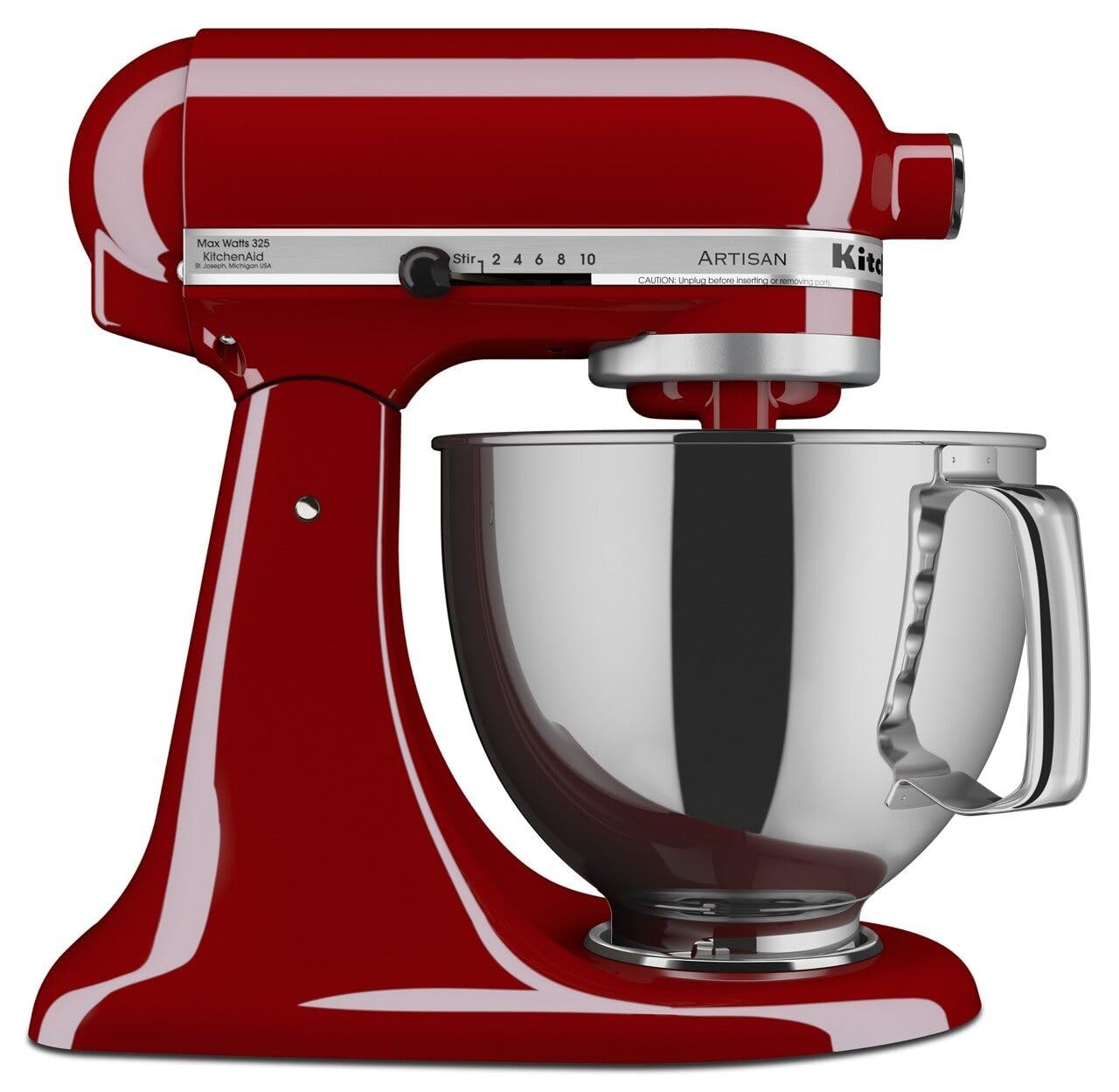
KitchenAid Artisan 5-Quart Stand Mixer (KSM150PS)
10 speeds handle everything from meringue to bread dough
Buy on Amazon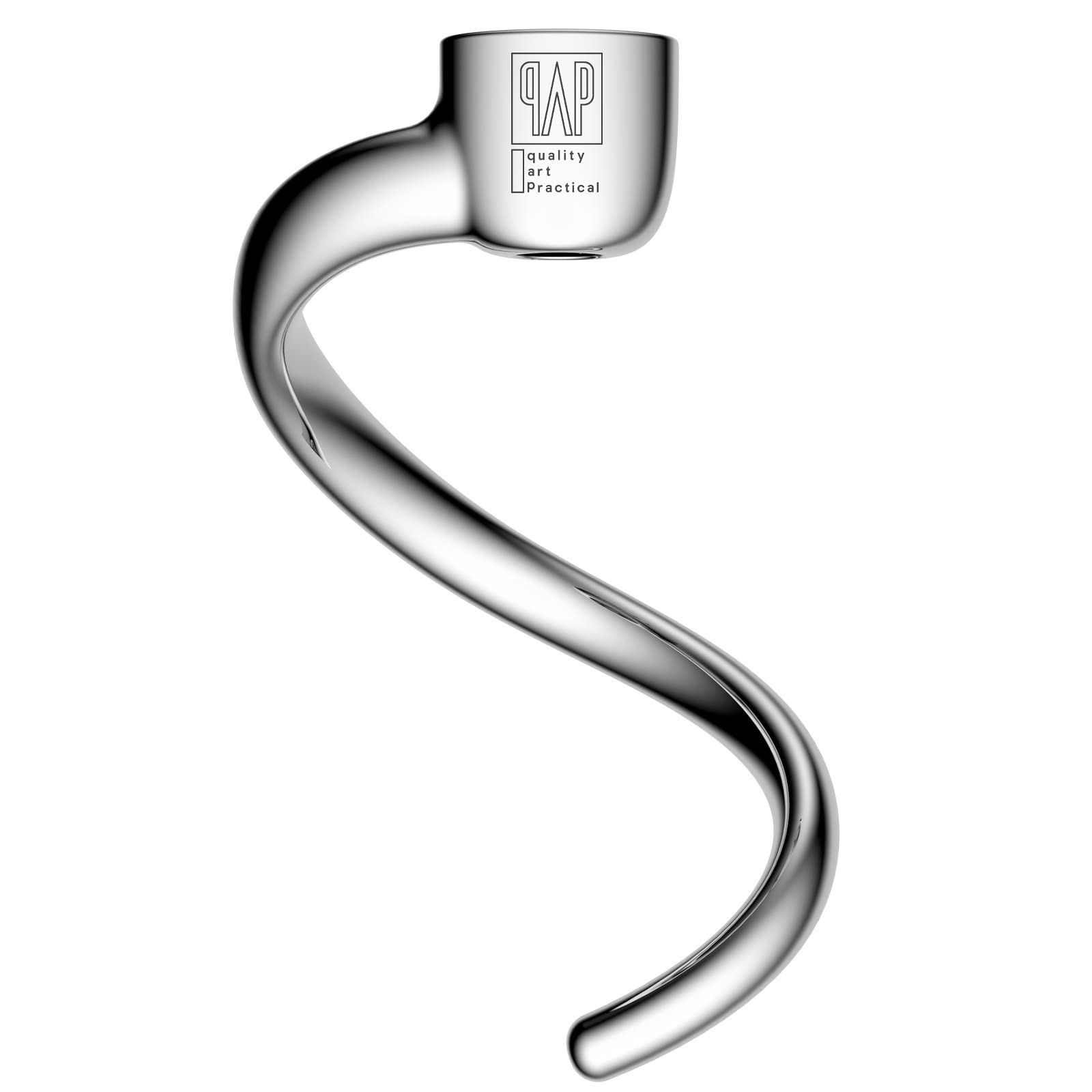
KitchenAid Dough Hook (Spiral)
Spiral design is more efficient at developing gluten than the old C-hook
Buy on Amazon
Bosch Universal Plus 800W Stand Mixer
800W motor , more powerful than KitchenAid Artisan for sustained dough kneading
Buy on Amazon| Product | Price Range | Top Strength | Key Weakness | Buy |
|---|---|---|---|---|
| KitchenAid Artisan 5-Quart Stand Mixer (KSM150PS) best overall | $$$ | 10 speeds handle everything from meringue to bread dough | Expensive , over $400 at full retail | Buy on Amazon |
| KitchenAid Dough Hook (Spiral) also consider | $ | Spiral design is more efficient at developing gluten than the old C-hook | Not effective below 2 cups of flour , too little dough for the hook to grab | Buy on Amazon |
| Bosch Universal Plus 800W Stand Mixer also consider | $$ | 800W motor , more powerful than KitchenAid Artisan for sustained dough kneading | Attachment ecosystem much smaller than KitchenAid | Buy on Amazon |
| Ankarsrum Original Stand Mixer also consider | $$$ | 7-quart bowl, 600W motor , handles the largest batches of any home mixer | Very different learning curve from KitchenAid , takes time to master | Buy on Amazon |
| KitchenAid Professional 600 6-Quart Stand Mixer also consider | $$$ | 6-quart bowl handles double batches and heavy bread doughs with ease | Significantly heavier than the Artisan , harder to store | Buy on Amazon |
The dough hook is the most honest attachment a stand mixer ships with. No theatrics, no learning curve for the machine itself. You put the dough in, you run the hook, and either the mixer handles it or it doesn’t. That simple test separates a capable machine from an expensive countertop decoration, and it’s where most buyers find out too late that they bought the wrong thing.
If you’re here because you want to make bread regularly, and you want a mixer that will actually develop gluten without you pushing the bowl around the counter, this is the guide for you. I’ve been working through these machines and attachments seriously for the past few years, and I’ll tell you what I’d buy and what I’d skip. The full context on stand mixers broadly lives in our Stand Mixers hub if you need it.
What to Look For in a Stand Mixer for Dough
Motor Power and Sustained Load
Creaming butter takes modest power delivered briefly. Kneading a stiff whole-wheat dough for eight minutes is a sustained load, and it’s where motors that look adequate on spec sheets start to smell hot. The number that matters is wattage under sustained use, not peak wattage. The Bosch Universal Plus Stand Mixer runs at 800W continuously. The KitchenAid Artisan is rated lower, and experienced bread bakers notice the difference on heavy doughs.
Bowl Capacity and Batch Size
A 5-quart bowl is fine for a single loaf. If you’re doubling recipes, making enough dough for a week, or working with high-hydration doughs that need room to move, you want at least 6 quarts. This is the single most common mistake I see people make when buying a stand mixer: they buy for the bread they bake now, not the bread they’ll bake once they have a machine that makes it easy.
Hook Design: Spiral vs. C-Hook
The old C-hook that shipped with KitchenAid mixers for decades works. The spiral hook that replaced it works better. A spiral hook contacts more of the dough per revolution, develops gluten faster, and generates less friction heat. If you have a KitchenAid and you’re still using the original C-hook, the KitchenAid Spiral Dough Hook is a mid-range purchase that changes your results noticeably. The upgrade is stainless steel, dishwasher safe, and fits all 5- and 6-quart tilt-head and bowl-lift models.
One genuine limitation of any KitchenAid hook: below about 2 cups of flour, there’s not enough dough mass for the hook to grip. You’ll watch it spin uselessly while the dough sits in the bottom of the bowl. (I’ve done this more than once, which is how I know to mention it.)
The Attachment Question
KitchenAid’s real competitive advantage over every other stand mixer brand is the attachment hub. Pasta maker, meat grinder, ice cream maker, grain mill. If any of those matter to you now or even probably, KitchenAid is the default answer. If you want a pure bread machine and the extra attachments don’t interest you, that calculus shifts.
Top Picks
Best All-Around: KitchenAid Artisan 5-Quart (KSM150PS)
The KitchenAid Artisan 5-Quart Stand Mixer is the right answer for most people, and I’ll tell you why without pretending there are no trade-offs.
Planetary mixing action, which means the hook orbits the bowl while rotating, gives you coverage that cheaper mixers can’t match. Dough that would leave unmixed pockets with a fixed-position hook gets fully worked here. The 10-speed range is more than you’ll use for dough work specifically (you’re staying at 2, maybe 4), but having that range means one machine handles meringue, cake batter, and bread without compromise.
The attachment ecosystem is the differentiator. No other consumer stand mixer has KitchenAid’s range of hub attachments, and that matters if you ever want to expand what the machine does.
The case against it is pricing. It’s premium, and if bread is your only focus, you’re partially paying for attachment compatibility you may never use. The 5-quart bowl is also genuinely limiting for large batches. Two double-loaf batches in a week and you start to feel it. Check current price on Amazon.
Best for Bread Specifically: Bosch Universal Plus 800W
The Bosch Universal Plus Stand Mixer is what I’d recommend to anyone who bakes bread regularly and doesn’t want to pay a premium price for attachment compatibility they’ll never use.
The 800W motor is the honest number here. It will run a stiff dough for 10 minutes without strain, which the Artisan cannot always claim. The 6.5-quart bowl handles double batches comfortably and costs less than the KitchenAid Professional 600 for comparable capacity. It’s also lighter than you’d expect for its bowl size, which matters if you’re moving it in and out of a cabinet.
The trade-offs are real. The attachment ecosystem is minimal compared to KitchenAid. The bowl attachment mechanism is not intuitive until you’ve done it a dozen times. But if your answer to “what else would you use it for” is “just bread,” those trade-offs are the right ones to make.
Mid-range pricing for serious bread baking performance. Check current price on Amazon.
Best Upgrade: KitchenAid Professional 600 6-Quart
The KitchenAid Professional 600 6-Quart Stand Mixer answers the specific complaint I have about the Artisan: bowl size. The 6-quart bowl handles double batches and high-hydration doughs without the dough climbing up the hook and making a mess.
The bowl-lift design rather than tilt-head is more stable under load. For stiff doughs, that stability matters more than people realize until they’ve watched a tilt-head flex under resistance. The motor is more powerful than the Artisan and better suited for sustained heavy use.
The case against is simple: it’s heavy. If “move it off the counter and back for every use” is your storage situation, the Artisan is more practical. And the bowl-lift requires two hands to engage, which sounds trivial until the fifteenth time you do it with floury hands.
If you’re the kind of person who’s thought about the KitchenAid 8-qt commercial stand mixer but knows that’s more machine than a home kitchen needs, the Professional 600 is the honest stopping point. Check current price on Amazon.
The Specialist: Ankarsrum Original
The Ankarsrum Original Stand Mixer is the machine for people who have done the research, bake bread seriously and often, and want the best possible dough results regardless of familiarity or convention.
The mechanics are genuinely different from every other mixer in this guide. Instead of a hook that descends into the bowl, the Ankarsrum uses a roller and scraper system that works dough from the outside in. It’s more effective for bread dough development than any hook system I’ve used, including KitchenAid’s spiral hook. The 7-quart bowl handles the largest home batches. The Swedish construction is reflected in a 7-year warranty, the longest in the consumer category.
The learning curve is real and I won’t minimize it. If you’ve used a KitchenAid for years, the Ankarsrum will confuse you for the first several bakes. The technique is different, the settings are different, the bowl behavior is different. Premium pricing for a machine that’s less widely stocked than KitchenAid.
For the right baker, it’s the right answer. For everyone else, it’s an expensive relearning project.
Best Standalone Upgrade: KitchenAid Spiral Dough Hook
If you already own a KitchenAid 5- or 6-quart and you’re still using the original C-hook, the KitchenAid Spiral Dough Hook is budget pricing for a meaningful improvement. Stainless steel, dishwasher safe, better gluten development, faster results.
Buy it before you buy a new mixer. It might be all you need.
How to Choose
If You Already Own a KitchenAid
Start with the spiral dough hook. If you’re still finding the 5-quart limiting after that, the Professional 600 is the logical next step within the same ecosystem. Your existing attachments transfer. If you have a copper bowl for your KitchenAid mixer, it will move with you too. The KitchenAid Commercial 8-quart line exists but is designed for production volume and is priced accordingly. I’d set that aside unless you’re running something closer to a small operation.
If You’re Buying New and Bread Is the Priority
The Bosch Universal Plus is my honest recommendation at its price point. More motor than the Artisan, more bowl than the Artisan, lower cost than the Professional 600. The attachment ecosystem limitation is real, and if you already know you want pasta attachments or a meat grinder, it’s the wrong choice. If you don’t, it’s the right one.
If You Want the Best Machine for Bread Regardless of Price
Ankarsrum. Accept the learning curve, read the manual, watch the tutorial videos. After four to six bakes, it will make more sense and your bread will improve.
If You Want One Machine That Does Everything
KitchenAid Artisan with the spiral dough hook. Premium pricing, but the attachment hub justifies it if you’ll use it. Check our full stand mixer recommendations for other use cases beyond dough work.
A note on over-kneading: the spiral hook is efficient enough that running it too long at speed 4 or above on a lean dough will over-develop gluten and tighten the crumb. Stay at speed 2 for most bread doughs, check at 6 minutes, and stop when the dough pulls cleanly from the bowl. (I over-kneaded at least three batches learning this, which I realize is the kind of thing I should have read before starting.)
Frequently Asked Questions
What’s the difference between a spiral dough hook and a C-hook?
A C-hook has a single curved arm that pushes dough around the bowl. A spiral hook has a helical shape that contacts more dough surface per revolution, develops gluten more efficiently, and generates less friction heat in the process. KitchenAid replaced the C-hook with the spiral hook in newer models, and the upgrade hook is sold separately for older machines.
Can the KitchenAid Artisan handle stiff bread dough?
Yes, with limits. The Artisan manages most standard bread recipes without difficulty. Where it struggles is sustained kneading of very stiff doughs (think dense whole-grain recipes or bagel dough) run for 10 minutes or more. The motor will slow noticeably and the machine can walk on the counter. For occasional bread baking, it’s adequate. For regular heavy dough work, the Professional 600 or the Bosch Universal Plus is the better tool.
How much flour can a 5-quart stand mixer handle at once?
Roughly 6 to 8 cups of all-purpose flour for a standard lean dough. High-hydration doughs or enriched doughs (with butter, eggs, or added sugar) reduce that effective capacity because the mixture is heavier and clings more to the hook. If you regularly make two loaves at once, a 6-quart bowl is worth the upgrade.
Is the Bosch Universal Plus attachment system compatible with KitchenAid accessories?
No. Bosch and KitchenAid attachment systems are not cross-compatible. If you own KitchenAid attachments, you stay with KitchenAid. If you’re starting from scratch and your primary use is bread, the Bosch attachment limitations are less of a practical problem.
Does the Ankarsrum work for things other than bread dough?
Yes, with a different bowl and tool set. The Ankarsrum ships with a dough roller and scraper for bread and a separate stainless steel bowl with whisk and dough hook for cakes, cookies, and meringue. It’s a fully capable all-purpose mixer. The learning curve is specifically around the dough system, which is unlike anything else on the market. For bakers who primarily make bread but want flexibility for other tasks, it handles both well once you’re familiar with it.
Frequently Asked Questions
What wattage motor do I need in a stand mixer for bread dough?
For regular bread baking, look for at least 300 watts, but 500 watts or more is preferable for stiff doughs like bagels or whole wheat. The Bosch Universal Plus runs 800 watts, making it the most capable option in this guide for sustained high-load kneading.
Can a KitchenAid Artisan handle heavy bread dough, or do I need the Professional?
The KitchenAid Artisan handles most bread doughs adequately for home bakers, but the 6-quart Professional's bowl-lift design and larger motor make it a better choice for double batches or consistently stiff doughs. If you bake bread more than once a week or regularly make rye or whole grain loaves, the Professional is worth the upgrade.
What is the minimum amount of dough a stand mixer dough hook can handle effectively?
Most dough hooks need at least 2 cups of flour worth of dough to grip properly and develop gluten. Below that threshold, the hook spins without engaging the dough, and you're better off kneading by hand. This applies to KitchenAid spiral hooks and most other designs.
Is the Ankarsrum worth the learning curve compared to KitchenAid?
If large batches and long kneading sessions are your normal, yes. The Ankarsrum uses a roller-and-scraper system rather than a hook, which handles very large dough quantities with less motor strain. The technique adjustment takes a few sessions but the 7-year warranty and 7-quart capacity are hard to match elsewhere.
Does the type of dough hook (spiral vs. C-hook) make a real difference in results?
Yes. The spiral hook is more efficient at developing gluten because it engages the dough from multiple angles rather than just pulling it around the bowl. If your KitchenAid shipped with an older C-hook, upgrading to the KitchenAid spiral dough hook is a low-cost improvement worth making before assuming the mixer itself is the problem.
Where to Buy
KitchenAid Artisan 5-Quart Stand Mixer (KSM150PS)See KitchenAid Artisan 5-Quart Stand Mixe… on Amazon