Hobart Stand Mixer Attachments: KitchenAid Compatible Guide

Affiliate disclosure: Some links on this page are affiliate links. If you buy through them we earn a small commission at no extra cost to you. Recommendations are research-driven; we don't claim personal use of every product reviewed. Product prices and availability are accurate as of the date published and are subject to change. Always check Amazon for current pricing before purchasing. Learn more.

Quick Picks
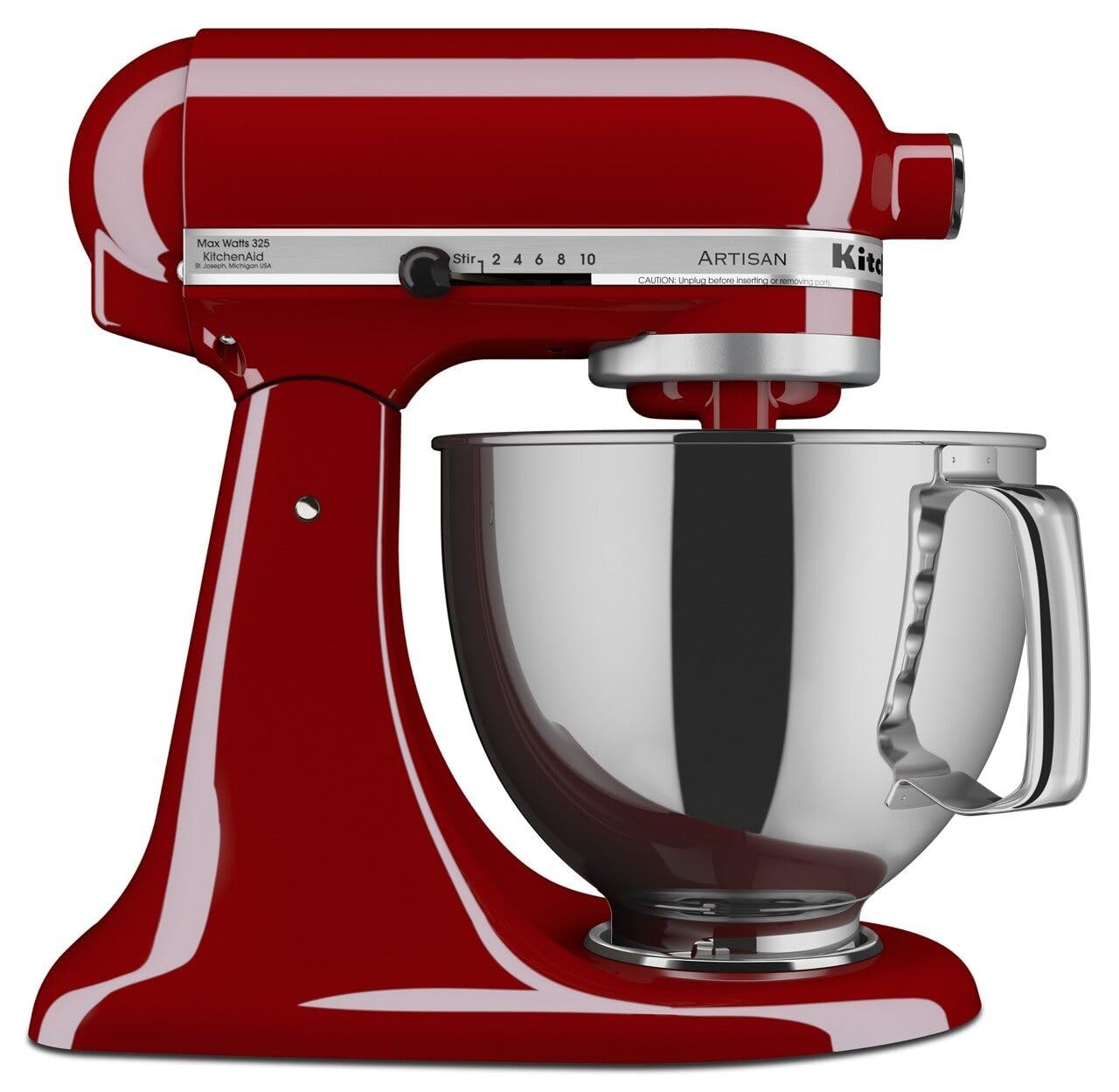
KitchenAid Artisan 5-Quart Stand Mixer (KSM150PS)
10 speeds handle everything from meringue to bread dough
Buy on Amazon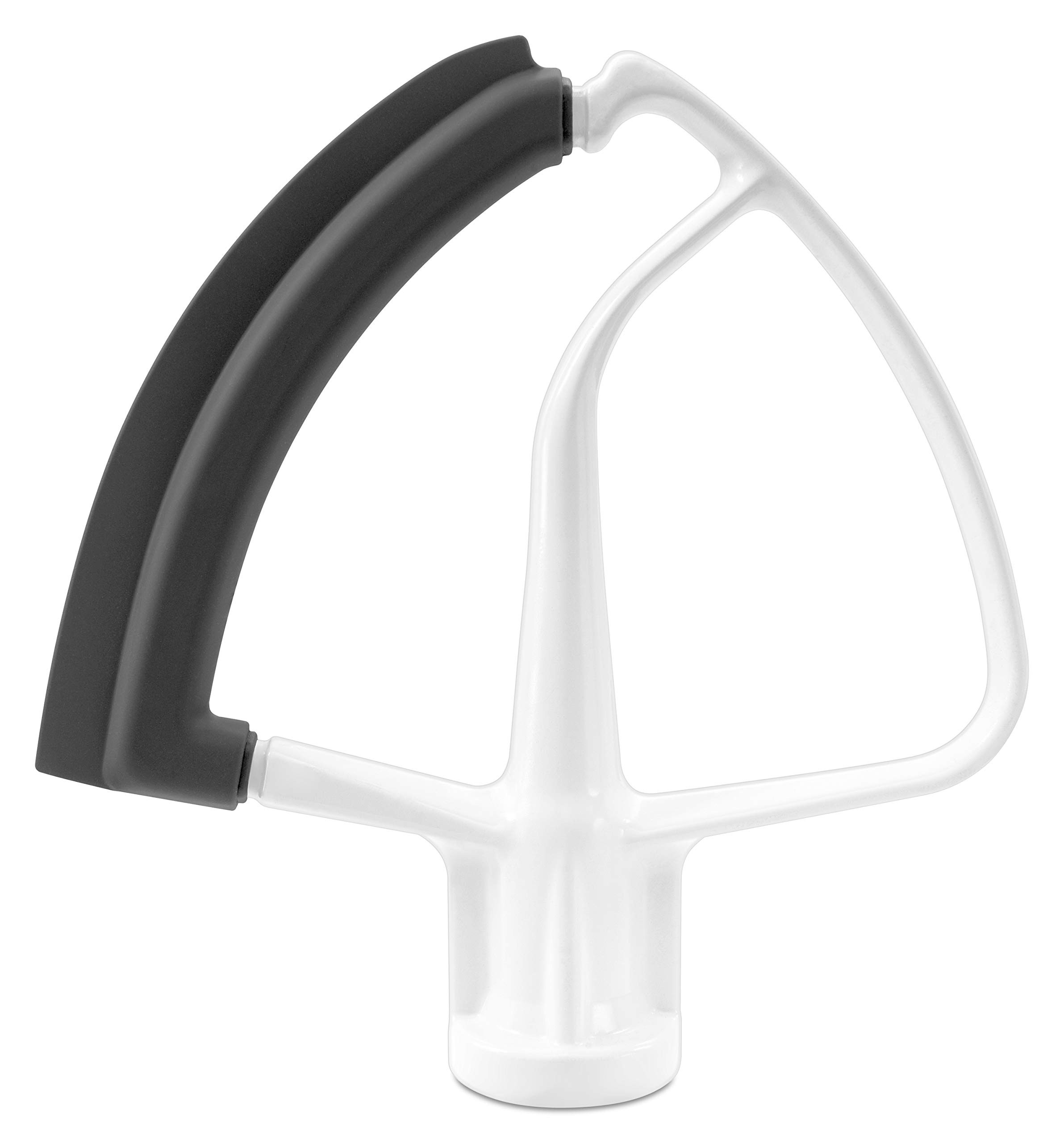
KitchenAid Flex Edge Beater
Flexible silicone edge scrapes the bowl sides automatically during mixing
Buy on Amazon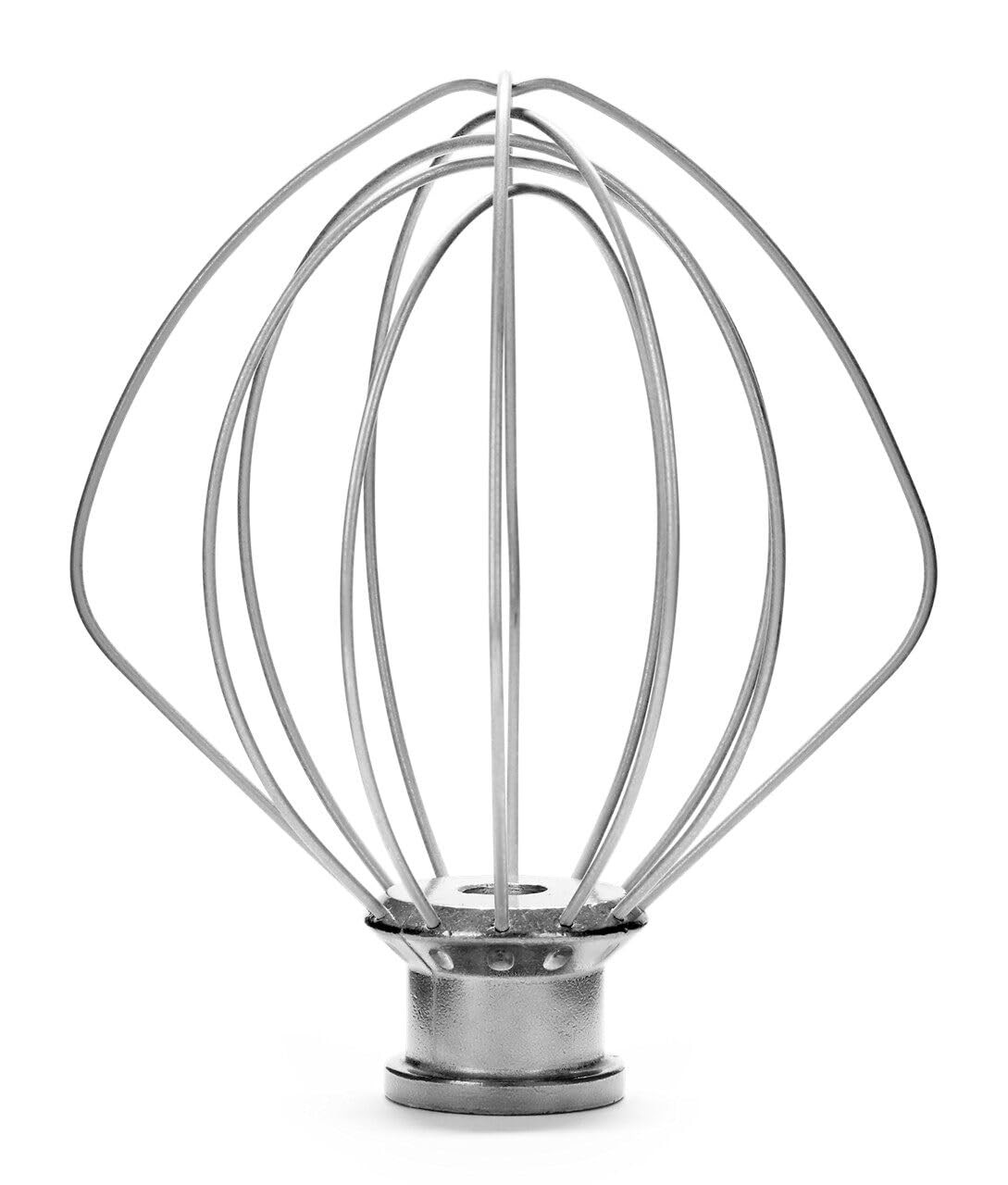
KitchenAid 5-Quart Wire Whip
Thin wires incorporate maximum air , ideal for meringue, whipped cream, and mousse
Buy on Amazon| Product | Price Range | Top Strength | Key Weakness | Buy |
|---|---|---|---|---|
| KitchenAid Artisan 5-Quart Stand Mixer (KSM150PS) best overall | $$$ | 10 speeds handle everything from meringue to bread dough | Expensive , over $400 at full retail | Buy on Amazon |
| KitchenAid Flex Edge Beater also consider | $ | Flexible silicone edge scrapes the bowl sides automatically during mixing | Silicone edge can wear over time with heavy use | Buy on Amazon |
| KitchenAid 5-Quart Wire Whip also consider | $ | Thin wires incorporate maximum air , ideal for meringue, whipped cream, and mousse | Single-purpose , not useful for mixing dense doughs or batters | Buy on Amazon |
| KitchenAid Dough Hook (Spiral) also consider | $ | Spiral design is more efficient at developing gluten than the old C-hook | Not effective below 2 cups of flour , too little dough for the hook to grab | Buy on Amazon |
| KitchenAid Pasta Roller and Cutter Attachment Set also consider | $$ | Rolls pasta to eight thicknesses , the full range from lasagna sheets to angel hair | Significant upfront cost on top of the mixer investment | Buy on Amazon |
If you’ve spent any time looking into stand mixer accessories, you’ve probably noticed that the search term “Hobart stand mixer attachments” turns up a lot of KitchenAid results. That’s not a mistake. KitchenAid’s residential mixers descend directly from the Hobart commercial line, and the attachment hub on a KitchenAid Artisan 5-Quart Stand Mixer (KSM150PS) uses the same basic interface concept as Hobart’s professional equipment. The attachment ecosystem is the main reason to buy into this platform at all. If you’re here because you own a KitchenAid and want to know which attachments are worth buying, or because you’re considering buying the mixer and want to understand what you’re actually paying for, this guide covers both.
You can browse the full Stand Mixers category for context on how the KitchenAid fits against other platforms, but the short version is: no competitor at this price point matches the attachment library.
What to Look For in Stand Mixer Attachments
Fit and Compatibility First
KitchenAid has made several bowl sizes and two head configurations over the decades: tilt-head and bowl-lift. Most attachments specify which models they fit. The three core attachments (flat beater, wire whip, dough hook) are bowl-size dependent. The power hub attachments (pasta roller, meat grinder, etc.) fit all KitchenAid models with the hub port, regardless of bowl size. Check the model number on your mixer before ordering anything.
Material and Durability
The attachments that came with your mixer are likely coated steel or aluminum. KitchenAid also sells stainless steel versions of the core attachments, which are dishwasher safe and don’t have the coating-wear concerns. If you’re buying replacements or upgrades, stainless is the better long-term choice.
What the Attachment Actually Does
There’s a real pattern with stand mixer attachments: people buy them once, use them twice, and then wonder why the drawer is full. The three core attachments (beater, whip, hook) are the ones you’ll use weekly. The power hub attachments (pasta, meat grinder, grain mill) are worth buying only if you have a specific, recurring use case. A pasta roller earns its cost if you make fresh pasta four times a year. It doesn’t if you made pasta once and forgot about it.
Top Picks
KitchenAid Artisan 5-Quart Stand Mixer (KSM150PS)
The KitchenAid Artisan 5-Quart Stand Mixer (KSM150PS) is the default recommendation for most home bakers, and the reason is the attachment system, not the mixer itself. Ten speeds handle everything from stiff bread dough at low speed to meringue at speed 10. Planetary mixing action means the beater covers the entire bowl rather than orbiting a fixed path. In practice, this means fewer unmixed pockets at the bottom.
The 5-quart bowl is the limitation worth knowing about. A double batch of a dense bread dough will push the limits, and you may find yourself eyeing the 6-quart Professional model if you bake in volume. For most home cooks making single loaves, standard cake batches, and cookie dough, the 5-quart is fine.
Pricing sits firmly in premium territory. Check current price on Amazon, because it fluctuates considerably, but at full retail this is a real investment. The justification is the attachment library: if you buy the mixer and then add three or four attachments over the years, the per-use cost starts to make sense. If you’re buying it to make one type of thing and nothing else, there are cheaper options.
KitchenAid Flex Edge Beater
The KitchenAid Flex Edge Beater is the attachment most buyers don’t know exists, and it’s the one I’d tell most people to add first. The silicone edge on the beater scrapes the bowl sides automatically as it mixes. If you’ve ever stopped a mixer three times mid-recipe to push batter off the bowl walls with a spatula, that’s what this fixes.
It’s budget-priced, works on cookie dough, cake batters, mashed potatoes, and most medium-density mixing tasks. The silicone edge does wear over time with heavy use (I noticed softening on mine after about two years of frequent use, which I realize is a specific complaint but worth knowing). For very stiff doughs, use the standard beater or the dough hook instead. The flex edge isn’t designed for resistance.
KitchenAid 5-Quart Wire Whip
The KitchenAid 5-Quart Wire Whip does one thing: incorporate air. Meringue, whipped cream, mousse, chiffon cake batter. Stainless steel, dishwasher safe, and in the budget price range. The speed-to-incorporation ratio is fast enough that you need to watch closely at high speed. Overwhipped cream takes about thirty seconds longer than you’d expect, and overwhipped egg whites are harder to recover than people assume.
The wire whip is not a substitute for the flat beater on anything with density. If you’re mixing a batter with butter in it, the whip will clog and drag. Use the beater. Use the whip for the moments when you need volume and lightness, and you’ll get consistent results.
If you’re interested in maximizing whipping performance, a copper bowl for KitchenAid mixer can make a measurable difference for egg whites, due to the ion reaction between copper and egg white proteins.
KitchenAid Dough Hook (Spiral)
The KitchenAid Dough Hook (Spiral) replaced the old C-hook in KitchenAid’s lineup, and the difference in gluten development is real. The spiral shape creates more contact with the dough on each rotation. Where the C-hook would sometimes just push the dough around the bowl, the spiral actually works it.
It fits all KitchenAid 5- and 6-quart tilt-head and bowl-lift mixers. Stainless steel, dishwasher safe, budget-priced as a replacement or upgrade.
Two practical limits. First, it doesn’t work well below about two cups of flour. The dough ball is too small for the hook to get purchase, and you’ll end up with a smacking sound and dough stuck to one side. Second, running it at medium-high speed for too long overdevelops gluten, which tightens the dough and makes it harder to shape. For most bread recipes, speed 2 for the first few minutes, then check.
For hand-kneading comparison: the hook outperforms most people’s hand-kneading on dense doughs like whole wheat or enriched breads because it maintains consistent pressure. Where hand-kneading remains preferable is with very wet doughs like ciabatta, where the stretch-and-fold technique builds structure better than mechanical kneading.
KitchenAid Pasta Roller and Cutter Attachment Set
The KitchenAid Pasta Roller and Cutter Attachment Set is the power hub attachment that earns its price for the right buyer. It rolls pasta to eight thicknesses, includes fettuccine and spaghetti cutters, and runs off the mixer motor so you’re not cranking a manual handle while trying to guide dough through with one hand.
Pricing is mid-range relative to the full attachment lineup, but it’s a meaningful add-on cost on top of the mixer itself. Compared to a manual pasta machine like the Marcato Atlas 150, the KitchenAid attachment is faster and more consistent in thickness. What it trades is texture. Hand-rolled or manually cranked pasta has slightly more surface irregularity, which holds sauce differently. Whether that matters depends on what you’re making. For lasagna sheets and fettuccine, the KitchenAid is excellent. For rustic tagliatelle where texture is part of the point, manual may serve better, though I appreciate that’s not everyone’s priority.
The motor-powered rolling is the real advantage. Once you’ve sheeted pasta with two hands free to guide and catch the dough, it’s hard to go back to holding the handle with one hand.
How to Choose
Start with what you actually cook. If you bake bread weekly, the spiral dough hook is the first add-on to buy. If you make cakes and cookies, the Flex Edge Beater will improve your workflow immediately. If you bake anything that requires whipped egg whites or cream, the wire whip is not optional.
For power hub attachments, the honest question is frequency. The pasta set earns its cost at roughly four or more uses per year. Below that, a manual pasta machine is a cheaper and arguably more satisfying tool. The same logic applies to the meat grinder attachment and the grain mill. These are excellent attachments if you use them. They’re expensive drawer occupants if you don’t.
On the mixer itself: the KitchenAid Artisan 5-Quart Stand Mixer (KSM150PS) is the right base for most home cooks. Its premium price is real, and you should compare it against current pricing on Amazon before buying. The 5-quart bowl limitation matters most to high-volume bread bakers. If that’s you, look at the 6-quart Professional model before committing.
The fuller picture on how the KitchenAid platform compares to alternatives is in the mixer buying guides on this site, where I cover bowl-lift vs tilt-head configurations and how the KitchenAid stacks up against commercial options.
Frequently Asked Questions
Are Hobart stand mixer attachments compatible with KitchenAid mixers?
Not directly. KitchenAid’s residential mixers share a design lineage with Hobart commercial equipment, but the attachment interfaces are different sizes. Commercial Hobart attachments will not fit a residential KitchenAid. KitchenAid makes its own attachment line specifically for its home models, and those are what this guide covers.
What is the difference between the flat beater and the Flex Edge Beater?
The standard flat beater is a rigid aluminum attachment used for mixing batters, doughs, and anything at medium density. The Flex Edge Beater is an upgraded version with a silicone edge that scrapes the bowl sides automatically during mixing. For most cookie and cake work, the Flex Edge is worth the modest price difference because it eliminates manual scraping stops.
Which KitchenAid dough hook should I buy, the spiral or the C-hook?
The spiral hook, if your mixer accepts it. KitchenAid’s spiral dough hook develops gluten more efficiently than the older C-hook because the spiral shape maintains better contact with the dough mass throughout each rotation. The C-hook is still effective, but if you’re replacing a worn hook or upgrading, get the spiral.
Can I use pasta roller attachments on older KitchenAid models?
The pasta roller and cutter set works with any KitchenAid stand mixer that has the power hub port on the front of the head. This includes most models made in the last several decades. The attachment connects to the power hub and runs off the motor, so as long as your mixer has that port, compatibility is not usually an issue. Verify your specific model number with KitchenAid if your machine is more than 20 years old.
How do I know when to use the whip vs the beater vs the dough hook?
The wire whip is for air incorporation: meringues, whipped cream, chiffon batters, mousse. The flat beater (or Flex Edge Beater) is for medium-density mixing: cookie dough, cake batter, mashed potatoes, frosting. The dough hook is for anything with significant gluten development: bread dough, pizza dough, bagel dough. The crossover point between beater and hook is roughly when your dough becomes too stiff to pull away from a spatula cleanly. At that point, switch to the hook.
Frequently Asked Questions
Are Hobart stand mixer attachments compatible with KitchenAid mixers?
KitchenAid residential mixers share design heritage with Hobart commercial equipment, and some attachment hubs use a similar interface concept, but commercial Hobart attachments are not directly interchangeable with KitchenAid residential mixers. KitchenAid attachments are specific to KitchenAid's attachment hub.
What attachments come standard with the KitchenAid Artisan 5-quart mixer?
The KitchenAid Artisan 5-quart comes with a flat beater, dough hook, and wire whip as standard attachments. These three cover the majority of home baking tasks including cookies, bread dough, and whipped egg whites.
What is the best KitchenAid attachment for bread dough?
The spiral dough hook is the best attachment for bread dough. Its spiral design develops gluten more efficiently than the older C-hook design and works best when you have at least 2 cups of flour in the bowl for the hook to grip the dough.
Can you make pasta with a KitchenAid stand mixer?
Yes. The KitchenAid pasta roller and cutter attachment set connects to the power hub and rolls fresh pasta dough to eight different thicknesses. It includes fettuccine and spaghetti cutters, and additional shapes like rigatoni and ravioli require separate attachments.
What is the difference between the standard flat beater and the flex edge beater?
The standard flat beater requires stopping the mixer periodically to scrape the bowl sides by hand. The flex edge beater has a flexible silicone edge that automatically scrapes the bowl during mixing, which saves time and ensures more even incorporation — worth the upgrade for frequent bakers.
Where to Buy
KitchenAid Artisan 5-Quart Stand Mixer (KSM150PS)See KitchenAid Artisan 5-Quart Stand Mixe… on Amazon