HexClad Utensil Set Review: Worth the Cost?

Affiliate disclosure: Some links on this page are affiliate links. If you buy through them we earn a small commission at no extra cost to you. Recommendations are research-driven; we don't claim personal use of every product reviewed. Product prices and availability are accurate as of the date published and are subject to change. Always check Amazon for current pricing before purchasing. Learn more.

Quick Picks
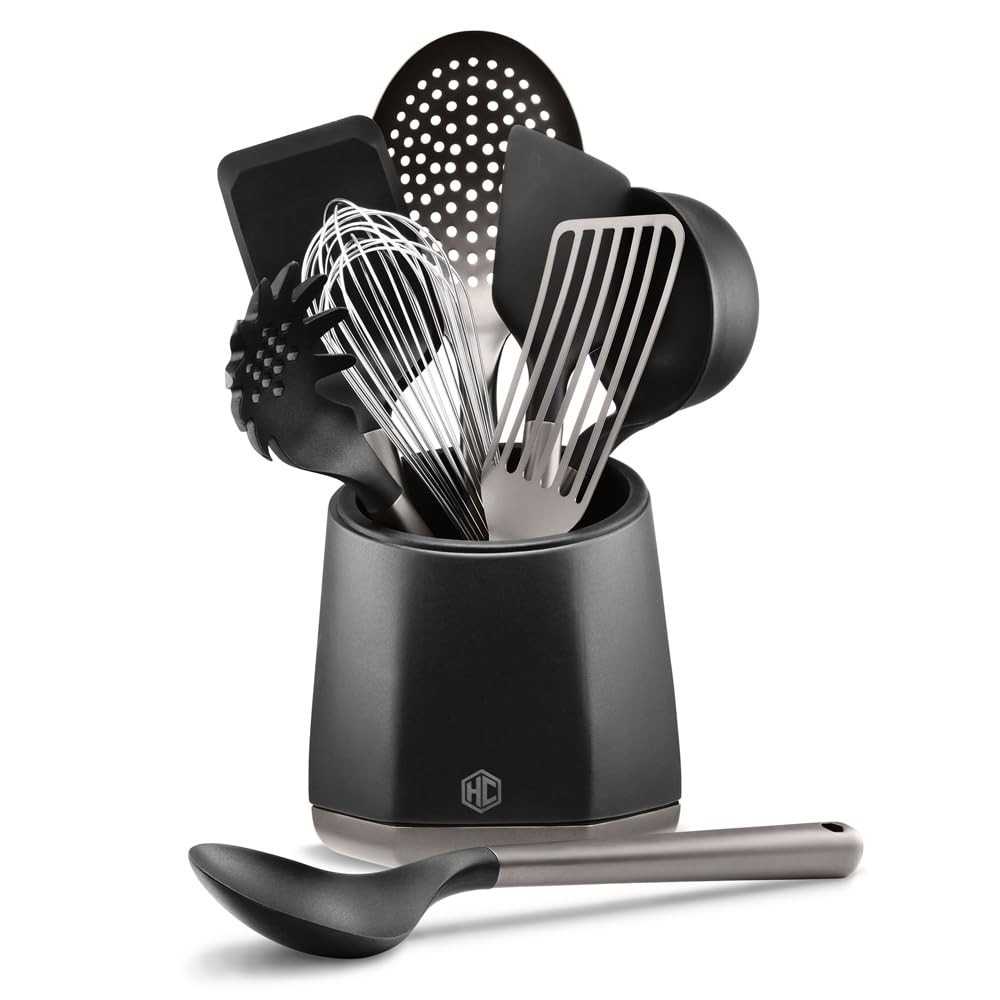
HexClad Utensil Set (6-Piece)
Stainless and silicone construction , safe for hybrid and standard nonstick surfaces
Buy on Amazon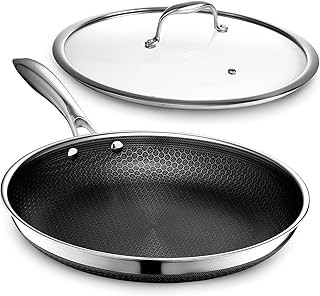
HexClad 12-Inch Hybrid Stainless/Nonstick Pan
Hybrid hexagonal surface combines stainless searing with nonstick release
Buy on Amazon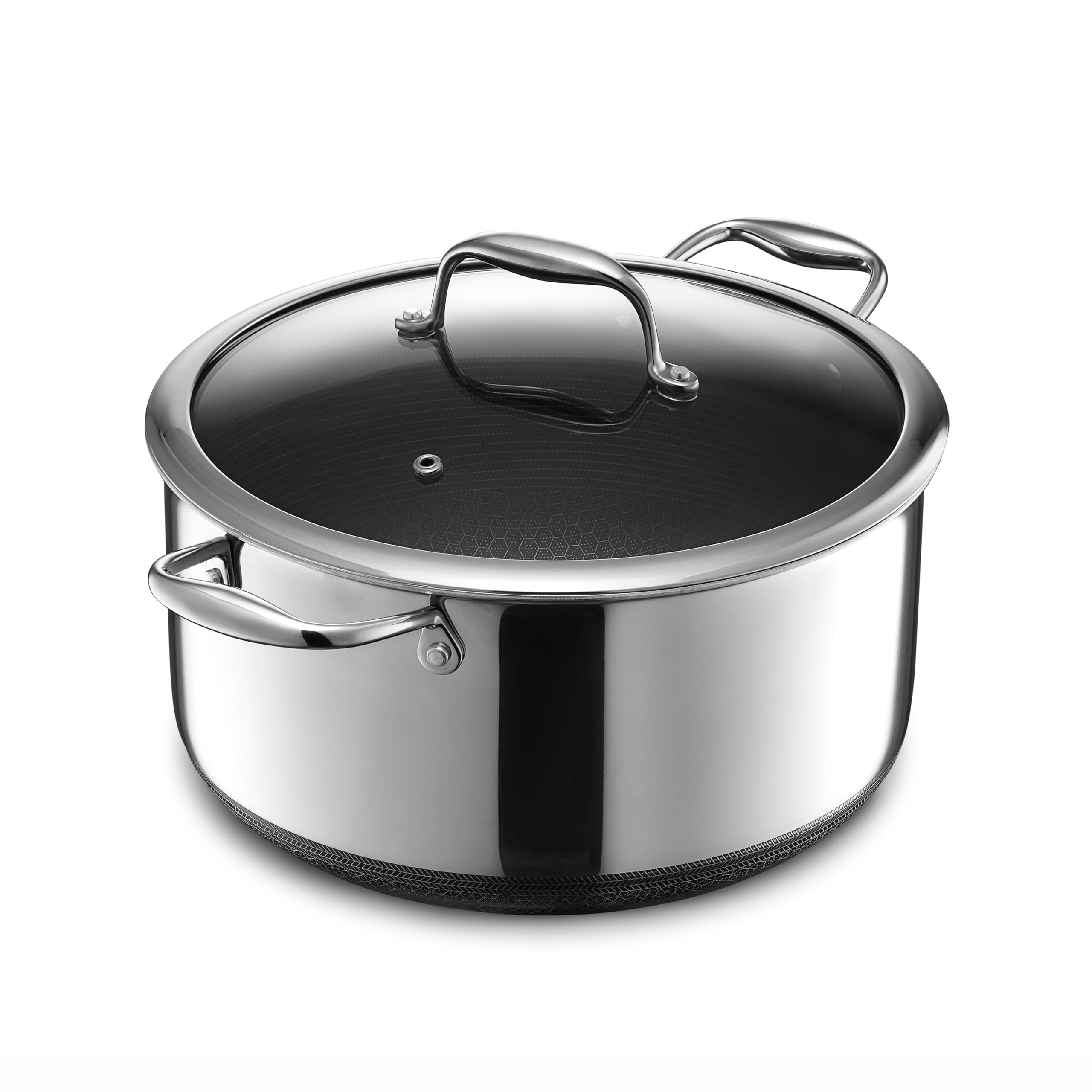
HexClad 8-Quart Hybrid Stock Pot
Nonstick release in a stockpot , makes cleaning chili, soups, and stews much easier
Buy on Amazon| Product | Price Range | Top Strength | Key Weakness | Buy |
|---|---|---|---|---|
| HexClad Utensil Set (6-Piece) best overall | $$ | Stainless and silicone construction , safe for hybrid and standard nonstick surfaces | Premium price for kitchen utensils | Buy on Amazon |
| HexClad 12-Inch Hybrid Stainless/Nonstick Pan also consider | $$$ | Hybrid hexagonal surface combines stainless searing with nonstick release | Very expensive for a nonstick-category pan | Buy on Amazon |
| HexClad 8-Quart Hybrid Stock Pot also consider | $$$ | Nonstick release in a stockpot , makes cleaning chili, soups, and stews much easier | Extremely expensive for a stockpot | Buy on Amazon |
| Caraway Home Cookware Set (7-Piece) also consider | $$ | Complete set covers most cooking needs , sauce, saute, fry, and Dutch oven | Ceramic coating lifespan is typically 1-3 years with regular use | Buy on Amazon |
If you’ve been looking at HexClad cookware and wondering whether a matching utensil set is worth the premium, you’re asking the right question. The short answer is: probably not, unless you’re already committed to the HexClad ecosystem. But that’s getting ahead of things. This guide covers the HexClad Utensil Set (6-Piece) specifically, and then the cookware pieces worth pairing it with, because a utensil set without context is a marketing exercise. The broader landscape of nonstick and hybrid cookware options lives over at Nonstick & Ceramic if you want to read more widely before committing.
What to Look For in a Hybrid and Nonstick Utensil Set
Most kitchen utensil sets fail in one of three ways. The silicone degrades and smells. The handles loosen after a year of hot water. Or the set comes with eight spatulas and no ladle. Before price matters, those are the baseline problems worth screening for.
Material Compatibility
If you cook on nonstick or ceramic surfaces, the utensil material is not optional. Metal on standard nonstick PTFE removes the coating faster than any misuse warning on the box will tell you. Silicone-tipped tools are the standard fix, and they work, but silicone has a durability ceiling. Thin silicone cracks around the metal core after repeated high-heat exposure. The better construction uses thicker silicone with full stainless steel handles, not hollow plastic with a silicone overlay.
For hybrid pans like HexClad, the surface claim is that the raised hex peaks take the metal utensil contact rather than the nonstick valleys. That claim is accurate enough in practice. If you’re cooking on HexClad, you can use metal tools, but silicone-and-stainless tools are a reasonable middle ground for anyone using multiple pan types in the same kitchen.
Magnetic Storage
This matters more than it sounds. A counter-standing crock works until it gets greasy. Drawer storage works until you need the tongs and pull out everything else first. Magnetic wall or countertop blocks keep tools accessible and clean. Not every utensil set includes one, so it’s worth checking before purchase.
Set Composition
Six pieces covers most cooking needs. A solid turner, a slotted spoon, a solid spoon, a ladle, tongs, and a pasta fork. Fewer and you’re missing daily tools. More and you’re paying for redundancy. Check the actual piece list before assuming.
Top Picks
HexClad Utensil Set (6-Piece)
The HexClad Utensil Set (6-Piece) is a mid-range set with a specific appeal: it’s designed to match HexClad cookware aesthetically and functionally. The stainless and silicone construction is safe on hybrid and standard nonstick surfaces, the magnetic storage block keeps the counter organized without a crock, and the build quality is meaningfully better than a budget set from a big-box store.
The honest version of this product is that it costs more than comparable stainless-and-silicone sets from OXO or Cuisinart, and the extra cost buys you the aesthetic match and the magnetic block. The silicone handles cook identically to those alternatives. If you care about your tools matching your pans, that’s a real preference and it’s fine to spend accordingly. If you don’t, the function is identical to cheaper alternatives and you should spend less.
My advice would be: if you’ve already bought into HexClad cookware, this set makes sense as a completion purchase. If you haven’t, start with the pans.
HexClad 12-Inch Hybrid Stainless/Nonstick Pan
The HexClad 12-Inch Hybrid Stainless/Nonstick Pan is the flagship product, and it’s worth being direct about the claim it makes. The hybrid hexagonal surface is pitched as giving you searing capability from the raised stainless peaks and nonstick release from the coated valleys. That’s an actual engineering feature, not just branding.
In practice, the pan does sear. It does release. The question is whether it replaces a dedicated All-Clad D3 skillet plus a dedicated nonstick like the T-fal E93808, which I cooked with for years before testing hybrid options. The honest answer is: not quite either, but a reasonable compromise. The sear isn’t as strong as bare stainless because you don’t have full metal contact. The nonstick release isn’t as effortless as a standard PTFE coating because the texture interrupts it slightly. What you get is a pan that handles both functions adequately in one piece, is oven-safe to 500°F, carries a lifetime warranty, and won’t need replacing when you use a metal spatula.
Premium pricing for this category. Heavier than standard nonstick, which matters if wrist fatigue or one-handed maneuvering is part of your daily cooking. Worth it for people who want one skillet to do most things. Not worth it if you’re willing to maintain two dedicated pans.
If you cook on induction and are curious how hybrid surfaces perform on that format, the induction cookware griddle piece here gets into some of the relevant heat distribution specifics.
HexClad 8-Quart Hybrid Stock Pot
The HexClad 8-Quart Hybrid Stock Pot is a premium product solving a problem that is real but not universal. Nonstick release in a stockpot matters for things like chili, thick soups, or tomato-based sauces where sugars and proteins stick to a bare stainless bottom and require deglazing or soaking. The hybrid surface handles this. It also means browning aromatics before adding liquid is notably easier to clean afterward.
That said, a standard tri-ply stainless stockpot does all of those things with a wooden spoon and some attention. The stuck-on fond from onions and garlic is usually desirable flavor that lifts with liquid anyway. The nonstick feature in a stockpot is a comfort, not a necessity, and at premium pricing, that distinction matters.
For someone building a complete HexClad kitchen, this pot fits the set and the warranty structure holds. For someone evaluating stockpots independently, there are stainless options at a fraction of the price that perform identically for stocks, braises, and soups. (I want to be fair here: the ease of cleanup after a long-cooked chili really is better with the hybrid surface. Whether that’s worth the premium is a personal call.)
Caraway Home Cookware Set (7-Piece)
The Caraway Home Cookware Set (7-Piece) is the alternative to the HexClad ecosystem for buyers who want a complete set at mid-range pricing with strong aesthetic coherence. It covers the core cooking needs: sauce pan, saute pan, fry pan, and Dutch oven, with lids and an included storage system. The magnetic pan rack and canvas lid holder are genuinely useful, not gimmicks.
The ceramic coating performs well for the first year or two. This is where I need to be direct: ceramic coatings are not lifetime purchases. With regular daily use, you’re looking at one to three years before the release degrades noticeably. For a set at mid-range pricing, that replacement cycle is a real consideration. It’s not a flaw unique to Caraway, it applies across ceramic-coated cookware, but it affects the math on what you’re actually paying per year of use.
If you want to understand more about how Caraway constructs its pans and where they’re made before buying, the Where Are Caraway Pans Made piece covers the manufacturing details. And if you’re deciding between Caraway and another complete-set option, Caraway or Our Place works through that specific comparison.
The Caraway set is a reasonable choice for someone who wants a cohesive, functional kitchen setup without the premium tier commitment of HexClad. Go in knowing it’s a 2-to-3-year purchase, not a 10-year one.
How to Choose
The actual decision here isn’t utensil set versus no utensil set. It’s about which cookware system, if any, you’re committing to.
If you want one hybrid pan that handles most tasks and you’re willing to pay premium pricing for a lifetime warranty and genuine metal-utensil safety, the HexClad 12-inch is the anchor purchase. The utensil set is a reasonable companion. The stock pot is for buyers who want to extend the system.
If you want a complete set at mid-range pricing and ceramic coating’s surface release characteristics appeal to you, the Caraway set covers most kitchens well. Budget for replacement at the three-year mark. Use the silicone tools that come recommended for ceramic surfaces, which is covered more broadly in our Nonstick & Ceramic section.
If you’re evaluating this from a performance-per-dollar standpoint, neither HexClad nor Caraway wins against a dedicated stainless skillet plus a budget nonstick. The premium you pay for either brand buys convenience, aesthetics, and in HexClad’s case, the hybrid engineering. Those are real things. They’re just not performance gains.
One question worth asking before purchase: do you cook on induction? HexClad is induction-compatible. Caraway is also induction-compatible. If you’re in the market for cookware specifically designed around induction cooking, you may also want to look at Viking induction cookware as a comparison point at the premium end of that category.
Check current pricing on Amazon before deciding. The gap between mid-range and premium pricing in cookware shifts frequently with sales and bundles, and the relative value changes with it.
Frequently Asked Questions
Are HexClad utensils actually necessary for HexClad pans?
No. HexClad pans are metal-utensil safe, so any stainless or silicone tool works without damaging the surface. The HexClad utensil set is an aesthetic and convenience purchase. A silicone-and-stainless set from OXO or Cuisinart performs identically at lower mid-range pricing.
How long does the HexClad hybrid coating last?
HexClad markets the pan with a lifetime warranty, and the hybrid design is more durable than standard nonstick because the raised stainless peaks take most of the utensil contact rather than the coated valleys. Real-world durability depends on heat management. Avoid preheating an empty HexClad pan on high heat, which degrades any nonstick surface faster regardless of construction.
Is the Caraway set worth buying if the ceramic coating only lasts 1-3 years?
It depends on your expectations. At mid-range pricing, if you get three years of reliable nonstick performance from a complete set with good storage, the annual cost may be acceptable. The mistake is buying it expecting a lifetime purchase. Caraway is a premium everyday set with a finite coating lifespan, not an heirloom piece.
Can the HexClad stock pot go in the oven?
Yes. HexClad’s hybrid cookware line, including the 8-quart stock pot, is oven-safe. Check the current product listing on Amazon for the specific temperature rating before use, as oven-safe limits can vary by product generation and the handle construction matters for the rating.
What’s the difference between HexClad and Caraway for daily cooking?
HexClad uses a stainless and PTFE hybrid surface that handles higher heat and metal tools, positions itself as a long-term investment, and charges premium pricing accordingly. Caraway uses a ceramic coating without PTFE, has a gentler release surface that works well at low to medium heat, comes in multiple colorways, and sits at mid-range pricing. For high-heat searing or oven finishing, HexClad handles it better. For low-maintenance daily cooking where aesthetics matter, Caraway is the more practical choice until the coating cycle requires replacement.
Frequently Asked Questions
Can you use the HexClad utensil set on standard nonstick pans?
Yes. The HexClad utensil set uses stainless and silicone construction that is safe for both hybrid HexClad surfaces and standard PTFE or ceramic nonstick pans. The silicone tips protect delicate coatings during everyday cooking.
What is included in the HexClad utensil set?
The HexClad 6-piece utensil set includes a slotted spatula, solid spatula, slotted spoon, solid spoon, ladle, and pasta fork, plus a magnetic storage block that keeps them organized on the counter without a utensil crock.
Is the HexClad utensil set dishwasher safe?
HexClad utensils are listed as dishwasher safe, but hand washing is recommended to preserve the silicone tips and prevent any loosening of the handle connections over time. High-heat dishwasher cycles can accelerate silicone wear.
Do I need HexClad utensils to use with HexClad pans?
No. Because HexClad pans have metal utensil-safe stainless peaks, you can use any metal, silicone, or wooden utensil without damaging the surface. The utensil set is a premium add-on, not a requirement for protecting the cookware.
Is the HexClad utensil set worth the price compared to alternatives?
For most cooks, silicone utensil sets from OXO Good Grips or GIR offer comparable performance at a fraction of the price. The HexClad set adds the magnetic storage block and brand matching, which are worth paying for only if aesthetics and set cohesion matter to you.
Where to Buy
HexClad Utensil Set (6-Piece)See HexClad Utensil Set (6-Piece) on Amazon