Honing Steel vs Knife Sharpener: Key Differences

Affiliate disclosure: Some links on this page are affiliate links. If you buy through them we earn a small commission at no extra cost to you. Recommendations are research-driven; we don't claim personal use of every product reviewed. Product prices and availability are accurate as of the date published and are subject to change. Always check Amazon for current pricing before purchasing. Learn more.

Quick Picks
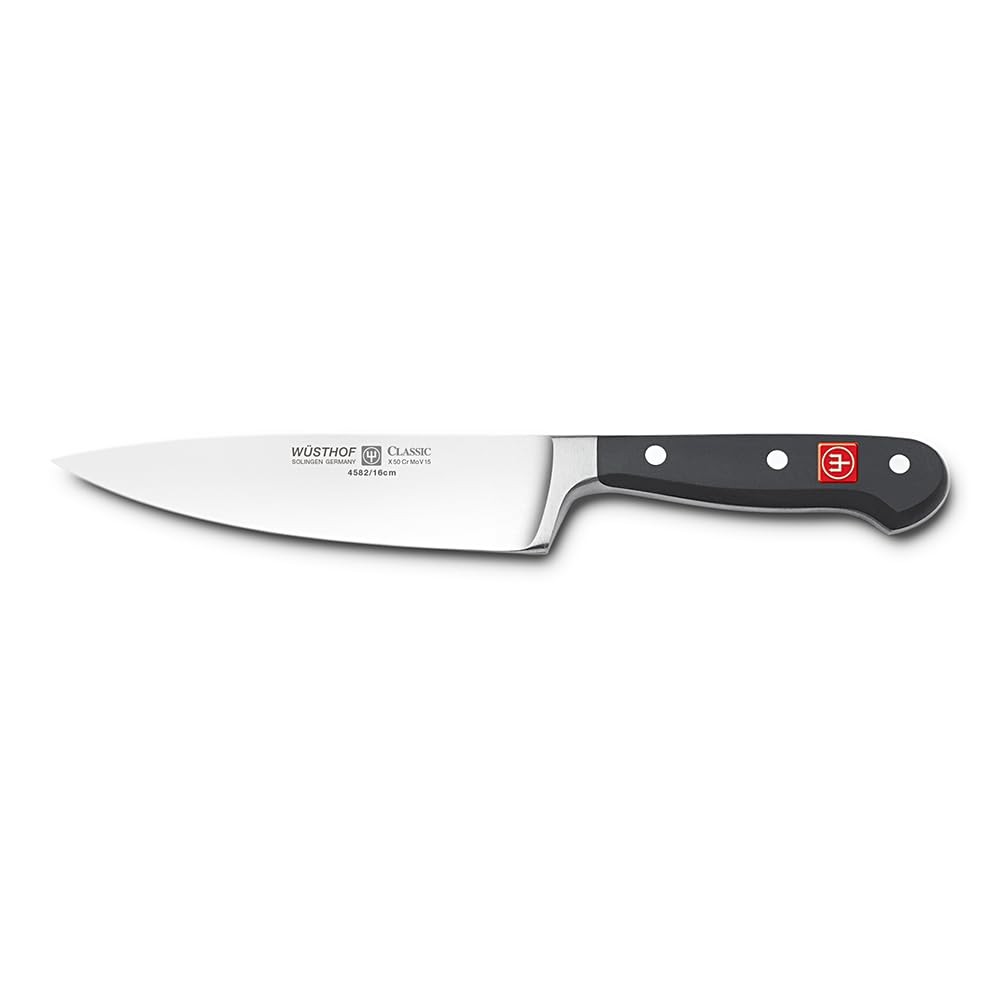
Wüsthof Knife Honing Steel 10-Inch
Regular honing maintains edge alignment between sharpenings
Buy on Amazon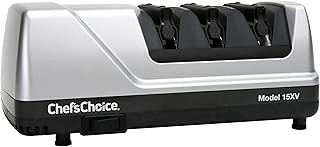
Chef'sChoice 15 Trizor XV Electric Knife Sharpener
Converts knives from 20° factory edge to a sharper 15° edge in three stages
Buy on Amazon| Product | Price Range | Top Strength | Key Weakness | Buy |
|---|---|---|---|---|
| Wüsthof Knife Honing Steel 10-Inch also consider | $$ | Regular honing maintains edge alignment between sharpenings | Not suitable for harder Japanese steel above 60 HRC , use a ceramic rod instead | Buy on Amazon |
| Chef'sChoice 15 Trizor XV Electric Knife Sharpener also consider | $$ | Converts knives from 20° factory edge to a sharper 15° edge in three stages | Removes more metal per sharpening than a whetstone , reduces blade lifespan over years | Buy on Amazon |
Most home cooks use a honing steel and a knife sharpener as if they’re interchangeable. They are not. One realigns metal that has bent out of position. The other removes metal to create a new edge entirely. Using the wrong one at the wrong time either does nothing useful or shortens the life of a knife you paid real money for. This article covers what each tool actually does, when to reach for which, and what to buy if you’re only buying one to start. You can find broader context on our Knives & Sharpeners hub if you want to read around the topic.
What Each Does
A Honing Steel Straightens. It Does Not Sharpen.
A knife edge, examined under magnification, looks like a row of microscopic teeth. Every time that edge contacts a cutting board, those teeth flex. Over dozens of uses, they bend to one side or the other. The blade feels dull, but the steel hasn’t actually worn away. It’s just misaligned.
A honing steel pushes those teeth back into line. No metal is removed. The edge is restored to its original geometry. That’s it.
The Wüsthof 10-Inch Honing Steel is the version I’d point most German knife owners toward. It’s mid-range pricing, well-balanced in hand, and the ridged steel surface is appropriate for the softer Western alloys that Wüsthof, Zwilling, and similar manufacturers use. If you own a Zwilling J.A. Henckels Chef Knife or a Zwilling Henckels Santoku Knife, this is the maintenance tool those blades were designed around.
One firm caveat. If your knives are harder Japanese steel at 60 HRC or above, a ridged steel rod is the wrong tool. The hardness difference between rod and blade is too narrow, and you risk chipping the edge rather than aligning it. For Japanese knives, use a ceramic honing rod instead.
Technique also matters more than most people expect. Holding a consistent 15 to 20 degree angle on each pass is not difficult, but it requires attention the first few times. An improper angle doesn’t straighten the edge. It deforms it further. (I timed myself learning a consistent stroke: about three sessions before it stopped requiring active concentration.)
A Knife Sharpener Removes Metal to Create a New Edge
When honing no longer restores cutting performance, the edge isn’t just misaligned. The steel has worn down to the point where there’s nothing useful left to realign. At that point, you need abrasion. Material has to come off the blade to expose fresh, sharp steel underneath.
That’s what a sharpener does. Whether it’s a whetstone, a pull-through device, or an electric unit, all of them remove metal. They differ in how much they remove, how precisely, and how much skill the user needs to get a consistent result.
The Chef’sChoice 15 Trizor XV Electric Knife Sharpener is the benchmark in electric sharpeners for home cooks who want consistent results without investing significant time in whetstone technique. It works in three stages. Stage one and two use diamond abrasives to reestablish and refine the edge. Stage three strops it. The distinctive feature is the angle: the Trizor XV converts factory edges from the standard Western 20-degree bevel to a 15-degree edge, which is steeper and noticeably sharper in practice.
That conversion is permanent, in the sense that once you’ve run a knife through stage one, the new geometry is set. For most Western knives, including a Mac Professional Series Chef’s Knife, that’s a worthwhile upgrade. The 15-degree edge holds well and slices more cleanly through food with less force.
The limitation is metal removal. Electric sharpeners, including this one, take off more material per session than a whetstone in skilled hands. Over years of regular sharpening, that adds up. A knife sharpened aggressively on an electric unit every few months will lose more blade height over a decade than the same knife touched periodically on a fine-grit stone. For a working knife you use daily, this is a real consideration. For most home cooks sharpening a knife two or three times per year, the difference is academic.
The Trizor XV also cannot sharpen single-bevel Japanese knives. Those require a flat stone and a different technique entirely.
When to Use Which
The practical rule is simple. Use the honing steel every time you cook, or at minimum every week. Use the sharpener when honing stops working.
If you’re prepping dinner and the knife is dragging rather than slicing, run it across the honing steel. Ten strokes per side, consistent angle. Most of the time, that’s enough to restore the edge you need to finish cooking.
If you’ve honed and the knife still isn’t cutting cleanly, the edge has worn past the point where alignment helps. Now you sharpen. For a home cook using a good chef’s knife four or five times a week, sharpening is typically needed two to four times per year. Some knives, depending on steel hardness and how they’re used, need it less.
The mistake most people make is skipping the honing step and reaching for the sharpener every time a knife feels off. Every sharpening session removes metal. Honing removes none. Regular honing means your knife reaches a sharpener session in better condition, removes less material to restore the edge, and lasts longer overall.
A secondary mistake is assuming any honing rod works for any knife. For harder Japanese blades like the Shun Premier Steak Knives, a ceramic rod or very fine-grit sharpening stone is appropriate. A coarse ridged steel rod on a hard Japanese blade is the wrong pairing.
Which to Buy First
If you own German-style Western knives and nothing else, buy the honing steel first.
Most home cooks don’t sharpen frequently enough to justify prioritizing a sharpener as the first purchase. Their knives are dull not because the edge is worn away, but because they’ve never honed consistently and the edge has been misaligned for months. A honing rod fixes that problem. It costs less than an electric sharpener and will improve daily cutting performance immediately.
The Wüsthof 10-Inch Honing Steel is a sound choice for that first purchase. It’s mid-range pricing for a tool that, with reasonable care, you’ll own for twenty years. The 10-inch length is appropriate for chef’s knives between 8 and 10 inches without feeling unwieldy.
Once you’ve established a honing habit and eventually find that honing is no longer restoring performance, then buy a sharpener. At that point, the decision between the Chef’sChoice Trizor XV and a quality whetstone depends on what you want from the process.
The Chef’sChoice 15 Trizor XV Electric Knife Sharpener is the right answer for most people. Mid-range pricing for the category, and it produces a genuinely sharp, consistent edge without requiring the user to develop freehand technique. If you’re cooking regularly and want your knives sharp without treating sharpening as a separate skill to practice, the electric route is sensible. Check the current price on Amazon before buying, as electric sharpener pricing shifts periodically.
A quality whetstone, typically a combination 1000/6000 grit, costs less and removes less metal per session. My advice would be to go that route if you’re willing to spend time learning the technique and value extending knife longevity over convenience. If that’s not where your patience sits, the Chef’sChoice is not a compromise.
What neither tool replaces is a cutting board that doesn’t destroy edges. Glass and ceramic boards wreck knives faster than any sharpener can compensate for. That’s a separate subject, but it affects everything discussed here.
For more on picking the right tools to go with your knives, the Knives & Sharpeners section covers individual knife reviews alongside accessory recommendations.
Frequently Asked Questions
Can I use a honing steel instead of a sharpener?
No. A honing steel realigns a bent edge. A sharpener removes metal to create a new one. If the edge is genuinely worn, honing will not restore it. The steel and the sharpener address different problems at different stages of edge wear.
How often should I use a honing steel?
For a knife used several times a week, honing before or after each cooking session is reasonable. At minimum, once a week. Honing is a low-effort habit that delays the need for sharpening and keeps your knife performing at a consistent level between sharpenings.
Will the Chef’sChoice Trizor XV work on Japanese knives?
It works on double-bevel Japanese knives and will convert them to a 15-degree edge. It cannot sharpen single-bevel Japanese knives, which require flat-stone technique. If you own a traditional single-bevel Japanese blade, this sharpener is not the right tool.
Does using an electric sharpener damage knives?
Over time, yes, relative to a whetstone used with good technique. Electric sharpeners remove more metal per session than a skilled whetstone user would. For most home cooks sharpening two to four times per year, the practical impact on knife lifespan is minor. The tradeoff is consistency and speed versus material conservation.
What angle should I use when honing?
For standard Western knives, 15 to 20 degrees per side. Most German knives are factory-set at 20 degrees. If you’ve converted a knife to a 15-degree edge using the Trizor XV, hone at 15 degrees to match. Consistency matters more than hitting an exact number. A few degrees of variation won’t ruin an edge, but switching angles unpredictably will.
Frequently Asked Questions
What is the difference between honing a knife and sharpening it?
Honing realigns the microscopic teeth of a knife edge that have bent out of position from use — no metal is removed. Sharpening removes metal with abrasives to create an entirely new edge. You should hone regularly and sharpen only when honing no longer restores cutting performance.
How often should I hone my knife versus sharpen it?
For a knife used daily in a home kitchen, hone before each use or every few uses and sharpen only 2-4 times per year. Over-sharpening removes more metal than necessary and shortens the knife's lifespan.
Can I use a honing steel on Japanese knives?
Not a ridged steel rod. Japanese knives are typically hardened above 60 HRC, which means a standard steel rod could chip the edge rather than align it. Use a smooth ceramic honing rod instead, which is gentler and appropriate for harder steel.
Does an electric knife sharpener like the Chef'sChoice Trizor XV shorten a knife's life?
Yes, over time. Electric sharpeners remove more metal per session than whetstones in skilled hands. For most home cooks sharpening 2-3 times per year, this difference is minimal over the knife's functional lifespan, but professional cooks who sharpen frequently will notice cumulative blade height loss.
What angle should I hold a honing steel?
Hold the knife at a 15 to 20 degree angle against the honing steel for each pass. Western German knives are typically ground at 20 degrees; Asian-style knives at 15 degrees. Maintaining a consistent angle on every stroke is more important than the exact degree — inconsistency compounds misalignment.
Where to Buy
Wüsthof Knife Honing Steel 10-InchSee Wüsthof Knife Honing Steel 10-Inch on Amazon