KitchenAid 8 Qt Mixer Buyer's Guide: Do You Really Need It

Affiliate disclosure: Some links on this page are affiliate links. If you buy through them we earn a small commission at no extra cost to you. Recommendations are research-driven; we don't claim personal use of every product reviewed. Product prices and availability are accurate as of the date published and are subject to change. Always check Amazon for current pricing before purchasing. Learn more.

Quick Picks
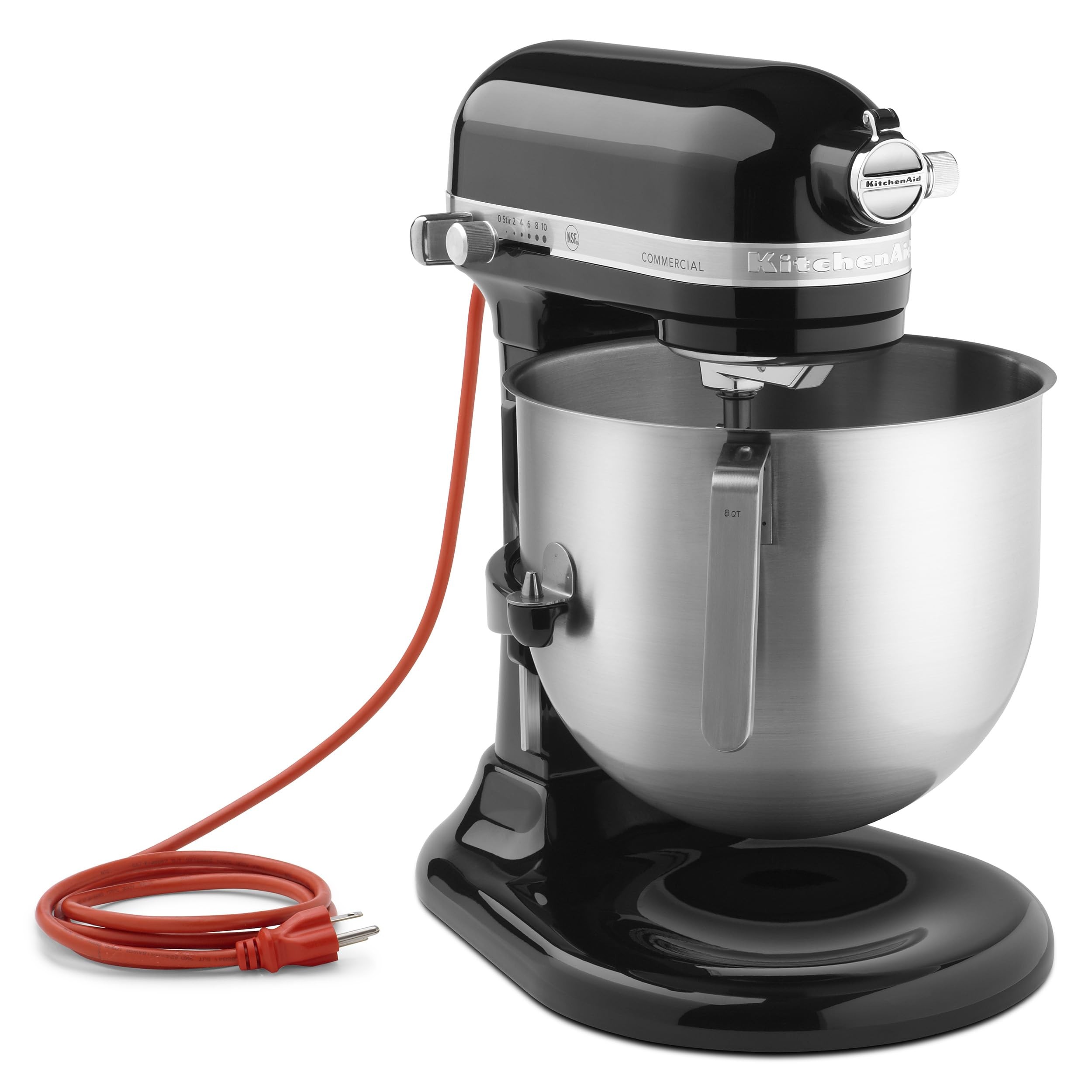
KitchenAid Commercial 8-Quart Stand Mixer (KSM8990)
8-quart bowl handles 14 dozen cookies or 8 loaves of bread at once
Buy on Amazon
KitchenAid Professional 600 6-Quart Stand Mixer
6-quart bowl handles double batches and heavy bread doughs with ease
Buy on Amazon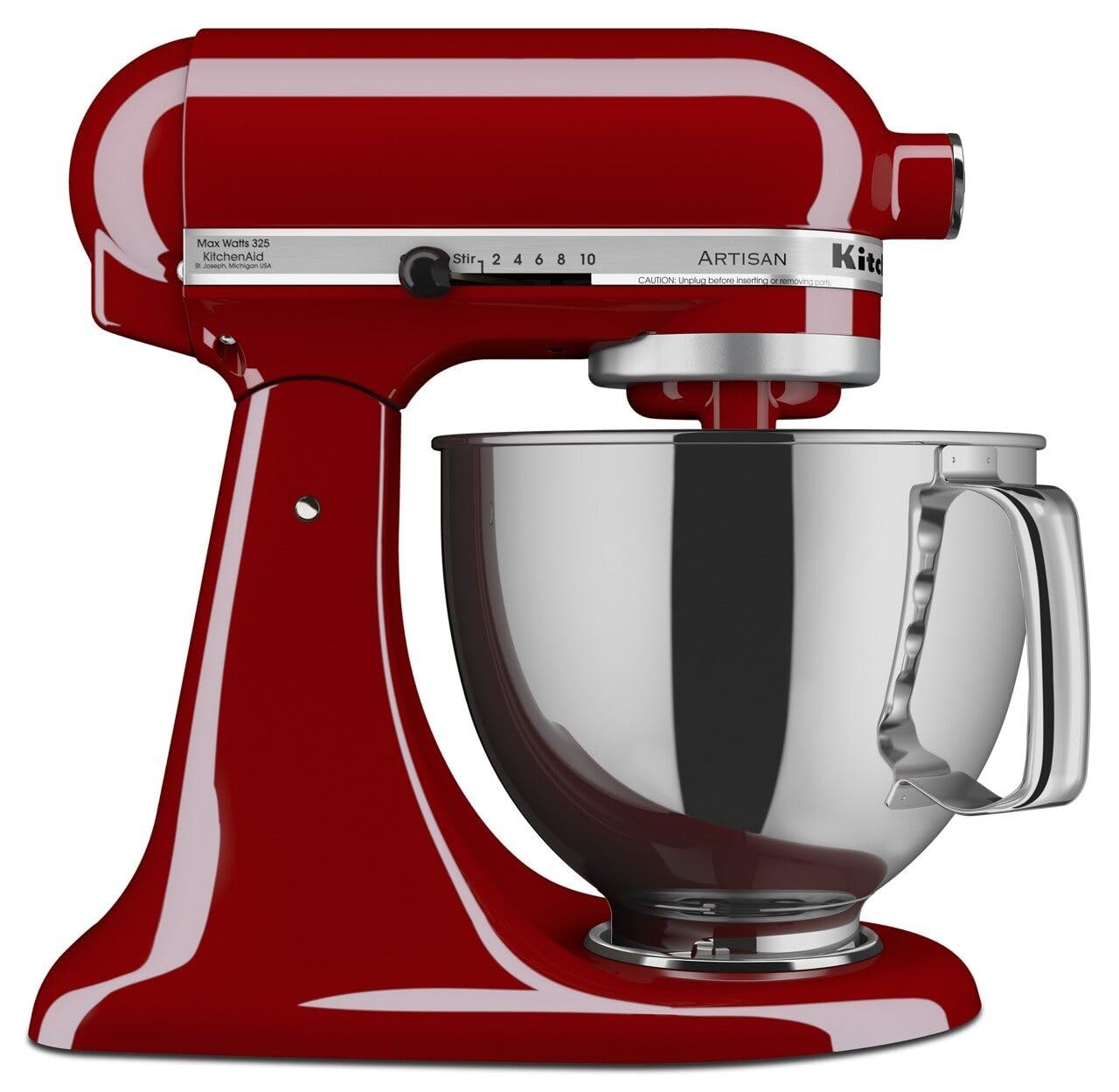
KitchenAid Artisan 5-Quart Stand Mixer (KSM150PS)
10 speeds handle everything from meringue to bread dough
Buy on Amazon| Product | Price Range | Top Strength | Key Weakness | Buy |
|---|---|---|---|---|
| KitchenAid Commercial 8-Quart Stand Mixer (KSM8990) best overall | $$$ | 8-quart bowl handles 14 dozen cookies or 8 loaves of bread at once | Extremely expensive , commercial pricing for a home buyer | Buy on Amazon |
| KitchenAid Professional 600 6-Quart Stand Mixer also consider | $$$ | 6-quart bowl handles double batches and heavy bread doughs with ease | Significantly heavier than the Artisan , harder to store | Buy on Amazon |
| KitchenAid Artisan 5-Quart Stand Mixer (KSM150PS) also consider | $$$ | 10 speeds handle everything from meringue to bread dough | Expensive , over $400 at full retail | Buy on Amazon |
| Bosch Universal Plus 800W Stand Mixer also consider | $$ | 800W motor , more powerful than KitchenAid Artisan for sustained dough kneading | Attachment ecosystem much smaller than KitchenAid | Buy on Amazon |
| Ankarsrum Original Stand Mixer also consider | $$$ | 7-quart bowl, 600W motor , handles the largest batches of any home mixer | Very different learning curve from KitchenAid , takes time to master | Buy on Amazon |
The question I get from home bakers more than almost any other is some version of: “Should I get the 8-quart KitchenAid?” It’s a reasonable thing to wonder, especially once you’ve outgrown a 5-quart bowl or started doubling recipes regularly. But the honest answer is that most people asking that question don’t need 8 quarts. Some do. Knowing which category you’re in saves a significant amount of money and counter space. This guide covers the KitchenAid Commercial 8-Quart Stand Mixer (KSM8990) and its closest alternatives so you can make that call clearly.
If you want the broader landscape before committing to any size, the Stand Mixers hub is a good starting point.
What to Look For
Bowl Capacity and Actual Use
Bowl size is the spec people fixate on, and it matters, but not in the way most people assume. A 5-quart bowl holds enough dough for two standard loaves or a double batch of cookies. A 6-quart handles three loaves and serious batch baking. An 8-quart bowl is rated for 14 dozen cookies or eight loaves of bread in a single mix. That last number is not a home baker’s number. It’s a cottage baker’s number, a caterer’s number, a number for someone who has paying customers.
If you bake weekly for a family, even a large one, the 8-quart bowl is probably more machine than your baking calendar requires.
Motor Power and Duty Cycle
This is the specification that matters more than bowl size for anyone doing heavy dough work. The KitchenAid Artisan 5-Quart Stand Mixer (KSM150PS) runs a 325-watt motor rated for standard home use. The KitchenAid Professional 600 6-Quart Stand Mixer steps up to a more capable motor built for sustained heavy mixing. The KitchenAid Commercial 8-Quart runs a 1.3HP motor designed for continuous commercial duty, meaning it can run batch after batch without the cool-down periods a home motor needs.
If you’re burning through motors every few years because you make stiff bagel dough every weekend, that duty cycle distinction is the argument for spending more. If you bake a couple of times a month, you’re paying for capacity you’ll never use.
Weight and Footprint
The 8-quart commercial unit is heavy. Not “heavier than expected” heavy. Heavy in a way that means you need a permanent spot for it, because you’re not moving it in and out of a cabinet. The Artisan is manageable for most people. The Professional 600 requires some commitment. The commercial 8-quart requires a dedicated counter position, full stop.
Attachment Ecosystem
KitchenAid’s attachment hub is the main reason to choose KitchenAid over alternatives at comparable price points. The pasta roller, meat grinder, grain mill, and ice cream maker all connect through the same port on Artisan, Professional, and commercial models. If you’ve already invested in those attachments, that’s a real switching cost. For specialty add-ons like the copper bowl for KitchenAid mixer, compatibility runs across most KitchenAid bowl-lift and tilt-head models, though you’ll want to confirm sizing before purchasing.
Top Picks
KitchenAid Commercial 8-Quart Stand Mixer (KSM8990)
The KSM8990 is priced at the top of the premium tier, and it prices like what it is: commercial equipment. The 1.3HP motor, the bowl-lift with a three-piece bowl guard, the 8-quart capacity, all of it is spec’d for someone running a small food business or doing serious volume. For a deeper look at what the machine actually does in daily use, my KitchenAid 8 quart commercial stand mixer breakdown covers the operational specifics.
Who should buy it: cottage bakers selling at farmers markets, households baking for large events regularly, anyone who has looked at their current mixer and thought “I need twice this capacity.” Who should not buy it: anyone who bakes for their household, even enthusiastically.
KitchenAid Professional 600 6-Quart Stand Mixer
At the same premium price band as the Artisan (though check current pricing on Amazon, the two are often separated by a notable margin), the Professional 600 is the machine I’d recommend to anyone who has legitimately maxed out the Artisan. The bowl-lift design is meaningfully more stable than tilt-head when you’re running stiff bread dough at speed, and the motor handles sustained use better.
The bowl-lift mechanism does require two hands to engage, which sounds minor until you’re in the middle of a recipe and realize you’re holding something else. (I’ll acknowledge that’s a specific complaint, but it comes up every time I use bowl-lift machines.) If you’ve been doubling batches of bread dough and finding your Artisan stalling or running warm, the Professional 600 solves that problem.
KitchenAid Artisan 5-Quart Stand Mixer (KSM150PS)
The Artisan is the default recommendation for most home bakers, and that status is earned. Ten speeds, planetary mixing action that actually reaches the bowl without leaving unmixed sections at the perimeter, and the attachment hub that makes it the center of a much larger kitchen system.
At full retail pricing, it’s at the higher end of what most people expect to spend on a stand mixer. But the attachment ecosystem genuinely changes the value calculation. If you’re already using or planning to use the pasta roller or grain mill attachment, the comparison with cheaper stand mixers narrows considerably. For anyone who wants to explore what that system includes, the whisk attachment for KitchenAid is a good example of the accessory depth available.
The 5-quart bowl will be limiting for large bread batches, specifically anything requiring more than about 14 cups of flour. If that’s a regular constraint for you, step up to the Professional 600.
Bosch Universal Plus 800W Stand Mixer
The Bosch Universal Plus sits at mid-range pricing and offers a combination of specs that KitchenAid doesn’t match at the equivalent price. An 800-watt motor, a 6.5-quart bowl, and a lighter overall weight than any comparable KitchenAid model. For bread bakers specifically, the Bosch handles sustained high-hydration dough work with less strain than the Artisan.
The trade-off is real: the attachment ecosystem is thin compared to KitchenAid, and the bowl attachment mechanism takes some getting used to. If the KitchenAid attachment hub doesn’t factor into your buying decision, the Bosch is a strong argument for the value pick.
Ankarsrum Original Stand Mixer
The Ankarsrum is at premium pricing, Swedish-made, and has a following among serious bread bakers that borders on the religious. The 7-quart capacity and a roller-and-scraper system that handles bread dough differently from any hook-and-bowl design make it a legitimate alternative to KitchenAid for the baker whose primary use case is high-volume bread.
The learning curve is real. If you’ve spent years with a KitchenAid, the Ankarsrum requires genuine relearning, not a quick adjustment. The 7-year warranty is the longest in this category by a significant margin. If you’ve ever had a KitchenAid motor fail outside of warranty, that number is meaningful.
How to Choose
If You Bake Bread in Large Quantities
The 8-quart commercial unit and the Ankarsrum are the two machines built for this specific use. The KSM8990 gives you KitchenAid’s ecosystem with commercial-grade power. The Ankarsrum gives you a mixing system arguably better suited to bread dough specifically, with a longer warranty, at comparable pricing. If bread is your primary use case and you’re baking multiple loaves multiple times a week, both are worth considering seriously.
For detailed specs on the commercial unit’s bowl guard and motor specs before deciding, the KitchenAid commercial stand mixer 8 quart page has the specifics.
If You Want an Upgrade from the Artisan
The Professional 600 is the straightforward answer. Same attachment hub, larger bowl, more capable motor. The Bosch Universal Plus is a legitimate alternative if the attachment ecosystem isn’t a factor and you primarily need heavy motor power for bread.
If You’re Buying Your First Stand Mixer
The Artisan is the right starting point for the majority of home bakers. Buy it, use it, and if you find yourself consistently running into its limits, you’ll have a much clearer picture of what you actually need in an upgrade. Most people never hit those limits.
Before finalizing any purchase in this category, the full stand mixer overview covers the practical comparison points across price bands.
Frequently Asked Questions
Does the KitchenAid 8-quart mixer work with standard KitchenAid attachments?
The KSM8990 uses the same attachment hub design as other KitchenAid stand mixers, but the attachment compatibility list is not identical across all models. Bowl-specific accessories like the mixing bowls and certain covers are size-matched to the 8-quart bowl. Before purchasing any accessory, confirm it lists compatibility with the KSM8990 specifically.
Is the 8-quart KitchenAid worth it for home use?
For most home bakers, no. The commercial pricing reflects commercial specifications: a 1.3HP motor built for continuous duty, an 8-quart bowl rated for 14 dozen cookies at once. If you’re baking for a household, even an ambitious one, the Professional 600 at 6 quarts covers the realistic ceiling of home batch sizes at a lower price point.
How heavy is the KitchenAid Commercial 8-Quart?
It is heavy enough to require a permanent counter position. Moving it routinely in and out of a cabinet is not practical. If you don’t have dedicated counter space for a large appliance, that constraint alone may be the deciding factor between the commercial unit and the Professional 600.
Can the KitchenAid Artisan handle bread dough?
Yes, with a realistic ceiling. The Artisan handles standard bread dough at home batch sizes without issue. Where it runs into trouble is stiff, low-hydration doughs like bagels or high-volume batches requiring more than about 14 cups of flour. For regular heavy bread baking, the Professional 600, the Bosch Universal Plus, or the Ankarsrum are better suited.
What is the difference between bowl-lift and tilt-head KitchenAid mixers?
Tilt-head models, like the Artisan, hinge backward at the top to give you access to the bowl and attachment. Bowl-lift models, like the Professional 600 and the commercial 8-quart, raise and lower the bowl on a fixed arm while the motor head stays stationary. Bowl-lift is more stable under heavy load, which is why it’s used on the higher-capacity machines. The trade-off is that engaging the lift requires two hands and more deliberate operation.
Frequently Asked Questions
Do I really need a KitchenAid 8 qt mixer for home baking?
Most home bakers do not. The 8-quart commercial model is sized for producing 8 loaves or 14 dozen cookies in a single batch, which is a production scale most households never reach. If you regularly double or triple recipes and have outgrown a 5-quart bowl, the 6 or 7-quart consumer models will handle your needs without the commercial price tag and permanent counter commitment.
What is the KitchenAid 8 qt mixer model number?
The KitchenAid 8-quart commercial stand mixer is the KSM8990. It is sold in the commercial product line rather than the consumer line and differs from the consumer Pro Line models in motor duty cycle and price.
How does the KitchenAid 8 qt mixer compare to the Ankarsrum?
The KSM8990 offers a larger 8-quart bowl but uses a planetary mixing system with a traditional hook or paddle attachment. The Ankarsrum uses a roller-and-scraper system that many bread bakers find superior for developing gluten in high-hydration and large doughs, with a 7-quart bowl and 7-year warranty. The Ankarsrum typically costs more and has a steeper learning curve.
Does the KitchenAid 8 qt mixer come with standard attachments?
Yes, the KSM8990 ships with a dough hook, flat beater, and wire whip designed for the 8-quart commercial bowl. These are not interchangeable with attachments designed for the 5-quart tilt-head or 6-quart bowl-lift consumer models. Check attachment compatibility before purchasing any add-ons separately.
Is the KitchenAid 8 qt mixer available in multiple colors?
The commercial KSM8990 has a more limited color selection than consumer models like the Artisan, which is available in dozens of colorways. If color matching your kitchen is a priority, check current availability, as commercial models typically come in a small range of professional finishes.
Where to Buy
KitchenAid Commercial 8-Quart Stand Mixer (KSM8990)See KitchenAid Commercial 8-Quart Stand M… on Amazon