KitchenAid Stand Mixer Bowls: 4 Options Compared

Affiliate disclosure: Some links on this page are affiliate links. If you buy through them we earn a small commission at no extra cost to you. Recommendations are research-driven; we don't claim personal use of every product reviewed. Product prices and availability are accurate as of the date published and are subject to change. Always check Amazon for current pricing before purchasing. Learn more.

Quick Picks
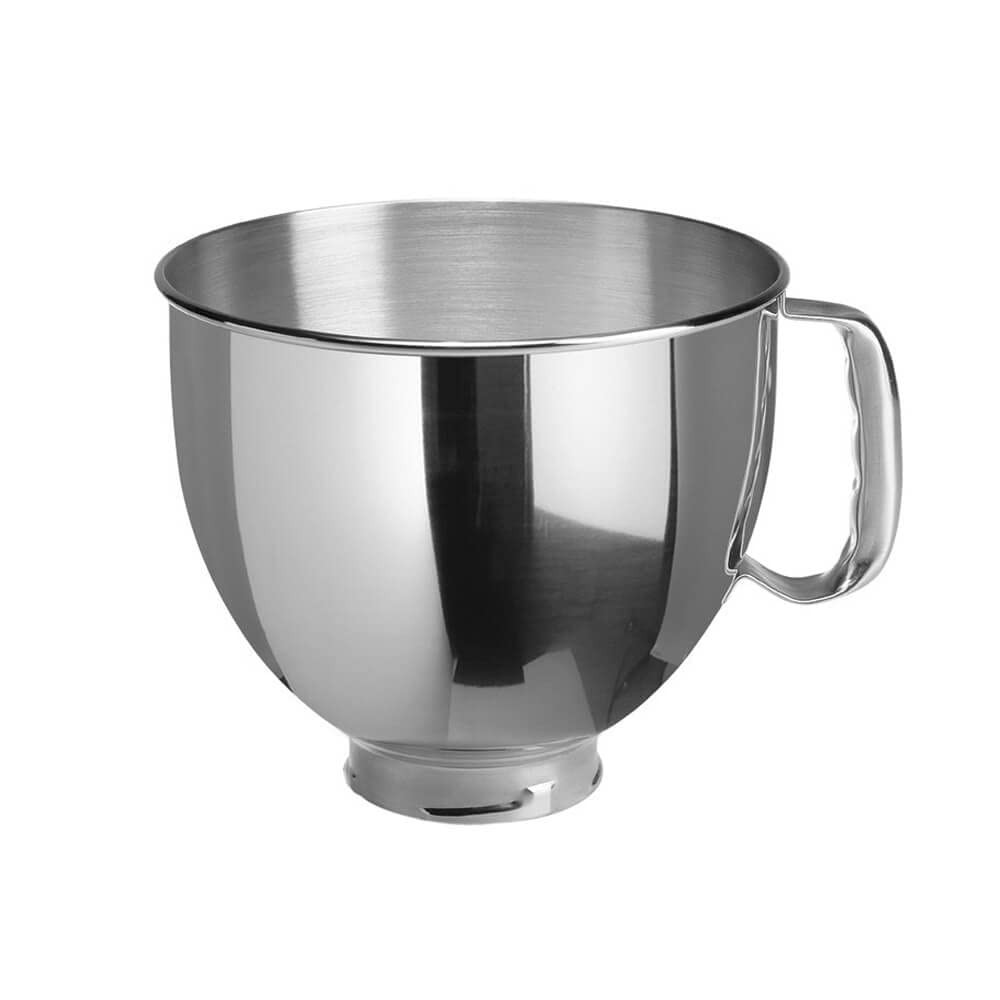
KitchenAid 5-Quart Stainless Steel Mixing Bowl
Replacement or spare bowl , useful for bakers who use the mixer for multiple batches
Buy on Amazon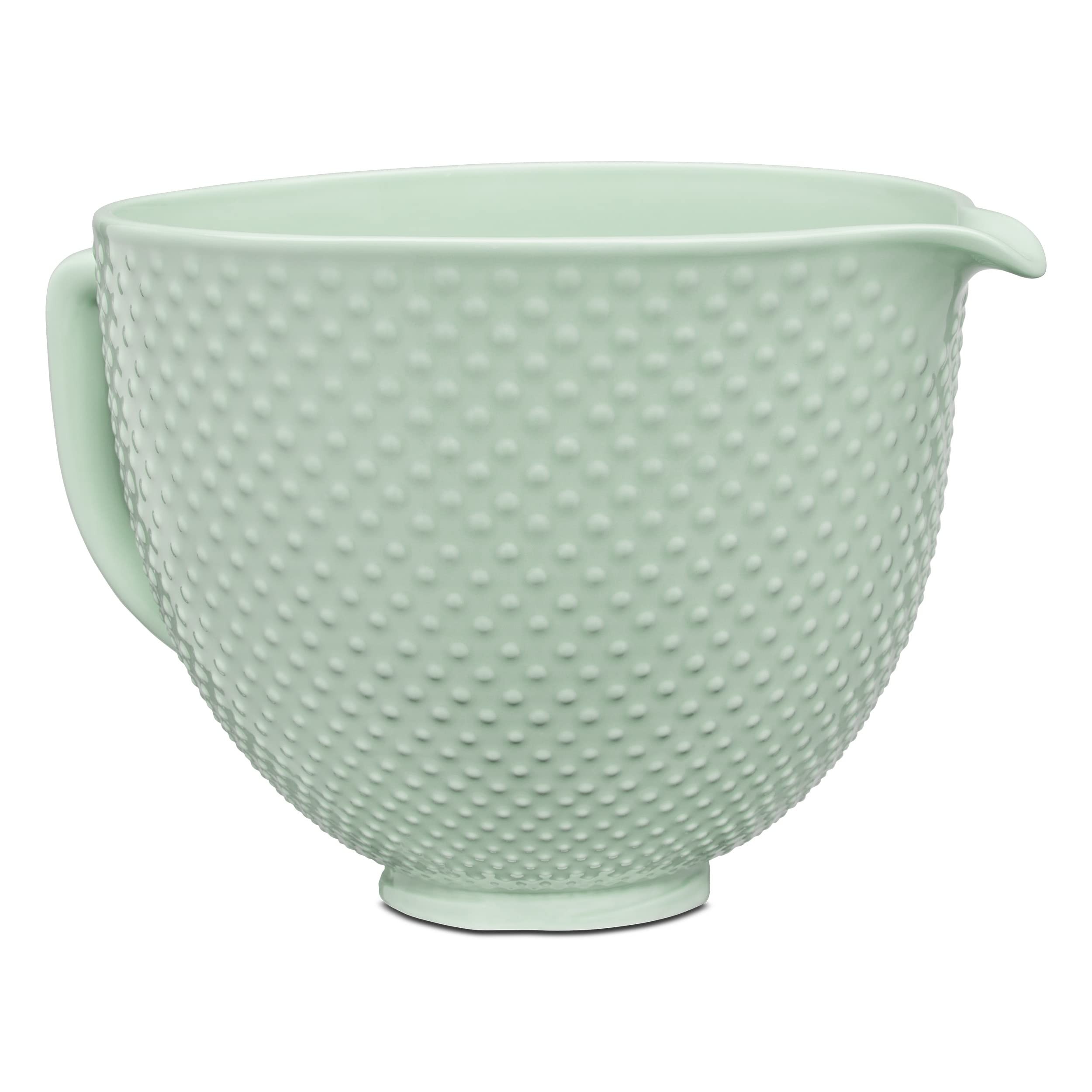
KitchenAid 5-Quart Ceramic Bowl
Ceramic construction , easier to clean than stainless steel, no metallic taste
Buy on Amazon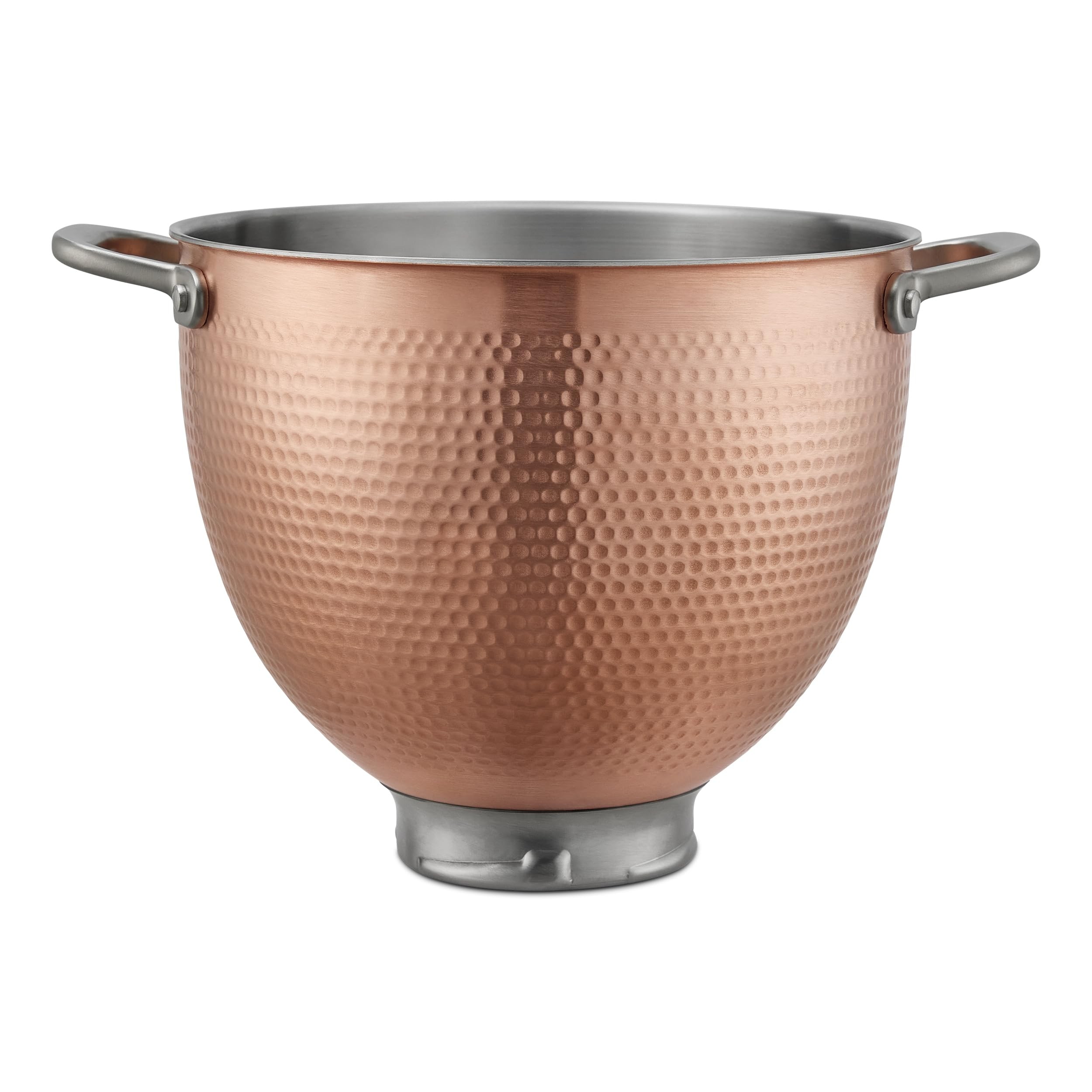
KitchenAid Copper 5-Quart Bowl
Copper ions react with egg whites to stabilize the foam , meringues and soufflés rise higher
Buy on Amazon| Product | Price Range | Top Strength | Key Weakness | Buy |
|---|---|---|---|---|
| KitchenAid 5-Quart Stainless Steel Mixing Bowl best overall | $ | Replacement or spare bowl , useful for bakers who use the mixer for multiple batches | Bare-bones , no handle or spout on standard bowl | Buy on Amazon |
| KitchenAid 5-Quart Ceramic Bowl also consider | $$ | Ceramic construction , easier to clean than stainless steel, no metallic taste | Heavier than stainless , adds to the mixer's weight during use | Buy on Amazon |
| KitchenAid Copper 5-Quart Bowl also consider | $$ | Copper ions react with egg whites to stabilize the foam , meringues and soufflés rise higher | Expensive accessory for a functional upgrade most home bakers won't notice | Buy on Amazon |
| KitchenAid Artisan 5-Quart Stand Mixer (KSM150PS) also consider | $$$ | 10 speeds handle everything from meringue to bread dough | Expensive , over $400 at full retail | Buy on Amazon |
If you’ve owned a KitchenAid stand mixer for more than a year, you’ve probably realized the bowl situation deserves more thought than it got at purchase. The mixer ships with one bowl. One. For anyone running multiple batches of cookies, alternating between bread dough and whipped cream, or just wanting a backup while the first one’s in the dishwasher, that’s a practical gap. And if you’re comparing options in our Stand Mixers hub, bowl choice is one of the decisions that doesn’t get nearly enough coverage.
This guide covers four KitchenAid bowl options, gives you a direct recommendation, and skips the padding. All four fit the 5-quart tilt-head lineup. The right one depends on what you actually cook.
What to Look For
Capacity and Compatibility
Before anything else, confirm your mixer model. KitchenAid’s bowl ecosystem splits into tilt-head and bowl-lift designs, and they do not cross-share. The bowls in this guide fit the tilt-head 5-quart models, which covers the Artisan (KSM150PS) and most of its variants. If you’re running something in the larger commercial range, that’s a different conversation entirely. (For reference, our coverage of the KitchenAid 8-quart commercial stand mixer addresses that lineup separately.)
Material
Stainless steel is the default for a reason. It’s light, durable, dishwasher safe, and doesn’t retain odors. Ceramic looks better on a counter and cleans up slightly easier after sticky batters, but it adds weight and chips if you treat it carelessly. Copper is the outlier. There is actual chemistry behind it. Copper ions react with the proteins in egg whites to produce a more stable foam, which means higher, more consistent meringues and soufflés. It’s not marketing copy. It’s why French patisseries have been using copper bowls for generations. Whether that matters to your cooking is a different question.
Handle and Pour Spout
The standard KitchenAid stainless bowl ships without a handle. That may sound like a minor omission until you’re tipping a full bowl of bread dough toward a loaf pan. Some KitchenAid bowl variants include a handle and a small pour spout. Worth knowing before you buy.
How You Work
If you run the mixer for two or three consecutive tasks in a session, the two-bowl workflow is worth considering: one bowl in the mixer, one being prepped or chilling in the refrigerator. That workflow only works if you own two compatible bowls, which means the spare stainless bowl is a practical purchase regardless of what your primary bowl is.
Top Picks
KitchenAid 5-Quart Stainless Steel Mixing Bowl
The KitchenAid 5-Quart Stainless Steel Mixing Bowl is the spare-bowl purchase. It’s in the budget price category, it’s dishwasher safe, and it fits every 5-quart tilt-head KitchenAid made. If you bake regularly and run more than one recipe per session, this is the bowl you buy as a second unit. One in the machine, one ready to go. (I timed a cookie session once after adding a second bowl to my rotation. Saved about 20 minutes on a double batch just from not waiting on the wash cycle.)
The honest limitation: the standard stainless bowl doesn’t have a handle or a pour spout. Manageable for most tasks, but if you’re pouring a liquid batter or transferring a large dough, you’ll notice. KitchenAid does make handle-equipped stainless variants, but that’s a separate product and a separate purchase. This version is bare-bones by design.
For high-volume home baking, this is the first additional bowl to buy. The price makes it easy to justify as a tool rather than an upgrade.
Check current price on Amazon
KitchenAid 5-Quart Ceramic Bowl
The KitchenAid 5-Quart Ceramic Bowl sits at mid-range pricing and serves two purposes reasonably well: it’s a functional mixing bowl, and it’s decorative enough to leave on the counter between uses. KitchenAid offers it in several colorways designed to match their mixer lineup, which matters to some people more than others. I don’t have a strong opinion on kitchen aesthetics as a purchasing criterion, though I appreciate that’s not everyone’s priority.
What the ceramic bowl actually does better than stainless: cleanup after sticky batters. Smooth ceramic releases caramel, royal icing, and dense doughs more cleanly than stainless in my experience. The bowl also won’t pick up any metallic taste with acidic ingredients, which stainless generally doesn’t either at normal use but can become a factor with extended contact.
The real limitations are weight and fragility. Ceramic adds noticeable mass compared to the stainless bowl. That’s mostly felt when you’re lifting a full bowl of batter rather than during mixing itself, but it’s not nothing. And ceramic chips. Drop it against a tile floor, clip it on a cabinet edge while storing it, and you have a cracked bowl. Stainless dents; ceramic cracks.
For a primary bowl upgrade where appearance and cleaning ease matter, it’s a reasonable mid-range spend. It’s not a better tool than stainless in the way the copper bowl is a better tool for specific tasks. It’s a lateral move with cosmetic benefits.
Check current price on Amazon
KitchenAid Copper 5-Quart Bowl
The KitchenAid Copper 5-Quart Bowl is the most specific-use bowl in this guide, and it’s also the one where the product delivers on its claim.
The science is straightforward. Egg whites whipped in a copper bowl form a more stable foam because copper ions bond with conalbumin, a protein in egg whites, creating a complex that doesn’t overwhip as easily and holds structure longer. The result is meringues with more volume and soufflés that don’t collapse as quickly after coming out of the oven. This is not a new discovery. Professional pastry kitchens have relied on copper bowls for this reason since before stand mixers existed.
If you bake meringues, soufflés, or Swiss meringue buttercream regularly, this bowl produces a measurably better result. If you primarily make bread, cookies, and cake batter, you will not notice any difference and you’d be paying for something you’re not using. I’d also point you to our detailed coverage of the copper bowl for KitchenAid mixer if you want to go deeper on the material science and practical use cases before committing.
The maintenance requirement is real. Copper bowls require hand-washing and occasional polishing. Put it in the dishwasher and the finish will degrade. For someone already hand-washing good knives and cast iron, this is unremarkable. For someone whose entire cookware set is dishwasher-safe by design, factor that into the decision.
It’s at mid-range pricing, roughly comparable to the ceramic bowl. For its target use, it earns the price. For general-purpose baking, it doesn’t.
Check current price on Amazon
KitchenAid Artisan 5-Quart Stand Mixer (KSM150PS)
The KitchenAid Artisan 5-Quart Stand Mixer (KSM150PS) is here because a bowl guide that ignores the mixer-and-bowl combination purchase is incomplete. If you’re evaluating bowls, there’s a reasonable chance you’re also evaluating whether to buy or upgrade the mixer itself.
The KSM150PS is premium-priced and has been the default recommendation for serious home bakers for years, for good reason. Ten speeds, planetary mixing action that covers the full bowl without dead spots, and a hub that accepts KitchenAid’s attachment lineup. The pasta maker, meat grinder, and ice cream maker attachments all connect to the same port, which is the real argument for this machine over cheaper competitors. If you’re comparing it against something like the Cuisinart SM-50 or the Breville Scraper Mixer Pro, the attachment ecosystem is what tips the KitchenAid decision.
The 5-quart bowl is genuinely limiting for large bread batches. A double batch of sandwich bread will challenge it. If your baking runs toward high-volume or commercial-scale, the larger format deserves a look before committing. Our coverage of the KitchenAid commercial stand mixer 8-quart addresses who that machine actually suits.
The Artisan ships with one stainless steel bowl. Everything in this guide is a subsequent purchase. The mixer itself is the starting point.
How to Choose
Start with what you actually cook. If meringue, Swiss meringue buttercream, soufflés, or any egg-white-intensive work appears in your regular rotation, the copper bowl is the functional choice. If your cooking is primarily doughs, batters, and frostings, stainless is the sensible default, and a second stainless bowl for batch workflow is worth more than any material upgrade.
The ceramic bowl suits you if cleaning convenience and counter aesthetics matter, you handle the bowl carefully, and you’re willing to accept the weight trade-off. It’s a real upgrade for some kitchens and an unnecessary expense for others.
For anyone getting started or running an existing Artisan mixer, my recommendation is this. Buy the standard stainless bowl as your spare. If you bake anything that involves whipped egg whites more than occasionally, add the copper bowl as your primary. That combination covers most serious home baking without redundancy.
If you’re still working through the full stand mixer category, the stand mixer buying guide covers machine selection in more depth before you start building out the bowl ecosystem.
Don’t over-invest in bowls before you know your patterns. A second stainless bowl at budget pricing is a practical tool. A copper bowl at mid-range pricing is a functional upgrade for specific techniques. Start with utility and add specificity when your cooking warrants it.
Frequently Asked Questions
Will these bowls fit my older KitchenAid tilt-head mixer?
KitchenAid has maintained consistent bowl dimensions across their tilt-head 5-quart lineup for decades. The stainless, ceramic, and copper bowls covered here fit the Artisan (KSM150PS) and its predecessors going back to the Classic series. If you’re unsure about your specific model, check the model number on the bottom of your mixer and cross-reference with KitchenAid’s compatibility chart before purchasing.
Does the copper bowl actually improve meringues, or is that marketing?
It’s real chemistry, not marketing. Copper ions interact with conalbumin proteins in egg whites during whipping, forming a more stable complex that resists overwhipping and holds foam structure longer. The practical result is meringues with better volume and soufflés that hold up more consistently after baking. For bakers who work with whipped egg whites regularly, the difference is noticeable. For everyone else, it’s a non-factor.
Can I put the ceramic bowl in the dishwasher?
KitchenAid states the ceramic bowl is dishwasher safe, though repeated dishwasher cycles can dull the glaze finish over time. The copper bowl is hand-wash only. The standard stainless steel bowl is fully dishwasher safe without degradation concerns.
Is there a KitchenAid bowl with a handle?
Yes. KitchenAid makes a stainless steel bowl with a handle and a pour spout, sold separately from the standard bare bowl covered in this guide. If you regularly pour liquid batters or transfer large quantities of dough, the handled version is worth the small price premium over the standard stainless bowl.
I bake large batches of bread dough. Should I be looking at a bigger bowl?
Probably. The 5-quart bowl is adequate for standard home recipes but starts to struggle with double batches of yeast bread. KitchenAid’s bowl-lift mixers take larger capacity bowls, and the 7-quart tilt-head Artisan Mini works in the other direction for smaller batches. If bread is your primary baking focus and you’re regularly pushing volume, a bowl-lift mixer with a larger bowl is worth considering before adding a second 5-quart bowl to a machine that’s already being strained.
Frequently Asked Questions
Are KitchenAid stand mixer bowls interchangeable between models?
No. KitchenAid bowl compatibility splits by mixer design: tilt-head models (like the Artisan) and bowl-lift models (like the Professional 600) use different bowl sizes and attachment styles that are not cross-compatible. Within the tilt-head line, bowls designed for 5-quart models will fit all 5-quart tilt-head machines. Always confirm your mixer model before purchasing a replacement or specialty bowl.
Is it worth buying a second KitchenAid bowl?
Yes, if you regularly run multiple batches back to back. Having a second bowl ready means you can swap in a clean bowl mid-session without pausing to wash and dry. This is especially useful for bakers making multiple cookie varieties, alternating between a bread dough and a cake batter, or baking for events.
What is the advantage of the KitchenAid copper bowl over stainless steel?
The copper bowl is designed specifically for whipping egg whites. Copper ions react with the proteins in egg whites to produce a more stable foam that is harder to overwhip and holds its structure better in heat. If you make meringues, soufflés, or angel food cake regularly, this is a real functional upgrade. For all other mixing tasks, stainless steel performs identically.
Do KitchenAid stand mixer bowls have a pour spout?
The standard stainless bowl that ships with most KitchenAid tilt-head models does not have a pour spout or handle. Some premium bowl options, including certain ceramic bowls and aftermarket stainless versions, do include a handle and/or spout for easier pouring. If this is important to your workflow, check the specific bowl description before purchasing.
Can I put KitchenAid stand mixer bowls in the dishwasher?
Most KitchenAid stainless steel bowls are dishwasher safe. The ceramic bowl is generally marked dishwasher safe but benefits from hand washing to preserve the glaze finish. The copper bowl should be hand washed only, as dishwasher detergent and heat will dull the copper surface and can damage the bowl's reactivity over time.
Where to Buy
KitchenAid 5-Quart Stainless Steel Mixing BowlSee KitchenAid 5-Quart Stainless Steel Mi… on Amazon