KitchenAid Stand Mixer Motor Guide: 5 Models Compared

Affiliate disclosure: Some links on this page are affiliate links. If you buy through them we earn a small commission at no extra cost to you. Recommendations are research-driven; we don't claim personal use of every product reviewed. Product prices and availability are accurate as of the date published and are subject to change. Always check Amazon for current pricing before purchasing. Learn more.

Quick Picks
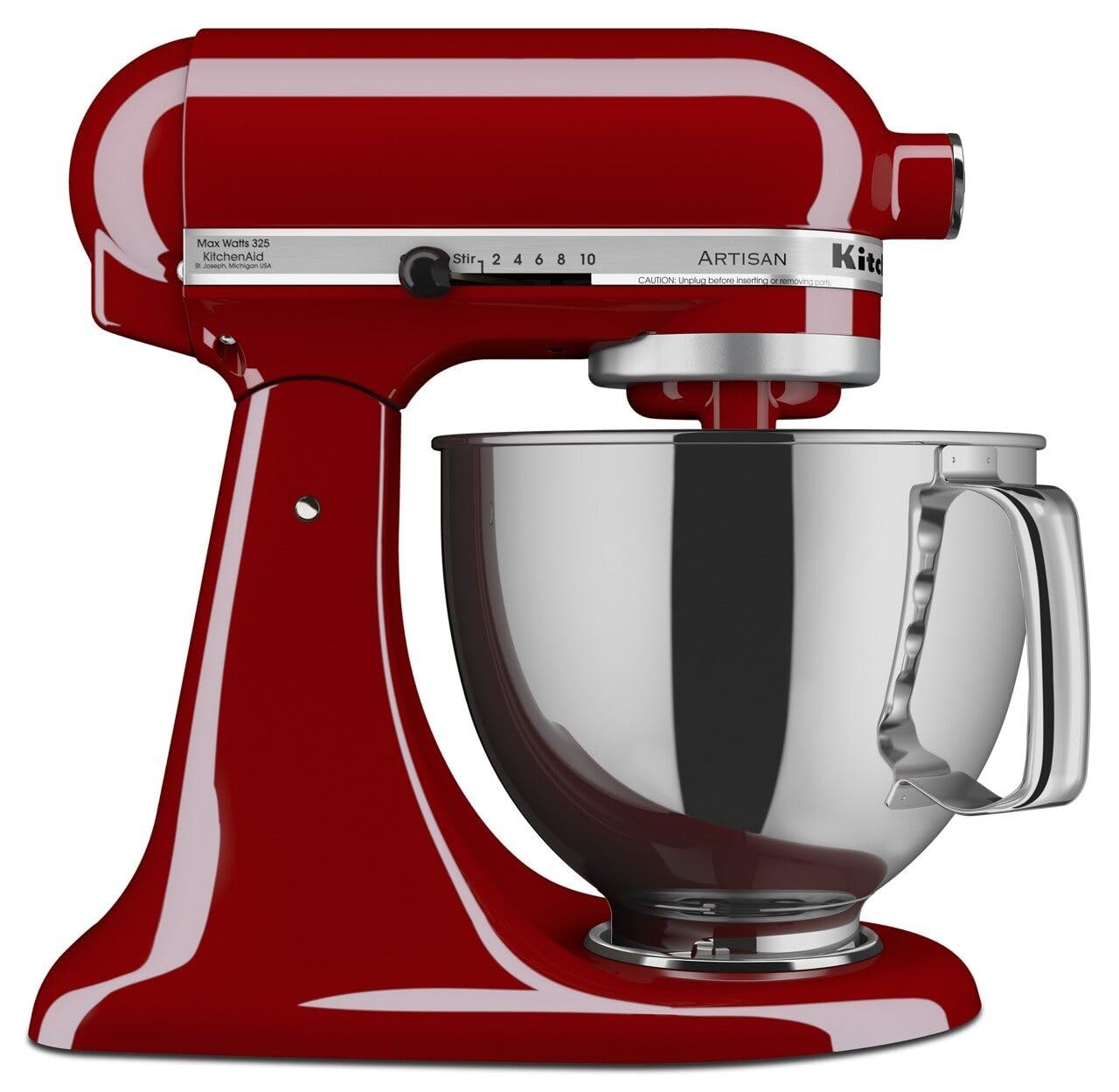
KitchenAid Artisan 5-Quart Stand Mixer (KSM150PS)
10 speeds handle everything from meringue to bread dough
Buy on Amazon
KitchenAid Professional 600 6-Quart Stand Mixer
6-quart bowl handles double batches and heavy bread doughs with ease
Buy on Amazon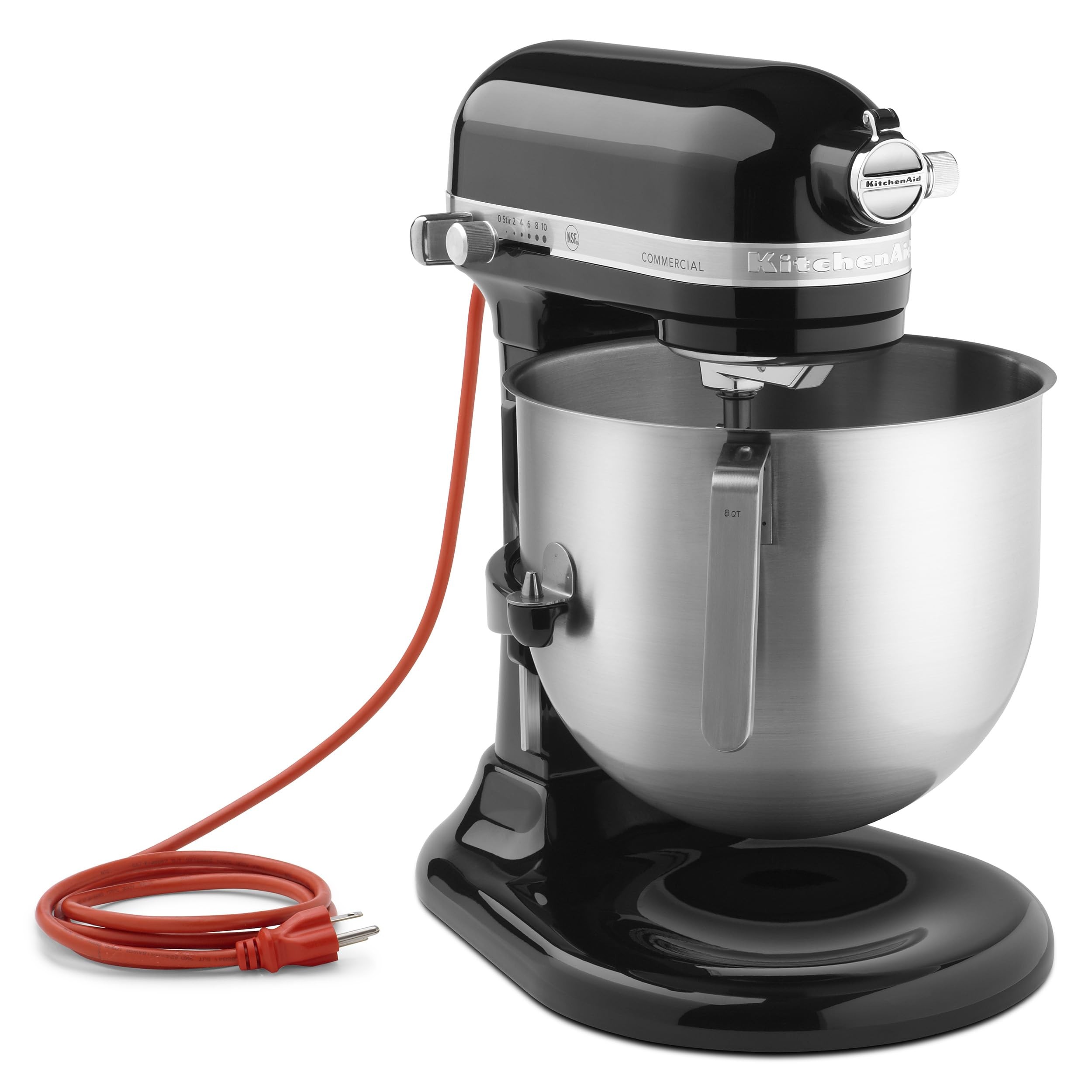
KitchenAid Commercial 8-Quart Stand Mixer (KSM8990)
8-quart bowl handles 14 dozen cookies or 8 loaves of bread at once
Buy on Amazon| Product | Price Range | Top Strength | Key Weakness | Buy |
|---|---|---|---|---|
| KitchenAid Artisan 5-Quart Stand Mixer (KSM150PS) best overall | $$$ | 10 speeds handle everything from meringue to bread dough | Expensive , over $400 at full retail | Buy on Amazon |
| KitchenAid Professional 600 6-Quart Stand Mixer also consider | $$$ | 6-quart bowl handles double batches and heavy bread doughs with ease | Significantly heavier than the Artisan , harder to store | Buy on Amazon |
| KitchenAid Commercial 8-Quart Stand Mixer (KSM8990) also consider | $$$ | 8-quart bowl handles 14 dozen cookies or 8 loaves of bread at once | Extremely expensive , commercial pricing for a home buyer | Buy on Amazon |
| Bosch Universal Plus 800W Stand Mixer also consider | $$ | 800W motor , more powerful than KitchenAid Artisan for sustained dough kneading | Attachment ecosystem much smaller than KitchenAid | Buy on Amazon |
| Ankarsrum Original Stand Mixer also consider | $$$ | 7-quart bowl, 600W motor , handles the largest batches of any home mixer | Very different learning curve from KitchenAid , takes time to master | Buy on Amazon |
The motor in a stand mixer is the part you never see and the part that determines whether you’re buying an appliance or an anchor. KitchenAid has held the home stand mixer market for decades, and the question most buyers are actually asking isn’t “should I get a KitchenAid” but “which one, and is there anything better for my specific situation.” There are five machines worth serious consideration. Most people will land on one of two. I’ll tell you which ones and why.
For a broader look at stand mixers across all categories and price points, the Stand Mixers hub is a good place to start before committing.
What to Look For in a Stand Mixer Motor
Wattage vs. Real-World Power
Wattage numbers on mixer boxes are marketing. A 325W motor on a KitchenAid Artisan and an 800W motor on a Bosch Universal Plus don’t translate to a simple “Bosch is better” conclusion because the motor design, gearing, and bowl geometry all affect how that power gets used. What matters is whether the motor can sustain load under stiff dough without slowing, heating up, or triggering the internal thermal overload protection. If you’ve ever made a double batch of whole wheat sandwich bread and watched your mixer labor at speed 2 while the dough barely moved, you know what insufficient sustained power feels like. That’s the problem to solve.
Tilt-Head vs. Bowl-Lift
Tilt-head designs (KitchenAid Artisan) let you flip the head back with one hand to swap attachments or scrape the bowl. Convenient, faster to use casually. Bowl-lift designs (KitchenAid Professional 600, Commercial 8-Quart) raise the bowl up into position using a lever. More stable under heavy loads because the head doesn’t flex during mixing. If your primary use is cakes, cookies, and whipped cream, tilt-head is fine. If you’re regularly working with stiff bread doughs or double batches, the bowl-lift design will feel more solid and will be kinder to your machine over time.
Bowl Capacity
Five quarts handles most home baking. A standard batch of cookies, a single loaf recipe, a cheesecake. Where it becomes limiting is when you want to double a bread recipe or make cookies for a crowd. Six quarts gives meaningful headroom. Eight quarts is a different category entirely.
The Attachment Ecosystem
KitchenAid’s power hub is either the most useful feature you’ll ever use or a marketing point you’ll ignore completely. The pasta roller, meat grinder, and ice cream bowl are genuinely functional attachments. If you want any of them, you need a KitchenAid. If you bake bread and nothing else, the hub is irrelevant.
Top Picks
KitchenAid Artisan 5-Quart (KSM150PS): The Default Answer
The KitchenAid Artisan 5-Quart Stand Mixer (KSM150PS) is the right mixer for most home bakers and I’d rather say that plainly than build false suspense. Ten speeds, planetary mixing action that actually reaches the entire bowl, and a power hub that opens access to pasta rollers, meat grinders, and more. This one has been in the kitchen since 2019. It handles everything in my regular rotation without complaint.
The premium price is real. Check current price on Amazon because it fluctuates, but this sits at the higher end of home mixer pricing. What you’re paying for is build quality, the attachment ecosystem, and a machine that will outlast most of what you own in your kitchen.
The 5-quart bowl is the limitation worth knowing. If you regularly bake two or more loaves of dense bread at a time, you will hit the capacity ceiling. The dough hook works, but heavy whole wheat or rye doughs at full volume will push this motor. It’s not a fatal flaw for most bakers. It’s just true.
If you use a copper bowl for whipping egg whites, the copper bowl for KitchenAid mixer is a legitimate upgrade worth considering alongside this purchase.
KitchenAid Professional 600 6-Quart: The Upgrade Case
The KitchenAid Professional 600 6-Quart Stand Mixer costs more than the Artisan and is heavier by a meaningful margin. The bowl-lift design is more stable under load. The motor is more powerful. And the extra quart of capacity matters if you actually use it.
Here is the honest version of the upgrade argument. If you bake bread twice a week, regularly double recipes, or work with stiff doughs that have made the Artisan labor, this machine justifies its price. If you’re buying it because it sounds more serious, you’re paying for weight and counter presence you didn’t need.
The bowl-lift requires two hands to engage, which sounds minor until you’re mid-recipe with one hand holding a bag of flour. It’s a small thing (which I realize is a specific complaint) but it changes the ergonomics of casual use.
KitchenAid Commercial 8-Quart (KSM8990): Honest About Who This Is For
The KitchenAid Commercial 8-Quart Stand Mixer (KSM8990) can mix 14 dozen cookies in a single batch. Its 1.3HP motor is built for continuous heavy-duty use. It has a bowl guard designed for safe operation during mixing. It also costs significantly more than the Professional 600, requires dedicated counter space, and weighs enough that you will pick a permanent home for it and leave it there.
This machine is not for a home baker who bakes a lot. It’s for a cottage baker selling at farmers markets, a household that genuinely bakes in commercial volume weekly, or someone outfitting a small catering operation. If you’re reading a home baking guide and thinking about this machine, my advice would be to buy the Professional 600 instead and put the difference in your ingredients budget.
Bosch Universal Plus 800W: The Value Pick for Bread Bakers
The Bosch Universal Plus 800W Stand Mixer is the most underrated machine in this comparison. Its 800W motor sustains heavy dough kneading better than the Artisan, the 6.5-quart bowl is larger than the Professional 600, and it’s priced in the mid-range. It’s also lighter than the KitchenAid machines of comparable capacity, which matters more than you’d think on the third time you move it.
The trade-off is simple. The attachment ecosystem is limited compared to KitchenAid. The bowl attachment mechanism is less intuitive and takes a few uses to become second nature. If the power hub attachments are part of your plan, this isn’t your machine. If you bake bread primarily and want serious motor performance at a lower price than the KitchenAid Professional, the Bosch deserves serious consideration.
Ankarsrum Original: The Specialist Choice
The Ankarsrum Original Stand Mixer is Swedish-made, carries a 7-year warranty (the longest in this category), and uses a roller and scraper system for dough work that bread bakers with experience on both machines consistently prefer over KitchenAid’s hook. The 7-quart capacity is larger than anything else in the home category. The motor is 600W and handles it.
The learning curve is real. This machine does not work like a KitchenAid, and if you’ve spent years on a KitchenAid, the first several uses will be disorienting. The bowl attaches and moves differently. The roller system requires positioning adjustments that take time to develop instinct for. For someone who bakes bread seriously and wants the best tool for that specific task, this machine has a passionate following for good reason. It is premium-priced and not as widely available as KitchenAid. Verify current availability on Amazon before making it your plan.
How to Choose
If you bake a broad range of things and want the attachments, the Artisan is the answer for most households. Five quarts handles the majority of home recipes. The motor is adequate for all but the heaviest sustained bread work. The attachment hub is the main differentiator, and if you want a pasta roller or meat grinder, you need to stay in the KitchenAid ecosystem.
If you bake bread regularly in volume and the Artisan’s bowl or sustained motor performance feels limiting, the Professional 600 solves both problems. The price increase over the Artisan is real, but the machine is meaningfully better for heavy use.
If your primary goal is serious bread baking and the attachment ecosystem is irrelevant to you, the Bosch Universal Plus gives you more power and more capacity at a lower price than the Professional 600. It’s the smart value play for that specific baker.
The Ankarsrum is for experienced bakers who know they want it. It’s not a first mixer.
The Commercial 8-Quart is not for home bakers unless your home baking operation is genuinely commercial in volume. Be honest with yourself about that.
For more context on how these machines compare within the broader category, the stand mixer section of the site covers additional options worth reviewing before you finalize.
If you’re also looking at what attachments might extend your existing machine’s capabilities, the Hobart stand mixer attachments article covers the professional-grade end of that question.
Frequently Asked Questions
How many watts does a KitchenAid stand mixer motor have?
The KitchenAid Artisan 5-Quart runs a 325W motor. The Professional 600 uses a more powerful motor suited for heavier sustained use, though KitchenAid publishes specifications in horsepower rather than watts for most professional models. The Commercial 8-Quart runs 1.3HP. Wattage alone is an incomplete measure. Motor design and gearing matter as much as the number on the spec sheet.
Can the KitchenAid Artisan handle bread dough?
Yes, with qualifications. A standard single-loaf bread recipe using all-purpose or bread flour is within its range. Dense whole grain doughs, double batches, or recipes with very low hydration will push the motor and may trigger the internal thermal protection, which shuts the machine down temporarily to prevent overheating. If bread dough is your primary use case, the Professional 600 or the Bosch Universal Plus is a better fit.
What is the difference between the KitchenAid Artisan and the Professional 600?
Three things: bowl size (5-quart vs. 6-quart), design (tilt-head vs. bowl-lift), and motor power. The Professional 600 is more stable under heavy loads, handles larger batches, and has a stronger motor for sustained use. It is also heavier and costs more. The Artisan is more ergonomic for everyday casual use and works well for bakers who aren’t regularly pushing the machine.
Is the Bosch Universal Plus better than KitchenAid for bread?
For sustained bread dough kneading specifically, the Bosch Universal Plus 800W motor outperforms the KitchenAid Artisan. The 6.5-quart bowl also handles larger batches. However, the KitchenAid attachment ecosystem has no equivalent in the Bosch lineup. If bread is the priority and attachments are not, the Bosch is a strong alternative at mid-range pricing.
How long should a KitchenAid stand mixer last?
With normal home use, a KitchenAid stand mixer should last 10 to 15 years. Commercial models like the 8-Quart are built for longer sustained use. The motor is built to handle regular baking loads, but overloading the machine consistently, running it past the dough capacity recommendations, or using it for tasks outside its design (extremely stiff doughs over many consecutive hours) will shorten that lifespan. The Ankarsrum’s 7-year warranty is the most explicit durability commitment in this category.
Frequently Asked Questions
How powerful is the KitchenAid Artisan stand mixer motor?
The KitchenAid Artisan (KSM150PS) runs a 325-watt motor, which is adequate for most home baking tasks including bread dough, cookie batter, and meringues. It begins to labor under sustained mixing of very stiff doughs or large batch sizes. For high-volume or continuous use, the Professional 600 or the commercial 8-quart with its 1.3HP motor is a more appropriate choice.
What is the difference between the KitchenAid tilt-head and bowl-lift motor designs?
Both use the same planetary mixing action, but the motor housing and torque delivery differ. Tilt-head models like the Artisan mount the motor in the head that tilts back to access the bowl. Bowl-lift models like the Professional 600 hold the head fixed and raise the bowl up into the attachment. Bowl-lift designs are generally more stable under sustained heavy-load use because the motor housing doesn't flex during mixing.
Is the KitchenAid stand mixer motor covered under warranty?
KitchenAid consumer stand mixers carry a one-year full warranty on parts and labor. The motor itself is included. KitchenAid also offers extended service plans, and many models have a documented service life well beyond the warranty period when used within rated capacity.
Can the KitchenAid Artisan motor handle bread dough?
Yes, for standard bread doughs at normal batch sizes — one or two loaves. The motor handles pizza dough, enriched brioche, and dinner rolls without issue. Where it shows limitations is in sustained mixing of stiff, high-hydration, or very large batches. Running the motor above speed 2 with a full bowl of bagel dough for extended periods will eventually cause thermal protection to engage.
How does the Ankarsrum motor compare to KitchenAid for bread baking?
The Ankarsrum runs a 600-watt motor that handles large, high-hydration doughs more efficiently than the Artisan because its roller-and-scraper system applies direct tension to the dough rather than pushing a hook through it. This means less motor load for equivalent dough development. For serious bread bakers producing large batches regularly, the Ankarsrum's motor design is better suited to the task.
Where to Buy
KitchenAid Artisan 5-Quart Stand Mixer (KSM150PS)See KitchenAid Artisan 5-Quart Stand Mixe… on Amazon