KitchenAid Beater Attachments: Which One to Buy First

Affiliate disclosure: Some links on this page are affiliate links. If you buy through them we earn a small commission at no extra cost to you. Recommendations are research-driven; we don't claim personal use of every product reviewed. Product prices and availability are accurate as of the date published and are subject to change. Always check Amazon for current pricing before purchasing. Learn more.

Quick Picks
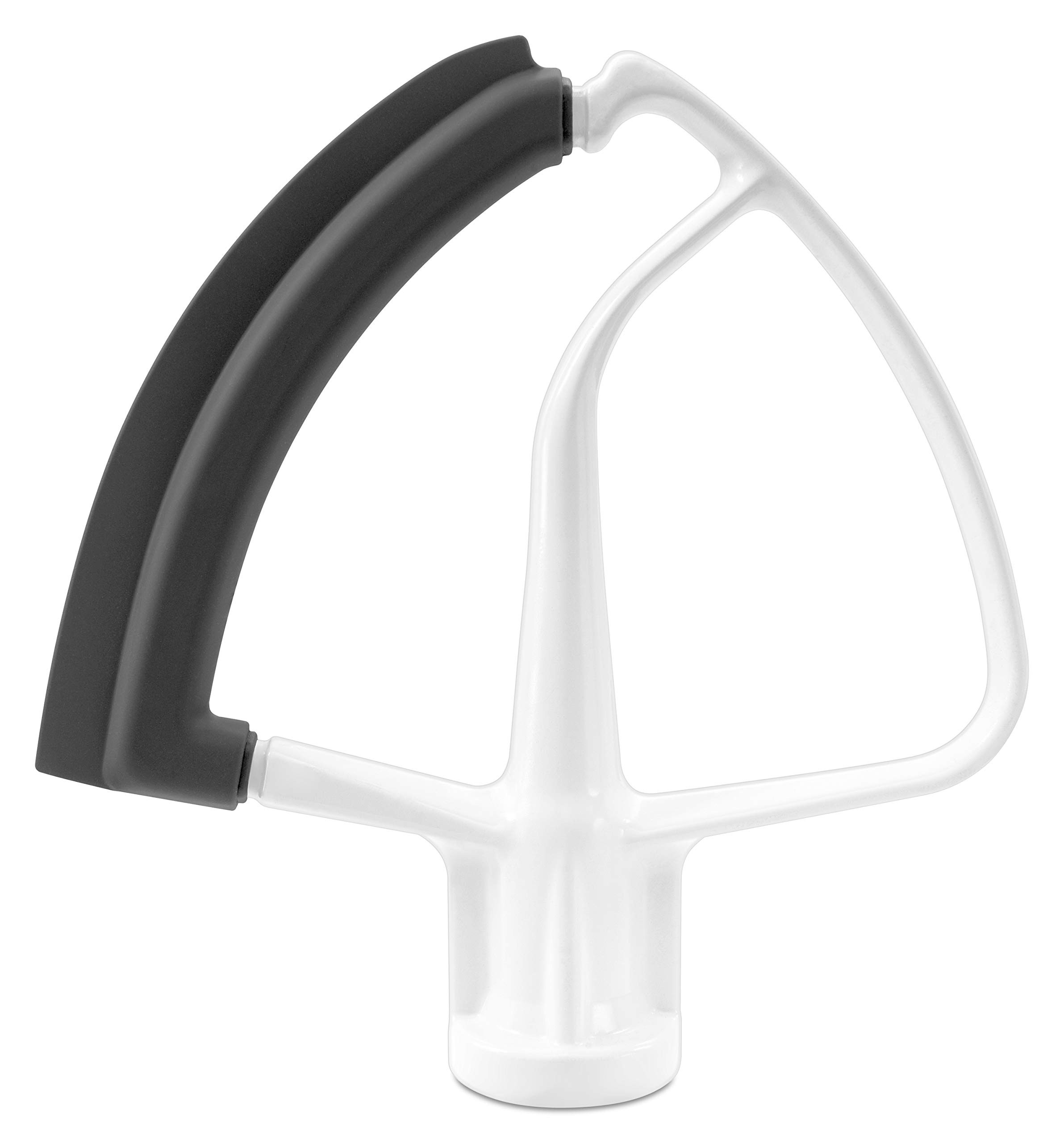
KitchenAid Flex Edge Beater
Flexible silicone edge scrapes the bowl sides automatically during mixing
Buy on Amazon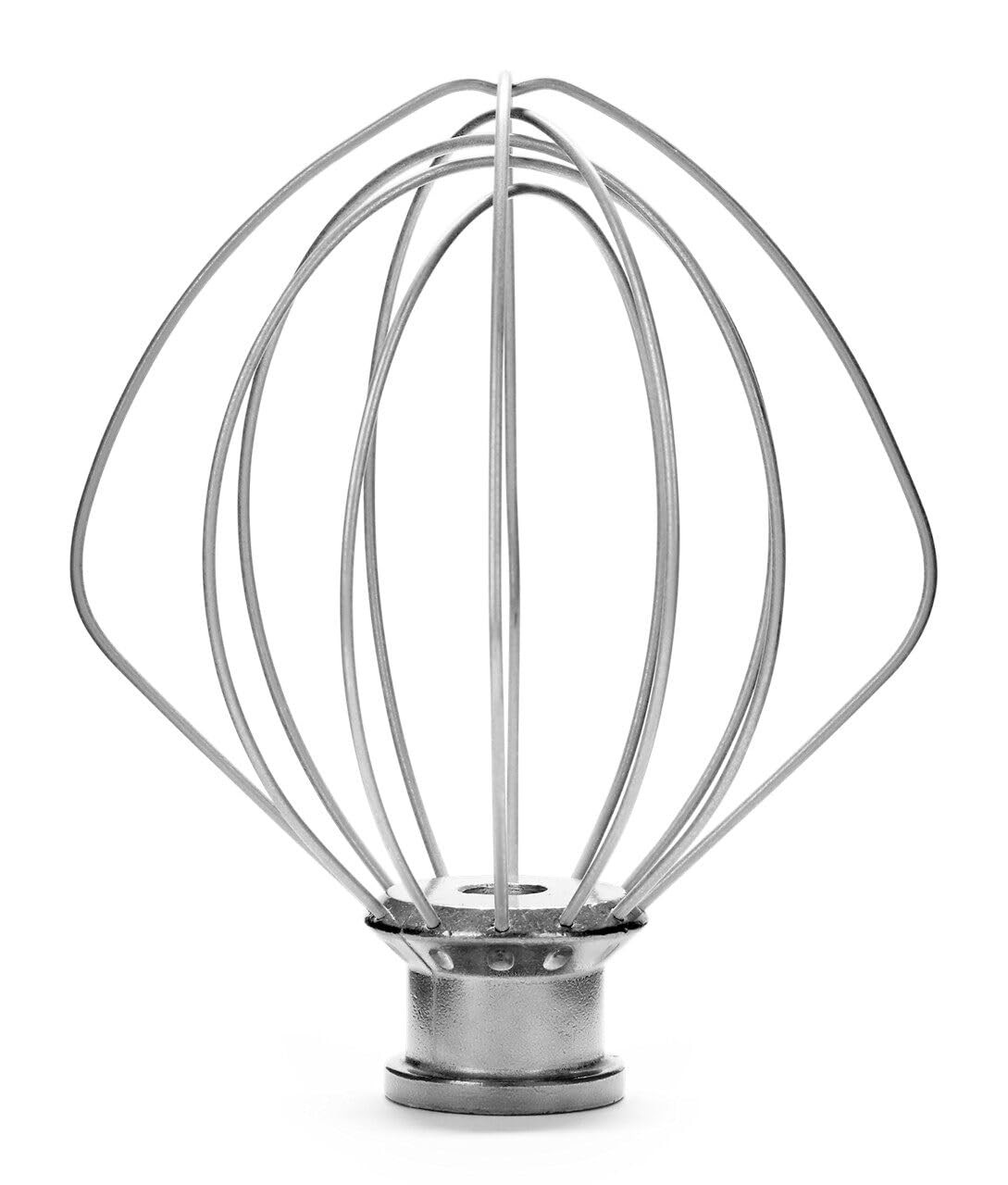
KitchenAid 5-Quart Wire Whip
Thin wires incorporate maximum air , ideal for meringue, whipped cream, and mousse
Buy on Amazon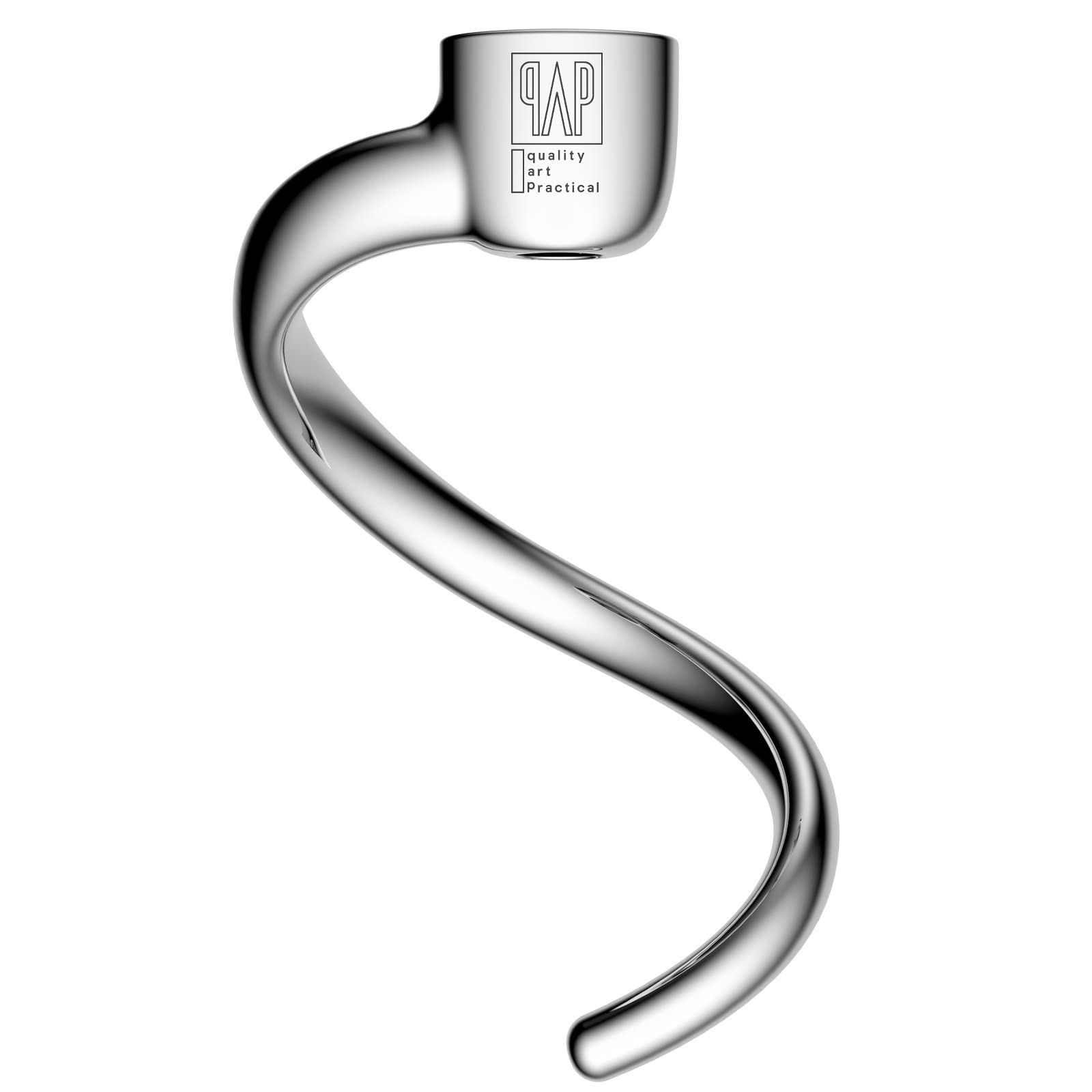
KitchenAid Dough Hook (Spiral)
Spiral design is more efficient at developing gluten than the old C-hook
Buy on Amazon| Product | Price Range | Top Strength | Key Weakness | Buy |
|---|---|---|---|---|
| KitchenAid Flex Edge Beater best overall | $ | Flexible silicone edge scrapes the bowl sides automatically during mixing | Silicone edge can wear over time with heavy use | Buy on Amazon |
| KitchenAid 5-Quart Wire Whip also consider | $ | Thin wires incorporate maximum air , ideal for meringue, whipped cream, and mousse | Single-purpose , not useful for mixing dense doughs or batters | Buy on Amazon |
| KitchenAid Dough Hook (Spiral) also consider | $ | Spiral design is more efficient at developing gluten than the old C-hook | Not effective below 2 cups of flour , too little dough for the hook to grab | Buy on Amazon |
| KitchenAid Artisan 5-Quart Stand Mixer (KSM150PS) also consider | $$$ | 10 speeds handle everything from meringue to bread dough | Expensive , over $400 at full retail | Buy on Amazon |
If you’ve owned a KitchenAid for more than a year, you’ve probably collected at least one attachment you never use and run out of the one you actually need. The beater question comes up constantly: which one, for what, and whether the stock attachment that came with your mixer is actually the right tool for what you’re doing. This guide covers the four attachments worth knowing about, including the one most people overlook, and gives you a direct answer on which to buy first.
For broader context on the machines themselves, the Stand Mixers hub covers the full range from entry-level to commercial.
What to Look For
KitchenAid attachments are not interchangeable across all models, which is the first thing to sort out before buying anything. Tilt-head models (the Artisan line, most 4.5- and 5-quart machines) take different attachments than bowl-lift models (the Professional and commercial lines). KitchenAid uses a color-coding system on their attachment pages, but the safest approach is to verify your model number before ordering.
Beyond compatibility, the question is application. The flat beater, the flex edge beater, the wire whip, and the dough hook each do something specific. Using the wrong one doesn’t just produce mediocre results. Using a wire whip in a stiff cookie dough will bend the wires. Running a dough hook through a thin batter wastes time and beats the texture out. The attachment matters.
Material and construction also vary more than the product photos suggest. Stainless steel is the standard and the right choice for durability. The coated beaters (the white or silver-coated flat beaters) hold up well for most baking but can chip if banged around in the dishwasher alongside metal pans. The spiral dough hook in stainless is a clear upgrade over the older C-hook design, and if your machine came with the C-hook, replacing it is worth considering.
Finally, price. All three attachment types reviewed here fall in the budget price category. The mixer itself is a different story.
Top Picks
KitchenAid Flex Edge Beater
The KitchenAid Flex Edge Beater is the attachment most home bakers don’t know exists, and it’s the one I’d recommend buying before anything else if you’re doing regular cake batters, cookie dough, or mashed potatoes.
The standard flat beater does the mixing. The Flex Edge does the mixing and scrapes the bowl sides simultaneously, because the outer edge is a flexible silicone flap that drags against the bowl wall on every pass. If you’ve ever had to stop the mixer, pull out the beater, scrape the sides with a spatula, and restart three times during a single batch of brownies, this is what fixes that. (I timed this on a batch of chocolate cake batter: the Flex Edge cut the hands-on time by about four minutes compared to the standard beater.)
The silicone edge does wear over time with heavy use. If you’re running this through stiff bread doughs or crumbly pie crust, the edge will degrade faster than it should. Use it for what it’s designed for: wet-to-medium batters and doughs. For stiff doughs, go to the standard flat beater or the dough hook.
Budget pricing. Straightforward purchase for anyone who bakes more than occasionally.
Best for. Cake batters, cookie dough, mashed potatoes, frosting, and any application where bowl scraping would otherwise interrupt the mixing process.
KitchenAid 5-Quart Wire Whip
The KitchenAid 5-Quart Wire Whip is a single-purpose tool, and it does its job well. Thin stainless wires, maximum air incorporation, fast results for meringue, whipped cream, mousse, and egg white-based batters like angel food.
Where people make mistakes with this attachment is speed. At high speed, cream goes from soft peaks to over-whipped butter faster than you expect. Meringue can stiffen past the point of folding smoothly. If you’re replacing a worn whip that came with your machine, this is a reliable replacement. If you’ve never owned one, understand what you’re buying: a tool for airy, light applications only.
For a detailed comparison of whisk-style attachments and when to use them, the whisk attachment for KitchenAid guide covers that ground specifically.
Stainless steel, dishwasher safe, budget pricing.
Best for. Meringue, whipped cream, mousse, genoise, and egg white applications. Not useful for anything with density or resistance.
KitchenAid Dough Hook (Spiral)
The KitchenAid Dough Hook (Spiral) replaced the C-hook design KitchenAid shipped with older machines, and the difference is real. The spiral shape maintains contact with the dough through a longer arc of each rotation, which develops gluten more evenly and without requiring you to poke the dough back under the hook every few minutes.
The C-hook had a tendency to ride up on the dough and spin through air above it rather than working the dough itself. With the spiral, that problem is largely gone, provided you’re working with an appropriate quantity. Below two cups of flour, there isn’t enough dough for the hook to engage properly. For small batches, hand-kneading is still more effective.
At the other end, resist the temptation to run the spiral hook at high speed for extended periods. Gluten over-development is a real outcome, and you’ll end up with bread that’s tough rather than chewy. For most bread recipes, speed 2 for eight to ten minutes is the appropriate range. Your recipe will specify, but if it doesn’t, that’s the baseline.
Fits all KitchenAid 5- and 6-quart tilt-head and bowl-lift models. Stainless steel, dishwasher safe, budget pricing.
Best for. Bread doughs, pizza dough, bagels, and any yeast-based application requiring gluten development.
KitchenAid Artisan 5-Quart Stand Mixer (KSM150PS)
The attachments above are only as useful as the machine they’re attached to. If you’re still running an older mixer with a weak motor or a worn planetary gear, the attachments won’t compensate. The KitchenAid Artisan 5-Quart Stand Mixer (KSM150PS) is the standard recommendation for home bakers for good reason. Ten speeds, planetary mixing action that covers the full bowl without unmixed pockets along the walls, and a hub port that accepts the full KitchenAid attachment ecosystem (pasta maker, meat grinder, ice cream maker, among others).
The 5-quart bowl is adequate for most home baking but can be limiting for large bread batches or double recipes. If you’re regularly making four loaves at a time or running a cottage bakery operation, the KitchenAid 8 Quart Commercial Stand Mixer is worth pricing out instead.
Premium pricing, which is a real consideration. This is one of the pricier options in the home stand mixer category. Check current price on Amazon, because it fluctuates significantly and sales do appear. At full retail, the price is hard to justify casually. For anyone who bakes weekly and expects the machine to last fifteen to twenty years, the math changes.
Best for. Home bakers who want a reliable, long-term machine with a broad attachment ecosystem.
How to Choose
Most buyers need exactly two attachments: the Flex Edge Beater and either the Wire Whip or the Dough Hook, depending on what they actually make.
If your baking skews toward cakes, cookies, and batters, the Flex Edge is your primary tool and the Wire Whip covers the occasional meringue or whipped cream application. If you bake bread regularly, the Flex Edge handles batters and the Spiral Dough Hook handles yeast doughs. You don’t need all three unless you’re doing both regularly.
The wire whip is the most frequently over-purchased attachment. People buy it and use it twice a year. If that’s you, it’s budget pricing, so it’s not a costly mistake, but be honest with yourself about how often you’re making meringue.
On the machine side, the Artisan 5-quart is the right recommendation for most home kitchens. If you’re curious about bowl upgrade options beyond the standard stainless, the copper bowl for KitchenAid mixer is an interesting option that I’ve used for egg white work specifically. For bakers whose volume has grown beyond what the 5-quart handles comfortably, the commercial 8-quart line (reviewed at KitchenAid commercial stand mixer 8 quart) is the logical next step.
The broader stand mixer category guide covers alternative machines if you’re not set on KitchenAid and want a comparison across brands before committing.
Buy the Flex Edge Beater first. Everything else is a decision you can make after you’ve used your machine for a few months and know what you actually bake.
Frequently Asked Questions
Can I use KitchenAid attachments across different mixer models?
Not always. Tilt-head models and bowl-lift models use different attachment fittings, and bowl size matters too. A 5-quart wire whip will not perform correctly in a 7-quart bowl-lift machine. Check your model number against KitchenAid’s compatibility guide before purchasing any attachment, including the ones reviewed here.
What is the difference between the Flex Edge Beater and the standard flat beater?
The standard flat beater mixes but does not contact the bowl walls. The Flex Edge Beater has a silicone flap along the outer edge that scrapes the bowl sides continuously during mixing. For most wet-to-medium batters, the Flex Edge reduces or eliminates the need to stop and scrape by hand. For very stiff doughs, the standard beater holds up better because the silicone edge wasn’t designed for that kind of resistance.
When should I use the dough hook instead of the beater?
Use the dough hook for any yeast-based dough that requires gluten development: bread, pizza dough, bagels, brioche. Use the beater (flat or Flex Edge) for batters, cookie doughs, and mashed items that don’t need gluten work. Using a beater on bread dough won’t develop the gluten structure properly. Using a dough hook on cake batter will over-mix and toughen the crumb.
How do I know if my KitchenAid attachment needs replacing?
For wire whips, look for bent or splayed wires and any rust at the connection point. For coated flat beaters, check for chipping along the edges. For the silicone Flex Edge, inspect the flap for tears, hardening, or separation from the metal body. Any of those signs mean the attachment is past its useful life. Running a damaged attachment through a batch of food isn’t a minor issue if the coating or silicone is degrading into what you’re making.
Is the KitchenAid Artisan worth the price compared to cheaper stand mixers?
At full retail, the Artisan is a premium purchase in a category where budget alternatives exist. The differentiators that hold up over time are motor durability, the quality of the planetary mixing action, and the attachment ecosystem. Cheaper stand mixers often have adequate motors for light use but struggle with bread doughs over time and don’t accept the KitchenAid attachment line. If you bake once a month and mostly make muffins, a budget mixer may be fine. If you bake weekly across multiple applications and want one machine for ten-plus years, the Artisan pricing makes more sense. Check current price on Amazon before deciding.
Frequently Asked Questions
What is the difference between the flat beater and the flex edge beater for KitchenAid?
The standard flat beater is solid stainless steel and the workhorse attachment for cookies, cakes, and mashed potatoes. The flex edge beater adds a flexible silicone edge that scrapes the bowl sides automatically during mixing, eliminating the need to stop and scrape by hand — worth the upgrade if you mix frequently.
Are KitchenAid attachments universal across all models?
No. Tilt-head models (Artisan, 4.5- and 5-quart machines) and bowl-lift models (Professional series, commercial lines) use different attachments. Always verify your model number before ordering, as the wrong attachment will not fit correctly.
When should I use the wire whip instead of the flat beater?
Use the wire whip for tasks that require maximum air incorporation: meringue, whipped cream, mousse, and angel food cake batter. Do not use the wire whip for thick or stiff doughs — the wires can bend under that load.
What is the spiral dough hook and is it better than the C-hook?
KitchenAid's spiral dough hook is more efficient than the older C-hook design because it keeps dough in contact with the bowl through the full rotation, developing gluten more evenly and faster. If your machine came with the C-hook, the spiral hook is worth replacing it.
Can the flat beater handle stiff cookie dough?
Yes — the flat beater is designed for exactly this. Start on low speed to avoid throwing flour, then increase as the dough comes together. The coated flat beater works well for most recipes, but the stainless version is more durable for heavy doughs used frequently.
Where to Buy
KitchenAid Flex Edge BeaterSee KitchenAid Flex Edge Beater on Amazon