Blade Cuisinart Food Processor Review & Buying Guide

Affiliate disclosure: Some links on this page are affiliate links. If you buy through them we earn a small commission at no extra cost to you. Recommendations are research-driven; we don't claim personal use of every product reviewed. Product prices and availability are accurate as of the date published and are subject to change. Always check Amazon for current pricing before purchasing. Learn more.
Quick Picks
Cuisinart 14-Cup Food Processor (CFP-14SVWGY)
14-cup capacity handles family-sized batches of dough, slicing, and shredding
Buy on Amazon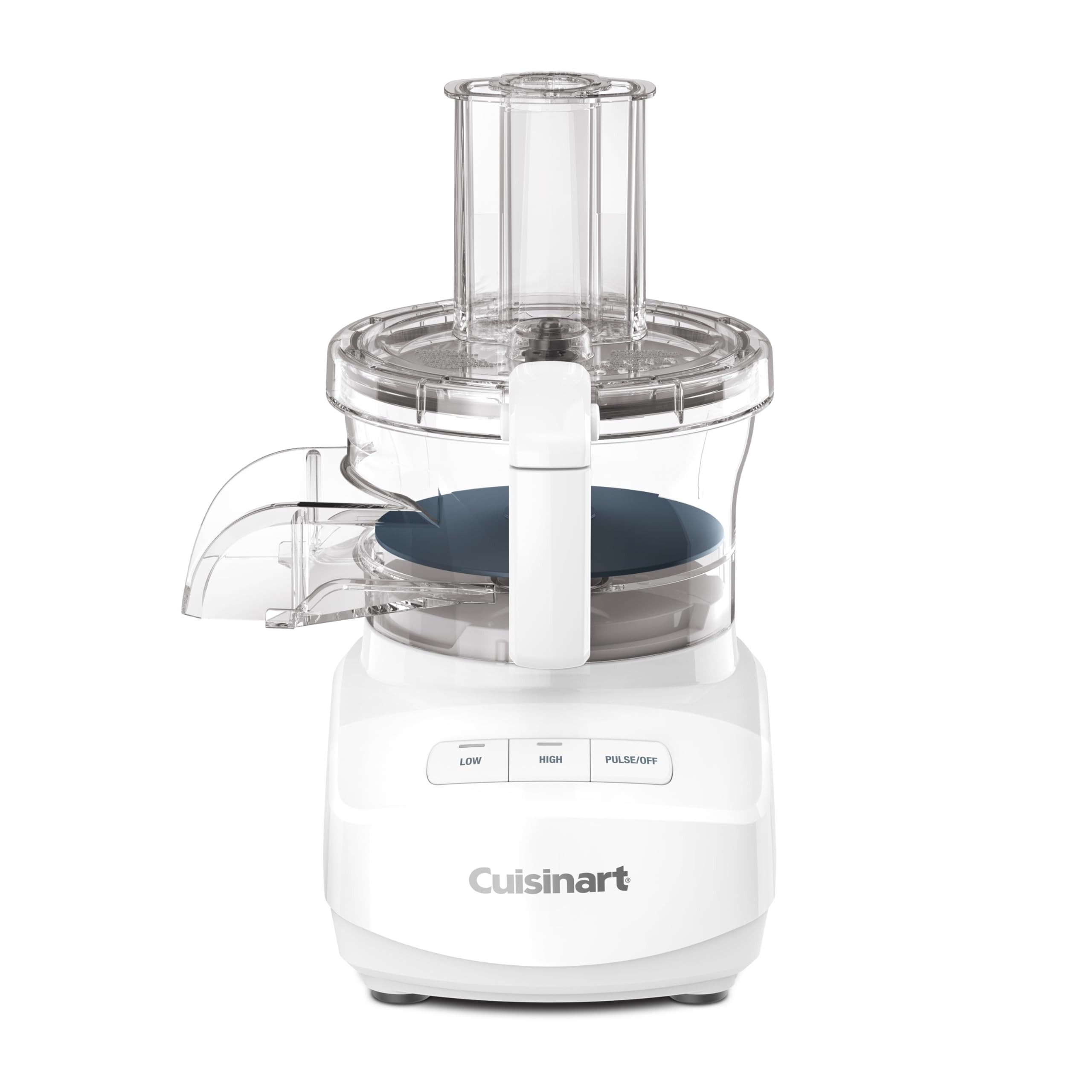
Cuisinart 9-Cup Food Processor (DFP-14BCWN)
More compact than the 14-cup , better for smaller kitchens and households
Buy on Amazon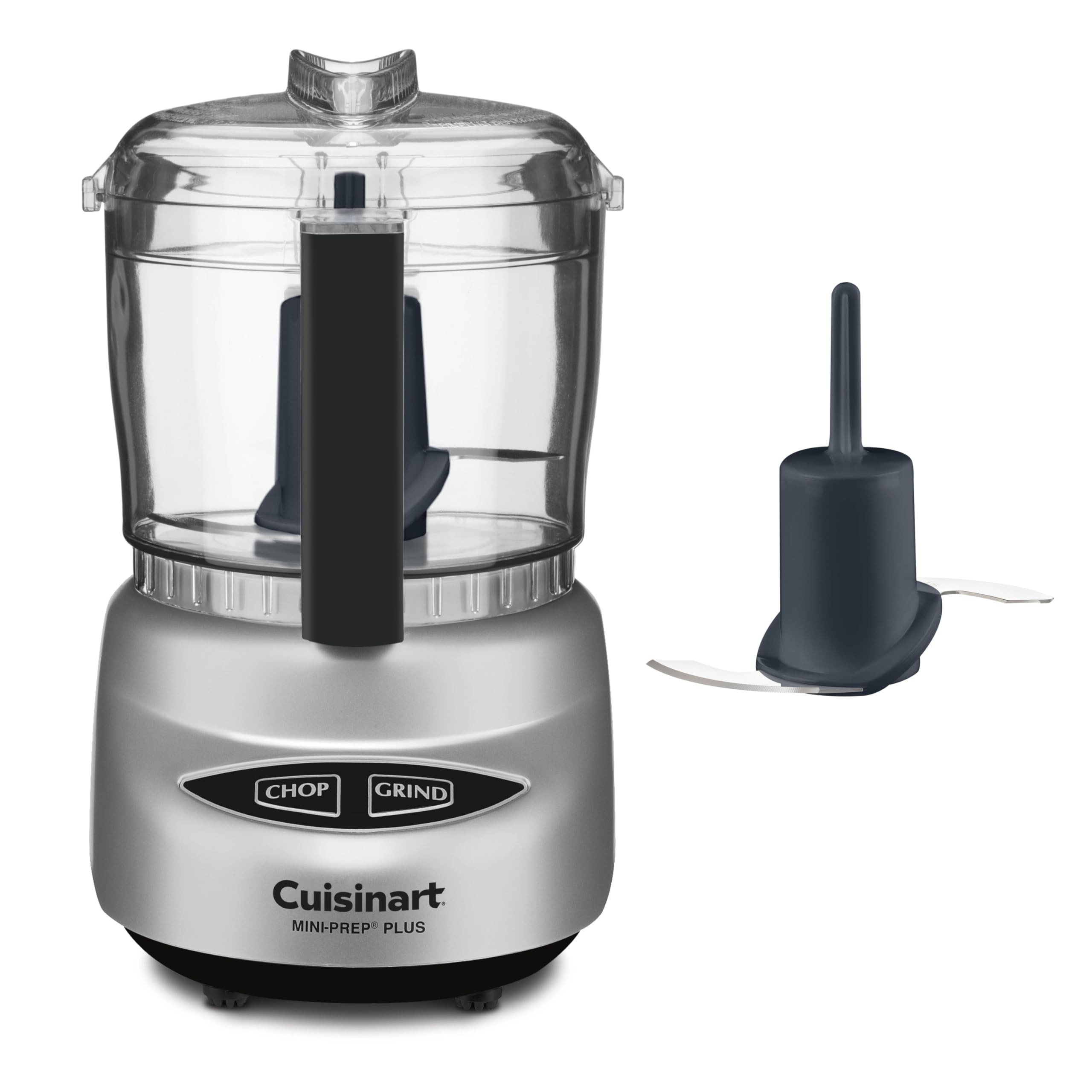
Cuisinart Mini-Prep Plus 3-Cup Food Processor
Compact enough to live on the counter permanently
Buy on Amazon| Product | Price Range | Top Strength | Key Weakness | Buy |
|---|---|---|---|---|
| Cuisinart 14-Cup Food Processor (CFP-14SVWGY) best overall | $$ | 14-cup capacity handles family-sized batches of dough, slicing, and shredding | Plastic bowl can stain with heavy use | Buy on Amazon |
| Cuisinart 9-Cup Food Processor (DFP-14BCWN) also consider | $$ | More compact than the 14-cup , better for smaller kitchens and households | 9-cup capacity too small for large batches of pie dough or bread dough | Buy on Amazon |
| Cuisinart Mini-Prep Plus 3-Cup Food Processor also consider | $ | Compact enough to live on the counter permanently | Only useful for small tasks , cannot slice or shred | Buy on Amazon |
| Breville Sous Chef 16-Cup Food Processor also consider | $$$ | 16-cup bowl with a 2.5-cup mini bowl for small tasks | Expensive , over $350 at full retail | Buy on Amazon |
The blade that comes with a food processor is almost never the part people think about when they buy one. They think about bowl size, motor wattage, and whether it’ll fit under the cabinet. Then the machine arrives, they run a few batches of vegetables through it, and they start forming opinions about the blades. Either the cuts are clean and consistent, or they’re not. Either the chopping blade leaves the onion in recognizable pieces, or it turns half of it to mush. The blade system is the product, really. The motor just powers it.
This guide covers four food processors worth your time, from a budget-tier mini to a premium full-size unit with a variable slicing disc. Most of the products here are Cuisinart because Cuisinart dominates this category for a reason, and I’ve used their equipment long enough to say that plainly. Check the Small Appliances hub if you’re doing a broader kitchen audit at the same time.
What to Look For in a Food Processor Blade System
The S-Blade (Chopping Blade)
Every full-size food processor ships with an S-shaped chopping blade, sometimes called the multi-purpose blade. This is the one doing most of your daily work: onions, garlic, herbs, meat, dough in some cases. The thing to evaluate is how evenly it processes. A poorly designed S-blade will obliterate whatever is closest to the center while barely touching the outer edges of the bowl. You want a blade with enough sweep to cover the full diameter and enough pitch to keep food moving rather than compacting.
Cuisinart’s S-blades across their lineup are consistently well-designed for the price. The geometry is sound. The metal is heavier than the discount brands. Cuisinart processors have been in this kitchen since the early 2000s, with the S-blade replaced once — after a collision with a frozen chunk of something that shouldn’t have been processed.
Slicing and Shredding Discs
Slicing and shredding discs sit on top of a spindle in the bowl rather than sitting at the bottom like an S-blade. Food goes through the feed tube and falls against the disc. The quality of your sliced vegetables, shredded cheese, and julienned whatever depends almost entirely on how sharp the disc is and how tightly it’s machined.
Cheap discs wobble. Wobble produces uneven slices. If you’ve ever had a food processor where half your cucumber slices come out thicker than the other half, that’s what a poorly machined disc looks like in practice. If you want slice-thickness control, that’s where the Breville Sous Chef earns its price premium.
Dough Blades
The plastic dough blade that ships with most full-size Cuisinart processors gets underestimated. It’s not decorative. For pie dough, pasta dough, and enriched bread doughs, the plastic blade does a reasonable job of mixing without overworking gluten the way a metal blade can. The limits are batch size and motor load. A 9-cup bowl is genuinely too small for a double batch of pie dough. A 14-cup bowl handles it.
Top Picks
Best Workhorse: Cuisinart 14-Cup Food Processor (CFP-14SVWGY)
The Cuisinart 14-Cup Food Processor (CFP-14SVWGY) is the machine I’d put in front of most households and tell them to stop shopping. Mid-range pricing, 14-cup bowl, and the full blade set: S-blade, slicing disc, shredding disc, and dough blade. That’s the configuration you want.
The slicing disc on this model produces clean cuts. The 14-cup bowl is large enough to process a full cauliflower without jamming product through the feed tube in absurd increments. Pie dough for a double crust works. A batch of coleslaw for eight people works. These are real household tasks, and the 14-cup Cuisinart handles them without drama.
Where it has limits: the motor is not designed for extended heavy processing. Nut butters are not a good idea. Fifteen minutes of continuous use will heat the motor, and Cuisinart’s safety cutoff will engage. If you regularly process nut butters, look at the Breville. The plastic bowl stains with turmeric and heavy herb use, which is a cosmetic issue but still worth knowing.
Compared to the Breville Sous Chef 16-Cup Food Processor, the Cuisinart 14-cup costs roughly half the price, handles the same basic task set, and gives up the variable slicing disc and the heavier motor. For most cooks, that trade-off is straightforward. The Breville is a more capable machine. It is also a significantly more expensive machine.
Best for Smaller Kitchens: Cuisinart 9-Cup Food Processor (DFP-14BCWN)
The Cuisinart 9-Cup Food Processor (DFP-14BCWN) is the right call if you’re cooking for one or two people consistently, or if counter space is the actual constraint. It’s priced below the 14-cup model, uses the same motor quality, and the S-blade is identical in design and steel.
The bowl size is the limitation and it’s a real one. A single batch of pie dough fits. A double batch doesn’t. Thick slicing of a full head of cabbage requires two loads. If your cooking involves large-batch prep on weekends, the 9-cup will frustrate you eventually. If your typical food processor task is a cup of salsa or a batch of hummus, it will never frustrate you.
The slicing disc on this model cuts slightly thicker than the 14-cup version (I measured this across several batches of zucchini, for what it’s worth), which is a minor difference but does affect delicate preparations. For cucumber rounds and zucchini ribbons where thickness matters, the 14-cup disc is more precise.
Best Mini Option: Cuisinart Mini-Prep Plus 3-Cup Food Processor
The Cuisinart Mini-Prep Plus 3-Cup Food Processor is in the budget category and earns its place on the counter by doing a specific set of tasks faster than a full-size machine. Mincing two cloves of garlic in a 14-cup bowl produces a mess and an awkward cleaning job. In a 3-cup bowl, it takes eight seconds and the machine rinses clean in another ten.
This is not a replacement for a full-size food processor. It cannot slice or shred. The bowl holds three cups, which means its entire purpose is: garlic, ginger, shallots, small batches of herbs, a handful of nuts, a single portion of pesto. Those tasks come up every time I cook.
The bowl does stain with repeated herb processing, particularly basil. There’s no real solution for that other than accepting it or buying a replacement bowl periodically. The machine itself lasts for years.
If you already own a full-size food processor and you’re wondering whether a mini is redundant, the answer is no. I reach for the mini more often than the 14-cup on weeknights, the same way I reach for an immersion blender instead of the Vitamix when I only need to blend a single portion of soup.
Best for Serious Cooks: Breville Sous Chef 16-Cup Food Processor
The Breville Sous Chef 16-Cup Food Processor is the premium option in this category and it’s priced accordingly. One of the pricier options in the full-size food processor class, it justifies that premium with two specific features: a 1200-watt motor that handles nut butters and extended heavy processing without engaging a thermal cutoff, and a variable slicing disc that adjusts from 0.3mm to 8mm thickness.
That variable slicing disc is what matters if you actually care about knife work. Paper-thin fennel for a salad is 0.5mm. Cucumber rounds for pickling are 3mm. Potato gratin slices are 5mm. With a fixed-thickness disc, you approximate. With the Breville disc, you set it. If you’re the kind of cook who otherwise reaches for a Super Benriner mandoline slicer for precise cuts, the Breville disc produces comparable results with considerably less risk to your fingers.
The 16-cup bowl plus a 2.5-cup mini bowl is a practical setup. The part count is higher than a standard Cuisinart, and cleaning takes longer. That’s the trade-off. The machine is unambiguously more powerful and more precise than anything Cuisinart makes at this price level.
How to Choose
The decision tree here is shorter than most guides make it.
If you cook for one or two people, have a smaller kitchen, and your food processor tasks are routine, the Cuisinart 9-cup is the right call. If you cook for a family, batch-prep on weekends, or regularly make dough, buy the 14-cup and stop thinking about it.
If you’re a serious home cook who processes nut butters, wants precision slicing, or simply wants a machine that won’t hit its limits on demanding tasks, the Breville Sous Chef is worth the premium. Buy it once, don’t replace it for a decade.
The 3-cup mini belongs in most kitchens that already have a full-size machine. It’s inexpensive enough that the calculation is simple.
A word on blades specifically: Cuisinart replacement blades are available and reasonably priced. If you buy a Cuisinart processor and use it heavily for five to seven years, the S-blade will eventually dull. Replacing it is not expensive and the machine runs like new afterward. (I replaced mine after about six years of weekly use, and the difference was noticeable.) The same logic applies if you’re looking at other high-use small appliances; our Small Appliances section covers maintenance and longevity factors across the category.
One thing worth stating plainly: resist buying a food processor because it includes the most blade attachments. More discs in the box is a marketing strategy. The machines that include spiral-cutting attachments, julienne discs, and egg whips are rarely better at the core tasks. Cuisinart’s straightforward blade sets have covered everything I’ve needed for thirty years of serious cooking. I’d rather have four well-made blades than twelve mediocre ones.
Frequently Asked Questions
What blade should I use for pie dough in a Cuisinart food processor?
Use the plastic dough blade that ships with the full-size Cuisinart models. The metal S-blade will work but overprocesses gluten more easily, which produces a tougher crust. The dough blade mixes without cutting, which is what pastry dough needs. Keep your butter cold, pulse in short bursts, and stop as soon as the dough holds together.
Can I use a Cuisinart food processor for nut butters?
The 14-cup Cuisinart (CFP-14SVWGY) and the 9-cup (DFP-14BCWN) are not designed for nut butter processing. The motor will run hot under that load, and the thermal protection will shut the machine off. If nut butter is a regular task in your kitchen, the Breville Sous Chef’s 1200-watt motor is built for it. The Cuisinart motors are capable machines for their intended use range, and nut butter is outside it.
How do I get the food processor blade sharp again?
Cuisinart S-blades and slicing discs are not designed to be resharpened at home. When a blade dulls after years of use, the practical solution is to buy a replacement blade directly from Cuisinart’s parts site or through Amazon. Replacement S-blades for current Cuisinart models are priced in the budget category. It’s more cost-effective than buying a new machine, and the difference in performance after swapping a worn blade is immediate.
Is the Cuisinart 9-cup bowl compatible with the 14-cup model’s blades?
No. The 9-cup (DFP-14BCWN) and the 14-cup (CFP-14SVWGY) use different bowls and their disc spindles are sized for those specific bowls. Blades and discs are not interchangeable across bowl sizes. When ordering replacement blades or discs, verify the model number before purchasing. Cuisinart’s parts system is organized by model number and it matters.
What’s the difference between the Cuisinart food processor and the Breville Sous Chef for everyday use?
For most daily tasks, chopping vegetables, slicing onions, shredding cheese, making hummus, the Cuisinart 14-cup performs the same job as the Breville Sous Chef. The practical differences emerge in three situations: you need precise slice thickness (the Breville’s variable disc; the Cuisinart’s is fixed), you process nut butters or run the machine continuously for long periods (the Breville’s 1200-watt motor handles it; the Cuisinart’s does not), or you’re processing very large batches (the Breville’s 16-cup bowl has a meaningful edge over the 14-cup). If none of those situations apply to your cooking, the Cuisinart is the better value by a considerable margin.
Frequently Asked Questions
What blades come with a Cuisinart food processor?
Most full-size Cuisinart food processors ship with the S-shaped chopping blade (multi-purpose blade), a medium slicing disc, a shredding disc, and a dough blade. The 14-cup models often include more disc options. The mini 3-cup prep processor comes only with the S-blade, which handles chopping but not slicing or shredding.
Can I buy replacement Cuisinart food processor blades separately?
Yes. Cuisinart sells replacement S-blades, slicing discs, and shredding discs separately, and they are widely available on Amazon. Make sure to match the model number — blade compatibility varies between Cuisinart's different processor lines.
What size Cuisinart food processor is best for most home kitchens?
The 14-cup Cuisinart food processor handles family-sized batches, pie dough, and large vegetable prep without multiple passes. The 9-cup is a solid compromise for smaller households. The 3-cup mini prep is best as a secondary machine for herbs, garlic, and small sauce quantities — not as a primary processor.
Is the Cuisinart or Breville food processor better for slicing?
The Breville Sous Chef's variable slicing disc (0.3mm to 8mm) offers precision slicing that Cuisinart's fixed-thickness discs cannot match — a genuine advantage for mandoline-style vegetable prep. For standard chopping, dough, and shredding, Cuisinart's blade quality is reliable and the price difference is significant.
How do I keep the Cuisinart S-blade from leaking liquid under the bowl?
The seal between the blade stem and the bowl bottom degrades over time with heavy use. If liquid is leaking through the center, the bowl gasket or blade stem seal likely needs replacing — both are available as Cuisinart replacement parts. Avoid overfilling the bowl with liquids beyond the fill line marked on the inside.
Where to Buy
Cuisinart 14-Cup Food Processor (CFP-14SVWGY)See Cuisinart 14-Cup Food Processor (CFP-… on Amazon