Breville Espresso Machine Filters: A Buyer's Guide

Affiliate disclosure: Some links on this page are affiliate links. If you buy through them we earn a small commission at no extra cost to you. Recommendations are research-driven; we don't claim personal use of every product reviewed. Product prices and availability are accurate as of the date published and are subject to change. Always check Amazon for current pricing before purchasing. Learn more.

Quick Picks
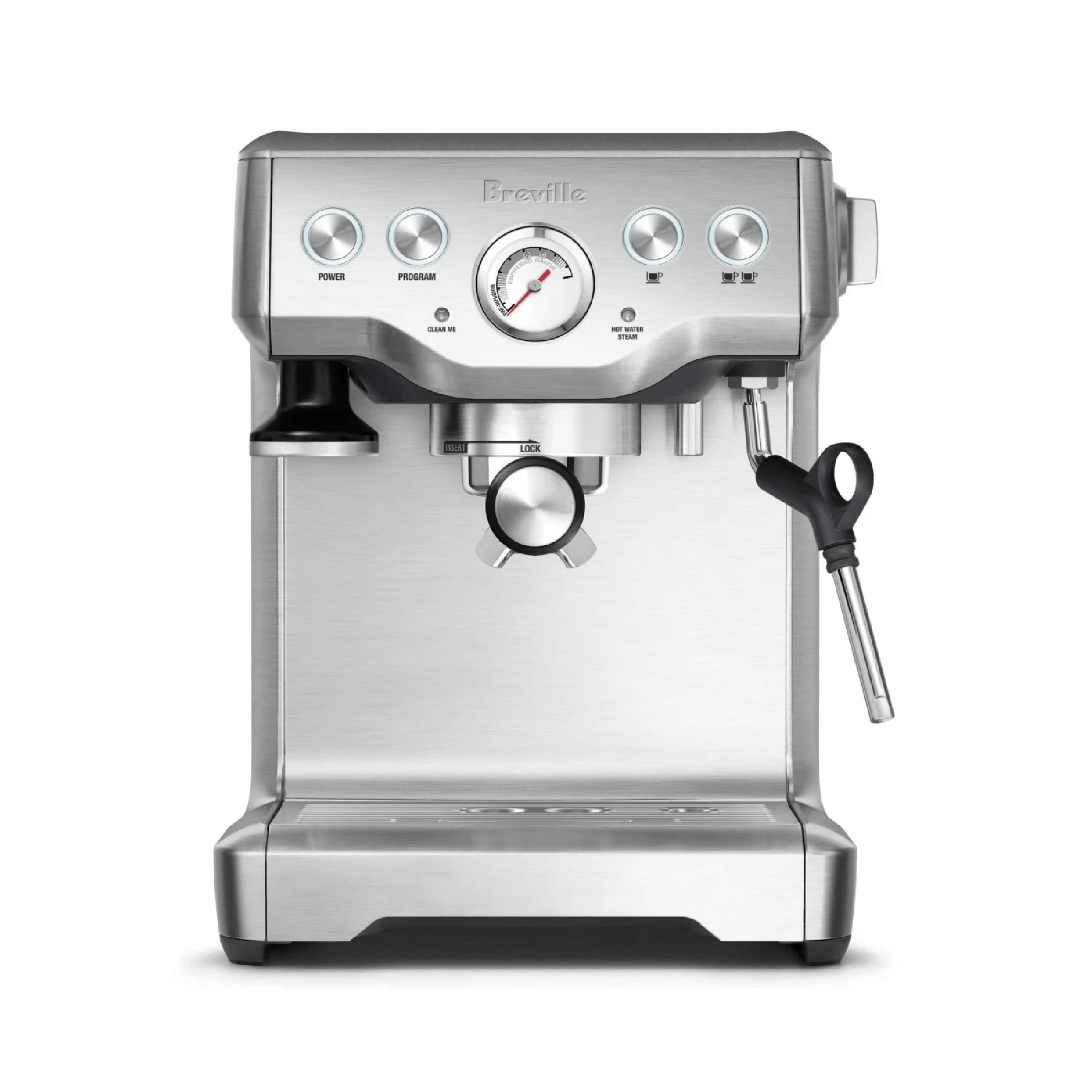
Breville Infuser Espresso Machine (BES840)
Pre-infusion wets the coffee puck before full pressure , more even extraction
Buy on Amazon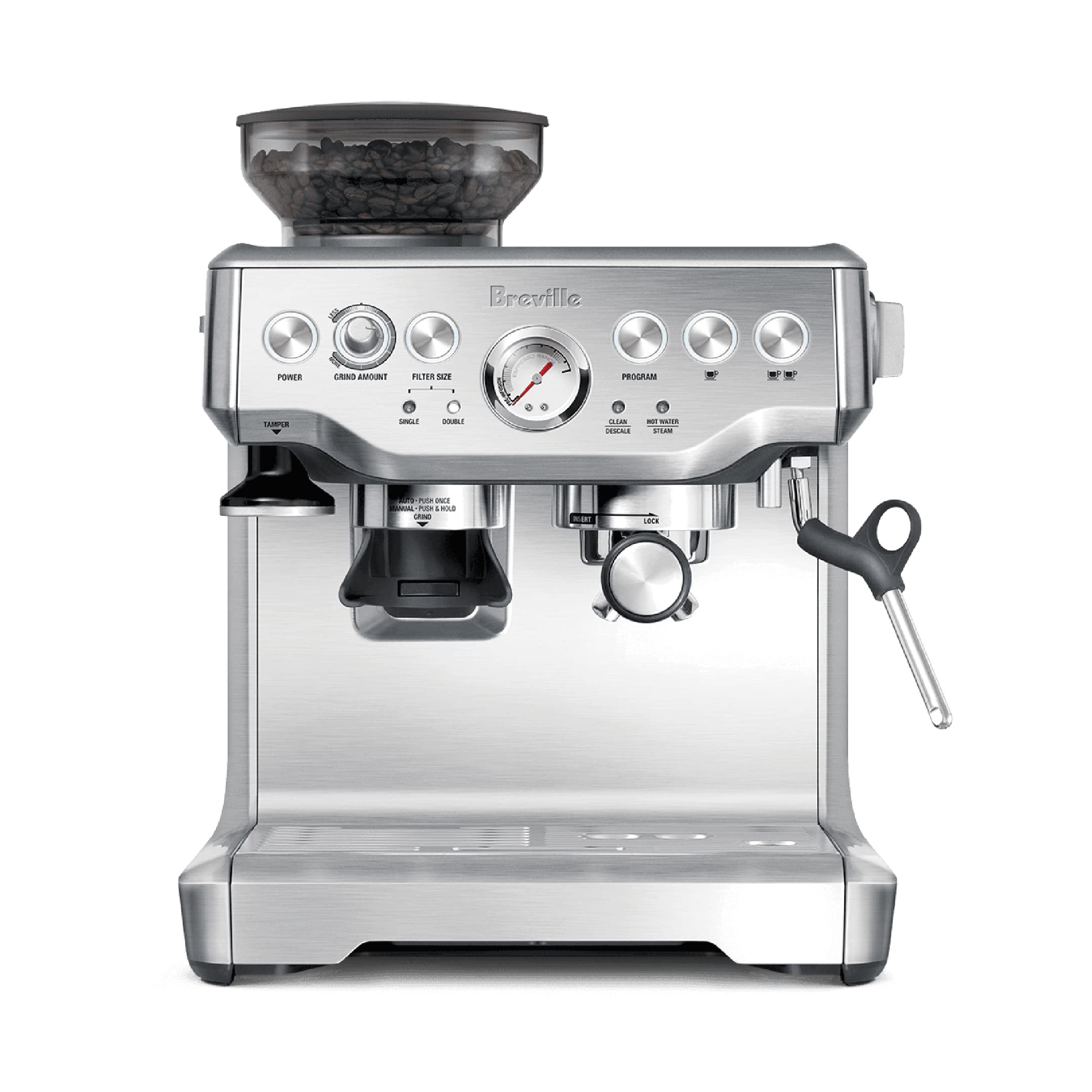
Breville Barista Express Espresso Machine (BES870)
Built-in conical burr grinder , grind fresh directly into the portafilter
Buy on Amazon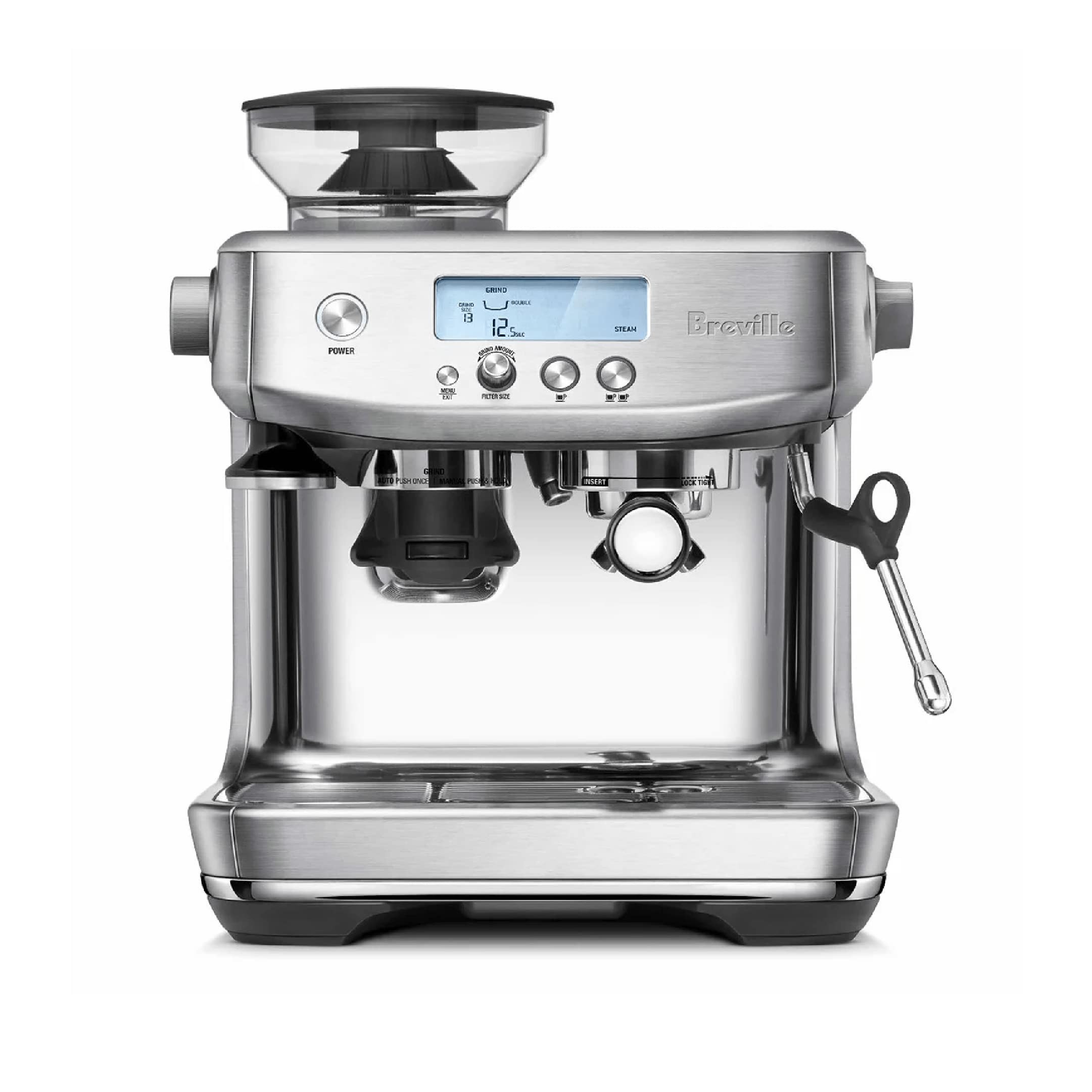
Breville Barista Pro Espresso Machine (BES878)
Integrated ThermoJet heating system reaches brew temperature in 3 seconds
Buy on Amazon| Product | Price Range | Top Strength | Key Weakness | Buy |
|---|---|---|---|---|
| Breville Infuser Espresso Machine (BES840) best overall | $$ | Pre-infusion wets the coffee puck before full pressure , more even extraction | Requires separate grinder for best results , adds cost | Buy on Amazon |
| Breville Barista Express Espresso Machine (BES870) also consider | $$$ | Built-in conical burr grinder , grind fresh directly into the portafilter | Built-in grinder limits flexibility vs a dedicated grinder , harder to upgrade one component | Buy on Amazon |
| Breville Barista Pro Espresso Machine (BES878) also consider | $$$ | Integrated ThermoJet heating system reaches brew temperature in 3 seconds | Expensive , premium over Barista Express for the ThermoJet heating | Buy on Amazon |
Espresso filters are one of those purchases that sound like a minor detail until you’ve pulled a channeled shot and watched good coffee flush straight through the side of your puck. At that point, the filter basket becomes very interesting. Breville machines come with perfectly functional included filters, but the aftermarket is worth understanding because not all baskets perform the same, and Breville’s own lineup spans machines at different price points with different included hardware. If you’re buying a Breville espresso machine and want to know which one ships with filters that match the machine’s actual capabilities, or whether you need to upgrade what’s in the box, this guide covers the three machines worth considering.
For context on how these machines fit into a broader small appliance setup, the Small Appliances section covers the full range of countertop equipment with the same evaluative approach.
What to Look For in Breville Espresso Machine Filters
The filter basket is the last thing between your ground coffee and your cup. Breville machines use 54mm portafilters across most of their semi-automatic lineup, which is worth confirming before you buy aftermarket baskets. The BES840, BES870, and BES878 all use 54mm, which standardizes your options considerably.
Basket Type and Shot Volume
Single and double baskets have different dose ranges, and using the wrong basket for your dose is one of the most common extraction problems. Breville ships dual-wall (pressurized) and single-wall (non-pressurized) baskets depending on the machine and package. Dual-wall baskets are forgiving with pre-ground coffee because the second wall creates back-pressure that compensates for uneven grind or tamping. Single-wall baskets are less forgiving and require a consistent grind and proper tamp, but they give you accurate feedback on what’s actually happening with your extraction.
If you’re grinding fresh with a burr grinder, single-wall baskets will show you more information about your technique. If you’re using pre-ground, the dual-wall basket is doing real work. Neither is wrong for its context.
Hole Pattern and Extraction Evenness
The hole count, diameter, and pattern in the basket floor affect how water distributes through the puck. Breville’s included baskets are competent, but if you’re chasing more even extraction, the IMS and VST competition baskets (both available in 54mm) have tighter hole tolerances and a more uniform distribution pattern. These are premium accessories at premium prices, and they matter more once your machine and grinder are already dialed in. Upgrading the basket before the grinder is like buying good tires for a car with a bent frame.
Material and Coating
Stainless steel is standard. Some aftermarket baskets have a smoother interior finish that helps with puck release and cleaning. For daily use, this matters less than hole consistency. What matters more is that the basket seats properly in the portafilter without wobble, which affects seal quality and shot consistency.
Top Picks: Three Breville Machines Worth Considering
Breville Infuser Espresso Machine (BES840)
The BES840 is the entry point into serious home espresso and ships with both pressurized and non-pressurized baskets. The pre-infusion feature wets the puck at low pressure before ramping to full brew pressure, which reduces channeling more than basket choice alone can. PID temperature control keeps the boiler at a consistent brew temperature, which is a bigger deal for espresso quality than most people expect when they’re new to this.
The filter situation on the BES840: the included non-pressurized double basket is adequate. If you want to improve extraction consistency before buying a better grinder, the Breville razor dose trimming tool matters more than a basket upgrade. Get the grinder right first.
What the BES840 doesn’t do well is steam. The steam wand produces less pressure than the BES870 or BES878, which is noticeable if you’re making milk drinks. For straight espresso or americano drinkers, this isn’t a problem. For a flat white every morning, it becomes a friction point quickly.
The BES840 is mid-range pricing. For a full review focused specifically on this machine’s performance and quirks, the Breville The Infuser Espresso Machine review covers the day-to-day experience in more depth. And if you’re comparing Breville to another brand entirely, the Breville Espresso Machine Vs Delonghi piece addresses that directly.
Breville Barista Express Espresso Machine (BES870)
The BES870 is the machine I’d point most buyers toward, and the filter situation here is better than the BES840 because the built-in conical burr grinder changes the context. Fresh-ground coffee extracts more evenly through the same basket because the grind is more consistent than pre-ground. The dose control grinding lets you grind directly into the portafilter, which reduces handling and the minor mess of transferring grounds.
The included non-pressurized double basket is where you’ll spend most of your time. It’s a 54mm single-wall basket, and with fresh grinding, it performs well. The BES870’s 15-bar Italian pump provides enough pressure headroom to work with the basket’s geometry properly.
The trade-off on the BES870 is the integrated grinder. Once you’re using it, you can’t upgrade the grinder independently without abandoning the built-in unit entirely and buying a standalone. For most home cooks who want excellent espresso without building a two-component setup, that’s not a real constraint. For someone who wants to eventually move to a Niche Zero or similar dedicated grinder, the BES870 price band includes grinder cost that you’d be paying twice.
The BES870 footprint is substantial. Measure your counter space before ordering. This machine takes up real estate, and it needs clearance above for the hopper. (I measure my counter before buying anything taller than a toaster, and the BES870 made this more relevant than usual.)
For anyone considering a pre-owned option, the Refurbished Breville Espresso Machine piece addresses what to watch for when buying used, including portafilter and basket condition.
Breville Barista Pro Espresso Machine (BES878)
The BES878 is the BES870 with two meaningful changes. The ThermoJet heating system reaches brew temperature in 3 seconds versus roughly 30 seconds on the BES870. The grinder has 30 settings versus 16 on the BES870. Everything else, including the 54mm portafilter and basket setup, is functionally similar.
The filter and basket hardware on the BES878 is comparable to the BES870. The single-wall double basket included is the same spec, which makes sense because the portafilter dimensions are identical. The extraction quality difference between the two machines at the basket level is negligible. Where the BES878 earns its premium pricing over the BES870 is the heat-up speed and grinder granularity.
Whether 3-second preheat justifies the cost premium is a question about your actual morning routine. If you make espresso on a schedule and plan ahead, the BES870’s 30-second warmup is not a practical problem. If you want to pull a shot the instant the thought occurs to you, the ThermoJet matters. The LCD controls on the BES878 also require more initial setup than the BES870’s dial interface, which some people find intuitive and others find annoying. There’s no objectively correct answer on the interface question, though I found the dials on the BES870 faster to operate without looking at the machine.
The BES878 is premium pricing at the higher end. It’s the right machine if you’re committed to the all-in-one format and want the faster heat-up. It’s not the right machine if the primary driver is filter or extraction quality, because those gains come from the grinder and technique before they come from heating system speed.
How to Choose Between These Three
The filter hardware across these machines is close enough that it shouldn’t be a deciding factor. Here’s what should be.
If you already own a good burr grinder or plan to buy a dedicated one, start with the BES840. It gives you PID temperature control and pre-infusion, which are the machine-level features that actually affect shot quality, without bundling a grinder you won’t use.
If you want one machine that handles grinding and extraction without a separate component, buy the BES870. The built-in grinder is genuinely good for a home setup, and the all-in-one footprint trades counter space for workflow simplicity. For most buyers in this category, this is the practical recommendation.
If faster heat-up and finer grind adjustments are worth a meaningful price premium to you, the BES878 delivers on both. The basket and portafilter hardware won’t feel different in your hand, but the ThermoJet preheat changes the machine’s behavior in daily use.
On aftermarket filters specifically. If you buy any of these machines and want to upgrade the basket, the IMS 54mm precision basket is the place to start. It’s a worthwhile upgrade once your grind is dialed in. Before that, it’s a minor variable in a much larger equation.
For a closer look at the portafilter hardware and what the 54mm standard means for aftermarket compatibility, the Breville Espresso Machine Portafilter review covers that in detail.
The broader small appliances section includes related equipment that pairs with espresso machines, including grinder comparisons and milk frother options, if you’re building out a full setup.
Frequently Asked Questions
Do all Breville espresso machines use the same filter size?
Most of Breville’s semi-automatic home machines use a 54mm portafilter, including the BES840, BES870, and BES878 covered here. Breville’s higher-end prosumer machines, like the Dual Boiler (BES920) and Oracle series, use a different size, so confirm your machine model before buying aftermarket baskets.
Should I use the pressurized or non-pressurized basket?
Use the non-pressurized (single-wall) basket if you’re grinding fresh with a burr grinder. Use the pressurized (dual-wall) basket if you’re using pre-ground coffee or a blade grinder. The pressurized basket compensates for grind inconsistency. Once you’re grinding fresh and consistently, the single-wall basket gives you more accurate feedback on your extraction.
Is it worth buying an aftermarket basket like IMS or VST?
Once your grinder is dialed in and your tamping is consistent, yes. The IMS 54mm precision basket has tighter hole tolerances than the included Breville baskets and produces more even extraction. But upgrading the basket before you’ve stabilized your grind and dose is spending money on the wrong variable. Get the grind right first.
Can I use the Breville portafilter and baskets from the BES870 in the BES840?
Yes. Both use the 54mm portafilter standard, and the baskets are interchangeable. If you’re upgrading from one machine to the other, your existing aftermarket baskets and portafilter accessories carry over.
How often should I clean or replace the filter basket?
Clean the basket after every use, and backflush with a cleaning tablet weekly if your machine supports it. Stainless baskets don’t wear out quickly under normal use, but if you see calcium buildup that doesn’t respond to descaling solution, or physical damage to the hole pattern, replacement is straightforward and inexpensive. A warped or clogged basket is one of the easier espresso problems to fix, and new baskets are available for well under the price of a service call.
Frequently Asked Questions
What portafilter size do Breville espresso machines use?
Most Breville semi-automatic machines — including the Infuser (BES840), Barista Express (BES870), and Barista Pro (BES878) — use a 54mm portafilter. This is a non-standard size between the 58mm used by commercial machines and the 51mm used by some compact home machines, so confirm the size before buying aftermarket baskets.
What is the difference between dual-wall and single-wall espresso filter baskets?
Dual-wall (pressurized) baskets have a second perforated layer that creates back-pressure, compensating for inconsistent grinds and tamping — ideal if you use pre-ground coffee or are new to espresso. Single-wall (non-pressurized) baskets give you direct feedback on your extraction and are the right choice when using a quality burr grinder and fresh-ground beans.
Should I upgrade the filter basket that came with my Breville espresso machine?
Breville's included baskets are competent for most users. If you have dialed in your grinder and tamp technique and want to improve extraction evenness further, IMS or VST competition baskets (both available in 54mm) offer tighter hole tolerances. Upgrade the grinder before the basket — a better basket cannot fix a poor grind.
Which Breville espresso machine is best for someone who already owns a grinder?
The Breville Infuser (BES840) is the best choice if you have a dedicated grinder. It offers pre-infusion and PID temperature control without paying for the built-in grinder of the Barista Express or Barista Pro. This lets you upgrade grinder and machine independently.
How do I clean Breville espresso filter baskets?
After each use, knock out the puck, rinse the basket under hot water, and wipe clean. For a deeper clean, soak the basket in backflush detergent (like Cafiza) periodically — monthly is a reasonable cadence for daily use. Avoid abrasive scrubbers that can damage the hole finish and affect extraction.
Where to Buy
Breville Infuser Espresso Machine (BES840)See Breville Infuser Espresso Machine (BE… on Amazon