Bamix Immersion Blender Review & Alternatives

Affiliate disclosure: Some links on this page are affiliate links. If you buy through them we earn a small commission at no extra cost to you. Recommendations are research-driven; we don't claim personal use of every product reviewed. Product prices and availability are accurate as of the date published and are subject to change. Always check Amazon for current pricing before purchasing. Learn more.
Quick Picks
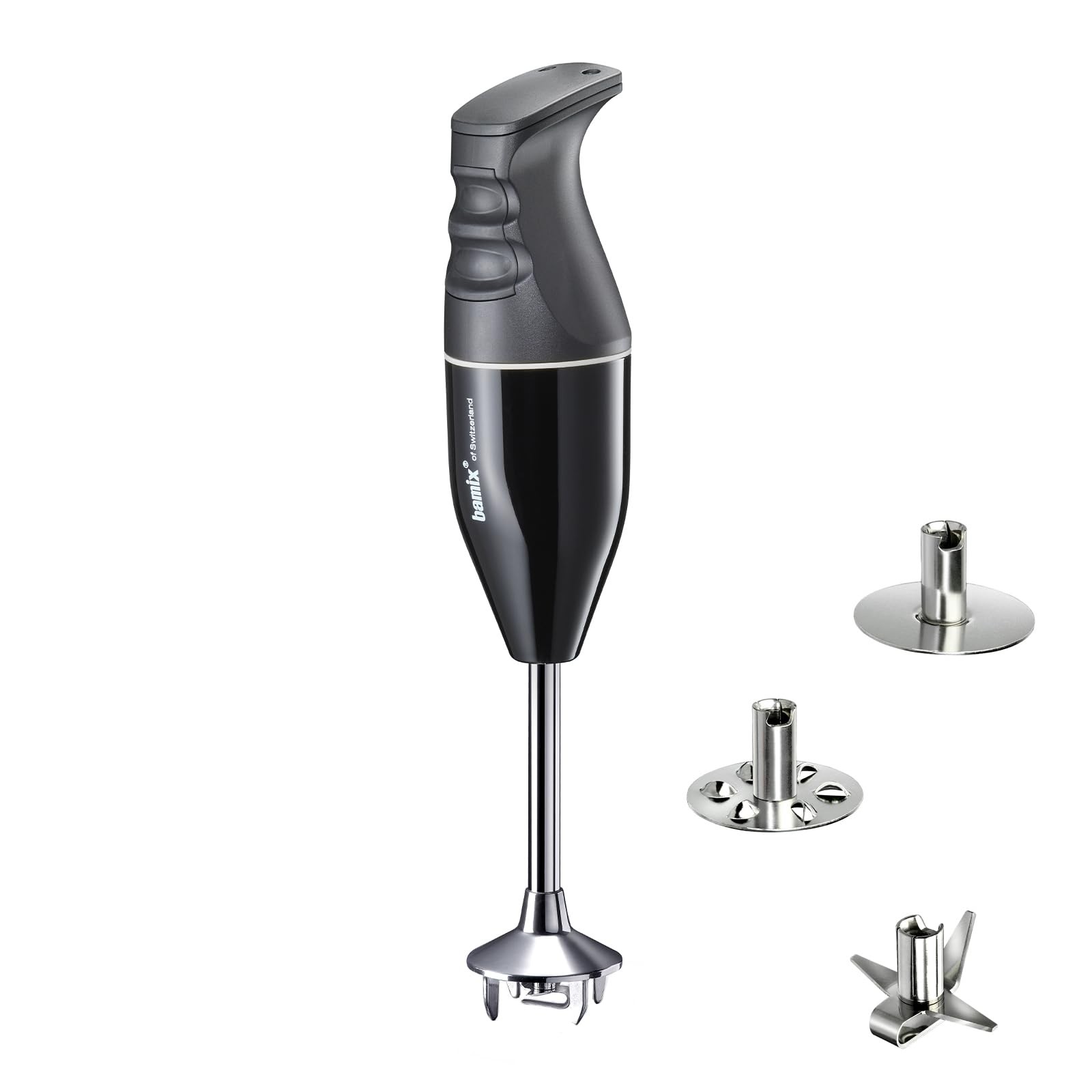
Bamix SwissLine Immersion Blender
Swiss-made motor runs at 12,000 RPM , significantly faster than most immersion blenders
Buy on Amazon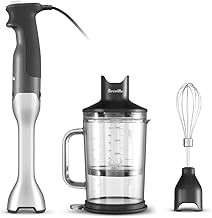
Breville Control Grip Immersion Blender
Bell-shaped guard prevents splashing , practical for soups and sauces
Buy on Amazon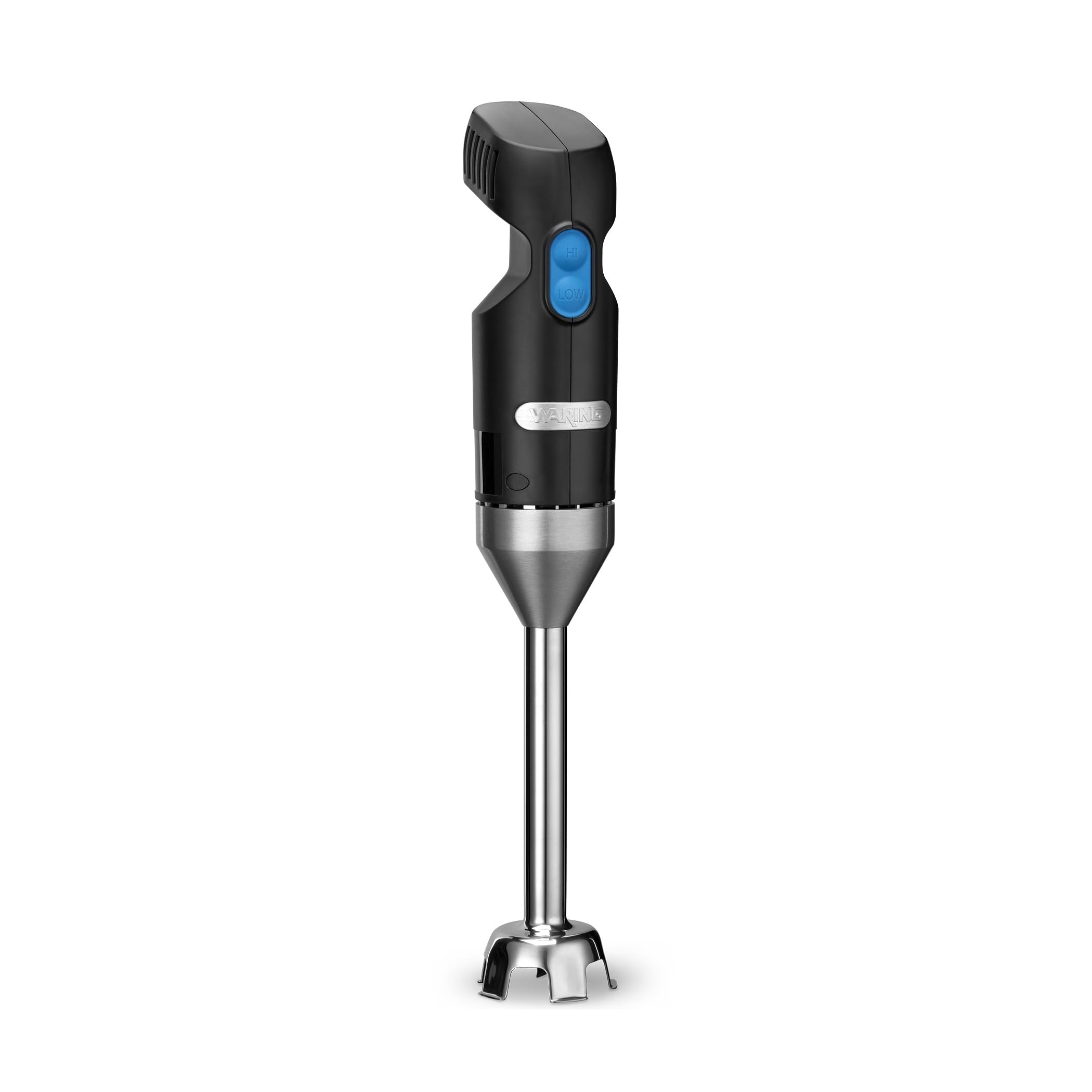
Waring Commercial WSB33X Immersion Blender
Commercial-grade motor designed for continuous use in restaurant environments
Buy on Amazon| Product | Price Range | Top Strength | Key Weakness | Buy |
|---|---|---|---|---|
| Bamix SwissLine Immersion Blender best overall | $$$ | Swiss-made motor runs at 12,000 RPM , significantly faster than most immersion blenders | Very expensive for an immersion blender | Buy on Amazon |
| Breville Control Grip Immersion Blender also consider | $$ | Bell-shaped guard prevents splashing , practical for soups and sauces | More expensive than basic immersion blenders | Buy on Amazon |
| Waring Commercial WSB33X Immersion Blender also consider | $$$ | Commercial-grade motor designed for continuous use in restaurant environments | Heavy and large , designed for commercial use, not home kitchen ergonomics | Buy on Amazon |
| Vitamix 5200 Blender also consider | $$$ | 2HP motor pulverizes nuts, ice, and fibrous vegetables completely | Very expensive , over $400 at full retail | Buy on Amazon |
The bamix immersion blender gets recommended constantly in serious cooking circles, and for good reason. But the word “bamix” has also become something of a shorthand for “expensive hand blender,” which means people sometimes buy the brand without thinking clearly about whether it’s the right tool for their kitchen. This guide covers the Bamix SwissLine alongside three alternatives at different price points and use cases, and gives you a direct answer on who should buy what. If you’re still sorting out which small appliances deserve space in your kitchen, the Small Appliances hub is a reasonable starting point.
What to Look For in an Immersion Blender
Motor Speed and Continuous Use
Most consumer immersion blenders run between 6,000 and 9,000 RPM. That’s adequate for occasional soup or a vinaigrette. If you’re making large batches, blending thick mixtures, or running the blender for more than 30 to 45 seconds at a stretch, you’ll notice the motor strain. The better question to ask isn’t “what’s the wattage?” but “how long can this motor run before it needs a rest?” Commercial and premium motors are wound differently and built for sustained use. That distinction matters more than the peak RPM number on the box.
Weight and Ergonomics
An immersion blender you use for 20 seconds to smooth a pan sauce is different from one you hold for four minutes blending a large batch of butternut squash soup. If you’ve ever finished a blending session with your forearm aching and soup on your sleeve, the weight and grip shape of the blender you were using is almost certainly part of the explanation. A half-pound difference across a long session is not trivial.
Shaft Design and Splash Control
The bell-shaped guard at the end of the Breville’s shaft is a real functional improvement over a straight wand. If you’ve ever had a fine-mist coating of tomato bisque appear on your stovetop and upper cabinets, you understand why this matters. Not every blender addresses it, and the ones that don’t are making a tradeoff that affects how you use them in practice.
Attachments and Versatility
Base models vary considerably. Some include a whisk attachment or a small chopper bowl. Others are a motor and a shaft, full stop. Know what you’re buying. If you need the whisk, verify it’s included or available as an add-on before purchase.
Top Picks
Bamix SwissLine Immersion Blender: The Performance Standard
The Bamix SwissLine Immersion Blender runs at 12,000 RPM, which is meaningfully faster than most consumer immersion blenders. Swiss-made motor, built to run continuously without the thermal cutoffs that interrupt cheaper units mid-task. At 1.6 lbs, it’s the lightest blender in this group, which sounds like a minor detail until you’ve held something heavier for four minutes over a stockpot.
It handles hot liquids, cream, emulsifications directly in the cooking vessel. No transferring to a standard blender, no waiting for things to cool, no worrying about steam pressure in a sealed jar.
The price is firmly in the premium category, and the base model doesn’t include a whisk or food processor attachment. That absence is worth noting if you were expecting a multi-tool. You’re buying a motor and a shaft, and that motor and shaft are excellent at what they do.
The comparison to the Breville Control Grip Immersion Blender is instructive. The Breville costs roughly half what the Bamix does. For most home cooks who blend a few times a week, that difference is hard to justify. But if you’re running batches daily, making large quantities, or simply want to own something built to last 20 years without drama, the Bamix motor is the differentiator.
Best for: Daily or high-volume home cooking, anyone who takes long blending sessions seriously, cooks who’ve already killed a cheaper blender.
Breville Control Grip Immersion Blender: The Smart Mid-Range Buy
The Breville Control Grip Immersion Blender is the right answer for most home kitchens. Mid-range pricing, 15 speed settings plus a turbo function, and a bell-shaped guard that actually prevents the soup-on-the-ceiling scenario. The detachable shaft goes in the dishwasher. That last feature is more useful than it sounds when you’re cleaning up after a meal and don’t want to stand at the sink running water through a creviced wand.
The weight is the honest complaint. It’s heavier than the Bamix, and over a long session that’s noticeable. If you’re comparing it to the KitchenAid 5-speed hand blender, the Breville has better ergonomic control through the grip design and the speed range is wider. The KitchenAid is cheaper and simpler, which is fine if simple is all you need.
For cooks researching the Breville ecosystem more broadly, the brand’s attention to practical design shows up consistently across product lines. (I’ve noted the same design discipline in their espresso equipment, including coverage on Breville the Infuser Espresso Machine.)
Best for: Home cooks who blend several times a week and want real speed control without paying premium prices.
Waring Commercial WSB33X Immersion Blender: Serious Power, Serious Size
The Waring Commercial WSB33X Immersion Blender is restaurant equipment. NSF certified, stainless steel shaft, commercial-grade motor built for the kind of continuous use that would burn out a consumer unit in a month. It blends hot liquids without the splash risk that plagues lighter consumer models because the motor has enough torque to work slowly and deliberately, not just at full throttle.
It is heavy. It is large. It is not designed with home kitchen ergonomics in mind. The grip is functional rather than comfortable, and the weight will fatigue your hand faster than either the Bamix or Breville. If you’re running a catering operation out of your home kitchen or batch-cooking for a large household on a daily basis, the Waring’s durability case is legitimate. For most people reading this, it’s overkill by a considerable margin. Premium pricing on top of that overkill makes it a narrow recommendation.
Compared to the Bamix, the Waring wins on raw power and loses on every ergonomic measure. Bamix is engineered around the person holding it. Waring is engineered around the task.
Best for: High-volume batch cooking, catering, or commercial home kitchen setups where daily continuous use is the actual scenario.
Vitamix 5200 Blender: When You Need a Full Blender
The Vitamix 5200 Blender isn’t an immersion blender. It belongs in this guide because a meaningful number of people arrive at the bamix immersion blender question when what they actually need is a high-performance countertop blender. The two tools are not interchangeable, and buying the wrong one is an expensive mistake.
The Vitamix 5200 runs a 2HP motor that pulverizes ice, frozen fruit, fibrous greens, and whole nuts completely. Variable speed dial, self-cleaning in under a minute. Premium pricing, but Vitamix machines routinely last 10 to 15 years with regular use, which changes the per-year cost calculation considerably. For those who want to understand the Vitamix range more fully, the Vitamix Vita Prep is worth reading as a reference point for professional-grade Vitamix performance.
The cabinet clearance issue is real. The 5200 container is tall, and if your upper cabinets are standard height, the blender will not fit on the counter beneath them. Measure before buying. (I realize that’s a specific and slightly tedious piece of advice, but I’ve heard from enough people who didn’t measure that it’s worth saying plainly.)
If your primary need is blending soups directly in the pot, making quick emulsifications, or working in tight quarters, an immersion blender is the right category. If you’re making smoothies daily, blending large frozen batches, or processing whole ingredients, the Vitamix answers questions the Bamix can’t.
For those interested in getting the most out of their Vitamix investment, the dry blade container for Vitamix extends what the machine can do into grinding and milling.
Best for: Daily smoothie use, frozen ingredient processing, whole-food blending at high volume.
How to Choose
The choice is simpler than it looks once you’re honest about your actual use pattern.
If you blend every day, make large batches, or have already replaced a cheaper blender once, buy the Bamix SwissLine Immersion Blender. The motor longevity and the weight advantage over a long session justify the premium price for that user. Check current price on Amazon before assuming the gap from the Breville is fixed.
If you blend a few times a week and want reliable performance without paying Bamix prices, the Breville Control Grip Immersion Blender is the correct answer for most home kitchens. It handles the common use cases well, the splash guard is a genuine quality-of-life improvement, and mid-range pricing is appropriate for the value delivered.
The Waring Commercial WSB33X is for cooks whose kitchen functions closer to a professional operation than a home kitchen. If you’re not batch cooking daily for large volumes, the weight and cost work against you.
If the question underneath your search is whether you need an immersion blender at all versus a full countertop unit, compare the Bamix against the Vitamix 5200 on what you actually make. They serve different tasks and the overlap is smaller than marketing suggests.
For anyone still building out their kitchen equipment list, the small appliances section covers the full range of tools worth considering at this level of investment.
Frequently Asked Questions
Is the Bamix immersion blender worth the premium price?
For daily users and serious home cooks, yes. The 12,000 RPM motor is faster than almost every consumer alternative, the weight is lower than comparable units, and Swiss-made motors are built for longevity in a way that cheaper units simply aren’t. For someone who blends a few times a month, the Breville Control Grip delivers most of the practical benefit at roughly half the price. Check current pricing on Amazon, as the gap between the two changes periodically.
Can immersion blenders handle hot liquids safely?
The Bamix SwissLine and the Waring Commercial WSB33X are both designed explicitly for hot liquids in the pot. The Breville Control Grip handles hot liquids as well, and the bell guard helps manage splash. Standard caution applies. Keep the blade submerged before running the motor and don’t fill your pot to the rim. The risk isn’t in the blender itself but in working with a partially submerged shaft in a full container.
What’s the difference between the Bamix SwissLine and a standard immersion blender?
Primarily the motor. Consumer immersion blenders typically run between 6,000 and 9,000 RPM with motors designed for short bursts. The Bamix runs at 12,000 RPM with a motor built for continuous use. The practical difference shows up in thick blends, large batches, and sustained sessions where cheaper motors overheat and cut out. The weight difference (the Bamix is 1.6 lbs) is a secondary but meaningful advantage for extended use.
Should I buy an immersion blender or a countertop blender like the Vitamix?
Depends entirely on what you make. Immersion blenders are best for soups, sauces, and emulsifications made directly in the cooking vessel. They’re compact, easy to clean, and well-suited to tasks where transferring hot liquid to a separate blender would be messy or inefficient. A Vitamix 5200 handles frozen ingredients, ice, whole nuts, and large cold-blend batches better than any immersion blender can. If you make smoothies daily or process whole foods, the Vitamix is the right tool. If you primarily finish soups and sauces, an immersion blender is more practical.
How do I clean an immersion blender properly?
For models with a detachable shaft (the Breville Control Grip shaft is dishwasher safe), detach and run through the dishwasher or rinse immediately after use before anything dries on the blade. For fixed-shaft models, submerge the blade end in warm soapy water and run the motor for 10 to 15 seconds, then rinse. Never submerge the motor housing. The Bamix and Waring have stainless steel shafts that clean easily under running water. Immediate cleaning after use is the real answer regardless of blender model, if you prefer not to spend time chipping dried soup off a blade guard.
Frequently Asked Questions
What makes the Bamix SwissLine worth the high price?
The Bamix runs at 12,000 RPM with a Swiss-built motor wound for sustained use — it can blend continuously without the duty-cycle restrictions that cause consumer motors to overheat. For cooks who blend large batches, hot soups, or cream regularly, that sustained power translates to meaningfully better results.
Can the Bamix blend hot liquids safely?
Yes. The Bamix is specifically designed to blend hot soups and sauces directly in the pot. Its motor and shaft construction handle heat that would damage or degrade lower-quality immersion blenders.
How does the Bamix compare to the Breville Control Grip?
The Breville Control Grip is a strong mid-range option with a bell-shaped splash guard and 15 speeds — it suits most home cooks at a much lower price. The Bamix offers higher RPM, Swiss build quality, and better sustained-use performance, but the Breville is the right call for occasional use.
What attachments does the Bamix SwissLine come with?
The Bamix SwissLine typically ships with a chopper attachment, a beaker, and multiple blade discs for blending, whipping, and grinding. The attachment system is Bamix's key advantage over stick blenders with a single fixed shaft.
Is the Bamix or a countertop blender better for smoothies?
For daily smoothies with ice and frozen fruit, a powerful countertop blender like the Vitamix 5200 outperforms any immersion blender. The Bamix excels at soups, sauces, and tasks done directly in the cooking vessel — not as a countertop blender replacement.
Where to Buy
Bamix SwissLine Immersion BlenderSee Bamix SwissLine Immersion Blender on Amazon