Breville Infuser Espresso Machine: Worth It?

Affiliate disclosure: Some links on this page are affiliate links. If you buy through them we earn a small commission at no extra cost to you. Recommendations are research-driven; we don't claim personal use of every product reviewed. Product prices and availability are accurate as of the date published and are subject to change. Always check Amazon for current pricing before purchasing. Learn more.
Quick Picks
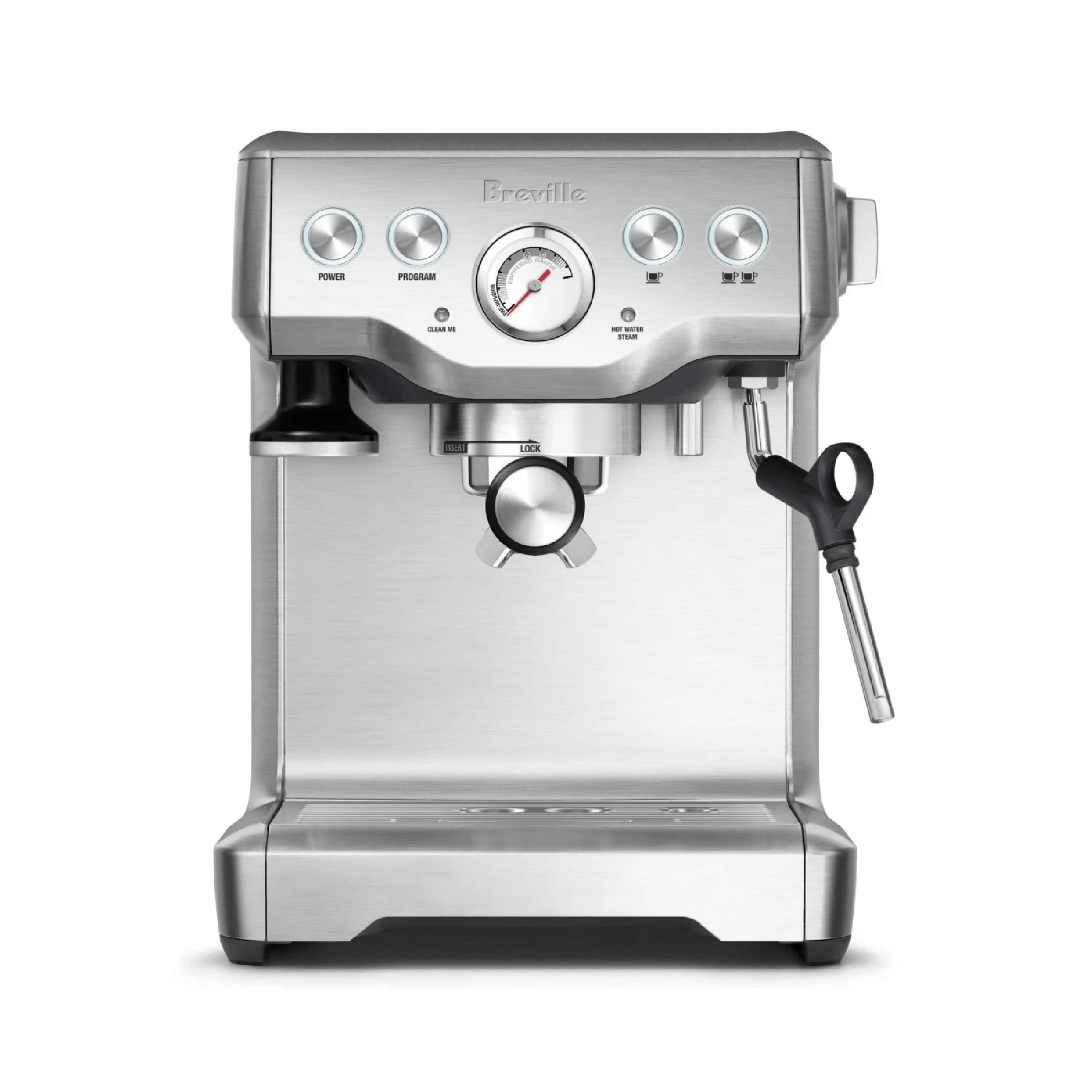
Breville Infuser Espresso Machine (BES840)
Pre-infusion wets the coffee puck before full pressure , more even extraction
Buy on Amazon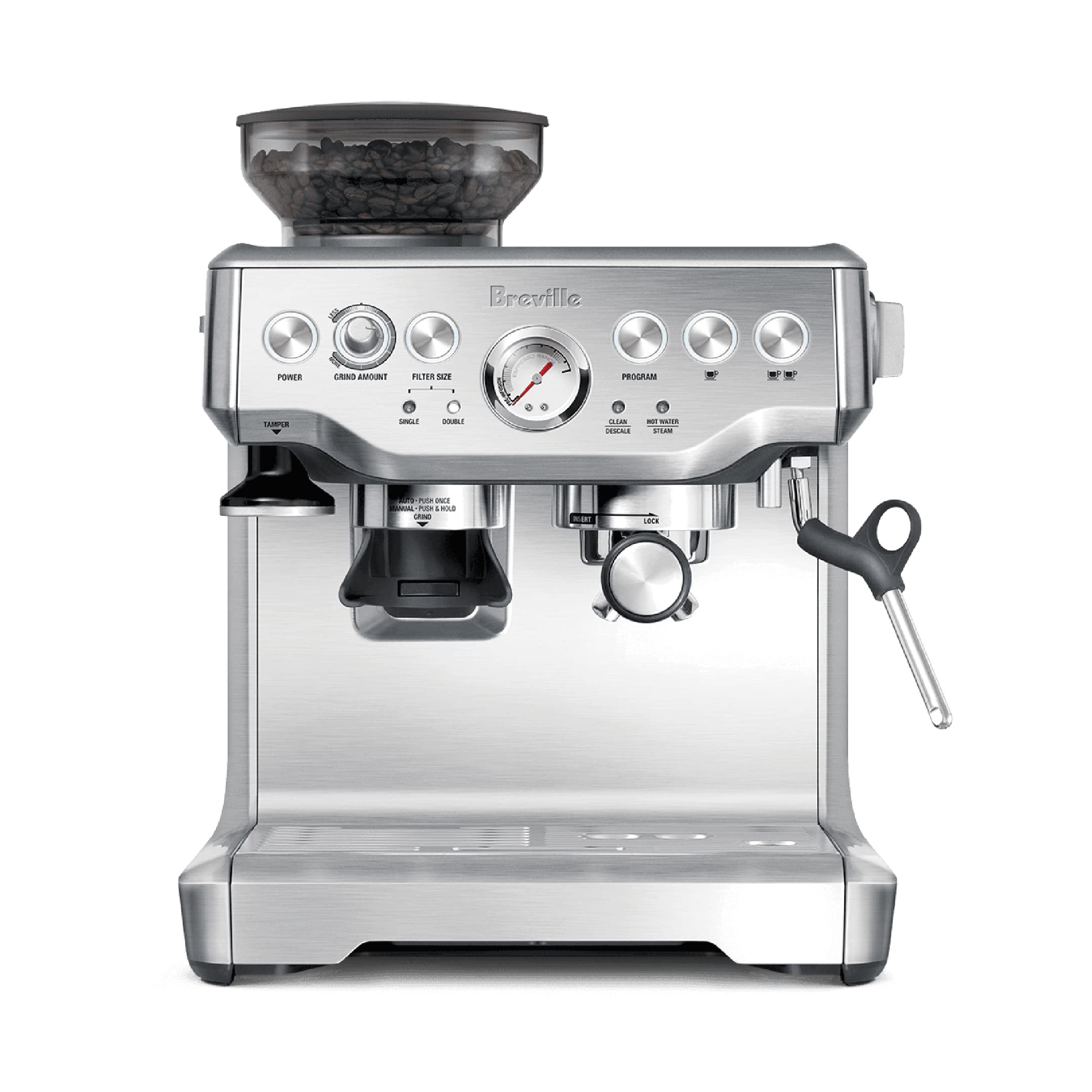
Breville Barista Express Espresso Machine (BES870)
Built-in conical burr grinder , grind fresh directly into the portafilter
Buy on Amazon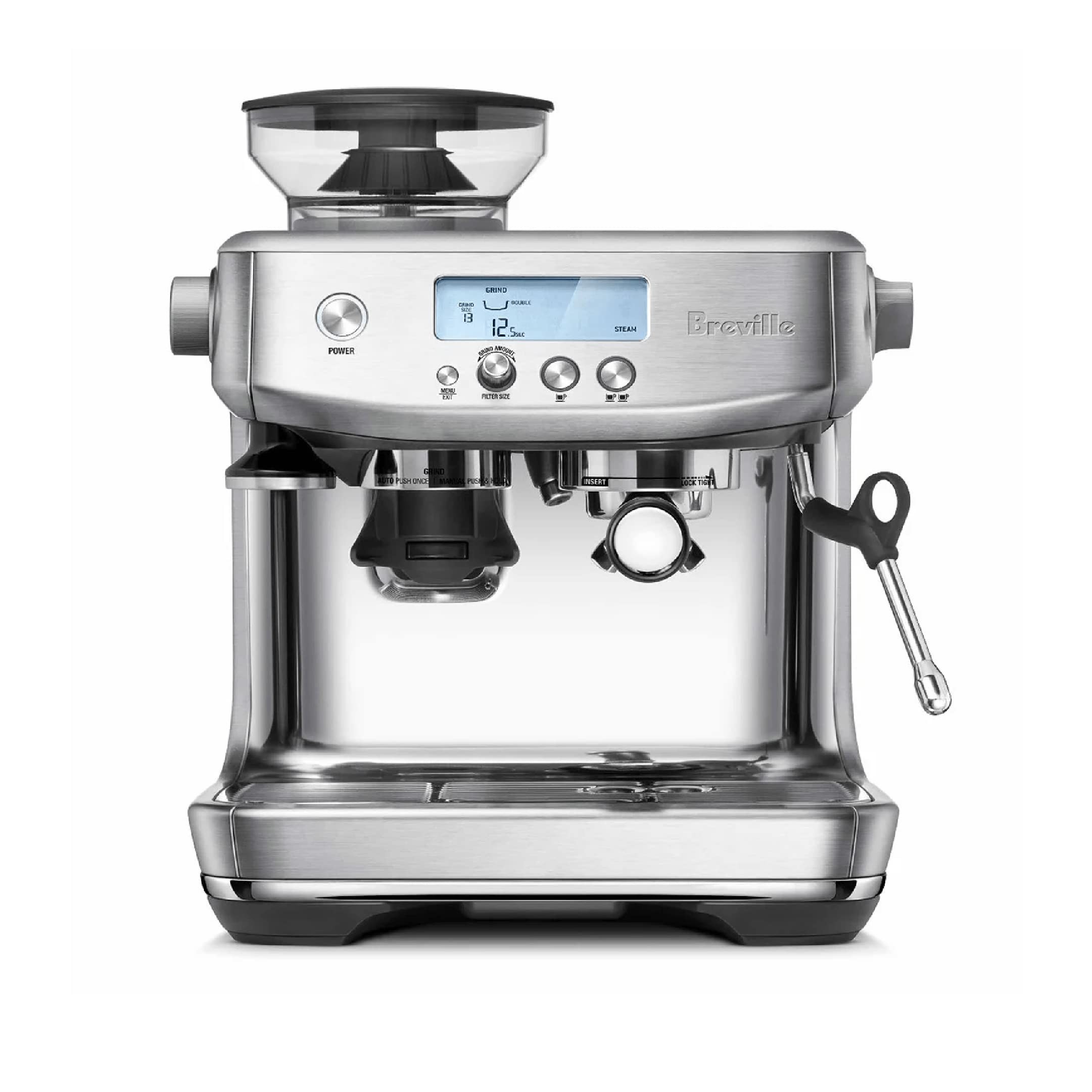
Breville Barista Pro Espresso Machine (BES878)
Integrated ThermoJet heating system reaches brew temperature in 3 seconds
Buy on Amazon| Product | Price Range | Top Strength | Key Weakness | Buy |
|---|---|---|---|---|
| Breville Infuser Espresso Machine (BES840) best overall | $$ | Pre-infusion wets the coffee puck before full pressure , more even extraction | Requires separate grinder for best results , adds cost | Buy on Amazon |
| Breville Barista Express Espresso Machine (BES870) also consider | $$$ | Built-in conical burr grinder , grind fresh directly into the portafilter | Built-in grinder limits flexibility vs a dedicated grinder , harder to upgrade one component | Buy on Amazon |
| Breville Barista Pro Espresso Machine (BES878) also consider | $$$ | Integrated ThermoJet heating system reaches brew temperature in 3 seconds | Expensive , premium over Barista Express for the ThermoJet heating | Buy on Amazon |
Breville makes good espresso machines. That’s not a controversial claim at this point, but it still needs some unpacking, because “good” covers a wide range inside their lineup, and the difference between buying the right Breville and the wrong one often comes down to a single question you probably haven’t asked yourself yet: how much does convenience cost you in quality, and are you willing to pay it?
This guide focuses on three machines that cluster around the Breville Infuser Espresso Machine (BES840) and the two Barista-series all-in-ones. All three are worth considering. Only one is the right pick for most people. I’ll tell you which one and explain the reasoning. If you’re also comparing Breville against other brands before deciding, the Breville Espresso Machine vs Delonghi breakdown covers that territory. For now, this is strictly a within-family comparison.
For a broader look at countertop appliances that earn their footprint, the Small Appliances section on this site is a reasonable starting point.
What to Look For in a Home Espresso Machine
Pre-Infusion
Pre-infusion is the step where the machine wets the coffee puck with low pressure before ramping up to full extraction pressure. If you’ve ever had espresso that tasted bitter or uneven despite using good beans, channeling in the puck is often the culprit. A machine that pre-soaks the grounds reduces that problem significantly. All three machines covered here handle pre-infusion, but how they implement it differs.
Temperature Stability
Espresso extraction is temperature-sensitive in a way that drip coffee simply isn’t. A few degrees off and you’ll taste it. PID temperature control (Proportional-Integral-Derivative, if that matters to you) actively monitors and adjusts the boiler temperature in real time rather than cycling on and off around a set point. It’s not marketing language. It makes a measurable difference in shot consistency.
Grinder Integration
This is where the Infuser diverges from the Barista machines. The Infuser requires a separate grinder. The Barista Express (BES870) and Barista Pro (BES878) both include a built-in conical burr grinder. Whether that’s an advantage or a limitation depends on where you are in your espresso setup, and I’ll address that directly below. For dedicated coverage of standalone burr grinders and how grind variables interact with espresso extraction, The Coffee Dispatch is a useful companion resource.
Heat-Up Time
If you’re pulling one shot at 6:45 AM before leaving for work, wait time matters. If you’re making espresso on a weekend afternoon, it matters less. The Barista Pro’s ThermoJet system reaches brew temperature in three seconds. The Barista Express takes longer. The Infuser is similar to the Express. This is a real difference, not a spec-sheet footnote.
Top Picks
Breville Infuser Espresso Machine (BES840): Best for Serious Upgraders
The Breville Infuser Espresso Machine is mid-range pricing for a Breville, which still puts it above entry-level machines from other brands. What you get is a capable semi-automatic machine with PID temperature control and a genuine pre-infusion system that wets the puck before applying full pressure.
The important caveat: this machine requires a separate grinder. Breville will tell you this in the manual. I’m telling you plainly. Pre-ground coffee from a bag will produce mediocre espresso regardless of how good the machine is. If you already own a decent burr grinder, say a Baratza Encore or similar, the Infuser makes a lot of sense. You’re getting a serious extraction machine without paying for a grinder you don’t need.
The steaming wand is functional but less powerful than what you’ll find on the Barista series. If you’re making lattes or cappuccinos regularly, this is a noticeable limitation. Milk texturing is slower and requires more technique to compensate.
For a buyer who owns a grinder, wants more control than capsule machines offer, and isn’t ready to spend at the premium tier, the Infuser is a sound choice. If you’re starting from scratch with no grinder, the math changes.
Breville Barista Express (BES870): Best Overall Pick
The Breville Barista Express is my recommendation for most people reading this. It’s premium pricing, but it includes a built-in conical burr grinder with dose control, PID temperature control, a 15-bar Italian pump, and a pre-infusion system. You can grind directly into the portafilter, dose by time, and pull a shot without juggling a separate appliance.
The built-in grinder trade-off deserves honest treatment. A dedicated grinder at the same price point as the Barista Express’s integrated unit will likely outperform it. Serious grinder nerds will find the adjustment range limited compared to something like a Eureka Mignon or even the Baratza Sette. If your espresso interest deepens over time, you can’t upgrade just the grinder. You’d be replacing the whole machine.
That’s a real limitation. It’s also, for most people, irrelevant. If you want one machine, one power cord, and good espresso without coordinating multiple appliances, the Barista Express delivers. I’ve watched people buy a separate grinder and machine, then find that managing two workflows before coffee exists in their bloodstream is annoying. The all-in-one convenience is worth something.
The footprint is substantial. Measure your counter before ordering. (I mean that literally. It’s wider than it photographs.)
Breville Barista Pro (BES878): Best for Impatient People With Counter Space
The Breville Barista Pro is the upgrade path from the Barista Express, and the primary improvement is the ThermoJet heating system. Three seconds to brew temperature is not an exaggeration. Compare that to the Barista Express, which takes roughly 30-45 seconds to be ready. If your morning routine is compressed, that gap matters.
The Pro also offers 30 grind settings versus the Express’s adjustment mechanism, and the LCD interface gives more precise control over extraction parameters. The trade-off is that the LCD adds a learning curve. The Barista Express’s dial interface is more immediately intuitive for people who want to start pulling shots without reading through a manual.
Whether the ThermoJet heating justifies the premium over the Barista Express is a genuine question. If you’re making multiple shots in sequence, the faster recovery time between shots is also a factor. If you’re making one shot per session, the math is harder to justify. Check current pricing on Amazon for both machines before deciding, because the gap between them fluctuates.
The grinder integration has the same inherent limitation as the Express. Better integrated grinder, better controls, but still an integrated grinder.
How to Choose
Start With the Grinder Question
If you own a quality burr grinder and want to pair it with a dedicated machine, the Infuser is the right answer at mid-range pricing. If you don’t own a grinder and don’t want to buy one separately, skip the Infuser entirely.
Then Ask About Your Morning Timeline
The Barista Pro’s three-second heat-up is genuinely useful if your mornings are rushed. If that’s not your situation, the Barista Express delivers equivalent shot quality for less money. The grinder and PID are functionally comparable between the two.
Know What You’ll Give Up
All three machines have a steaming wand that produces decent milk texture. None of them will match a commercial machine or a prosumer unit like a Rancilio Silvia Pro. If you’re serious about latte art or you’re coming from a cafe background, this whole category might frustrate you, and you’d be better served looking at dual-boiler machines from Breville’s higher-end lineup. On the other hand, if you’ve been grinding pre-ground coffee into a Nespresso and want a meaningful upgrade, any of these three will be a significant improvement.
Consider the Refurbished Option
If the premium-tier pricing on the Barista Express or Barista Pro gives you pause, factory-refurbished Breville machines are worth considering. There’s a full breakdown of what to look for in the refurbished Breville espresso machine guide, including what the warranty typically covers through authorized resellers.
For anyone still building out their kitchen setup across multiple appliances, the Small Appliances hub on this site covers a range of categories beyond espresso, which may help with prioritizing where to spend.
And if you’re deciding between Breville and a competing brand before committing to this family of machines at all, the Breville espresso machine vs Delonghi comparison covers the cross-brand decision in detail.
My actual recommendation: buy the Barista Express unless you already own a grinder or you make multiple shots back-to-back every morning. The all-in-one setup removes friction, the shot quality is genuinely good, and the learning curve is manageable. The Barista Pro is a worthwhile upgrade if the heat-up time is a daily pain point, but for most home users, it isn’t.
Frequently Asked Questions
Does the Breville Infuser require a separate grinder?
Yes, and this isn’t optional advice. The Infuser has no built-in grinder. Pre-ground coffee will produce flat, inconsistent espresso because grind size is the primary variable in extraction quality. A quality burr grinder (conical preferred, flat burr acceptable) is a necessary companion purchase. If buying a separate grinder isn’t in your budget or your counter space plan, look at the Barista Express instead.
What is the difference between the Barista Express and the Barista Pro?
The primary difference is the heating system. The Barista Pro uses ThermoJet technology, which reaches brew temperature in approximately three seconds. The Barista Express takes closer to 30-45 seconds to warm up. The Pro also has a slightly more refined grinder with 30 settings and an LCD interface. Shot quality between the two is comparable when both are dialed in. The Express’s dial controls are more intuitive for beginners.
Can I use pre-ground coffee in any of these machines?
You can use pre-ground coffee with a pressurized portafilter basket, which Breville includes with these machines. The results will be noticeably inferior to freshly ground coffee. Pre-ground coffee degasses quickly after roasting, and stale grounds extract unevenly. These machines are capable of very good espresso. Pre-ground coffee prevents them from delivering it. The machines support both pressurized and unpressurized baskets, so the option exists, but the quality ceiling drops substantially.
How much counter space do the Barista machines require?
The Barista Express and Barista Pro are both wide machines. The Express footprint is approximately 13 inches wide by 12 inches deep. The Pro is similar. Both are taller than most people expect in photos. If your kitchen has upper cabinets over the counter, measure the clearance before ordering. The water tank is top-loading on both, so clearance above the machine affects usability, not just appearance.
Is Breville the Infuser worth it compared to a capsule machine?
If you’re currently using a Nespresso or Keurig and find the results acceptable, the Infuser is a significant step up in extraction quality. The pre-infusion system and PID temperature control produce espresso that tastes noticeably more developed. The trade-off is workflow. A capsule machine is faster and requires almost no skill. The Infuser requires dialing in grind size, dose, and extraction time. That learning curve takes several weeks of regular use. Most people who commit to it find the quality difference worthwhile. People who want coffee with no variables will not.
Frequently Asked Questions
Does the Breville Infuser include a grinder?
No. The Infuser (BES840) is a standalone espresso machine that requires a separate burr grinder for best results. This is its main difference from the Barista Express and Barista Pro, both of which have built-in conical burr grinders.
Is the Breville Infuser worth buying if I already own a grinder?
Yes. If you have a quality standalone grinder, the Infuser is an excellent choice because you get PID temperature control and manual pre-infusion without paying for a built-in grinder you don't need. The combination often produces better shot quality than an all-in-one at the same price.
What is the difference between the Breville Infuser and the Barista Express?
The key difference is the grinder. The Infuser has no built-in grinder; the Barista Express does. The Infuser also offers more manual control over pre-infusion. If you want an all-in-one machine, the Express is more convenient. If you want grinder flexibility and a smaller footprint for just the espresso machine, the Infuser is the better fit.
How long does the Breville Infuser take to heat up?
The Infuser uses a thermocoil heating system that typically takes around 30 seconds to reach brew temperature. It is slower than the Barista Pro's ThermoJet system, which reaches brew temperature in approximately 3 seconds, but for single-shot home use the difference is minor.
Can I use the Breville Infuser to make lattes and cappuccinos?
Yes. The Infuser includes a steam wand for steaming and frothing milk, making it suitable for lattes, cappuccinos, and flat whites. It produces quality microfoam with practice, though the learning curve is similar to other manual steam wand machines.
Where to Buy
Breville Infuser Espresso Machine (BES840)See Breville Infuser Espresso Machine (BE… on Amazon