Refurbished Breville Espresso Machines: What to Know

Affiliate disclosure: Some links on this page are affiliate links. If you buy through them we earn a small commission at no extra cost to you. Recommendations are research-driven; we don't claim personal use of every product reviewed. Product prices and availability are accurate as of the date published and are subject to change. Always check Amazon for current pricing before purchasing. Learn more.

Quick Picks
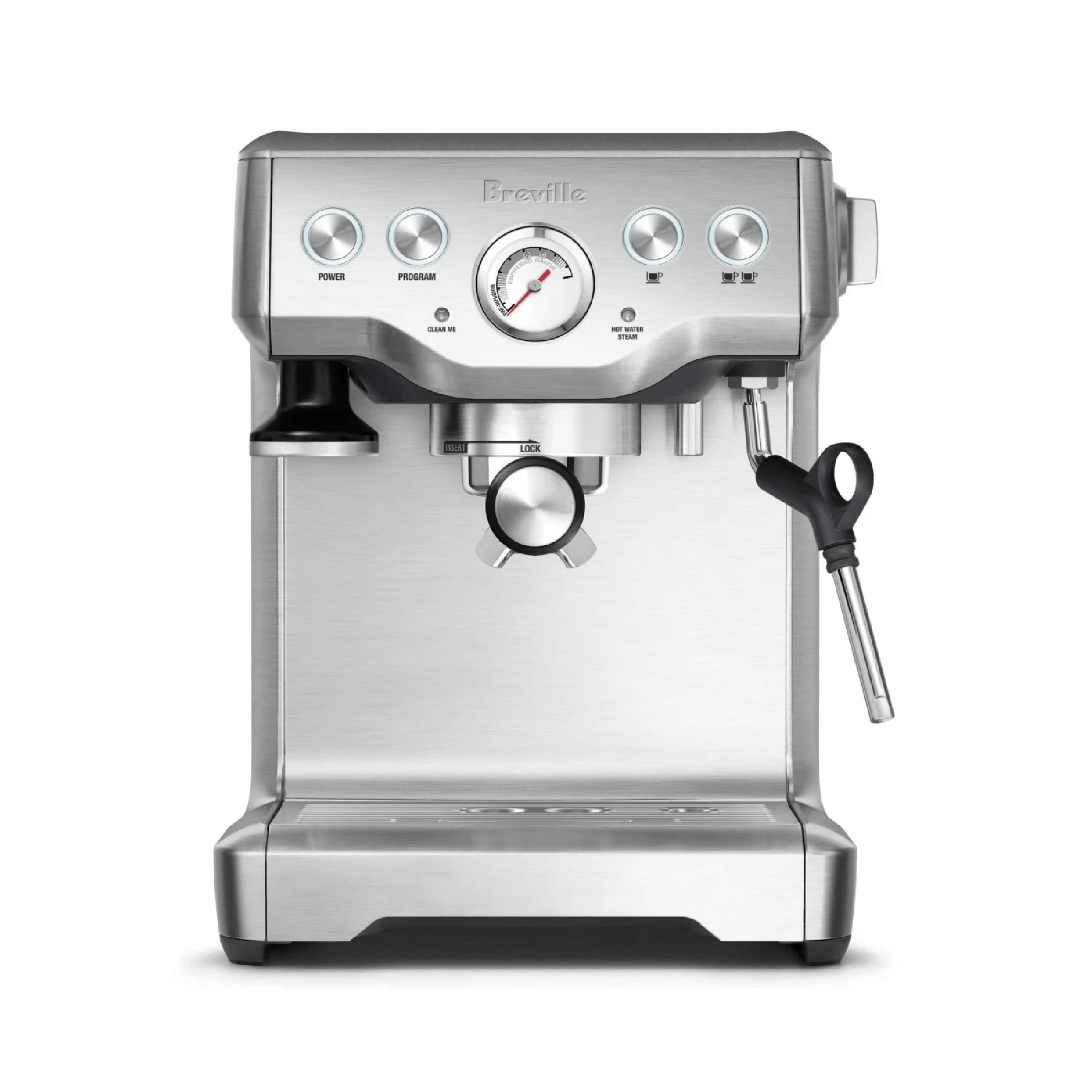
Breville Infuser Espresso Machine (BES840)
Pre-infusion wets the coffee puck before full pressure , more even extraction
Buy on Amazon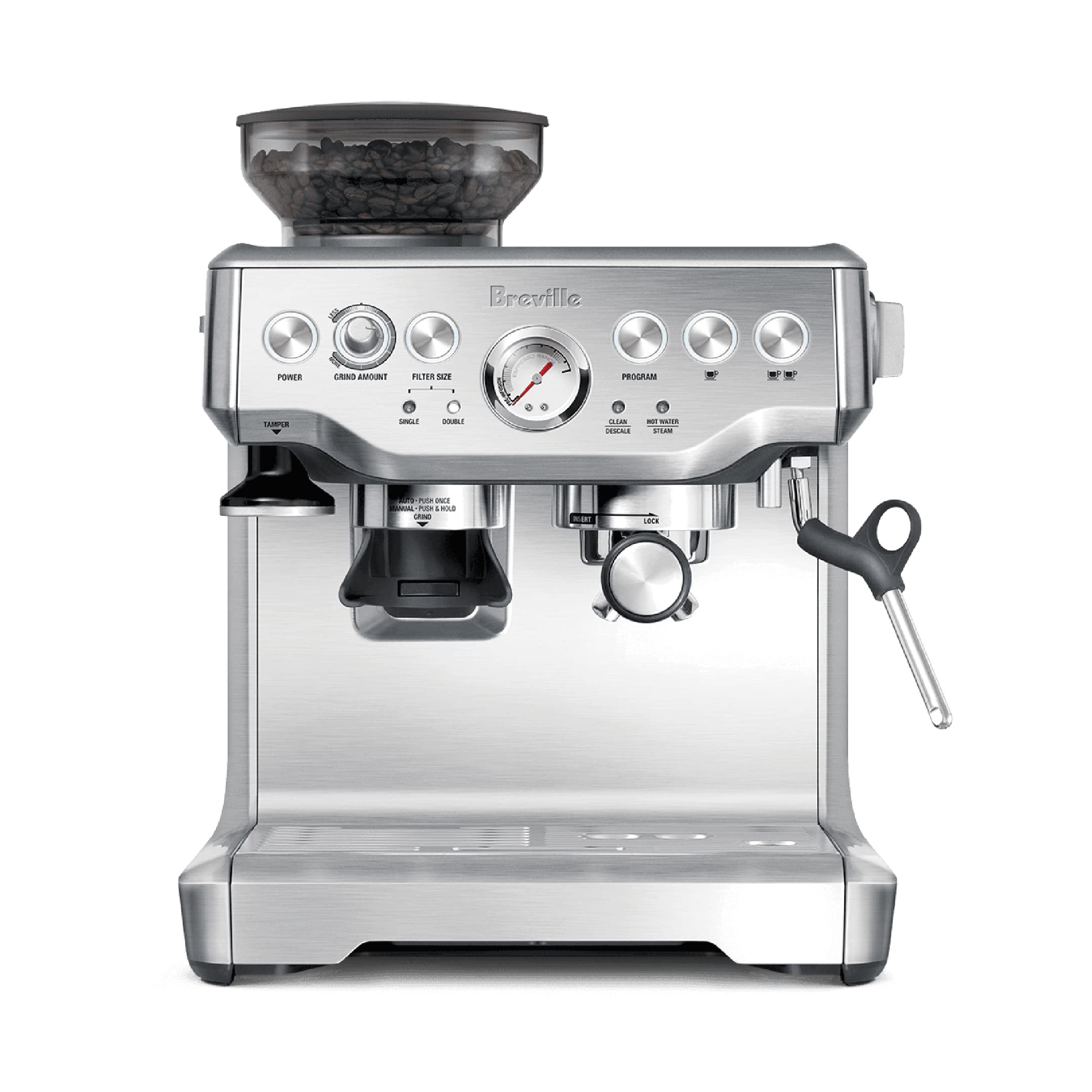
Breville Barista Express Espresso Machine (BES870)
Built-in conical burr grinder , grind fresh directly into the portafilter
Buy on Amazon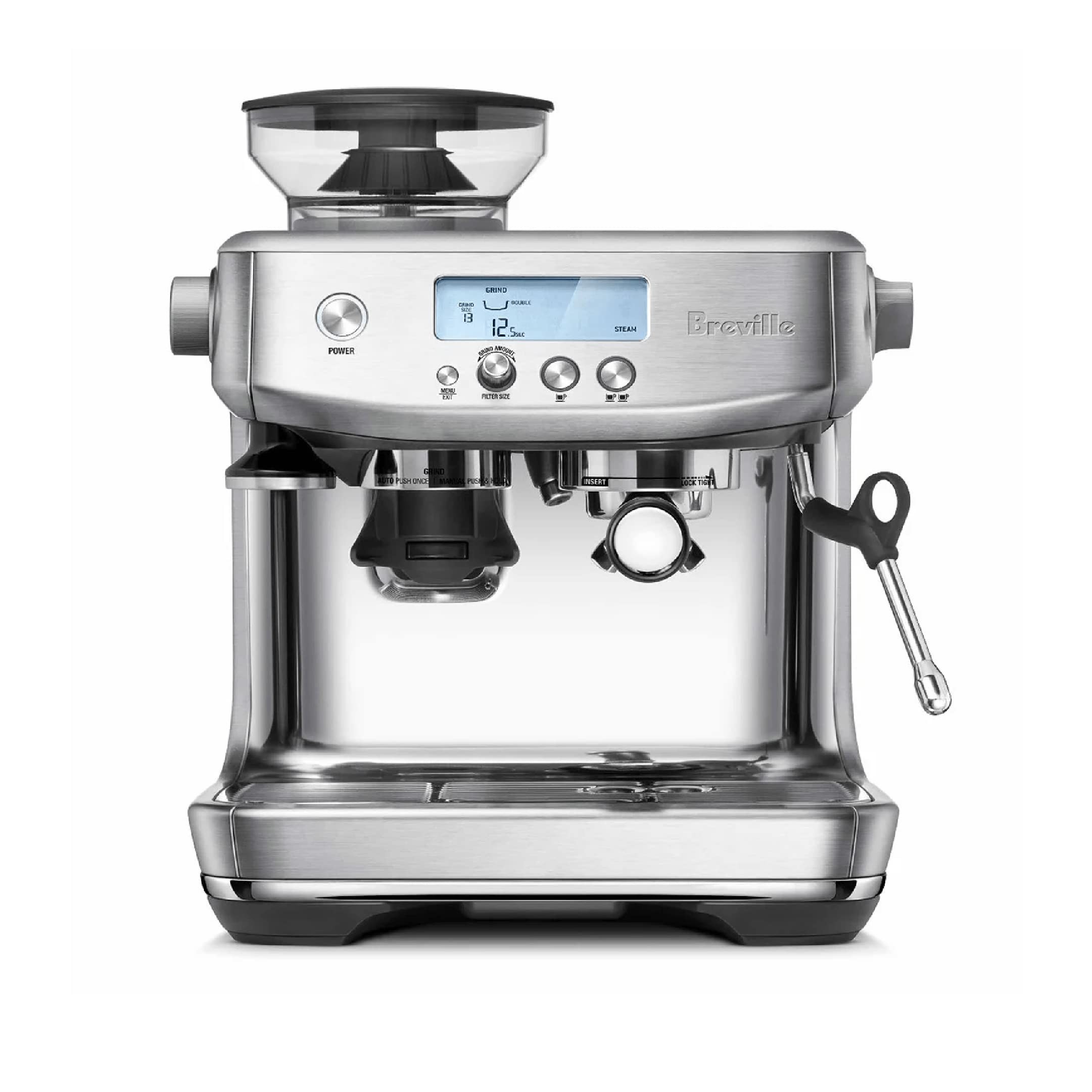
Breville Barista Pro Espresso Machine (BES878)
Integrated ThermoJet heating system reaches brew temperature in 3 seconds
Buy on Amazon| Product | Price Range | Top Strength | Key Weakness | Buy |
|---|---|---|---|---|
| Breville Infuser Espresso Machine (BES840) best overall | $$ | Pre-infusion wets the coffee puck before full pressure , more even extraction | Requires separate grinder for best results , adds cost | Buy on Amazon |
| Breville Barista Express Espresso Machine (BES870) also consider | $$$ | Built-in conical burr grinder , grind fresh directly into the portafilter | Built-in grinder limits flexibility vs a dedicated grinder , harder to upgrade one component | Buy on Amazon |
| Breville Barista Pro Espresso Machine (BES878) also consider | $$$ | Integrated ThermoJet heating system reaches brew temperature in 3 seconds | Expensive , premium over Barista Express for the ThermoJet heating | Buy on Amazon |
Buying a refurbished Breville espresso machine is one of the more sensible decisions you can make in the small appliance category, provided you know what to look for and which model actually fits how you cook and live. Breville’s espresso lineup is genuinely well-engineered, and a certified refurbished unit from a reputable source can save you a meaningful amount over retail while delivering the same hardware. The catch is that “refurbished” covers a wide range of conditions, and the three machines worth your attention each make a different argument for themselves.
I’ve been cooking seriously for a long time, and espresso falls squarely into the category of things worth doing properly. If you’re browsing the Small Appliances section looking for a machine that produces real espresso rather than approximated espresso, you’re in the right place. What follows is a direct assessment of three Breville machines, what they do well, where they fall short, and which one I’d actually buy.
What to Look For in a Refurbished Breville Espresso Machine
Source and Condition Grading
Not all refurbished units are equal. Breville sells factory-recertified machines directly, and those carry the same 1-year warranty as new units. Third-party refurbishers vary wildly. If you’re buying through Amazon, look for “Renewed” listings that include a minimum 90-day guarantee and come from sellers with substantive feedback history. A machine rated “Grade A” from a reputable source has typically been tested under load, had worn parts replaced, and been cleaned internally. A “Grade C” unit might be cosmetically rougher and less thoroughly tested.
For an espresso machine specifically, the pump and heating system are what matter most. Ask or verify whether the pump has been tested at pressure and whether the boiler or heating element has been inspected. This is not the category where you buy on price alone.
PID Temperature Control
Espresso extraction is temperature-sensitive in a way that drip coffee isn’t. A PID (proportional-integral-derivative) controller maintains stable brew temperature rather than cycling up and down. All three machines covered here have PID control. If you’re looking at other Breville models and a listing doesn’t confirm PID, that’s a meaningful omission.
Grinder Situation
The single most overlooked factor in home espresso is grind quality. Pre-ground coffee is essentially incompatible with serious espresso. Two of the three machines below include a built-in grinder. The third doesn’t, which means adding a dedicated burr grinder to your budget. That’s worth knowing before you anchor to a price.
Heating System
Breville uses two different heating systems across this lineup. The older resistance-coil system takes 30-45 seconds to reach brew temperature. The ThermoJet system, found in the Barista Pro, reaches temperature in roughly 3 seconds. If you’re making one shot in the morning before leaving the house, the difference matters.
Top Picks
Breville Infuser BES840: The Entry Into Serious Espresso
The Breville Infuser Espresso Machine (BES840) is mid-range pricing for a refurbished unit and the most accessible entry point in this lineup. Pre-infusion wets the coffee puck at low pressure before the full 9-bar extraction begins. This produces more even extraction across the puck, which you’ll notice immediately if you’ve been using a machine without it. The PID temperature control is precise and stable.
What the Infuser doesn’t include is a grinder. If you already own a decent burr grinder (Baratza Encore or comparable), the BES840 pairs well with it. If you don’t, add that cost to your calculation before comparing this against the Barista Express. The steaming wand also produces less pressure than the higher-end Breville machines, which limits latte art ambitions but is fine for everyday milk steaming.
The BES840 refurbished represents a reasonable way to test whether you’ll actually commit to the espresso routine before spending more. It’s a capable machine that asks more of the operator than a single-serve pod system, and your coffee will be better for it.
Breville Barista Express BES870: The Practical All-in-One
The Breville Barista Express Espresso Machine (BES870) is the machine I’d recommend to most people looking at this category. Premium pricing, but the built-in conical burr grinder with dose control eliminates a separate purchase and a separate appliance on your counter. You grind directly into the portafilter, which means minimal oxidation between grind and extraction.
The 15-bar Italian pump is the same class of hardware you’d find in machines costing considerably more. PID temperature control is present. The grinder has 16 settings, which is workable though not as fine-grained as a standalone Baratza or Eureka Mignon.
The trade-off that matters: the grinder is integrated, which means you can’t upgrade it independently. If you get serious about espresso over the next few years and want to move to a better grinder, you’re either replacing the whole machine or running two machines. For most home setups, that’s a theoretical problem rather than a practical one. The footprint is significant, roughly 13 inches wide and 16 inches tall, so measure your counter clearance before ordering.
Refurbished, the BES870 is where I’d focus if convenience and counter efficiency are priorities. (I’ve measured a lot of kitchens and very few people account for vertical clearance under upper cabinets until they’re unpacking a box.)
Breville Barista Pro BES878: The Upgrade Case
The Breville Barista Pro Espresso Machine (BES878) is the most expensive option in this group, and the primary argument for it is the ThermoJet heating system. Three seconds to brew temperature instead of 25-30 seconds. If you make espresso under time pressure, that’s a real difference. The machine also offers 30 grind settings versus 16 on the BES870, which gives you more precision when dialing in a new coffee.
The LCD interface is a point of friction. The Barista Express uses intuitive dials. The Barista Pro uses a display menu that requires actual learning before it becomes second nature. Neither approach is wrong, but if you prefer tactile controls over digital menus, the older BES870 interface is easier to use cold.
The question I’d ask before paying the premium over the Barista Express: do you make espresso at hours where 30 seconds of warmup genuinely matters to you? If the answer is yes, the ThermoJet justifies the price difference. If you’re making leisurely weekend espresso and have time to let the machine warm up, the BES870 makes more financial sense refurbished.
How to Choose
If you already own a good grinder
Buy the Breville Infuser Espresso Machine (BES840). It’s the right machine for someone who already has the grinder situation handled and wants a capable semi-automatic with PID and pre-infusion at mid-range pricing.
If you’re starting from scratch
The Breville Barista Express Espresso Machine (BES870) is the practical choice. One machine, one footprint, one learning curve. The integrated grinder is good enough for serious home espresso, and refurbished pricing makes the math work.
If warmup time is a genuine constraint
Pay the premium for the Breville Barista Pro Espresso Machine (BES878). The ThermoJet system is a real functional difference, not a marketing specification. Thirty grind settings also gives you more room to work with single-origin beans that require different grind profiles.
On the refurbished question specifically
The resale market for Breville machines is active because these machines last. A BES870 that was bought in 2021, used carefully for two years, and refurbished properly is mechanically the same machine as a new unit. The pump life on a well-maintained Breville is measured in years of daily use. Breville’s own certified refurbished program is the safest source. If you’re buying through a third-party, verify the warranty terms in writing before purchasing.
One consideration worth raising: the accessories matter. A refurbished machine that ships without a tamper, portafilter basket, and cleaning tools is cheaper for a reason. Factor the replacement cost of any missing accessories into your comparison.
Just as with high-performance kitchen tools like the Vitamix Pro 750 Heritage Blender where buying refurbished is a well-established path to professional-grade equipment at rational prices, the same logic holds for espresso machines. Breville’s build quality supports it.
For anyone building out a more complete kitchen toolkit, the full small appliances category has evaluations of equipment in adjacent categories, where the same principles around refurbished sourcing apply.
Frequently Asked Questions
Is buying a refurbished Breville espresso machine actually worth it?
Yes, with conditions. Breville-certified refurbished units carry a warranty and have been tested to manufacturer specifications. Third-party refurbished units vary in quality. The machines themselves are built to last, so a properly recertified unit represents real value. The condition grade and warranty terms are what you’re evaluating, not the underlying machine.
What’s the practical difference between the Barista Express and the Barista Pro?
The main differences are the heating system and the interface. The Barista Pro’s ThermoJet reaches brew temperature in 3 seconds versus 25-30 seconds for the Barista Express. The Barista Pro also offers 30 grind settings versus 16. The Barista Express uses dial controls; the Pro uses an LCD menu. Both machines produce comparable espresso quality when dialed in correctly.
Do I need a separate grinder if I buy the Breville Infuser BES840?
Yes. The BES840 does not include a grinder. Pre-ground coffee from a bag will not produce good espresso consistently. A conical burr grinder in the Baratza Encore class is the minimum. Add that cost to your budget when comparing the Infuser against the Barista Express.
What should I check when buying a refurbished espresso machine from a third party?
Confirm the pump has been tested under pressure, ask about the condition of the boiler or heating element, verify what accessories are included, and get the warranty terms in writing. A 90-day minimum guarantee is standard for reputable sellers. Check the seller’s return policy for machines that arrive damaged or non-functional.
How long do Breville espresso machines last with regular use?
With routine descaling (every 2-3 months depending on your water hardness) and backflushing the group head weekly, a Breville in the BES870 or BES878 class will run reliably for 5-8 years of daily use. The pump and heating elements are the wear components. Replacement parts are available, and Breville’s service network is reasonably accessible compared to European prosumer brands.
Frequently Asked Questions
Is it safe to buy a refurbished Breville espresso machine?
Yes, provided you buy from a reputable source. Breville factory-recertified units carry the same 1-year warranty as new machines and have been tested and cleaned internally. Third-party refurbishers vary widely in quality — look for Grade A ratings, verifiable pump testing at pressure, and a minimum 90-day return guarantee.
What is the difference between the Breville Infuser and the Barista Express?
The Breville Infuser requires a separate standalone grinder but offers more precise temperature control and extraction flexibility. The Barista Express includes a built-in conical burr grinder that grinds directly into the portafilter, which is more convenient but limits your ability to upgrade the grinder independently.
Do I need a separate grinder if I buy a refurbished Breville espresso machine?
It depends on the model. The Barista Express and Barista Pro include built-in grinders. The Breville Infuser does not — it requires a separate burr grinder, which is an additional cost to factor into your budget. Pre-ground coffee is not suitable for serious espresso.
What does PID temperature control mean on a Breville espresso machine?
PID stands for proportional-integral-derivative. It's a control system that maintains a stable, accurate brew temperature rather than cycling up and down. Espresso extraction is very sensitive to temperature, and PID control is one of the key reasons Breville machines produce better results than lower-cost espresso makers.
How much can I save buying a refurbished Breville versus new?
Typical savings on certified refurbished Breville espresso machines range from 20–40% off retail price, depending on the model, grade, and source. On a machine that retails for $500–$800, that's a meaningful difference, particularly if the unit comes with a warranty and has been properly reconditioned.
Where to Buy
Breville Infuser Espresso Machine (BES840)See Breville Infuser Espresso Machine (BE… on Amazon