Enameled Cast Iron Grill Pan Buyer's Guide

Affiliate disclosure: Some links on this page are affiliate links. If you buy through them we earn a small commission at no extra cost to you. Recommendations are research-driven; we don't claim personal use of every product reviewed. Product prices and availability are accurate as of the date published and are subject to change. Always check Amazon for current pricing before purchasing. Learn more.

Quick Picks
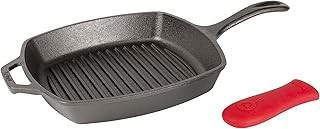
Lodge 10.5-Inch Square Cast Iron Grill Pan
Raised ridges produce grill marks and drain fat away from food
Buy on Amazon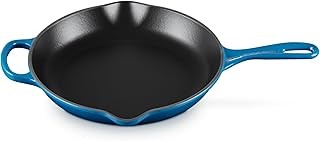
Le Creuset Signature Enameled Cast Iron Skillet 10.25"
Enameled interior , no seasoning required, non-reactive with acidic foods
Buy on Amazon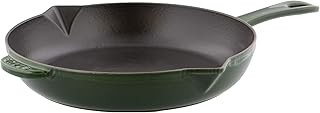
Staub 10-Inch Cast Iron Fry Pan
Ridged bottom promotes searing and fat drainage
Buy on Amazon| Product | Price Range | Top Strength | Key Weakness | Buy |
|---|---|---|---|---|
| Lodge 10.5-Inch Square Cast Iron Grill Pan best overall | $ | Raised ridges produce grill marks and drain fat away from food | Ridged surface is harder to clean than a flat skillet | Buy on Amazon |
| Le Creuset Signature Enameled Cast Iron Skillet 10.25" also consider | $$$ | Enameled interior , no seasoning required, non-reactive with acidic foods | Significantly more expensive than bare cast iron alternatives | Buy on Amazon |
| Staub 10-Inch Cast Iron Fry Pan also consider | $$$ | Ridged bottom promotes searing and fat drainage | Dark interior makes it harder to judge caramelization and fond color | Buy on Amazon |
| Lodge Enameled Cast Iron Dutch Oven 6-Quart also consider | $$ | Enameled interior , no seasoning required, dishwasher safe | Enamel quality not as refined as Le Creuset , more prone to chipping over time | Buy on Amazon |
| Cuisinart Chef's Classic Enameled Cast Iron 5-Quart Dutch Oven also consider | $$ | Enameled interior at under $100 , significantly cheaper than Le Creuset | Enamel quality noticeably thinner than Le Creuset or Staub | Buy on Amazon |
If you’ve spent any time researching Cast Iron cookware, you’ve probably noticed that the phrase “enameled cast iron grill pan” covers a surprisingly wide range of products, price points, and actual use cases. Some of what gets sold under that label is genuinely useful for indoor cooking. Some of it is cast iron with a cosmetic coating and a price tag that doesn’t match what you’re getting. This guide covers five specific products, names the tradeoffs plainly, and ends with a real recommendation.
What to Look For in an Enameled Cast Iron Grill Pan
Raised Ridges and Fat Drainage
The functional reason to use a grill pan instead of a flat skillet is the raised ridge pattern. Those ridges do two things: they create sear marks on the food surface, and they lift the food above the fat that renders off during cooking. If you’ve ever pan-fried chicken thighs and ended up with meat that’s partly braising in its own fat rather than searing, that’s what a ridged surface addresses.
Not all ridge patterns are equal. Shallow ridges look attractive but do less work. You want ridges high enough that you can see meaningful clearance between the food surface and the pan floor when the food is sitting flat.
Enamel vs. Bare Cast Iron
Bare cast iron requires ongoing seasoning, reacts with acidic ingredients (tomatoes, wine reductions, citrus), and will rust if stored wet. Enameled cast iron handles all three problems. The enamel coating is non-reactive, requires no seasoning, and can go in the dishwasher, though hand-washing extends its life.
The tradeoff is durability in a different dimension. Enamel chips. Drop a bare cast iron pan and you’re annoyed. Drop an enameled one on a tile floor and you may be shopping for a replacement. Thermal shock, running cold water over a hot pan, does the same damage more slowly.
Interior Color
This matters more than most buyers expect. A light cream or tan interior, like Le Creuset uses, lets you watch fond development and caramelization in real time. A matte black interior, Staub’s signature choice, conceals that process. Neither is wrong, but if you’re the kind of cook who monitors a developing fond the way other people watch a stock ticker, interior color is a real variable.
Lid Fit and Steam Control
For Dutch ovens specifically, a tight lid fit affects braising performance meaningfully. Loose-fitting lids bleed steam, which means liquid reduces faster and you end up adjusting liquid levels mid-cook to compensate. Premium brands invest real engineering in this. Budget options are looser, and you’ll notice.
Top Picks
Lodge 10.5-Inch Square Cast Iron Grill Pan
Start here if you want indoor grill marks without spending premium money. The Lodge is in the budget category and does the core job well. The square footprint fits two full chicken breasts side by side, which a round pan at the same diameter cannot. The raised ridges are substantial enough to produce real sear marks and drain rendered fat effectively.
It is not enameled. That’s worth stating plainly. The Lodge ships pre-seasoned and requires maintenance like any bare cast iron. If you want the no-seasoning convenience of enamel, this pan doesn’t offer it. What it offers is a workhorse grill surface that works on gas, electric, induction, outdoor grills, and campfires, at a price that makes it easy to justify.
One honest complaint: the corners of a square pan don’t heat as evenly as the center, and the ridged surface is genuinely annoying to clean. A flat Lodge skillet wipes clean in thirty seconds. This one requires a stiff brush and some patience. (I timed it once out of irritation: four minutes with a Lodge Chainmail Scrubber, versus forty-five seconds for a flat skillet. Not a dealbreaker, but not nothing.)
Le Creuset Signature Enameled Cast Iron Skillet 10.25”
The benchmark against which every other enameled skillet gets measured, whether the marketing admits it or not. Premium pricing, lifetime warranty, and an enamel quality that has held up across decades of professional home cooking. The cream interior shows you exactly what’s happening on the cooking surface, which I consider a feature rather than an aesthetic choice.
Compared directly to the Staub 10-Inch, the Le Creuset is lighter for equivalent size, has a pour spout (the Staub does not), and uses a lighter interior that makes fond monitoring easier. The Staub’s matte black interior is more forgiving of staining and discoloration over years of use. That’s the real decision between these two, and I’ll cover it more directly in the comparison section below.
The Le Creuset chips if you drop it or run cold water over a screaming-hot surface. Treat it accordingly.
Staub 10-Inch Cast Iron Fry Pan
Also premium-priced, directly competitive with Le Creuset, and the better choice for a specific kind of cook. The matte black enamel interior hides staining and discoloration that would show prominently on a Le Creuset’s lighter surface. If you’re cooking at high heat frequently and don’t want to manage the appearance of your cookware, the Staub ages more gracefully in that department.
The tradeoffs are real. No pour spout means you tip the pan and liquid migrates unpredictably. The dark interior means you’re cooking more by smell, sound, and timing than by visual cues, which works fine for experienced cooks and is occasionally frustrating for everyone else. Oven-safe to 900°F, which is higher than most home cooking will ever require, but the spec is there if it matters to you.
The Staub’s ridged bottom adds light searing texture that a flat skillet won’t give you, but it’s not a grill pan replacement. It’s a skillet with more surface character than the average flat pan.
Lodge Enameled Cast Iron Dutch Oven 6-Quart
The practical middle-ground between bare Lodge and premium Le Creuset. Mid-range pricing, enameled interior that requires no seasoning, and the same thermal mass you expect from cast iron. Available in multiple colors if that matters to how your kitchen looks, which is a reasonable thing to care about without needing to justify it.
The enamel is good but not as refined as Le Creuset or Staub. Over years of use, it chips more readily and the lighter porcelain finish stains more visibly than it should at this price point. If you’re buying this for occasional braises and weekend soups, it performs honestly. If you’re cooking in it four nights a week for ten years, the enamel will show wear before a Le Creuset would.
Dishwasher-safe, which the premium brands technically permit but mostly discourage. If dishwasher convenience is genuinely how you use Dutch ovens, this pricing makes more sense than paying premium prices for a pan you’re treating as a commodity.
Cuisinart Chef’s Classic Enameled Cast Iron 5-Quart Dutch Oven
In the budget-to-mid range, and the right choice for someone who wants enameled cast iron performance without committing to a major purchase. The wide, flat base heats evenly across the bottom, which is not guaranteed at this price point. Oven-safe to 500°F. Non-reactive interior.
The lid fits loosely. I want to be direct about this because it affects cooking: steam escapes during long braises, liquid reduces faster than it should, and you’ll find yourself adding stock or water partway through recipes that shouldn’t require it. For occasional cooks, manageable. For anyone doing serious braise work, worth knowing before you buy.
The enamel is noticeably thinner than Le Creuset or Staub. This is an entry point, not a lifetime investment. Buy it knowing that, and it’s a reasonable piece of equipment.
How to Choose
If Indoor Grilling Is the Goal
The Lodge 10.5-Inch Square Cast Iron Grill Pan is the direct answer. It produces actual grill marks, drains fat, and does it at budget pricing. The bare cast iron maintenance is the honest tradeoff. If you want enameled convenience in a grill pan, the options in this class are limited, and most don’t perform as well as the Lodge does without enamel.
If You’re Buying a Skillet for Daily Use
The Le Creuset vs. Staub decision comes down to interior color. If you actively monitor fond and caramelization by sight, buy the Le Creuset Signature Enameled Cast Iron Skillet. If you’d rather have a surface that doesn’t show its age and you’re comfortable cooking more by instinct, buy the Staub 10-Inch Cast Iron Fry Pan. Both are premium-priced. Both are worth it if you cook seriously. Neither is worth it if the pan is going in a cabinet six days a week.
If Budget Is the Primary Constraint
The Lodge Enameled Cast Iron Dutch Oven is the honest recommendation at mid-range pricing for anyone who wants enameled cast iron without spending premium money. The Cuisinart Chef’s Classic is a reasonable starting point if even mid-range pricing is more than you want to commit, with the understanding that the lid fit and enamel thickness reflect where it sits in the market.
The full picture on bare cast iron options, seasoning, and long-term care is covered in our cast iron cookware guide.
Frequently Asked Questions
Does an enameled cast iron grill pan need to be seasoned?
No. The enamel coating replaces the seasoned surface that bare cast iron depends on. You do not oil it, build up layers, or worry about stripping seasoning when you wash it. The tradeoff is that enamel can chip if dropped or subjected to thermal shock, while bare seasoned cast iron just needs to be re-seasoned if damaged.
Can I use an enameled cast iron grill pan on induction?
Cast iron, enameled or bare, is magnetic and works on induction cooktops. The Lodge Square Grill Pan lists induction compatibility explicitly. Most enameled cast iron from Lodge, Le Creuset, and Staub is induction-compatible. Verify the specific product listing before buying if induction is your primary cooking surface.
What’s the real difference between Le Creuset and Staub enameled cast iron?
Interior color is the functional difference most buyers notice first. Le Creuset uses a light sand or cream interior that lets you see fond developing as you cook. Staub uses matte black. Staub hides staining better over years of high-heat cooking. Le Creuset has pour spouts; Staub does not. Both are premium-priced, both carry strong warranties, and both perform at a level that justifies the price for serious home cooks. Comparable pans sit at similar price points, so this decision is genuinely about how you cook rather than value.
Is enameled cast iron safe for acidic foods like tomato sauce?
Yes. That’s one of the primary advantages over bare cast iron. Bare cast iron reacts with acidic ingredients, picks up metallic flavor, and degrades the seasoning over time. Enameled cast iron is non-reactive. Long-simmered tomato sauces, wine braises, and citrus reductions are all appropriate uses.
How do I clean the ridged surface of a cast iron grill pan without ruining it?
A stiff-bristle brush or a chainmail scrubber with warm water handles most residue. For stubborn char on the ridges, add a small amount of coarse salt and work it with a brush while the pan is still slightly warm (not hot). Dry the pan thoroughly after washing, because bare cast iron will rust in corners and ridged surfaces where water collects. Enameled grill pans are more forgiving about moisture, but drying completely before storage is still good practice.
Frequently Asked Questions
What ridge height should I look for in an enameled cast iron grill pan?
Ridges between 5mm and 8mm high are the practical sweet spot. Shallower ridges don't lift food enough to drain fat effectively, and you end up with meat partly sitting in rendered fat. Overly tall ridges can make delicate foods like fish difficult to flip without tearing. Most well-designed grill pans fall in this range — check product specs before buying if sear marks and fat drainage are priorities.
Does the Lodge cast iron square grill pan need to be seasoned before first use?
The Lodge square grill pan ships pre-seasoned with vegetable oil. Light additional seasoning after the first few uses helps the cooking surface develop further, but it's ready to use out of the box. The ridged surface requires slightly more effort to season evenly than a flat skillet — apply a thin layer of oil and heat it through rather than pooling oil in the valleys.
Can I use an enameled cast iron grill pan on an induction cooktop?
Yes. Cast iron is inherently compatible with induction, and the enamel coating doesn't affect that. Both the Lodge and Le Creuset options in this guide work on induction. Verify the specific pan you're buying specifies induction compatibility, as a small number of enameled pieces use non-ferrous base materials that won't work on induction.
Is a Le Creuset grill pan worth the price premium over Lodge for indoor grilling?
For pure thermal performance, the Lodge does the same work at a fraction of the price. Le Creuset's advantage is enamel quality — it chips less over years of use and holds its interior surface longer. If you use a grill pan multiple times a week for years, the Le Creuset's durability makes the premium more defensible. For occasional use, Lodge is the sensible choice.
How do I clean the ridges on an enameled cast iron grill pan without damaging the enamel?
Let the pan cool to warm, then use a stiff nylon brush — not metal — to scrub between the ridges with warm soapy water. For baked-on residue, add water to the pan and bring it to a low simmer on the stovetop; most residue releases with gentle stirring. A chain mail scrubber works well on bare cast iron but can scratch enamel, so stick to nylon for enameled surfaces.
Where to Buy
Lodge 10.5-Inch Square Cast Iron Grill PanSee Lodge 10.5-Inch Square Cast Iron Gril… on Amazon