Global G2 Chef Knife Review: Is It Right for You?

Affiliate disclosure: Some links on this page are affiliate links. If you buy through them we earn a small commission at no extra cost to you. Recommendations are research-driven; we don't claim personal use of every product reviewed. Product prices and availability are accurate as of the date published and are subject to change. Always check Amazon for current pricing before purchasing. Learn more.
Quick Picks
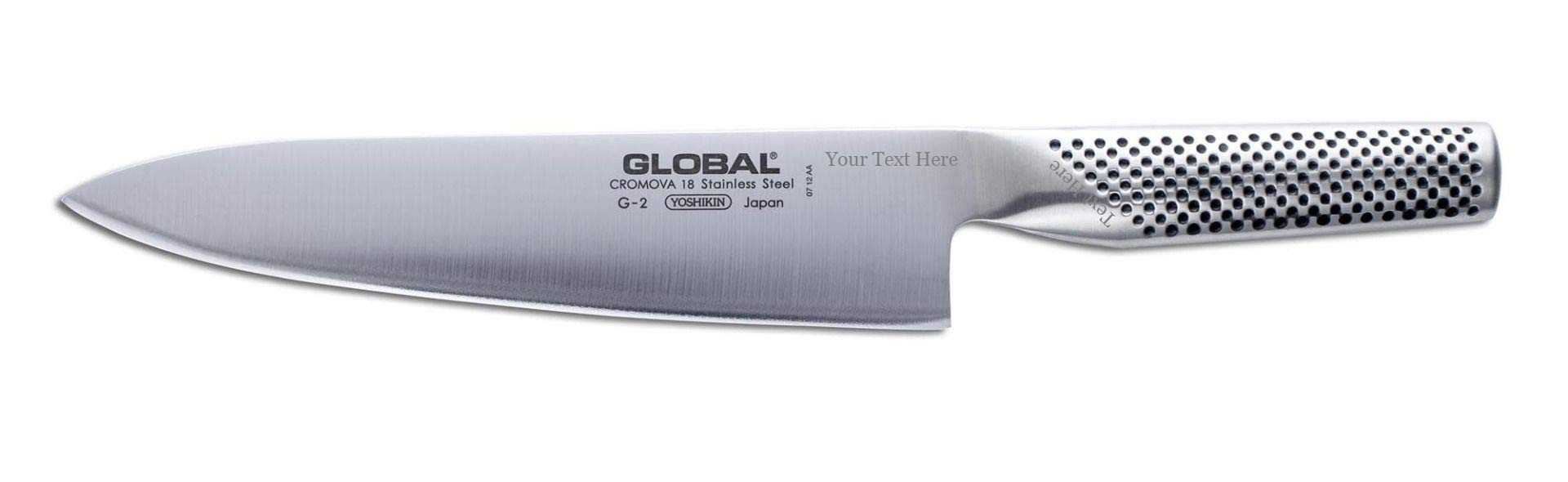
Global G-2 8-Inch Chef's Knife
CROMOVA 18 stainless steel , hardened to 56-58 HRC for a sharp, durable edge
Buy on Amazon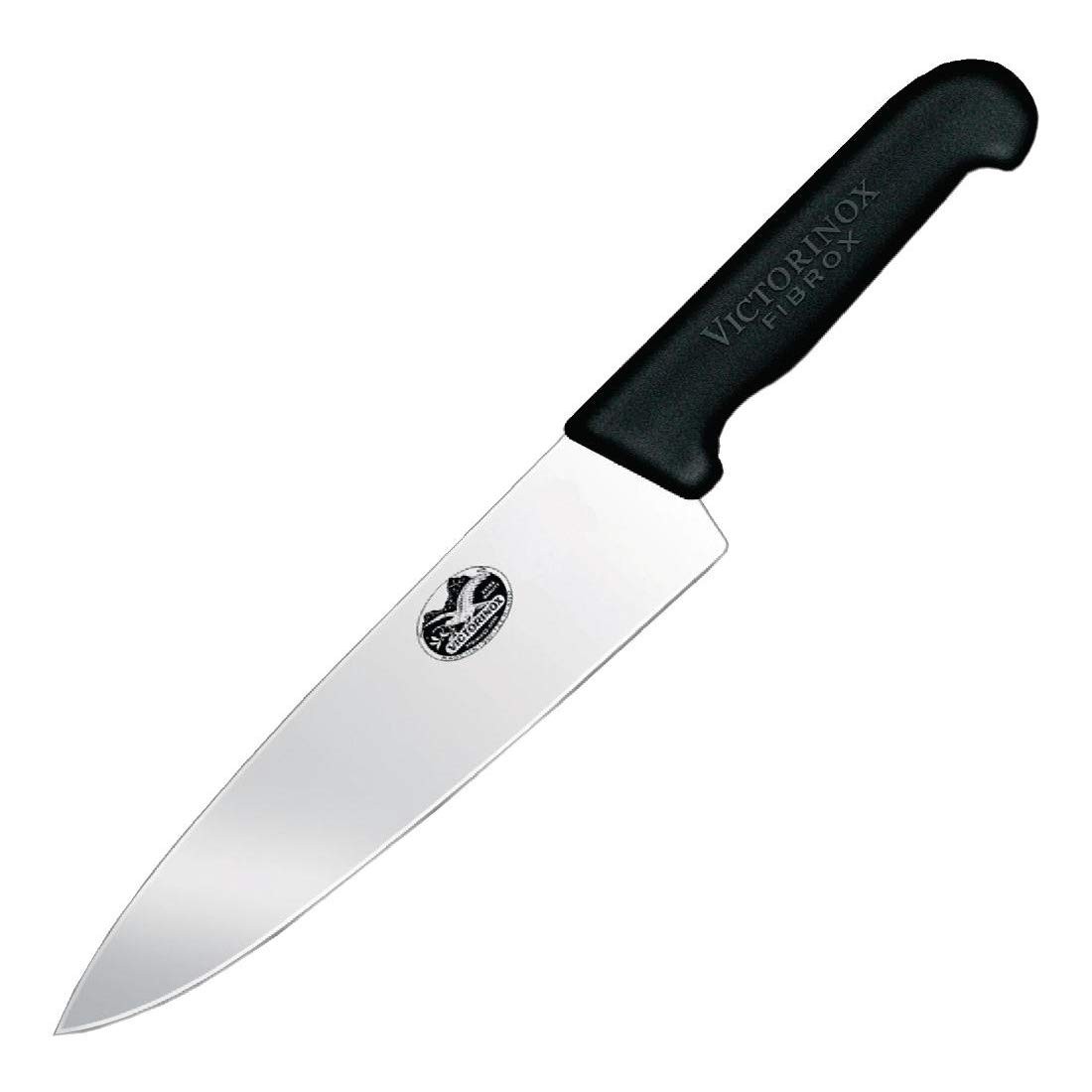
Victorinox Fibrox Pro 8-Inch Chef's Knife
Best-performing knife under $50 , used in professional kitchens worldwide
Buy on Amazon
MAC Professional 8-Inch Chef's Knife
Thin Japanese blade profile with a Western-style handle , best of both
Buy on Amazon| Product | Price Range | Top Strength | Key Weakness | Buy |
|---|---|---|---|---|
| Global G-2 8-Inch Chef's Knife best overall | $$$ | CROMOVA 18 stainless steel , hardened to 56-58 HRC for a sharp, durable edge | Smooth handle can feel slippery in wet hands , requires a good grip | Buy on Amazon |
| Victorinox Fibrox Pro 8-Inch Chef's Knife also consider | $ | Best-performing knife under $50 , used in professional kitchens worldwide | Stamped steel loses its edge faster than forged alternatives | Buy on Amazon |
| MAC Professional 8-Inch Chef's Knife also consider | $$ | Thin Japanese blade profile with a Western-style handle , best of both | Less name recognition than Shun or Wüsthof , harder to buy as a gift | Buy on Amazon |
| Shun Classic 8-Inch Chef's Knife also consider | $$$ | VG-MAX steel with 68-layer Damascus cladding , razor-sharp out of the box | Hard steel (61 HRC) is more brittle , chip risk on bones or frozen food | Buy on Amazon |
| Wüsthof Classic 8-Inch Chef's Knife also consider | $$$ | Full tang, forged German steel , built to last decades with proper care | Heavy at 8.5 oz , some cooks prefer the lighter feel of Japanese knives | Buy on Amazon |
The Global G-2 gets recommended constantly, and most of those recommendations are accurate. But “accurate” isn’t the same as “right for you,” and a knife that works brilliantly for someone doing fine vegetable prep three nights a week may be the wrong tool for someone breaking down chickens on a Sunday afternoon. Before spending premium money on any chef’s knife, it helps to understand what you’re actually comparing.
This guide covers the Global G-2 8-Inch Chef’s Knife in detail, but situates it honestly against four alternatives at different price points and with different design philosophies. If you want the broader context on blade types and maintenance tools, the Knives & Sharpeners hub has you covered.
What to Look For in an 8-Inch Chef’s Knife
Blade Steel and Hardness
Hardness is measured on the Rockwell scale (HRC), and the number tells you something real. Harder steel (60+ HRC) holds an edge longer but is more brittle. Softer German steel (56-58 HRC) dulls faster but is more forgiving if you hit a bone or a thick-skinned squash with some force. Neither is objectively better. It depends on how you cook and whether you’re willing to sharpen regularly.
Japanese knives like the Shun Classic run at 61 HRC. The Global G-2 lands at 56-58 HRC using CROMOVA 18 stainless steel, which puts it closer to German territory in terms of toughness while maintaining a thinner, more acute blade grind.
Weight and Balance
German knives are heavier. The Wüsthof Classic 8-Inch Chef’s Knife runs 8.5 oz with a full bolster. The Global G-2 is around 6 oz. The MAC Professional 8-Inch Chef’s Knife comes in at 5.8 oz. If you’re doing an hour of prep before a dinner party, that weight difference is not trivial. If you’ve ever ended a long cooking session with a tired right hand, you already know which direction you should be looking.
Handle Construction
This is where the Global G-2 is genuinely different from everything else on this list. It’s a single piece of steel, hollow handle included, with no separate handle material and no rivets. That’s unusual, and some cooks never warm to it. The smooth stainless surface can feel slippery in wet hands, which is a real concern and not just a minor caveat. If your hands are frequently damp during prep, you need to either grip deliberately or consider a knife with a textured or contoured handle.
Full-tang construction, where the steel runs the full length of the handle as in the Wüsthof Classic, gives a different balance point and a more familiar feel to most Western cooks.
Sharpening Requirements
This matters more than most buyers think before they purchase. Hard Japanese steel like the Shun Classic at 61 HRC requires a whetstone, not a honing rod, to maintain properly. If you don’t own a whetstone and aren’t willing to learn, you will end up with a dulling knife you can’t easily fix at home. German-style knives and the Global G-2 are more forgiving of a quality honing rod between sharpenings.
Top Picks
Global G-2 8-Inch Chef’s Knife: Best for Precision-Oriented Cooks
The Global G-2 8-Inch Chef’s Knife is priced at the premium end, which puts it in direct competition with the Wüsthof Classic and Shun Classic. What you get for that price is a light, precisely balanced knife with a thin blade grind and a seamless construction that makes it genuinely easier to clean than riveted handles. CROMOVA 18 steel holds an edge well and responds to a whetstone without the brittleness risk of harder Japanese alloys.
The handle is the honest sticking point. It’s an acquired feel, and if you pick it up in a kitchen store and it feels awkward, that reaction is worth paying attention to. On the other hand, if you’ve cooked with knives that felt too heavy or too thick in the spine, the G-2 may feel like exactly what you were looking for. (I’ll note that I was skeptical of the handle the first time I held one, and less skeptical after six months of use.)
For fine vegetable work, fish prep, or anything where a light, nimble blade is an advantage, the G-2 performs at the same level as the Shun Classic for roughly comparable cost. The difference is primarily in blade geometry and handle feel, not in overall quality.
One use case where the G-2 underperforms: heavy-duty tasks. Breaking down a chicken, splitting a butternut squash, or any situation where you’re applying significant downward force benefits from a heavier, full-bolstered knife. The Wüsthof Classic is a better tool for those moments.
Wüsthof Classic 8-Inch Chef’s Knife: Best for Durability and Versatility
The Wüsthof Classic 8-Inch Chef’s Knife is the German benchmark, and it earns that status. Full tang, forged construction, a comfortable bolster that guides your grip, and steel that’s been refined over decades of production. At 8.5 oz it’s noticeably heavier than the Global G-2 or the MAC Professional, but many cooks find that weight reassuring rather than fatiguing.
The PEtec edge Wüsthof uses holds sharpness longer than most stamped knives, and a good honing rod is sufficient for regular maintenance. This is a knife you can use hard for years with basic care, and that’s not a small thing.
It’s also priced at the premium end, comparable to the Global G-2. Whether the weight works for you is personal, but on sheer durability and versatility across different prep tasks, the Wüsthof Classic is a reliable choice.
Shun Classic 8-Inch Chef’s Knife: Best for Precise Vegetable Work
The Shun Classic 8-Inch Chef’s Knife is the Japanese benchmark, and it’s priced accordingly at the premium end. VG-MAX steel with 68-layer Damascus cladding, hardened to 61 HRC, with a D-shaped Pakkawood handle that feels secure and resists moisture. Out of the box, it is one of the sharper knives you’ll pick up.
The limitation is brittleness at that hardness level. Use it on bones or frozen food and you risk chipping the edge. It also requires a whetstone to sharpen properly. If you’re doing intricate vegetable prep, breaking down fish, or working with boneless proteins, it excels. If you want one knife that handles everything, the Shun is not the most practical choice.
For cooks interested in Japanese blade geometry, the comparison between Japanese and Western profiles comes up in our Nakiri vs Santoku guide, which covers how blade shape affects cutting style in more detail.
MAC Professional 8-Inch Chef’s Knife: The Informed Buyer’s Pick
The MAC Professional 8-Inch Chef’s Knife is the knife professional chefs recommend more often than they’re given credit for, possibly because MAC doesn’t have the marketing budget of Shun or Wüsthof. Mid-range pricing, 5.8 oz, a thin Japanese blade profile with a Western-style handle. It stays sharp longer than German knives and is easier to sharpen than harder Japanese steel.
If someone asked me to recommend a knife for a capable home cook who wanted one serious tool without paying premium prices, this would be on the short list. The only real drawback is that it’s not a recognizable gift-box knife, which is a social problem, not a cooking one.
Victorinox Fibrox Pro 8-Inch Chef’s Knife: Best Budget Option
The Victorinox Fibrox Pro 8-Inch Chef’s Knife exists to answer the question of whether you need to spend premium money to get a functional chef’s knife. The answer is no. Budget pricing, a stamped blade that comes sharp out of the box, and a handle that professional kitchens have used for decades because it’s functional and sanitary.
It won’t hold an edge as long as a forged knife. The handle is utilitarian in a way that makes no concessions to aesthetics. But if your budget is limited, or if you’re outfitting a secondary kitchen, or if you want a knife you can hand to a less careful cook without anxiety, the Victorinox Fibrox Pro is the honest answer.
How to Choose
If you’re drawn to the Global G-2 specifically, the question worth asking first is whether you’ve ever held one. The handle is polarizing in a way that photos don’t convey. If you cook in a city with a kitchen store that stocks Global, spend five minutes with it before buying online.
Beyond the G-2, the decision tree is reasonably simple. Cooks who do a lot of varied prep including occasional meat work and want something durable and low-maintenance should look at the Wüsthof Classic. Cooks who prioritize fine knife work and are willing to maintain harder steel properly should look at the Shun Classic. Cooks who want the best performance per dollar should look at the MAC Professional. Cooks who want a competent knife without premium pricing should look at the Victorinox Fibrox Pro.
If you’re interested in specialized blade shapes for vegetable work, the comparison between single-bevel and double-bevel Japanese knives in our Usuba vs Nakiri guide is worth reading before committing to any Japanese-style purchase.
For current pricing on any of these knives, check directly on Amazon. Price bands shift seasonally, and the gap between mid-range and premium options sometimes narrows enough to change the calculation.
The Knives & Sharpeners hub has maintenance guides and additional comparisons that will help you get more out of whichever knife you choose.
Frequently Asked Questions
Is the Global G-2 worth the premium price?
For the right cook, yes. The CROMOVA 18 steel, thin blade profile, and seamless construction are genuinely well-executed at the premium price point. For cooks who find the smooth handle uncomfortable or who primarily do heavy-duty cutting tasks, the Wüsthof Classic at comparable pricing is a better fit. The Global G-2 is not the right knife for everyone, but for light, precise work it performs at the level the price suggests.
How does the Global G-2 compare to the Wüsthof Classic?
The G-2 is lighter by about 2.5 oz, uses a thinner blade grind better suited to precision work, and has a seamless one-piece construction. The Wüsthof Classic is heavier, more versatile for tough cutting tasks, has a full bolster and full tang, and feels more familiar to cooks trained on Western-style knives. Both are premium-priced. The choice comes down to whether you want a lighter, more nimble knife or a heavier, more robust one.
Can the Global G-2 handle a honing rod, or does it need a whetstone?
The CROMOVA 18 steel at 56-58 HRC is compatible with a quality honing rod for regular maintenance, unlike harder Japanese steels like the Shun Classic at 61 HRC, which requires a whetstone. For periodic full sharpening, a whetstone will produce better results than a honing rod alone, but the G-2 doesn’t demand the same level of sharpening expertise that harder Japanese knives do.
Is the Victorinox Fibrox Pro actually a good knife, or just cheap?
It’s a good knife at budget pricing. Professional kitchens use it because it performs reliably and cleans easily, not because it’s the cheapest option available. The stamped blade loses its edge faster than forged alternatives, and the handle is purely functional. But if the question is whether you can cook well with a Victorinox Fibrox Pro, the answer is yes, and any cook suggesting otherwise is confusing the quality of the food with the cost of the tool.
What kind of cook should avoid the Global G-2?
Cooks who frequently break down whole chickens, work with hard vegetables like butternut squash with force, or prefer the weighted feel of a full-bolster German knife. Also cooks whose hands are consistently wet during prep, since the smooth stainless handle requires a deliberate, controlled grip that not everyone finds natural. The Global G-2 rewards a specific cooking style and is genuinely less suited outside of it.
Frequently Asked Questions
Is the Global G2 chef knife good for people with small hands?
The Global G-2 is well-suited to smaller hands. Its one-piece stainless construction is lighter than forged German knives like the Wüsthof Classic, and the dimpled handle is narrower in diameter. Cooks who find German knives heavy or bulky often prefer the G-2's balance and profile. The smooth, slippery handle can be a concern in wet conditions regardless of hand size.
How hard is the Global G2 to sharpen at home compared to German knives?
CROMOVA 18 steel at 56-58 HRC is moderately hard — harder than most German knives, softer than hard Japanese steel like Shun's VG-MAX. It sharpens well on a whetstone and responds to a honing rod, though it benefits from a finer grit than typical European knives. It's more approachable to home sharpen than harder Japanese blades while still holding a good edge between sessions.
Can the Global G2 handle breaking down a whole chicken, or is it too delicate for that?
The G-2 handles chicken butchery well for a Japanese-profile knife. It's thinner than a German chef's knife, so it shouldn't be used to crack through large bones or frozen joints, but for jointing, skinning, and trimming a whole chicken it's appropriate. For repeated heavy-duty butchery work, a heavier Western knife is a more durable choice.
How does the Global G2 compare to the MAC Professional for the same price range?
Both are Japanese-influenced knives in a similar price tier. The MAC Professional has a Western-style handle that many cooks find more intuitive, and the blade geometry is slightly different — the MAC's thinner spine makes it feel nimbler for precision vegetable work. The Global's all-steel construction is distinctive and easier to clean; the MAC's handle is more comfortable for extended prep sessions.
Does the Global G2 require special care compared to German knives?
The main care difference is hand washing — no stainless chef's knife should go in the dishwasher, but the Global's thin blade is more vulnerable to the rattling and thermal cycling a dishwasher produces. Store it on a magnetic strip or in a knife block, not loose in a drawer. Sharpen on a whetstone rather than a mechanical sharpener to preserve the thin Japanese edge geometry.
Where to Buy
Global G-2 8-Inch Chef's KnifeSee Global G-2 8-Inch Chef's Knife on Amazon