Cuisinart Enameled Cast Iron Cookware: Budget Option Review

Affiliate disclosure: Some links on this page are affiliate links. If you buy through them we earn a small commission at no extra cost to you. Recommendations are research-driven; we don't claim personal use of every product reviewed. Product prices and availability are accurate as of the date published and are subject to change. Always check Amazon for current pricing before purchasing. Learn more.

Quick Picks
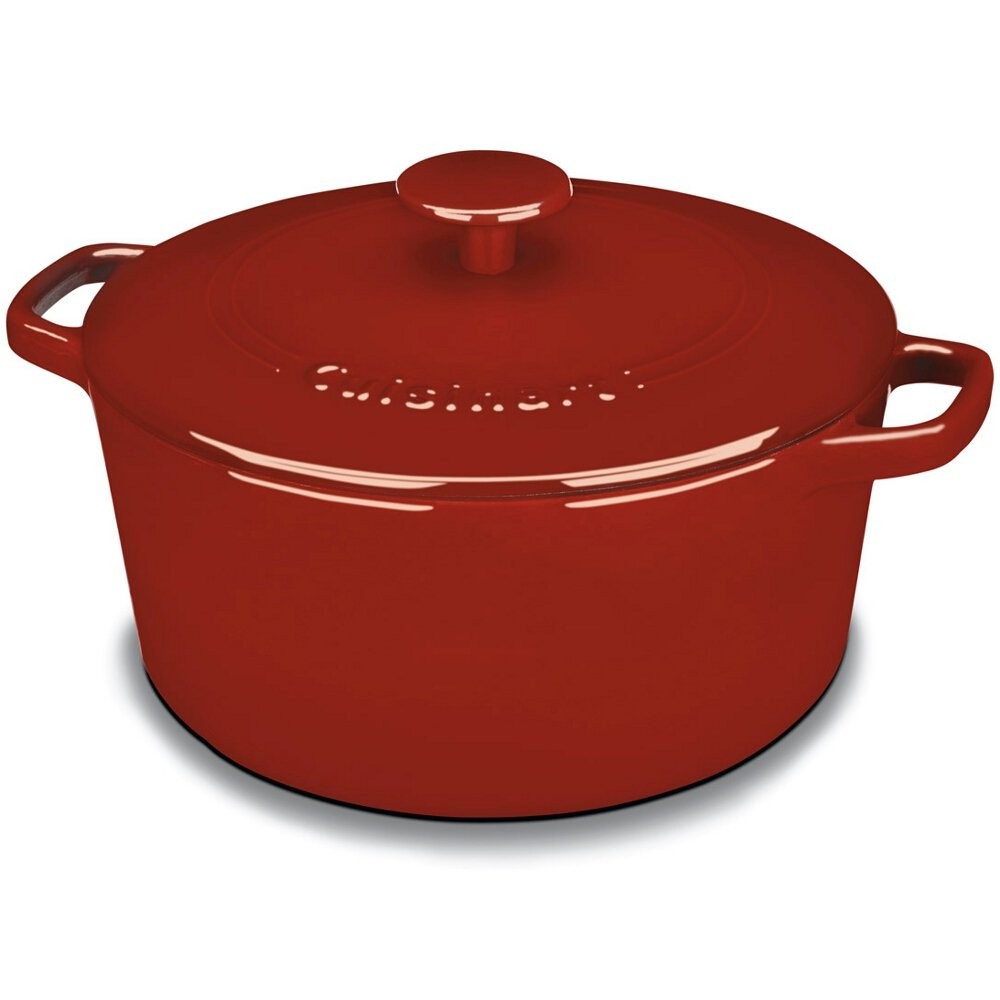
Cuisinart Chef's Classic Enameled Cast Iron 5-Quart Dutch Oven
Enameled interior at under $100 , significantly cheaper than Le Creuset
Buy on Amazon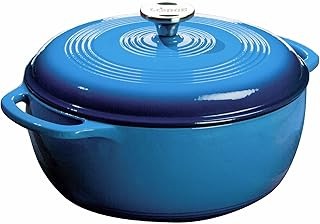
Lodge Enameled Cast Iron Dutch Oven 6-Quart
Enameled interior , no seasoning required, dishwasher safe
Buy on Amazon
Le Creuset 5.5-Quart Round Dutch Oven
Even heat distribution eliminates hot spots for slow braises
Buy on Amazon| Product | Price Range | Top Strength | Key Weakness | Buy |
|---|---|---|---|---|
| Cuisinart Chef's Classic Enameled Cast Iron 5-Quart Dutch Oven best overall | $$ | Enameled interior at under $100 , significantly cheaper than Le Creuset | Enamel quality noticeably thinner than Le Creuset or Staub | Buy on Amazon |
| Lodge Enameled Cast Iron Dutch Oven 6-Quart also consider | $$ | Enameled interior , no seasoning required, dishwasher safe | Enamel quality not as refined as Le Creuset , more prone to chipping over time | Buy on Amazon |
| Le Creuset 5.5-Quart Round Dutch Oven also consider | $$$ | Even heat distribution eliminates hot spots for slow braises | Over $300 at full retail , a significant investment | Buy on Amazon |
| Staub 5.5-Quart Round Cocotte also consider | $$$ | Self-basting spikes on the lid return moisture back to the food | Dark interior makes it harder to monitor fond development | Buy on Amazon |
Cuisinart makes enameled cast iron that sells for a fraction of Le Creuset’s price. That fact alone explains why people search for it. The more useful question is whether the savings are worth it, and compared to what. This guide covers four enameled Dutch ovens across three price bands, including the two Cuisinart options that show up most often in searches, alongside Lodge, Le Creuset, and Staub. If you want a single recommendation, it’s in the How to Choose section. If you want to understand why, read the whole thing.
Enameled cast iron sits in its own category within the broader world of Cast Iron cookware. You get the thermal mass and heat retention of bare cast iron without the seasoning requirement and without the reactivity issues that make bare iron a poor choice for tomato-based braises or wine sauces. The tradeoff has always been price and enamel durability. That tradeoff is exactly what separates these four products.
What to Look For
Enamel Quality
The enamel on a Dutch oven does two jobs. It protects the iron from rust and moisture, and it creates a non-reactive cooking surface. Thin enamel does both jobs adequately until it doesn’t. Once enamel chips, the exposed iron is vulnerable and the piece is functionally compromised. You can’t re-enamel at home.
Premium brands apply multiple layers of enamel and fire them at higher temperatures. Budget and mid-range options apply fewer layers. The difference isn’t visible when the pot is new. It shows up in year three or four when the budget piece develops a chip at the rim and the premium piece looks the same as it did when you bought it.
Lid Fit
For braising and bread baking, lid fit matters more than most people expect. A tight-fitting lid traps steam and returns moisture to the food. A loose lid bleeds steam and dries out a long braise over three hours. If you’re buying this pot primarily for no-knead bread, this is not a minor feature.
Interior Color
This sounds aesthetic but isn’t entirely. A light-colored enamel interior lets you watch fond development as you sear. You can see the color of the browned bits building on the bottom and judge whether you’re developing flavor or burning. A dark interior hides that process. Not a dealbreaker, but worth knowing before you buy.
Heat Capacity and Base Flatness
Cast iron takes longer to heat than stainless or aluminum, but holds that heat longer. For a Dutch oven used on a home range, this matters most on gas burners with uneven flame patterns. A wide, flat base distributes heat more evenly across the bottom surface. A narrower base can create hot spots at the center directly above the flame.
If you cook regularly on an induction cooktop, verify that the specific model is induction-compatible. Most enameled cast iron is, but not all.
Top Picks
Cuisinart Chef’s Classic Enameled Cast Iron 5-Quart Dutch Oven
The Cuisinart Chef’s Classic Enameled Cast Iron 5-Quart Dutch Oven is the entry point here and it’s priced accordingly. Mid-range pricing puts it in an interesting position: not quite a budget throwaway, but not a serious long-term investment either.
What it does well is the basics. The porcelain enamel interior is non-reactive, which means you can braise with wine or citrus without worrying about a metallic taste carrying into the food. The wide, flat base does a reasonable job distributing heat on a gas range. Oven-safe to 500°F, which covers everything from slow braises at 325°F to the high-heat baking that no-knead bread requires.
Where it falls short is enamel thickness and lid precision. The enamel is noticeably thinner than Le Creuset or Staub. It will probably hold up fine for two or three years of occasional use. If you’re cooking in this pot four times a week, every week, I wouldn’t expect it to last a decade without chipping. The lid fit is loose enough that some steam escapes during a long braise. That’s not a catastrophic flaw, but it’s a real one.
This is the right buy if you need an enameled Dutch oven for occasional use and you’re not prepared to spend premium pricing to get there. If you find yourself using it constantly and wanting to cook better, that’s when you upgrade.
Lodge Enameled Cast Iron Dutch Oven 6-Quart
The Lodge Enameled Cast Iron Dutch Oven 6-Quart sits in the same mid-range price band as the Cuisinart but offers an extra quart of capacity. Lodge’s bare cast iron has a decades-long track record of durability. The enameled version inherits the same thermal mass at roughly half the price of Le Creuset.
The practical difference over the Cuisinart is mostly in brand reliability and color availability. Lodge has been making cast iron long enough to have refined their manufacturing tolerances. The enameled version comes in multiple color options if that matters to you. (I’ve never bought a pot for its color, but I appreciate that some people do and that’s a reasonable preference.)
The enamel quality on the Lodge is honest about what it is: functional, not exceptional. The lighter porcelain finish shows staining over time, and the enamel is more prone to chipping than Le Creuset. For buyers who tried bare Lodge and want the low-maintenance benefits of enamel without paying premium prices, this is the logical step up.
Compared to the Cuisinart, the Lodge gives you more capacity and the benefit of Lodge’s established cast iron manufacturing. For the same mid-range price band, the Lodge is the better buy between the two.
Le Creuset 5.5-Quart Round Dutch Oven
The Le Creuset 5.5-Quart Round Dutch Oven is the most-reviewed Dutch oven on the market and it earns that position. Premium pricing will stop many buyers before they get this far. That’s worth addressing directly.
Le Creuset backs this piece with a lifetime warranty. The enamel is multi-layer, the lid fits tightly enough to trap moisture effectively, and the heat distribution is as even as you’ll find in this category. If you cook a no-knead loaf every weekend, the tight lid is not a small detail. If you braise short ribs for four hours, the even heat retention means you’re not babysitting the pot to prevent scorching.
The arithmetic on lifetime value is real, if annoying. A budget Dutch oven that chips and gets replaced every three to five years costs more over twenty years than a Le Creuset bought once and used indefinitely. Whether that math matters depends entirely on how often you cook and what you’re cooking.
The light-colored interior is one of Le Creuset’s practical advantages over Staub. You can monitor fond development during a sear. Heavy lid requires two hands when checking on food. After eight years cooking with an All-Clad D3 before switching to cast iron, I found the weight adjustment obvious but brief.
Staub 5.5-Quart Round Cocotte
The Staub 5.5-Quart Round Cocotte competes directly with Le Creuset on price and construction quality. The meaningful differences come down to two design choices that are not cosmetic.
First, the Staub lid has self-basting spikes on the interior. As steam rises and condenses on the lid, it collects on the spikes and drips back onto the food rather than running to the rim and escaping. For a long braise, this keeps the braising liquid more consistent without adding more liquid partway through. It’s a specific engineering choice that serves a specific cooking style, and it works.
Second, the black matte enamel interior develops a natural patina over time. Staub treats this as a feature, and functionally it behaves more like seasoned bare cast iron over time. The downside is real though: monitoring fond development during a sear is genuinely harder in a dark interior. If you’re the kind of cook who watches the color of the bottom of the pan to judge when to deglaze, you’ll miss the light interior.
The Staub is slightly heavier than Le Creuset, which translates to marginally better heat retention on long, low braises. Both are premium products. The choice between them comes down to whether you value self-basting lid performance or prefer the visual feedback of a light interior. For braising, I’d lean Staub. For bread baking, Le Creuset.
If you cook in a variety of enameled formats and want to explore beyond Dutch ovens, our enameled cast iron baking dish guide covers that category in the same detail. And if you’re considering tagine-style braising as an alternative approach, the Emile Henry Tagine review is worth reading before you commit to a cocotte-only setup.
How to Choose
Start with honesty about how often you’ll use this pot. If the answer is once or twice a month, the Cuisinart or Lodge at mid-range pricing is sufficient. Neither will last as long as Le Creuset or Staub, but neither needs to if you’re not putting serious volume on them.
If you cook four or more times a week and a Dutch oven is central to that cooking, buy Le Creuset or Staub. The enamel quality difference is real and the lifetime warranty on Le Creuset matters more the harder you use the piece. (I recognize this is easy to say and harder to spend. Check current price on Amazon and make the call.)
Between Le Creuset and Staub at similar premium pricing: braising cooks who want moisture retention and don’t mind the dark interior should look at Staub. Bread bakers and anyone who wants visual feedback during searing should look at Le Creuset.
Between Cuisinart and Lodge at mid-range pricing: the Lodge is the better buy. More capacity, more established manufacturing.
One practical note on sizing. A 5-quart or 5.5-quart Dutch oven handles a whole chicken, a standard pot roast, and a standard no-knead loaf without being unwieldy. The Lodge’s 6-quart capacity is more than adequate for four people and gives you headroom for larger cuts.
For cooks building out a broader enameled cast iron collection, an enameled cast iron griddle handles the tasks a Dutch oven can’t, specifically flat-surface searing and pancakes at scale. Worth considering as a companion piece once you’ve settled on your primary Dutch oven.
The full landscape of cast iron cookware is broader than Dutch ovens, and if you’re just starting to build out this category in your kitchen, reading through the hub is a reasonable starting point before spending on any individual piece.
Frequently Asked Questions
Is Cuisinart enameled cast iron as good as Le Creuset?
No, not directly comparable. The Cuisinart uses thinner enamel and has a looser lid fit. For occasional use, the difference may not matter much in the first few years. For daily cooking over a decade, Le Creuset’s enamel quality and lifetime warranty are meaningful advantages that the Cuisinart cannot match at its price point.
Can Cuisinart enameled cast iron go in the oven?
Yes. The Cuisinart Chef’s Classic Enameled Cast Iron is oven-safe to 500°F, which covers slow braises, Dutch oven bread, and most roasting applications. Verify the temperature rating for any specific model before putting it in a very hot oven.
How do I clean enameled cast iron without damaging the enamel?
Hand washing with warm water and a soft brush or cloth after each use. For stuck-on food, soak the pot in warm water for fifteen to twenty minutes before washing rather than scrubbing aggressively. Avoid steel wool or abrasive cleaners. Lodge specifically markets their enameled cast iron as dishwasher-safe, but hand washing extends enamel life on any brand.
What size Dutch oven do I actually need?
For a household of two to four people cooking standard braises, stews, and no-knead bread, a 5-quart to 6-quart Dutch oven handles almost everything. Go larger only if you regularly cook for six or more people or want to do very large cuts of meat. The 5.5-quart Le Creuset and Staub options in this guide are the benchmark for good reason.
Is the Staub cocotte worth the price over Le Creuset?
At similar premium pricing, the choice is about cooking style, not value. Staub’s self-basting lid design is a genuine advantage for braising. Le Creuset’s lighter interior gives you better visibility during searing and fond development. Both are lifetime-quality pieces. If you braise more than you bake bread, Staub. If you want a more versatile piece and prefer visual feedback while cooking, Le Creuset.
Frequently Asked Questions
Is Cuisinart enameled cast iron as good as Le Creuset?
Cuisinart enameled cast iron performs well when new but uses thinner enamel than Le Creuset or Staub. Over years of use, the enamel is more likely to chip or dull. For occasional use on a budget, Cuisinart is reasonable. For a pot you'll use several times a week for decades, Le Creuset or Staub are the better long-term investment.
Does Cuisinart enameled cast iron need to be seasoned?
No. The enamel coating eliminates the need for seasoning and makes the cooking surface non-reactive. You can cook acidic foods like tomato sauce or wine braises without any special preparation.
Is Cuisinart enameled cast iron dishwasher safe?
Cuisinart states their enameled cast iron is dishwasher safe, but hand-washing is strongly recommended to preserve the enamel and prevent chipping over time. High heat and harsh detergents in dishwashers can accelerate enamel degradation.
What can I cook in a Cuisinart enameled Dutch oven?
Enameled Dutch ovens are ideal for braised meats, soups, stews, chili, no-knead bread, and any dish that benefits from long, slow cooking with moisture retention. The tight-fitting lid traps steam and the cast iron body distributes heat evenly.
How does Cuisinart enameled cast iron compare to Lodge enameled cast iron?
Both are budget-friendly alternatives to premium French brands. Lodge and Cuisinart are similarly priced and both use thinner enamel than Le Creuset. Lodge has a longer track record in cast iron manufacturing, which gives some buyers additional confidence, but both are solid choices at their price point.
Where to Buy
Cuisinart Chef's Classic Enameled Cast Iron 5-Quart Dutch OvenSee Cuisinart Chef's Classic Enameled Cas… on Amazon