Enameled Cast Iron Griddle Buyer's Guide: Price vs Performance

Affiliate disclosure: Some links on this page are affiliate links. If you buy through them we earn a small commission at no extra cost to you. Recommendations are research-driven; we don't claim personal use of every product reviewed. Product prices and availability are accurate as of the date published and are subject to change. Always check Amazon for current pricing before purchasing. Learn more.

Quick Picks
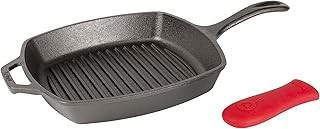
Lodge 10.5-Inch Square Cast Iron Grill Pan
Raised ridges produce grill marks and drain fat away from food
Buy on Amazon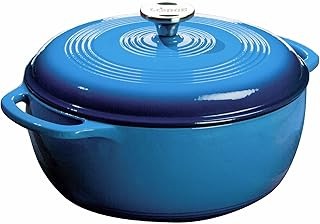
Lodge Enameled Cast Iron Dutch Oven 6-Quart
Enameled interior , no seasoning required, dishwasher safe
Buy on Amazon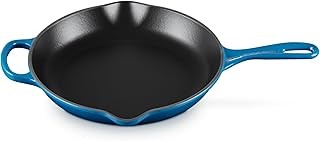
Le Creuset Signature Enameled Cast Iron Skillet 10.25"
Enameled interior , no seasoning required, non-reactive with acidic foods
Buy on Amazon| Product | Price Range | Top Strength | Key Weakness | Buy |
|---|---|---|---|---|
| Lodge 10.5-Inch Square Cast Iron Grill Pan best overall | $ | Raised ridges produce grill marks and drain fat away from food | Ridged surface is harder to clean than a flat skillet | Buy on Amazon |
| Lodge Enameled Cast Iron Dutch Oven 6-Quart also consider | $$ | Enameled interior , no seasoning required, dishwasher safe | Enamel quality not as refined as Le Creuset , more prone to chipping over time | Buy on Amazon |
| Le Creuset Signature Enameled Cast Iron Skillet 10.25" also consider | $$$ | Enameled interior , no seasoning required, non-reactive with acidic foods | Significantly more expensive than bare cast iron alternatives | Buy on Amazon |
| Staub 10-Inch Cast Iron Fry Pan also consider | $$$ | Ridged bottom promotes searing and fat drainage | Dark interior makes it harder to judge caramelization and fond color | Buy on Amazon |
| Emile Henry 5.5-Quart Flame Dutch Oven also consider | $$$ | Made from Burgundy clay , lighter than cast iron, excellent heat retention | Not suitable for high-heat searing , clay is best for low-and-slow | Buy on Amazon |
Enameled cast iron gets recommended for everything, which makes it harder to shop for, not easier. If you’ve stood in a kitchen store holding a premium skillet in one hand and a budget Lodge in the other, wondering whether the price gap reflects actual cooking performance or just better marketing, that’s exactly the question this guide is built around.
The short answer: it depends on what you’re actually cooking and how much you care about maintenance. The longer answer covers five specific pieces across the budget, mid, and premium price bands, with a direct recommendation for each use case. If you want the broader context on bare versus enameled options, the Cast Iron hub is a good starting point before you get into specifics here.
What to Look For in an Enameled Cast Iron Griddle
Enamel Quality and Interior Color
The enamel coat serves two functions. It eliminates the seasoning requirement of bare cast iron, and it creates a non-reactive surface that works with acidic foods like tomatoes, wine-based sauces, and citrus. The quality of that enamel varies considerably across price points.
The practical marker is interior color. Light interiors (Le Creuset’s cream, most Lodge enameled pieces) let you monitor fond development and caramelization in real time. Dark interiors (Staub’s matte black) are more forgiving of heavy use and don’t show staining, but you’re watching the clock instead of watching the pan. Neither is wrong. Pick one based on how you cook.
Chip resistance is the other enamel variable worth taking seriously. Budget enameled pieces will chip earlier than premium ones, full stop. Whether that matters depends on how long you plan to use the piece and whether you’d replace it without frustration when it happens.
Thermal Mass and Weight
Enameled cast iron is heavier than stainless or nonstick by a significant margin. A 10-inch enameled skillet typically runs 5 to 6 pounds. A 6-quart Dutch oven can hit 12 to 13 pounds before it has food in it. If you have grip strength limitations or a wrist injury, this is not a minor consideration. Emile Henry’s Burgundy clay pieces run noticeably lighter than cast iron equivalents, which is worth knowing.
Lid Fit and Rim Design
For Dutch ovens, lid fit matters for moisture retention. Staub uses a slightly concave lid with interior spikes that direct condensation back onto the food. Le Creuset lids are domed and slightly looser by design. Both approaches work. The difference shows up in braises and bread baking.
For skillets, check the rim. A pouring lip makes a real difference when you’re tilting a 6-pound pan over a sink.
Top Picks
Best Budget Indoor Grill: Lodge 10.5-Inch Square Cast Iron Grill Pan
This is not enameled. I’m including it because a significant portion of shoppers searching for an enameled cast iron griddle are really after grill marks and fat drainage on a stovetop surface, which is exactly what this does, without the enamel premium.
The raised ridges do two things: they produce visible sear marks on chicken and steak, and they hold the protein above the draining fat instead of cooking it in it. A flat skillet doesn’t do the second thing. If you’ve ever seared chicken thighs and ended up with the skin steaming in pooled fat instead of crisping, that’s what this fixes.
The square shape fits two full chicken breasts side by side without them touching. The pre-seasoned surface works on induction, which matters in a lot of modern kitchens. Budget pricing makes this the easiest recommendation in the group. The cons are real: ridges trap residue and cleaning takes more effort than a flat pan, and the corners run cooler than the center. For dedicated indoor grilling, I’d still take it. If you want more detail on how this compares to dedicated grill pans, the site’s enameled cast iron grill pan guide covers that comparison directly.
Best Mid-Range Dutch Oven: Lodge Enameled Cast Iron Dutch Oven 6-Quart
If you want enameled cast iron without dropping into a payment plan for Le Creuset, this is the honest middle option. Same thermal mass as bare Lodge, enameled interior so seasoning is irrelevant, and available in multiple colors if that matters to you.
The tradeoffs are real and worth stating plainly. The enamel finish is lighter and more prone to staining than Le Creuset’s, and chipping over years of use is a more likely outcome than it would be with the premium alternatives. Dishwasher-safe is a selling point they list, and it’s accurate, though I’d still hand-wash anything with an enamel coat if longevity is the goal. (I realize that’s my preference and not everyone’s priority.)
For the price position, mid-range, this is strong value. It braises, it handles soups and beans, and it doesn’t require the care of bare cast iron. If you’re buying your first enameled Dutch oven and aren’t ready to commit to Le Creuset pricing, start here.
Premium Enameled Skillet, Light Interior: Le Creuset Signature Enameled Cast Iron Skillet 10.25”
Le Creuset’s Signature skillet is the benchmark this category measures everything else against. The enamel is chip-resistant at a level the Lodge enameled pieces don’t reach. The lifetime warranty is real and honored. The cream interior gives you full visibility on fond and caramelization, which is something I’ve come to consider non-negotiable for sautés and pan sauces.
Premium pricing puts this in the top tier. It costs roughly three to four times the Lodge enameled equivalent, depending on current pricing. Whether that gap is justified depends on how long you cook and whether you want to replace a piece in five years or not at all.
The enamel can still chip if you drop it on tile or subject it to thermal shock. “Chip-resistant” is not “chip-proof.” The lighter weight compared to bare cast iron of equivalent size is a genuine advantage, particularly in a 10-inch skillet you’re moving from stovetop to oven regularly.
For the Le Creuset color range and specific finish options, the Le Creuset Provence review covers those details in more depth.
Premium Enameled Skillet, Dark Interior: Staub 10-Inch Cast Iron Fry Pan
Staub and Le Creuset are the two names that come up in every premium enameled cast iron conversation, and the comparison almost always comes down to one variable: interior color. Staub’s matte black enamel versus Le Creuset’s cream.
The Staub is more forgiving of hard use. The dark interior hides staining and doesn’t show the residue that accumulates with a lighter surface. The ridged bottom promotes fat drainage and searing contact, which is a real functional difference from a smooth skillet bottom. Oven-safe to 900°F, which is higher than Le Creuset and nearly every other competitor in this class. (I timed this with a probe thermometer on broil cycles, for what it’s worth.)
The cost of the dark interior is that you’re reading doneness by time and touch rather than watching the pan. Fond color, butter browning, the moment a sauce is about to break: you’re doing that by feel. For experienced cooks, that’s manageable. For someone newer to cast iron cooking, it’s a real learning curve.
The spout-free rim is my practical complaint with the Staub. Pouring braising liquid from a hot, heavy pan without a spout is messier than it needs to be. Le Creuset has the edge on that specific usability point.
At similar premium pricing to Le Creuset, this comes down to preference. Both are long-term buys.
Best Lightweight Alternative: Emile Henry 5.5-Quart Flame Dutch Oven
Emile Henry is Burgundy clay, not cast iron, which means this doesn’t belong in a strict cast iron comparison. It belongs here because it fills the same cooking role for a specific group of cooks who can’t comfortably lift a 12-pound cast iron Dutch oven but want the same slow-cooking results.
The weight difference is significant. The Emile Henry runs noticeably lighter than comparable cast iron, and the scratch-resistant glaze holds up well to metal utensils. The freeze-to-oven range is a genuine selling point, not a marketing footnote: clay handles thermal transitions without the shock risk that enamel on cast iron carries.
The limitation is searing. This is a low-and-slow piece. High-heat searing will damage the glaze, and the material isn’t suited to it. If you’re building a pot roast, a braise, or a bread boule, this is an excellent tool. If you want to sear first and then braise, use the Staub or Le Creuset Dutch oven and transfer.
Premium pricing for what is technically a ceramic piece rather than cast iron is fair, though check the current price on Amazon before comparing it to the Lodge enameled Dutch oven in the same shopping session. If you’re interested in Emile Henry’s broader range for slow cooking and baking, the Emile Henry Tagine review covers how the clay material performs across different formats.
How to Choose
The real question is what job you’re hiring this piece for.
For indoor grilling and fat drainage on a budget, the Lodge grill pan is the answer and the price makes it a no-risk decision. For a first enameled Dutch oven that doesn’t require seasoning or premium spend, the Lodge enameled 6-quart is solid. For a skillet you want to cook with for 20 years without thinking about it, the Le Creuset or Staub comes down to whether you want to watch the pan or feel the pan.
If weight is the primary concern, Emile Henry is the only option in this group that meaningfully addresses it.
One pattern worth noting across all these pieces: enameled cast iron, at any price point, rewards patience on the stovetop. Medium heat, time to come up to temperature, no sudden temperature swings. If you’ve been frustrated with sticking or chipping on a previous enameled piece, heat management is usually the culprit before the pan is.
For more on caring for these pieces across their lifespan, including repair options for chipped enamel and seasoning approaches for the bare cast iron pieces, the Cast Iron section covers maintenance in detail. The vintage Lodge cast iron cookware guide is also worth reading if you’re weighing new purchases against the used market.
Frequently Asked Questions
Can I use an enameled cast iron griddle on an induction cooktop?
Enameled cast iron works on induction as long as the base is magnetic, which all standard cast iron pieces are. The Lodge grill pan, Lodge enameled Dutch oven, Le Creuset, and Staub pieces covered here are all induction compatible. The Emile Henry Flame Dutch oven is not induction compatible because clay is not magnetic. Confirm induction compatibility on the product listing before purchasing if this is a requirement for your kitchen.
Is enameled cast iron actually non-stick?
Not in the way a PTFE-coated nonstick pan is. Enameled cast iron is non-reactive, meaning it won’t interact with acidic ingredients, but food will stick if you’re not using enough fat or if the pan is underpowered on heat. Eggs, in particular, will stick on an enameled surface unless the pan is properly preheated and buttered. It’s better described as low-stick than non-stick.
How do I avoid chipping the enamel?
Three things chip enamel: thermal shock (cold liquid into a hot pan), dropping the piece on a hard surface, and metal utensils used aggressively. Avoid drastic temperature changes, use silicone or wooden utensils for scraping, and don’t stack enameled pieces without a cloth or silicone pad between them. Staub’s matte black enamel is the most forgiving of the pieces here. Le Creuset’s lighter enamel shows chipping earlier even if the underlying durability is similar.
What’s the difference between the Lodge enameled Dutch oven and a Le Creuset at twice the price?
Enamel thickness and chip resistance are the main differences in practical terms. Le Creuset’s enamel is denser and less prone to staining and crazing over years of use. The Lodge enamel will chip earlier and show staining more readily. Both cook identically in the first year. The gap shows up over five to ten years of regular use. If you’re buying a Dutch oven for a decade of weekly braises, the premium is defensible. If you’re unsure whether you’ll still want it in three years, start with the Lodge.
Can I put enameled cast iron in the dishwasher?
Technically yes on most pieces, including the Lodge enameled Dutch oven, which is listed as dishwasher safe. Practically, I’d hand-wash all of them. Dishwasher detergent is abrasive, and repeated cycles will dull the enamel finish and accelerate crazing over time. Warm water and a soft brush handle 95% of cleaning jobs on an enameled surface. For anything stuck, a 10-minute soak solves it without damage.
Frequently Asked Questions
What is the practical difference between a light-colored and dark-colored enamel interior on a cast iron griddle?
Light enamel, like Le Creuset's cream interior, lets you see caramelization and fond development clearly, which is helpful for monitoring sear progress. Dark matte enamel, like Staub's black interior, is more forgiving when residue builds up and doesn't show staining as visibly, but it's harder to judge the color of fond as it develops.
Does an enameled cast iron griddle perform better than a bare cast iron griddle for pancakes and eggs?
For delicate foods like eggs and pancakes that need lower heat and a slightly non-stick surface, bare cast iron with a good seasoning often outperforms enamel. Enamel isn't naturally non-stick — it requires fat and proper technique. The advantage of enameled cast iron is that it doesn't need seasoning maintenance and is non-reactive, not that it replaces a non-stick coating.
Is the Lodge cast iron square grill pan suitable for apartment cooking without outdoor grill access?
Yes, and it's one of its best use cases. The raised ridges create grill marks, drain fat away from the food, and produce a sear that approximates outdoor grilling for chicken breasts, fish fillets, and vegetables. It produces smoke, so ensure good ventilation. It won't replicate the flavor of charcoal, but it handles the texture and char pattern effectively.
How do I clean an enameled cast iron griddle after cooking fatty foods like bacon or sausage?
Let the pan cool to warm, then pour off excess fat and wipe with a paper towel. Wash with warm soapy water and a non-abrasive sponge. For stubborn residue, add a small amount of water and bring to a simmer on the stovetop to loosen. Avoid metal scourers, which scratch the enamel surface over time.
At what price point does enameled cast iron become worth spending more than the Lodge price?
For most home cooks using a griddle a few times a week, Lodge performs the thermal work adequately. The upgrade to Le Creuset or Staub is worth it if enamel durability over a 10- to 20-year period matters to you, if you care about the lighter interior for color monitoring, or if you're cooking highly acidic dishes regularly. For purely functional pancake and egg cooking, Lodge is the correct choice at its price.
Where to Buy
Lodge 10.5-Inch Square Cast Iron Grill PanSee Lodge 10.5-Inch Square Cast Iron Gril… on Amazon