KitchenAid 8 Qt Commercial Mixer: Buyer's Guide

Affiliate disclosure: Some links on this page are affiliate links. If you buy through them we earn a small commission at no extra cost to you. Recommendations are research-driven; we don't claim personal use of every product reviewed. Product prices and availability are accurate as of the date published and are subject to change. Always check Amazon for current pricing before purchasing. Learn more.

Quick Picks
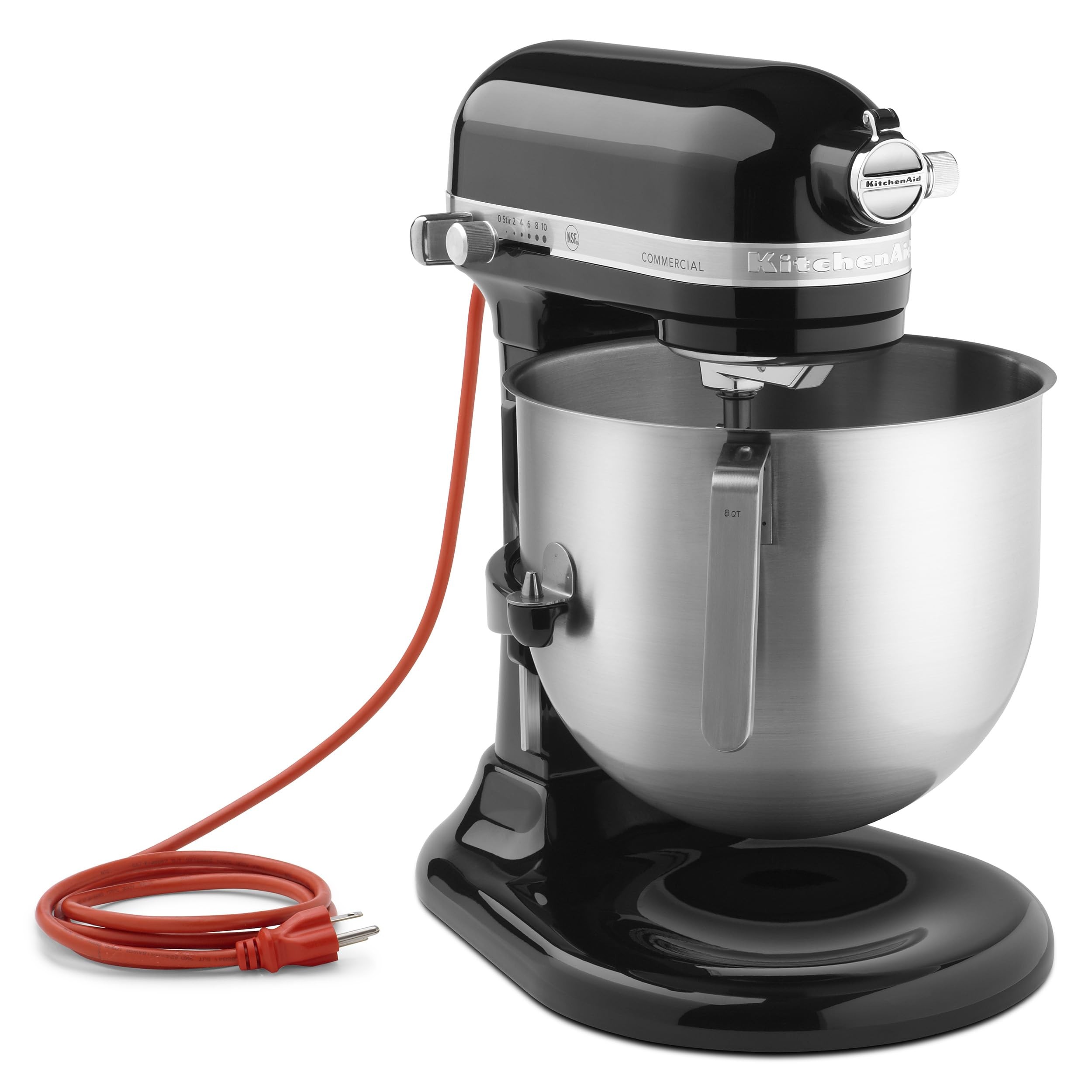
KitchenAid Commercial 8-Quart Stand Mixer (KSM8990)
8-quart bowl handles 14 dozen cookies or 8 loaves of bread at once
Buy on Amazon
KitchenAid Professional 600 6-Quart Stand Mixer
6-quart bowl handles double batches and heavy bread doughs with ease
Buy on Amazon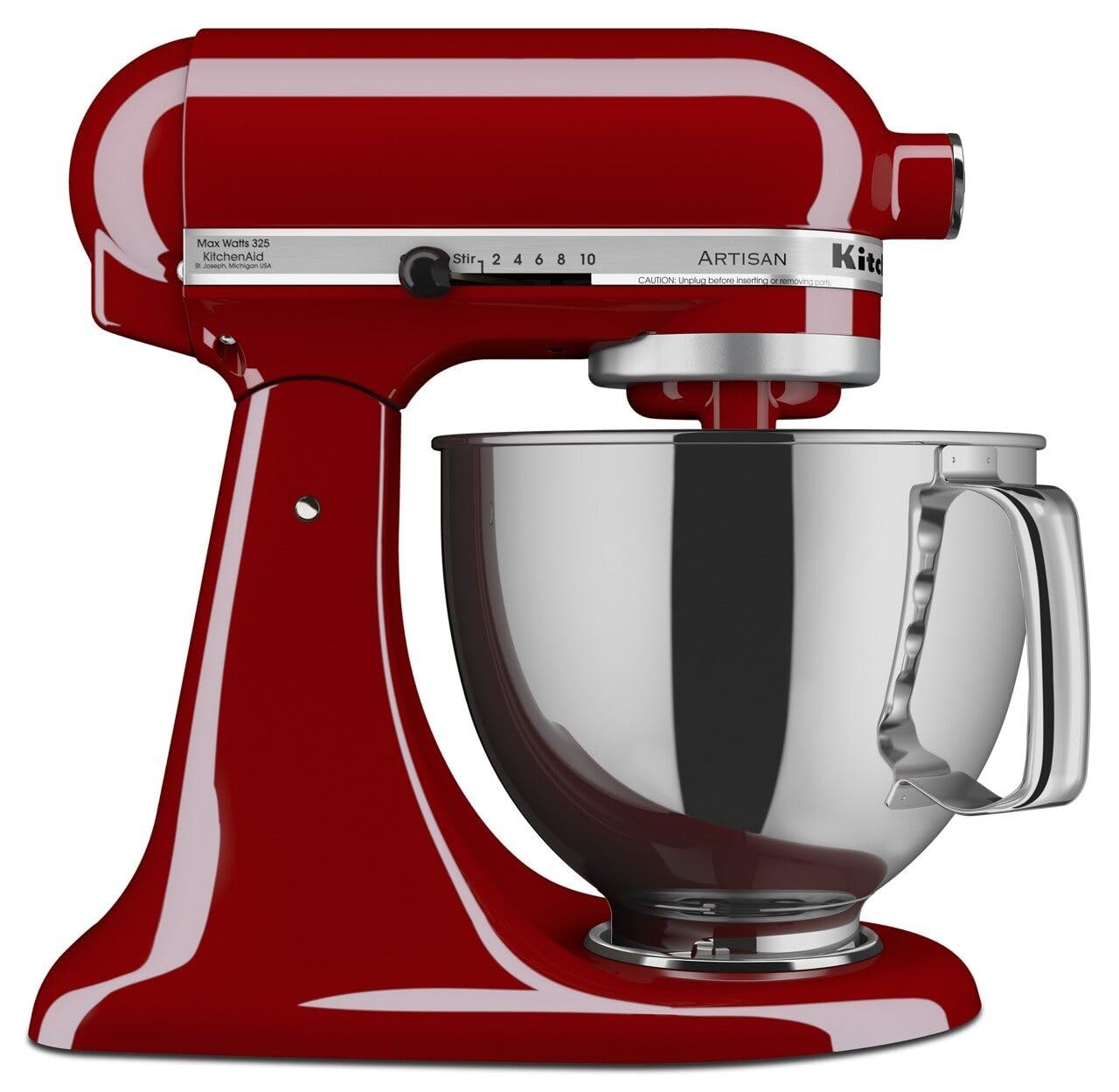
KitchenAid Artisan 5-Quart Stand Mixer (KSM150PS)
10 speeds handle everything from meringue to bread dough
Buy on Amazon| Product | Price Range | Top Strength | Key Weakness | Buy |
|---|---|---|---|---|
| KitchenAid Commercial 8-Quart Stand Mixer (KSM8990) best overall | $$$ | 8-quart bowl handles 14 dozen cookies or 8 loaves of bread at once | Extremely expensive , commercial pricing for a home buyer | Buy on Amazon |
| KitchenAid Professional 600 6-Quart Stand Mixer also consider | $$$ | 6-quart bowl handles double batches and heavy bread doughs with ease | Significantly heavier than the Artisan , harder to store | Buy on Amazon |
| KitchenAid Artisan 5-Quart Stand Mixer (KSM150PS) also consider | $$$ | 10 speeds handle everything from meringue to bread dough | Expensive , over $400 at full retail | Buy on Amazon |
| KitchenAid Pro Line 7-Quart Bowl-Lift Stand Mixer also consider | $$$ | 7-quart capacity handles triple batches and the heaviest bread doughs | Most expensive consumer KitchenAid model , approaching commercial pricing | Buy on Amazon |
The question I get asked most often by serious home bakers is some version of this: “Should I just buy the commercial mixer and be done with it?” It’s a reasonable impulse. If you’ve outgrown the Artisan and you’re baking in volume, the KitchenAid Commercial 8-Quart Stand Mixer (KSM8990) looks like the obvious answer. Whether it’s actually the right answer depends entirely on what you’re baking, how often, and whether you’re willing to permanently surrender a significant portion of your counter. This guide covers the full KitchenAid lineup from the 5-quart Artisan up through the 8-quart commercial unit, so you can make that call with clear information rather than specifications anxiety. For a broader look at the category before you commit, the Stand Mixers hub is a good place to start.
What to Look For in a KitchenAid Stand Mixer
Capacity: The Number That Actually Matters
Bowl size is the most consequential decision in this lineup, and it’s easy to get it wrong in both directions. A 5-quart bowl is adequate for a double batch of cookies or a single loaf of bread dough. A 6-quart handles double batches of most bread doughs without straining. A 7-quart gives you room for triple batches and very high-hydration doughs. An 8-quart is designed for baking operations, not Sunday afternoon baking.
Here’s the honest version: most households baking once or twice a week don’t need more than 6 quarts. If you’re running a cottage bakery, catering small events, or producing 8 to 12 loaves in a single session regularly, then the capacity argument for the 8-quart becomes real. If you’re baking 2 to 3 batches for a holiday party twice a year, it doesn’t.
Motor Power and Design
The motor difference between the tilt-head Artisan and the bowl-lift Professional series is real but often overstated for typical home use. The Artisan’s motor handles bread dough. What it doesn’t handle well is sustained, continuous mixing of very stiff mixtures at volume. If you’re making bagels every week in double batches, you’ll feel the difference. If you’re making focaccia occasionally, you won’t.
Bowl-lift design matters more for stiff mixtures than for liquid-heavy batters. The bowl locks in at the base of the mixing action, which gives you more stability when a dough is fighting back. For anything lighter than a firm bread dough, the tilt-head Artisan works without compromise.
Attachment Compatibility
All consumer KitchenAid mixers share the same hub port, which means the pasta roller, meat grinder, ice cream maker, and food grinder attachments transfer across models. The commercial 8-quart uses a different attachment system and is not compatible with standard consumer KitchenAid attachments. That matters if you’ve already invested in the attachment ecosystem.
If you’re considering specialty bowls, there are some worthwhile options in this space. The copper bowl for KitchenAid mixer is a good example of an upgrade that changes what the machine can do for specific applications like whipping egg whites.
Top Picks
KitchenAid Artisan 5-Quart Stand Mixer (KSM150PS)
The KitchenAid Artisan 5-Quart Stand Mixer (KSM150PS) is the default recommendation for most home bakers, and it earns that position honestly. Ten speeds, planetary mixing action that reaches the entire bowl without leaving unmixed pockets, and a tilt-head design that makes bowl swaps fast. The attachment ecosystem is the real differentiator against budget stand mixers. A pasta roller attachment converts this machine into something a separate appliance couldn’t match for the price.
The 5-quart bowl is a genuine limitation if you bake bread in volume. Two standard sandwich loaves fill it to capacity. The motor, while capable, will show stress on sustained heavy doughs if you push it. For cookie doughs, cakes, quick breads, and occasional yeast bread, it’s more than adequate. It’s in the premium price band, so check current pricing on Amazon before assuming it’s less expensive than the Professional 600.
Best for. Home bakers making 2 to 4 batches per session, who want attachment flexibility, and aren’t regularly working stiff doughs at volume.
KitchenAid Professional 600 6-Quart Stand Mixer
The KitchenAid Professional 600 6-Quart Stand Mixer is where the upgrade argument actually holds weight. The bowl-lift mechanism, the larger capacity, and the more powerful motor are meaningful improvements for anyone who has regularly hit the limits of the Artisan. If you’ve ever watched a 5-quart bowl struggle through a double batch of bagel dough and mentally noted the burning smell, this is what fixes that.
The trade-offs are real. It’s significantly heavier than the Artisan. Moving it to a cabinet and back is a two-handed operation that most people stop doing after a week. You need a dedicated counter spot. The bowl-lift also requires two hands to engage, which is a minor nuisance when you’re already handling dough. Both models are in the premium price band, though the Professional 600 typically costs more than the Artisan. Check current pricing on Amazon.
The bragging-rights question is fair to raise. Some buyers purchase the Professional 600 for occasional baking when the Artisan would have served them equally well. Be honest about your actual volume before buying for capacity you’ll use three times a year.
Best for. Home bakers making double batches regularly, working stiff bread doughs frequently, or who have genuinely outgrown the Artisan’s capacity.
KitchenAid Pro Line 7-Quart Bowl-Lift Stand Mixer
The KitchenAid Pro Line 7-Quart Bowl-Lift Stand Mixer sits in an interesting position. It’s the most powerful machine in KitchenAid’s consumer range at 1.3HP, one full quart larger than the Professional 600, and priced closer to commercial territory than to the Artisan. For serious volume bakers who need more than 6 quarts but aren’t ready for the operational requirements of a commercial unit, this is the right machine.
The capacity gain from 6 to 7 quarts is meaningful for triple batches and for very high-hydration doughs that need extra headroom. The motor handles sustained mixing at high resistance without the stress signals a smaller machine shows. Like the Professional 600, it requires a permanent counter spot. It’s the most expensive consumer KitchenAid model and approaches commercial pricing. Check current pricing on Amazon.
Best for. High-volume home bakers, cottage bakers starting out, and anyone regularly mixing triple batches or very stiff doughs.
KitchenAid Commercial 8-Quart Stand Mixer (KSM8990)
The KitchenAid Commercial 8-Quart Stand Mixer (KSM8990) is a machine designed for continuous production use. Fourteen dozen cookies. Eight loaves of bread. A 1.3HP motor built for sustained commercial workloads. A bowl guard with a 3-piece design for safe operation during mixing. If you are running a small catering operation from a licensed home kitchen, or producing in that volume regularly, this is the appropriate tool.
For a home baker, even a serious one, the honest answer is that this machine is almost certainly more than you need. It’s commercial pricing, the heaviest unit in this comparison, and it requires dedicated infrastructure, not just counter space. The attachment incompatibility with the consumer lineup means any investment in KitchenAid accessories you’ve already made does not transfer. For a detailed look at exactly what this machine offers and where it makes sense, see the full review of the KitchenAid 8-quart commercial stand mixer.
Best for. Cottage bakers, small-scale caterers, and high-volume operations baking 8-plus loaves or 10-plus dozen cookies per session on a regular schedule.
How to Choose
Match Capacity to Actual Volume
Write down the three things you bake most often and the quantity per session. If two of those three fit comfortably in a 5-quart bowl, the Artisan is the right answer. If you’re consistently producing double or triple batches of bread dough, move up. Don’t buy for the theoretical maximum you might someday bake.
Consider Weight Seriously
The Professional 600 weighs around 29 pounds. The Pro Line 7-quart is heavier. The commercial 8-quart is heavier still. If your kitchen requires storing the mixer and bringing it out for use, the weight is a daily operational reality, not a spec sheet footnote. A lighter machine you actually use is worth more than a powerful machine living in a cabinet. (I have watched this mistake made by people who know better, including myself with a food processor I eventually gave away.)
Attachment Investment
If you’re already using KitchenAid attachments, that ecosystem matters. All consumer models share the hub port. The commercial 8-quart does not. Factor this in before committing to the commercial unit.
For anyone interested in specialty bowl upgrades once you’ve picked your model, the copper bowl for KitchenAid stand mixer is worth reading before you buy.
Price vs. Actual Use Case
All four machines in this lineup sit in the premium price band. The Artisan is the least expensive of the four, though still a real investment. The Professional 600 costs more. The Pro Line 7-quart costs more still. The commercial 8-quart is priced for commercial buyers. None of these are casual purchases, which makes clarity about your actual use case more important than usual. There is no version of this lineup where you’re hedging against much financial risk by buying up. You’re either buying the right machine or an expensive one you’ll grow to resent.
For a broader comparison of stand mixer options across brands before you finalize this decision, the stand mixer buying guide covers the full category.
Frequently Asked Questions
Is the KitchenAid 8-quart commercial mixer worth it for home use?
For most home bakers, no. The KSM8990 is designed for continuous production use at commercial workloads, and its pricing reflects that. Unless you’re regularly baking 8-plus loaves or 10-plus dozen cookies per session, the Pro Line 7-quart or Professional 600 will handle your volume without the commercial price tag, the attachment incompatibility, or the infrastructure requirements.
What is the difference between the KitchenAid Artisan and the Professional 600?
Three meaningful differences. The Professional 600 has a 6-quart bowl versus the Artisan’s 5-quart. The bowl-lift design on the Professional 600 is more stable for stiff doughs than the Artisan’s tilt-head. The motor is more capable for sustained heavy use. For most cookie-and-cake bakers, none of those differences matter. For regular bread bakers working double batches, all three matter.
Can I use my existing KitchenAid attachments with the 8-quart commercial mixer?
No. The commercial 8-quart uses a different hub system and is not compatible with standard consumer KitchenAid attachments. If you’ve invested in the pasta roller, meat grinder, or other consumer accessories, that investment does not transfer to the KSM8990.
How much counter space does the KitchenAid commercial mixer require?
The KSM8990 is substantially larger than any consumer KitchenAid model. It requires dedicated, permanent counter space. If your kitchen requires storing appliances between uses, the commercial unit is a poor fit regardless of its baking capacity.
Is the KitchenAid Pro Line 7-quart better than the Professional 600?
For high-volume bakers, yes. The Pro Line 7-quart offers one additional quart of capacity, a more powerful motor, and greater stability for the heaviest doughs. For most home bakers who’ve outgrown the Artisan, the Professional 600 hits the right balance of capacity and price. The Pro Line 7-quart is the right choice when 6 quarts is genuinely the constraint, not when 5 quarts is the constraint.
Frequently Asked Questions
Who actually needs a KitchenAid 8 qt commercial mixer?
The 8-quart commercial mixer makes sense for cottage bakers producing multiple loaves per session, small caterers, or serious home bakers who regularly mix 6-8 pounds of dough in a single batch. If you bake one or two loaves a week or make occasional cookie batches, a 5 or 6-quart model will handle your needs without the cost and counter footprint.
What is the difference between the KitchenAid commercial 8-quart and the Professional 600?
The KSM8990 commercial model runs a 1.3HP motor rated for continuous heavy-duty use and has an 8-quart bowl capacity. The Professional 600 has a 6-quart bowl and a less powerful motor suited to intermittent home use. Both use a bowl-lift design, but the commercial unit is built to a higher duty cycle and carries a higher price.
Is the KitchenAid 8 qt commercial mixer loud?
It is noticeably louder than smaller KitchenAid models, particularly under load with stiff dough. The motor is designed for sustained output rather than quiet operation. This is generally acceptable in a working kitchen but worth knowing if you share living space with someone who works from home or sleeps nearby.
Does the KitchenAid 8 qt commercial mixer use the same attachments as the Artisan?
No. The commercial 8-quart uses a different bowl and hub size than the Artisan or Professional 600. Attachments designed for the 5-quart tilt-head models are not compatible. Verify attachment compatibility with KSM8990 specifically before purchasing any add-ons.
How heavy is the KitchenAid 8 qt commercial mixer?
The KSM8990 weighs approximately 29 pounds. It is not a machine you will move casually, and most buyers end up giving it a permanent spot on the counter. Factor in the footprint and clearance needed for the bowl-lift arm when planning where it will live.
Where to Buy
KitchenAid Commercial 8-Quart Stand Mixer (KSM8990)See KitchenAid Commercial 8-Quart Stand M… on Amazon