Zwilling Pro Santoku Kitchen Knives: A Buyer's Guide

Affiliate disclosure: Some links on this page are affiliate links. If you buy through them we earn a small commission at no extra cost to you. Recommendations are research-driven; we don't claim personal use of every product reviewed. Product prices and availability are accurate as of the date published and are subject to change. Always check Amazon for current pricing before purchasing. Learn more.
Quick Picks
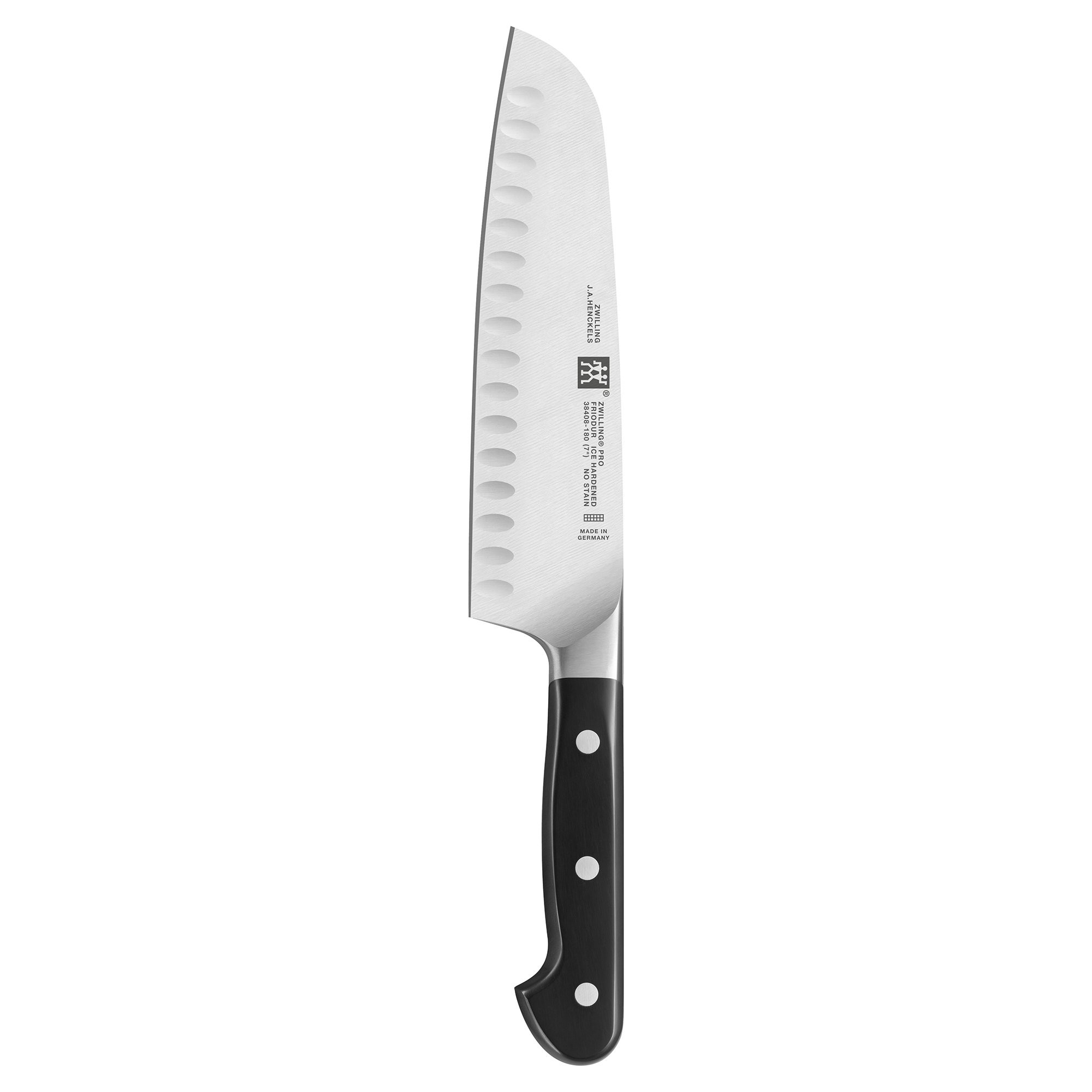
Zwilling J.A. Henckels Zwilling Pro 7-Inch Santoku
German steel in santoku form , more forgiving than Japanese steel for daily use
Buy on Amazon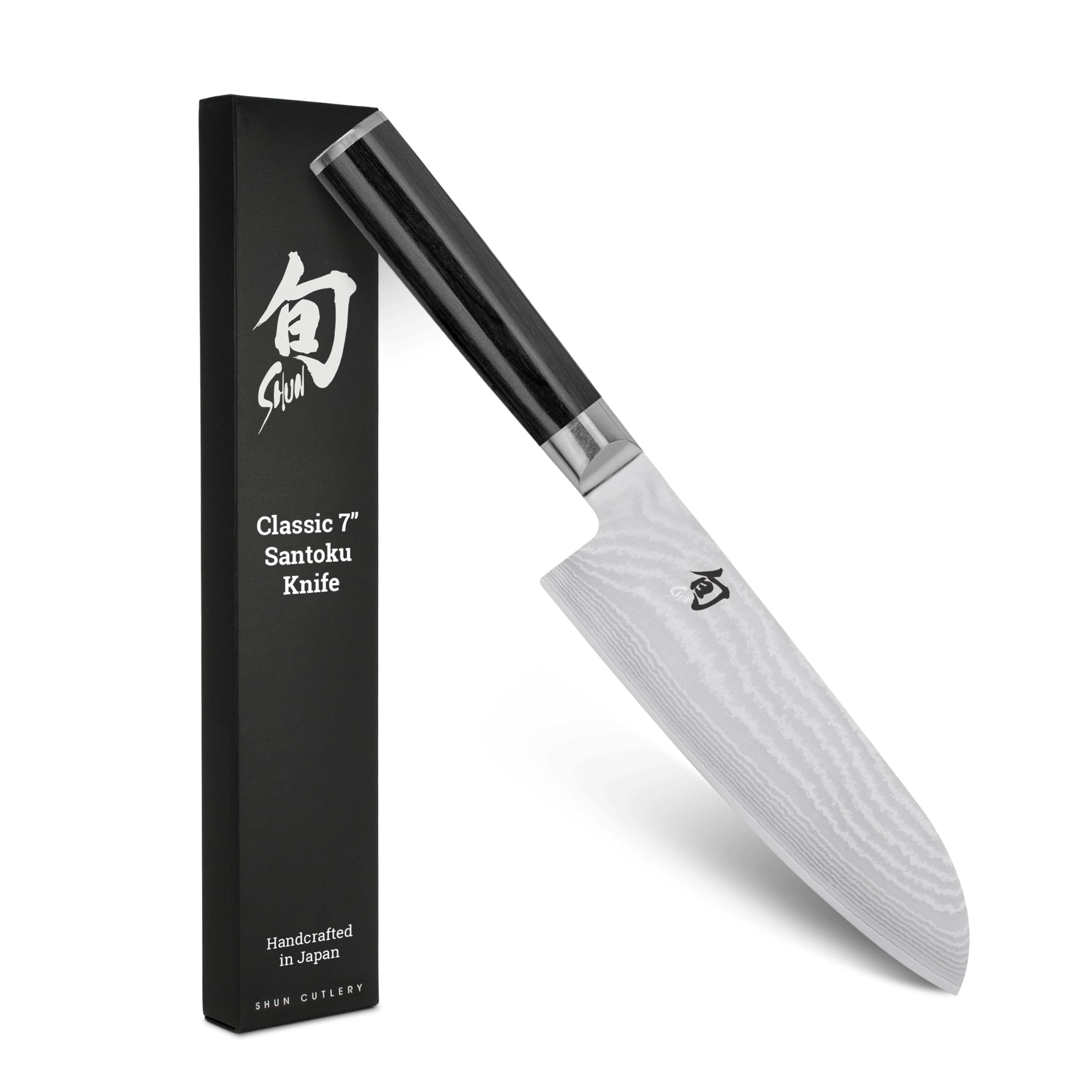
Shun Classic 7-Inch Santoku
VG-MAX Damascus steel , same exceptional sharpness as the chef's knife
Buy on Amazon
Wüsthof Classic 7-Inch Santoku
German steel in a Japanese blade shape , great of the best of both traditions
Buy on Amazon| Product | Price Range | Top Strength | Key Weakness | Buy |
|---|---|---|---|---|
| Zwilling J.A. Henckels Zwilling Pro 7-Inch Santoku best overall | $$$ | German steel in santoku form , more forgiving than Japanese steel for daily use | German steel not as hard as Japanese alternatives , needs more frequent honing | Buy on Amazon |
| Shun Classic 7-Inch Santoku also consider | $$$ | VG-MAX Damascus steel , same exceptional sharpness as the chef's knife | Hollow-ground edge requires whetstone maintenance , not for casual sharpeners | Buy on Amazon |
| Wüsthof Classic 7-Inch Santoku also consider | $$$ | German steel in a Japanese blade shape , great of the best of both traditions | German steel is softer than Japanese , needs more frequent honing | Buy on Amazon |
| MAC Professional 8-Inch Chef's Knife also consider | $$ | Thin Japanese blade profile with a Western-style handle , best of both | Less name recognition than Shun or Wüsthof , harder to buy as a gift | Buy on Amazon |
| Victorinox Fibrox Pro 8-Inch Chef's Knife also consider | $ | Best-performing knife under $50 , used in professional kitchens worldwide | Stamped steel loses its edge faster than forged alternatives | Buy on Amazon |
The santoku has a straightforward job: slice vegetables cleanly, handle boneless protein without drama, and stay out of the way during extended prep. If you’ve ever switched from a heavy Western chef’s knife to a santoku mid-prep and felt the difference in your forearm by the end of the session, you already understand the appeal. The question isn’t whether a santoku is worth owning. The question is which one, and at what cost to your sharpening routine.
This guide covers five knives across three price bands, with a direct recommendation at the end. For broader coverage of blade types, sharpening tools, and what actually matters in a knife budget, the Knives & Sharpeners hub is the starting point.
What to Look For in a Santoku
Steel Hardness: The Decision That Drives Everything Else
Most santoku buyers eventually land on one question: German steel or Japanese steel? The difference is practical, not cosmetic.
German steel, typically in the 56-58 HRC range, is softer and tougher. It holds up to the kind of daily abuse that includes contact with cutting boards, the occasional bone, and a honing rod that gets used twice a week when you remember it. It needs more frequent honing, but it’s forgiving when you get lazy.
Japanese steel runs harder, often 60-62 HRC. It takes a sharper initial edge and holds it longer under ideal conditions. The trade-off is brittleness. Drop it blade-down, use it on a frozen butternut squash, or run it through the dishwasher, and you’ll chip it. The sharpening routine also changes. A honing rod maintains German steel adequately. Japanese steel wants a whetstone.
Neither is objectively superior. They’re suited to different kitchen habits.
Blade Geometry
The santoku’s sheep’s-foot tip and flatter cutting edge profile suit a push-and-slice stroke rather than the rocking motion that Western chef’s knives are designed around. If your cutting style is mostly vertical chopping and forward slicing, a santoku fits naturally. If you rock the tip on the board constantly, you’ll find the flat edge slightly awkward at first.
Hollow-ground (Granton) edges, those oval dimples along the blade face, reduce drag when slicing through sticky foods like potatoes or cucumbers. Not all santokus have them, and they don’t change sharpness. They change the friction between blade and food, which matters more during extended vegetable prep than it does for a quick weeknight dinner.
Handle Fit and Weight
A 7-inch santoku typically weighs between 4 and 7 ounces. That spread sounds small until you’ve held both ends of it for an hour. Lighter knives reduce hand fatigue in long prep sessions. Whether that matters to you depends on how much you cook at volume.
Handle shape matters for grip style. If you use a pinch grip (index finger and thumb on the blade, not the handle), the bolster shape is relevant. A curved or tapered bolster guides your fingers naturally. A thick, flat bolster can work against you.
Top Picks
Zwilling Pro 7-Inch Santoku
The Zwilling Pro 7-Inch Santoku is the primary subject of this guide, and it holds up well to direct examination. The Pro line’s defining feature is a curved bolster that angles down toward the blade, designed specifically to support a pinch grip. On most knives, the bolster is an afterthought. Zwilling built the Pro series around it.
The steel is Friodur ice-hardened German steel, which increases surface hardness compared to standard German steel without reaching the brittleness of Japanese alternatives. Edge retention is noticeably better than the standard Zwilling Twin line, though you’ll still want to hone it regularly. For a direct comparison on the broader Henckels lineup, the Zwilling J.A. Henckels Chef Knife article covers the chef’s knife version in detail, and the steel characteristics carry over.
The one legitimate frustration: that curved bolster, which is an asset for grip, creates an awkward angle when you try to sharpen it flat on a whetstone. The heel of the blade doesn’t sit flush. You can work around it with a ceramic honing rod and periodic professional sharpening, but if you’re a whetstone sharpener who likes to run the full length of the blade, this will irritate you. (I have a hard time recommending a knife with a sharpening limitation I’d have to explain in a footnote, but for most home cooks, this one is manageable.)
Premium pricing. Check current price on Amazon.
Shun Classic 7-Inch Santoku
The Shun Classic 7-Inch Santoku is the recommendation for buyers who want true Japanese blade performance and are willing to maintain it properly.
VG-MAX Damascus steel at 61 HRC produces an edge that is noticeably sharper than anything in the German steel category. The hollow-ground blade reduces drag through dense vegetables in a way that’s immediately obvious when you’re working through three pounds of sweet potatoes. Weight is lighter than both the Zwilling Pro and Wüsthof Classic versions, which matters if you’re doing serious prep volume.
The conditions attached to that performance are real. At 61 HRC, this blade chips if you use it carelessly. No hard squash, no bones, no frozen anything. Maintenance means a whetstone, not a pull-through sharpener. If those conditions fit how you already cook and maintain knives, this is the best-performing santoku in this group. If you’re not a disciplined sharpener, you will eventually chip this blade and then feel bad about what you spent.
Premium pricing, comparable to the Zwilling Pro. Check current price on Amazon.
Wüsthof Classic 7-Inch Santoku
The Wüsthof Classic 7-Inch Santoku offers the most durability-forward option among the three premium santokus. Same X50CrMoV15 German steel used across the entire Classic line, forged full tang, and Granton edge. If you’ve cooked with Wüsthof Classic chef’s knives and found them reliable, this knife will feel like an extension of that experience.
The tradeoff compared to the Shun is explicit: softer steel means you’ll be at the honing rod more often, and the maximum sharpness ceiling is lower. Compared to the Zwilling Pro, the Wüsthof’s flat bolster makes full-length whetstone sharpening easier. For buyers who sharpen their own knives regularly and want to do it without workarounds, that’s a meaningful advantage over the Pro’s curved bolster design.
The “purist” objection to this knife, that it’s a German knife wearing a Japanese shape, is a fair description but not a disqualifying one. The santoku format is useful regardless of where the steel comes from. Wüsthof is consistent in quality and widely available for warranty service. Premium pricing. Check current price on Amazon.
MAC Professional 8-Inch Chef’s Knife
The MAC Professional 8-Inch Chef’s Knife is not a santoku, but it belongs in this comparison because it represents what the informed buyer is actually choosing between. MAC makes knives that professional cooks frequently prefer over much more expensive alternatives. The steel sits in the middle hardness range, around 58-60 HRC, which means it takes a sharper edge than German steel but is more forgiving than the Shun’s harder Japanese blade. At roughly half the weight of a German chef’s knife, it closes much of the fatigue gap that makes santokus appealing in the first place.
Mid-range pricing, which makes it cost roughly half the Shun. If you want a more detailed look at this knife’s performance characteristics, the Mac Professional Series Chef’s Knife article covers it thoroughly.
If your goal is the best cutting performance per dollar in a light, sharp knife, the MAC is the answer. The only real disadvantage is that it lacks the brand recognition of Shun or Wüsthof, which matters exactly zero in your own kitchen.
Victorinox Fibrox Pro 8-Inch Chef’s Knife
The Victorinox Fibrox Pro 8-Inch Chef’s Knife is the value benchmark. Budget pricing, stamped steel, utilitarian handle. What it is: a consistently sharp knife used in commercial kitchens because it performs reliably at low cost. It will not hold an edge as long as any forged knife on this list. It will not feel like a considered piece of equipment.
If you are deciding whether to spend serious money on a santoku or chef’s knife and you’ve never cooked with a genuinely sharp blade, buy the Victorinox first. Use it for six months. If you notice yourself maintaining it, caring about its edge, and reaching for it habitually, that tells you something about whether the premium knives are worth the investment for your cooking life.
How to Choose
If you want a santoku specifically and you maintain knives well, the Shun Classic is the better-performing blade. If you want the same santoku format with lower maintenance demands and a cleaner sharpening experience, the Wüsthof Classic is more practical. If you like the pinch-grip bolster design and don’t sharpen on a flat stone, the Zwilling Pro is a strong choice with one acknowledged limitation.
If you’re open to a chef’s knife instead of a santoku, the MAC Professional is the pick I’d make with my own money. It solves the weight and sharpness problems that drive most people toward santokus in the first place, at lower cost than the premium santoku options.
For buyers at the beginning of building a knife collection, the Knives & Sharpeners hub has coverage of sharpening tools and entry-level options that fill out the rest of a functional knife set. A 5-inch santoku, covered in the 5 Inch Santoku Knife article, is also worth considering if you work in a smaller space or do a lot of detail prep.
My recommendation: the Zwilling Pro 7-Inch Santoku for buyers who want a German steel santoku with a thoughtful ergonomic design and can live with the bolster sharpening limitation. The Shun Classic for buyers who sharpen on a whetstone and want the best edge performance. The MAC Professional for buyers who are honest with themselves about what they actually need.
Frequently Asked Questions
Is the Zwilling Pro santoku better than the Shun Classic?
It depends on what you’re optimizing for. The Shun Classic takes a sharper edge and holds it longer under careful use. The Zwilling Pro is more forgiving of daily handling and easier to maintain with a honing rod. If you maintain your knives consistently on a whetstone, the Shun performs better. If you want a reliable everyday blade that tolerates a less rigorous maintenance schedule, the Zwilling Pro is the more practical choice.
What is the difference between German and Japanese santoku knives?
Steel hardness and the maintenance that follows from it. German steel knives (Zwilling Pro, Wüsthof Classic) run softer, around 56-58 HRC, meaning they’re tougher and more chip-resistant but need more frequent honing. Japanese steel knives (Shun Classic) run harder, around 60-62 HRC, taking a finer edge that lasts longer under ideal conditions but chips more easily and requires whetstone maintenance rather than a simple honing rod.
Can I sharpen the Zwilling Pro on a regular whetstone?
You can, but the curved bolster creates friction. The heel of the blade doesn’t sit flush against a flat stone, so you can’t run the full blade length in a single stroke without lifting. Most owners maintain it with a ceramic honing rod between professional sharpenings. If full whetstone sharpening is part of your routine, the Wüsthof Classic’s flatter bolster design is more compatible with it.
Is the MAC Professional knife a santoku or a chef’s knife?
It’s a Western-profile chef’s knife with a thinner Japanese-style blade. It’s not a santoku. It’s included in this comparison because many buyers considering premium santokus are really looking for a lighter, sharper knife than a standard German chef’s knife, which is exactly what the MAC Professional delivers, often at lower cost than the premium santoku options.
Do I need a santoku if I already own a chef’s knife?
Not necessarily. A santoku’s strengths are its lighter weight, flatter edge profile for push-cut chopping, and typically shorter blade for maneuvering in tighter prep situations. If your current chef’s knife is sharp and fits your hand well, a santoku adds convenience rather than capability. If you’re cooking high volumes of vegetables and noticing forearm fatigue, or if you prefer a more vertical cutting motion, the santoku format will make a noticeable difference.
Frequently Asked Questions
What makes the Zwilling Pro santoku different from other santoku knives?
The Zwilling Pro line features a curved bolster designed for a pinch grip, which is uncommon at this price point and adds control during extended prep. The blade is forged from Friodur German steel, which is more forgiving than harder Japanese steels and better suited to home cooks who sharpen infrequently.
Is a santoku knife better than a chef's knife for vegetable prep?
For push-cutting and slicing vegetables, a santoku's flatter edge and lighter weight often feel more efficient than a curved chef's knife. The trade-off is that a santoku is less versatile for tasks like rock-chopping herbs or breaking down larger cuts of meat. Many cooks keep both and reach for whichever fits the task.
How often does a Zwilling Pro santoku need sharpening?
German steel like the kind used in the Zwilling Pro is typically in the 57–58 HRC range, which means it dulls more quickly than harder Japanese steels but is much easier to resharpen. With regular honing on a honing rod before each use, most home cooks will need to sharpen the blade only a few times per year.
What angle should I use to sharpen a Zwilling Pro santoku?
Zwilling Pro knives are factory-ground to approximately 15 degrees per side. A sharpening system adjustable to that angle, or a whetstone with the proper technique, will maintain the edge correctly. Avoid pull-through sharpeners with fixed 20-degree slots, which will alter the bevel geometry over time.
Does the Zwilling Pro santoku have a hollow edge?
The standard Zwilling Pro santoku does not have a Granton (hollow) edge. If drag reduction during cutting is a priority, the Wüsthof Classic Hollow Edge santoku is a direct alternative that does. For most home cooks, the difference in daily performance is minor.
Where to Buy
Zwilling J.A. Henckels Zwilling Pro 7-Inch SantokuSee Zwilling Pro 7-Inch Santoku on Amazon