KitchenAid Ceramic Bowl for Mixer: Options & Comparisons

Affiliate disclosure: Some links on this page are affiliate links. If you buy through them we earn a small commission at no extra cost to you. Recommendations are research-driven; we don't claim personal use of every product reviewed. Product prices and availability are accurate as of the date published and are subject to change. Always check Amazon for current pricing before purchasing. Learn more.

Quick Picks
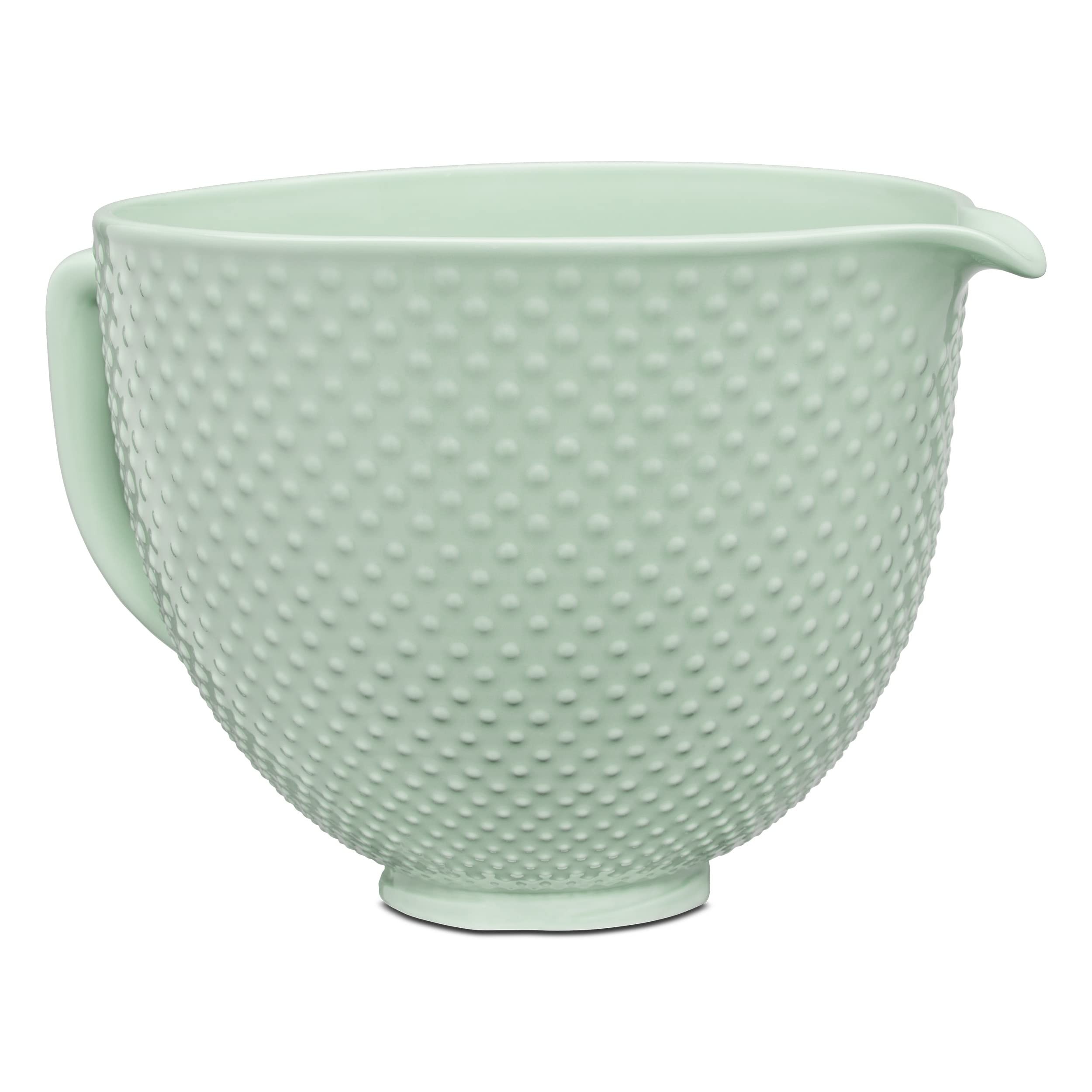
KitchenAid 5-Quart Ceramic Bowl
Ceramic construction , easier to clean than stainless steel, no metallic taste
Buy on Amazon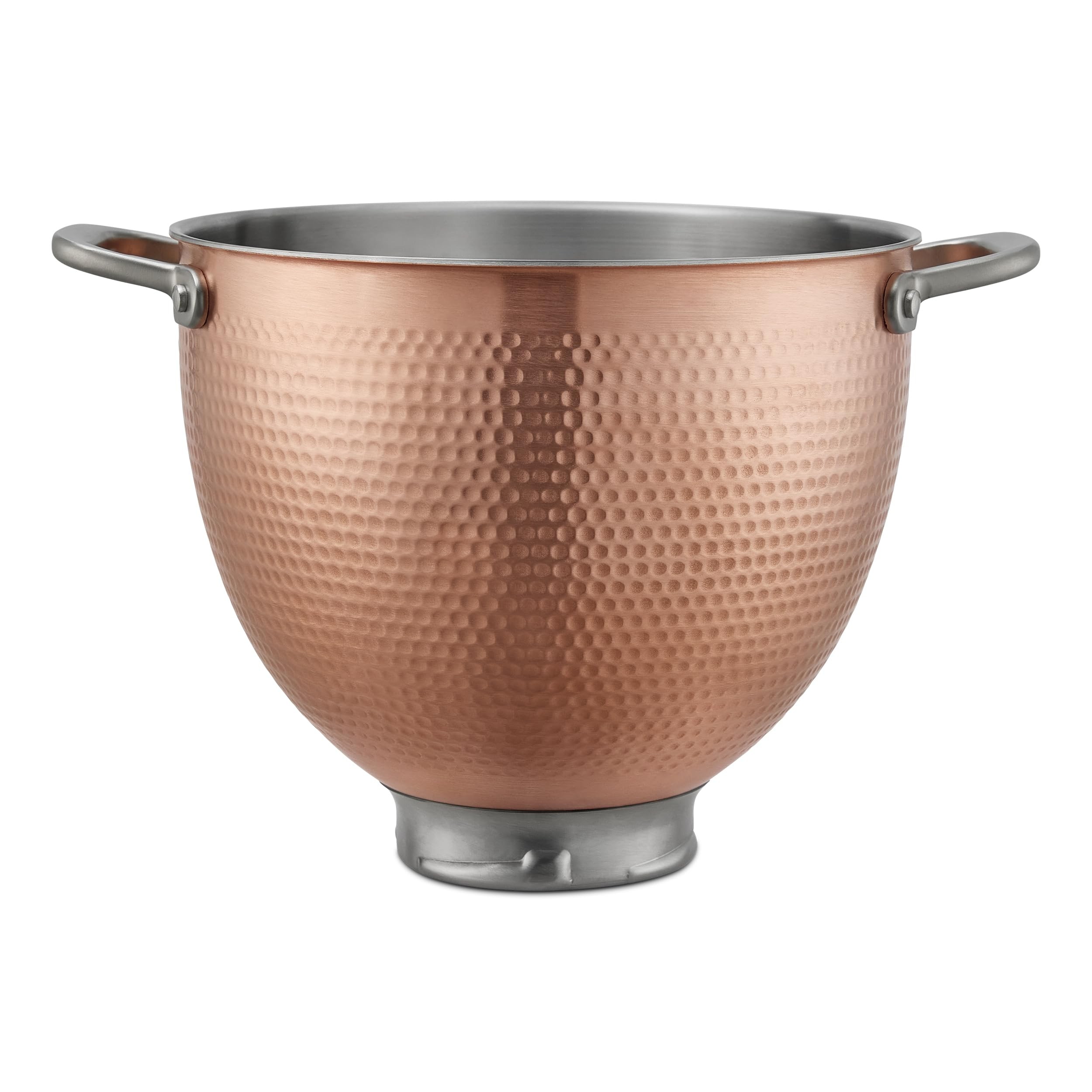
KitchenAid Copper 5-Quart Bowl
Copper ions react with egg whites to stabilize the foam , meringues and soufflés rise higher
Buy on Amazon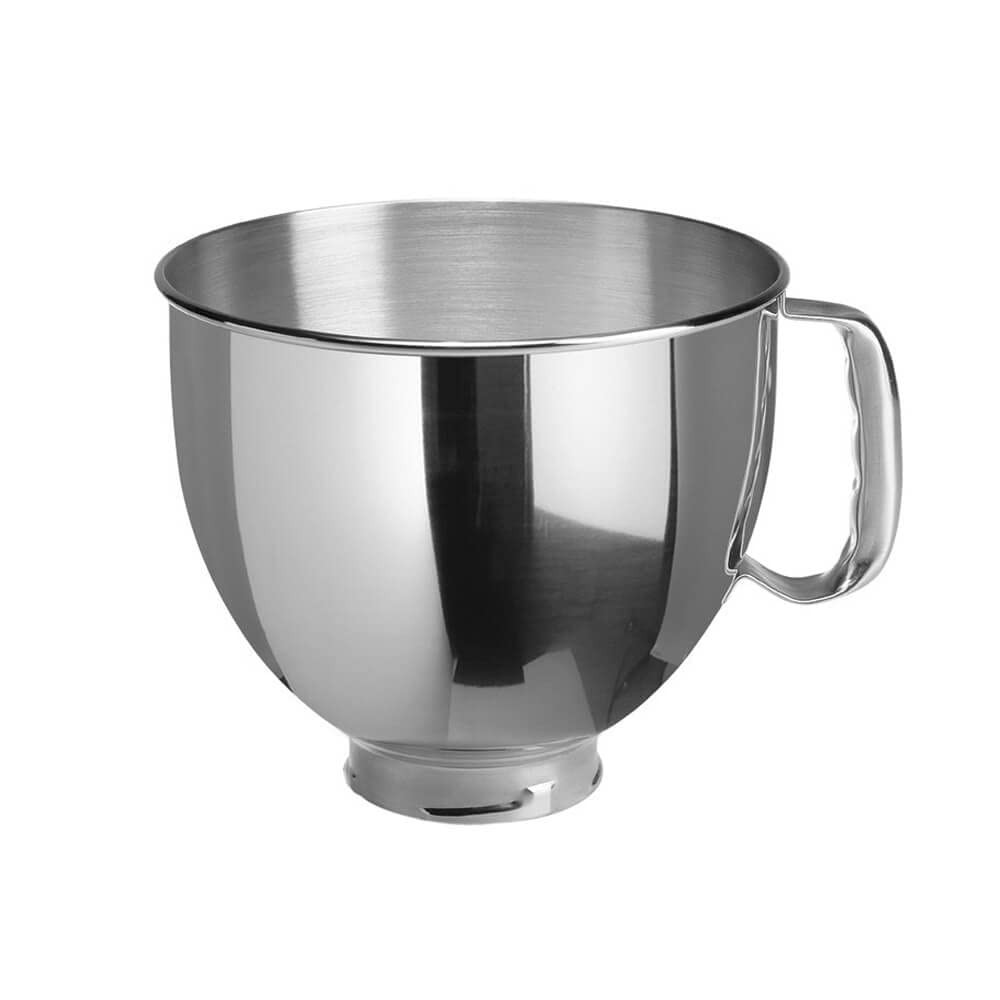
KitchenAid 5-Quart Stainless Steel Mixing Bowl
Replacement or spare bowl , useful for bakers who use the mixer for multiple batches
Buy on Amazon| Product | Price Range | Top Strength | Key Weakness | Buy |
|---|---|---|---|---|
| KitchenAid 5-Quart Ceramic Bowl best overall | $$ | Ceramic construction , easier to clean than stainless steel, no metallic taste | Heavier than stainless , adds to the mixer's weight during use | Buy on Amazon |
| KitchenAid Copper 5-Quart Bowl also consider | $$ | Copper ions react with egg whites to stabilize the foam , meringues and soufflés rise higher | Expensive accessory for a functional upgrade most home bakers won't notice | Buy on Amazon |
| KitchenAid 5-Quart Stainless Steel Mixing Bowl also consider | $ | Replacement or spare bowl , useful for bakers who use the mixer for multiple batches | Bare-bones , no handle or spout on standard bowl | Buy on Amazon |
| KitchenAid Artisan 5-Quart Stand Mixer (KSM150PS) also consider | $$$ | 10 speeds handle everything from meringue to bread dough | Expensive , over $400 at full retail | Buy on Amazon |
If you’ve owned a KitchenAid tilt-head mixer for any length of time, you’ve probably looked at that stainless bowl that came with it and thought: fine, but is this it? The bowl is functional. It does what it says. But KitchenAid has built an accessory ecosystem around these machines specifically because “functional” isn’t always the full answer. The right bowl swap can improve your results, simplify your workflow, or just stop annoying you every time you clean up. This guide covers the bowl options worth considering, what actually differentiates them, and which one fits your situation. If you’re still deciding on the mixer itself, the Stand Mixers hub has the broader picture.
What to Look For
Material and What It Actually Changes
The standard stainless bowl that ships with most KitchenAid tilt-head models isn’t a bad bowl. Stainless is durable, dishwasher safe, and indifferent to temperature. The issue is that stainless is also the floor, not the ceiling.
Ceramic adds thermal mass, which means it holds temperature longer than stainless. If you’re beating butter and sugar and your kitchen runs cold, that matters. Ceramic is also non-reactive and tends to release baked-on residue more cleanly than stainless, which can hold on to fat films if you don’t hit it with hot water quickly. The tradeoff is weight and fragility. A ceramic bowl is noticeably heavier, and if you’ve ever watched something slide off a counter, you know a ceramic bowl will not recover from that encounter.
Copper is its own category. The case for a copper bowl rests on actual chemistry, not aesthetics. Copper ions react with the conalbumin proteins in egg whites, forming a more stable foam that is harder to overwhip and holds its structure longer in heat. If you make meringues, soufflés, or any preparation where egg white stability is the variable that determines success or failure, this is a functional upgrade. It is not a general-purpose upgrade. For bread dough or cookie batter, copper does nothing that stainless doesn’t.
Compatibility
All three bowl options in this guide are designed for 5-quart KitchenAid tilt-head mixers. They are not compatible with bowl-lift models. Check your model number before purchasing. The KSM150PS (Artisan) and similar tilt-head machines in the 5-quart range will accept all of these bowls. The KSM8990 and other bowl-lift models require a different bowl geometry entirely.
Volume and When It Isn’t Enough
Five quarts handles most home baking tasks comfortably: two loaves of sandwich bread, a double batch of cookies, a standard meringue. If you’re scaling up routinely, a 5-quart bowl will limit you before the motor does. For high-volume situations, a KitchenAid 8 Quart Commercial Stand Mixer operates on a different platform entirely, with its own bowl series.
Top Picks
KitchenAid 5-Quart Ceramic Bowl
The KitchenAid 5-Quart Ceramic Bowl is the upgrade that makes the most sense for bakers who use their mixer frequently and find the standard stainless bowl more irritating to deal with than it should be. Ceramic cleans up more easily after fat-heavy preparations like buttercream, holds cold better during summer baking, and comes in colorways that match the KitchenAid mixer palette.
That last point is either irrelevant to you or exactly the point. My own preference is to have equipment that doesn’t make the counter look cluttered, and a bowl that matches the machine satisfies that without requiring any explanation. (I recognize that’s a specific priority and not everyone’s.)
The functional case for ceramic is real but modest. It’s not a dramatic improvement over stainless for most tasks. Where it genuinely earns its place is the cleaning experience: ceramic doesn’t hold fat residue the way stainless can, and it releases dried dough more easily. If you’ve ever scrubbed a stainless bowl to get the last of a buttercream out of the curve at the base, you’ll notice the difference.
The weight is a real consideration. This bowl is heavier than stainless, which means the mixer feels slightly more front-loaded during use. It’s not unmanageable, but it’s noticeable. Don’t drop it on tile.
Pricing is mid-range for a KitchenAid accessory. Check current price on Amazon.
KitchenAid Copper 5-Quart Bowl
The KitchenAid Copper 5-Quart Bowl has a specific job, and it does that job well. If you make meringue more than occasionally, the copper bowl produces a more stable foam that holds longer and is less sensitive to overbeating. French pastry kitchens have used unlined copper bowls for this purpose for a long time. KitchenAid’s version brings that chemistry to a machine that already handles the whipping.
For more detail on why this works and how it performs in practice, the copper bowl for KitchenAid mixer article goes deeper into the technique and the results.
The honest caveat is that most home bakers will not notice a difference. If your meringues are already stable and your soufflés rise reliably, the copper bowl is a premium you’re paying for performance headroom you may not need. If you’ve had meringue failures and you’re not sure why, and you’re making Italian or Swiss meringue where the margin is narrow, this is worth trying.
It requires hand-washing to preserve the finish. That’s a real commitment if you’re used to loading everything into the dishwasher at the end of a baking session. It’s also one of the pricier options in this accessory class. Check current price on Amazon.
KitchenAid 5-Quart Stainless Steel Mixing Bowl
The KitchenAid 5-Quart Stainless Steel Mixing Bowl is the practical pick, and there’s no shame in that. The most useful reason to own a second stainless bowl is batch workflow: you finish one preparation, swap the bowl, and start the next without stopping to wash. If you bake multiple items in a single session, this saves time in a way that’s immediately obvious.
The standard stainless bowl is dishwasher safe, fits all 5-quart tilt-head machines, and is in the budget pricing tier. It’s not a feature upgrade. The basic bowl lacks a handle or a pour spout, which some bakers find inconvenient when transferring batter. If that’s an irritant with your current bowl, it won’t be fixed by buying a second one.
The two-bowl workflow is genuinely useful for anyone doing serious volume baking at home. Make the cakes, swap bowls, make the frosting, and you’ve cut your cleanup time roughly in half. Budget pricing. Check current price on Amazon.
KitchenAid Artisan 5-Quart Stand Mixer (KSM150PS)
The KitchenAid Artisan 5-Quart Stand Mixer (KSM150PS) is not a bowl, obviously. But it belongs in this guide because bowl upgrades only make sense if the machine underneath them is worth upgrading. If you’re shopping for a new mixer and wondering whether to invest in bowl accessories, this is the baseline machine that makes that calculus work.
The Artisan’s planetary mixing action means the attachment moves through the full circumference of the bowl without leaving unmixed pockets at the edges. That’s the mechanical feature that makes bowl quality matter: a machine that misses the sides isn’t going to benefit from a better bowl.
The attachment hub is the other argument. Pasta roller, meat grinder, food grinder, ice cream maker: the KSM150PS accepts all of them through the same port. (The word “unlock” appears constantly in product descriptions for this reason, which I find tedious, but the point stands: the machine becomes a different tool with attachments, not just a faster hand mixer.)
Premium pricing. It is one of the more expensive items in the home stand mixer category. Check current price on Amazon. The bowl upgrades in this guide are all designed for this machine and its 5-quart tilt-head siblings.
How to Choose
Start with what’s actually bothering you about your current setup.
If the answer is “cleaning is more work than it should be,” the ceramic bowl fixes that without requiring any change to how you bake.
If the answer is “my meringues collapse or weep,” the copper bowl addresses a real technical problem. Read through the copper bowl for KitchenAid stand mixer overview before buying, because the technique matters as much as the bowl.
If the answer is “I lose time washing between batches,” buy a second stainless bowl. It’s in the budget tier, it’s the most immediately practical upgrade in this list, and it requires no adjustment to how you work.
If you’re buying a new mixer and wondering what bowl to order with it: start with whatever ships standard. Live with it for a few months and let the actual friction points in your baking tell you what to fix. Bowl preferences are specific. The baker who makes layer cakes every weekend has different priorities than the one who does bread on Sundays.
For high-volume bakers who’ve genuinely outgrown the 5-quart format, the 8 qt KitchenAid mixer platform is a separate conversation with its own bowl series. The accessories in this guide don’t transfer to that machine.
If you’re still working through which stand mixer makes sense for your kitchen overall, the mixer buying guide covers the full landscape, including bowl-lift models and commercial-grade options.
Frequently Asked Questions
Will these bowls fit my KitchenAid bowl-lift mixer?
No. The ceramic, copper, and stainless bowls in this guide are designed for 5-quart tilt-head KitchenAid mixers. Bowl-lift models use a different locking mechanism and require their own compatible bowls. Check your model number before purchasing any accessory bowl.
Does the copper bowl actually improve meringue, or is it just marketing?
The chemistry is real. Copper ions bond with conalbumin in egg whites and create a more stable foam structure that is more resistant to overwhipping and holds up better under heat. It’s a genuine functional difference, not a marketing claim. The practical question is whether you’ll notice it in your specific baking. Casual meringue makers probably won’t. Bakers chasing tight margins on soufflés or Italian meringue buttercream are more likely to find the difference meaningful.
Is the ceramic bowl dishwasher safe?
KitchenAid recommends hand-washing the ceramic bowl to preserve the finish and color. It is more fragile than stainless in the dishwasher environment, where thermal cycling and detergent can degrade the glaze over time. For practical purposes, ceramic releases residue easily enough that hand-washing is quick.
Can I use the wire whip attachment with any of these bowls?
Yes, the standard KitchenAid attachments (wire whip, flat beater, dough hook) are compatible with all 5-quart tilt-head bowls regardless of material. The bowl geometry is standardized across the tilt-head line. The copper bowl is specifically optimized for egg white work with the wire whip, but attachment compatibility is not the variable that changes between bowl options.
Is a second stainless bowl worth buying if I already have one?
For bakers who regularly produce multiple items in a single session, yes. The workflow improvement from swapping a full bowl for an empty one instead of stopping to wash is immediate and consistent. It’s the lowest-cost upgrade in this category, and it doesn’t require changing anything about how you bake. If you run a single batch at a time and then you’re done, it’s an unnecessary purchase.
Frequently Asked Questions
Is a KitchenAid ceramic bowl worth buying over the standard stainless steel bowl?
It depends on how you use your mixer. Ceramic holds temperature longer than stainless, which benefits butter-based batters in cold kitchens, and it releases sticky residue more cleanly. If you bake frequently, find stainless hard to clean after rich batters, or want a bowl that looks better on the counter, the ceramic upgrade is reasonable. For general utility, the stainless bowl is adequate.
Does the KitchenAid ceramic bowl fit all KitchenAid mixers?
The ceramic bowl is designed for 5-quart tilt-head KitchenAid models, which includes the Artisan (KSM150PS) and its variants. It does not fit bowl-lift models like the Professional 600 or the commercial 8-quart. Always confirm your mixer model number before purchasing a replacement or accessory bowl.
What is the KitchenAid copper bowl for, and should I buy one?
The copper bowl is specifically useful for preparations that rely on egg white stability, such as meringues and soufflés. Copper ions react with egg white proteins to create a more stable foam that resists overwhipping. If you make these preparations regularly, it is a functional upgrade. For bread dough, cookie batter, or anything not involving whipped egg whites, copper offers no advantage over stainless.
Can the KitchenAid ceramic bowl go in the dishwasher?
KitchenAid's ceramic bowls are generally marked dishwasher safe, but hand washing is recommended to preserve the glaze and finish over time. The bowl's thermal mass means it can retain heat from the dishwasher cycle longer than stainless, so allow it to cool fully before handling after a hot wash.
How much heavier is the KitchenAid ceramic bowl than the stainless bowl?
The ceramic bowl adds noticeable weight compared to the standard stainless bowl — typically around a pound more when empty. This affects how the mixer feels when you tilt the head to remove the bowl, and can make the setup feel less nimble for quick tasks. It is not a significant issue during mixing, since the bowl is locked in place on the stand.
Where to Buy
KitchenAid 5-Quart Ceramic BowlSee KitchenAid 5-Quart Ceramic Bowl on Amazon