KitchenAid 8 Qt Commercial Stand Mixer: Buyer's Guide

Affiliate disclosure: Some links on this page are affiliate links. If you buy through them we earn a small commission at no extra cost to you. Recommendations are research-driven; we don't claim personal use of every product reviewed. Product prices and availability are accurate as of the date published and are subject to change. Always check Amazon for current pricing before purchasing. Learn more.

Quick Picks
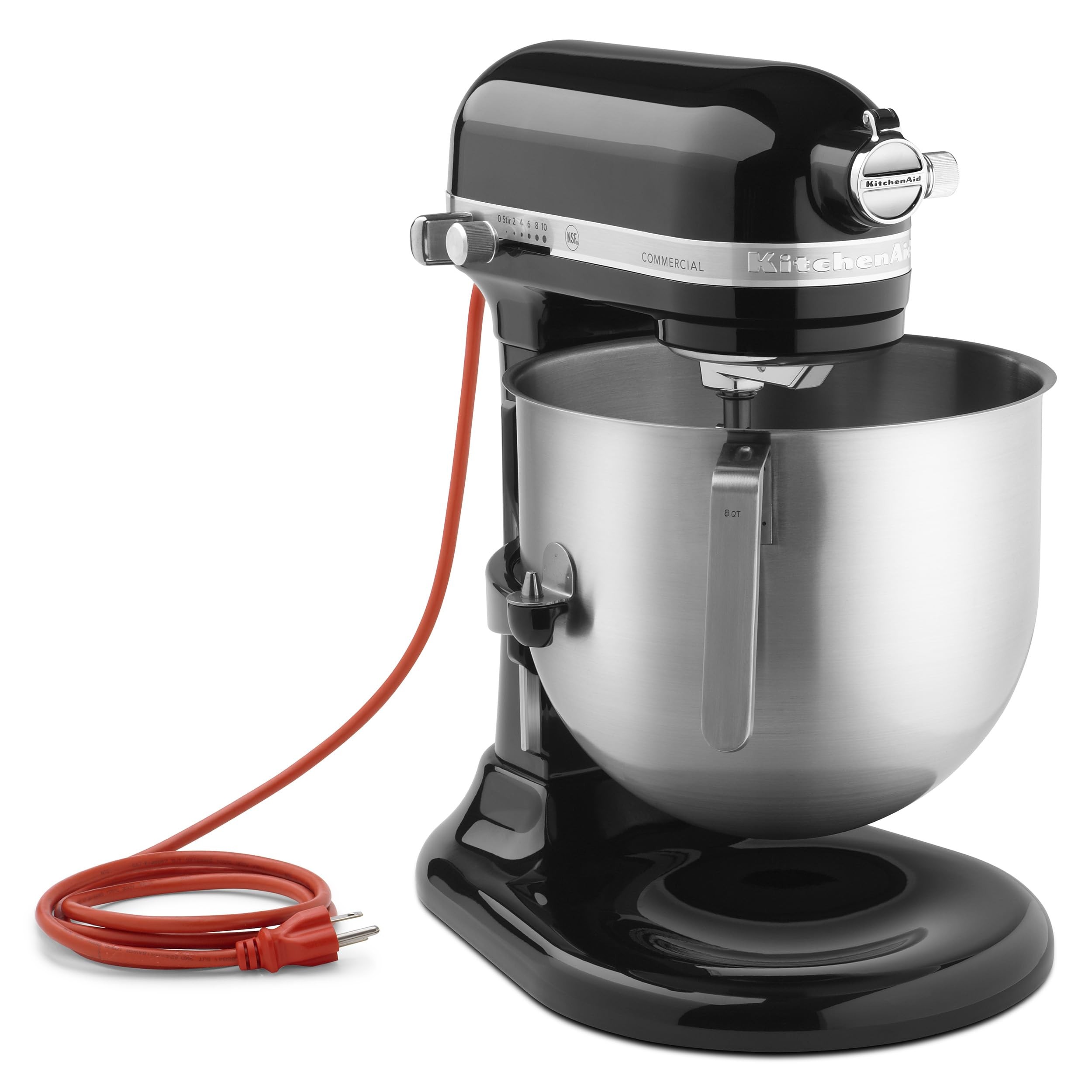
KitchenAid Commercial 8-Quart Stand Mixer (KSM8990)
8-quart bowl handles 14 dozen cookies or 8 loaves of bread at once
Buy on Amazon
KitchenAid Professional 600 6-Quart Stand Mixer
6-quart bowl handles double batches and heavy bread doughs with ease
Buy on Amazon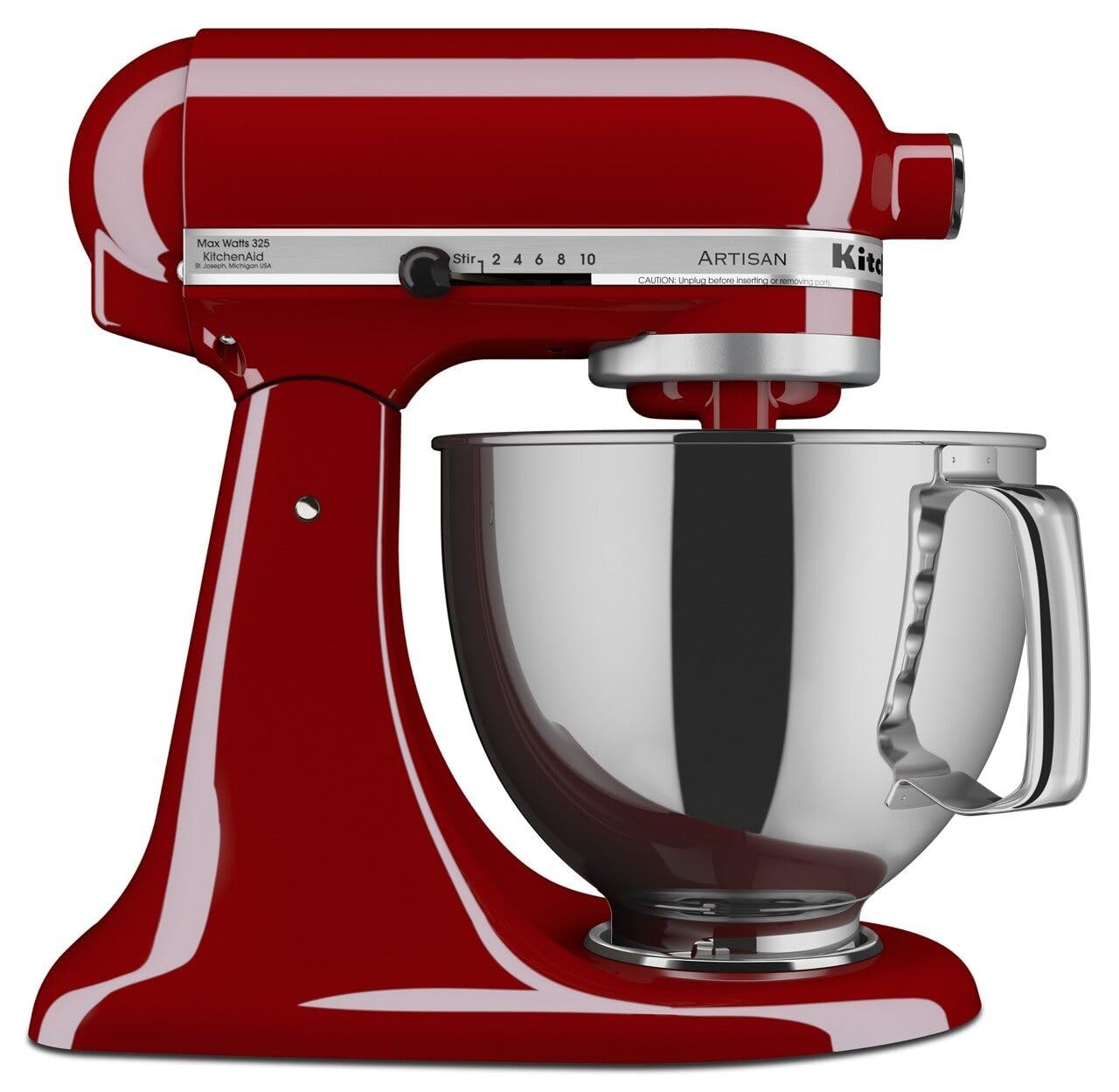
KitchenAid Artisan 5-Quart Stand Mixer (KSM150PS)
10 speeds handle everything from meringue to bread dough
Buy on Amazon| Product | Price Range | Top Strength | Key Weakness | Buy |
|---|---|---|---|---|
| KitchenAid Commercial 8-Quart Stand Mixer (KSM8990) best overall | $$$ | 8-quart bowl handles 14 dozen cookies or 8 loaves of bread at once | Extremely expensive , commercial pricing for a home buyer | Buy on Amazon |
| KitchenAid Professional 600 6-Quart Stand Mixer also consider | $$$ | 6-quart bowl handles double batches and heavy bread doughs with ease | Significantly heavier than the Artisan , harder to store | Buy on Amazon |
| KitchenAid Artisan 5-Quart Stand Mixer (KSM150PS) also consider | $$$ | 10 speeds handle everything from meringue to bread dough | Expensive , over $400 at full retail | Buy on Amazon |
| KitchenAid Pro Line 7-Quart Bowl-Lift Stand Mixer also consider | $$$ | 7-quart capacity handles triple batches and the heaviest bread doughs | Most expensive consumer KitchenAid model , approaching commercial pricing | Buy on Amazon |
| Bosch Universal Plus 800W Stand Mixer also consider | $$ | 800W motor , more powerful than KitchenAid Artisan for sustained dough kneading | Attachment ecosystem much smaller than KitchenAid | Buy on Amazon |
The search that lands you on “KitchenAid 8 qt commercial stand mixer” usually means one of two things: you’re a serious volume baker who has outgrown every bowl you own, or you’re a capable home cook who wants to buy once and stop thinking about it. Both are legitimate reasons. The answer is not the same for both people, and this guide will say so plainly. Our full Stand Mixers coverage covers the broader category if you’re still orienting, but this article focuses on the 8-quart commercial unit and the machines you should honestly consider alongside it before spending at commercial-grade pricing.
What to Look For in a High-Capacity Stand Mixer
Bowl Size and What It Actually Means
Bowl size determines batch size, and batch size determines whether a mixer earns its counter space. A 5-quart bowl handles a standard double batch of cookies or a single loaf of bread dough without complaint. A 6-quart bowl handles two loaves and a full double batch of something like a stiff brioche. An 8-quart bowl handles eight loaves simultaneously or fourteen dozen cookies in one pass.
If you read that last sentence and felt a pull of desire rather than a moment of pause, you probably need the commercial unit. If you read it and thought “I’d never need that much,” keep reading, because there are better options at lower price points.
Motor Strength and Duty Cycle
This is where consumer mixers and commercial mixers part ways most significantly. The KitchenAid stand mixer motor in the Artisan line is designed for home use at reasonable intervals. The 1.3HP motor in KitchenAid’s commercial and Pro Line units is designed for continuous use under heavy load. If you’re running stiff bread dough for twenty-minute knead cycles back to back, that distinction matters. A consumer motor will overheat. A commercial motor will not.
Bowl-Lift vs. Tilt-Head
Tilt-head design works well for most home baking. Bowl-lift is more stable under heavy load and better suited for large batches of stiff dough. Every machine in the 6-quart-and-above range uses bowl-lift, which is the right call. For batches large enough to fill those bowls, you want the bowl locked into position.
Attachment Ecosystem
KitchenAid’s power hub attachment system is one of the strongest arguments for staying in the KitchenAid family. Pasta makers, meat grinders, ice cream makers, spiralizers, food grinders , all connect to the same port. The Bosch Universal Plus does not offer a comparable ecosystem, which matters if attachments are part of your plan.
The Mixers Worth Considering
KitchenAid Commercial 8-Quart Stand Mixer (KSM8990)
The KitchenAid Commercial 8-Quart Stand Mixer (KSM8990) is a commercial unit sold into a consumer market, which is exactly what it sounds like. The 1.3HP motor is built for sustained heavy use. The 8-quart bowl with its 3-piece bowl guard handles volume that no other home-positioned mixer touches. The bowl-lift mechanism is solid and the machine does not move on the counter under load, which cannot be said of every competitor.
The honest question is whether you need this. Cottage bakers, small-scale caterers working from home, households producing large weekly bread batches for sale or distribution , yes. A family that bakes heavily on weekends , probably not. Check current price on Amazon, and know that you’re paying commercial pricing. The machine is priced accordingly, and it is one of the most expensive options in this guide by a meaningful margin.
It is also large and heavy. This is not a machine you move. You place it, you leave it there, and you plan your counter space around it. (I’ll say plainly: if you’re asking whether you need 8 quarts, you probably don’t.)
For a deeper look at the specifics of this model, the KitchenAid Commercial 8 Quart Stand Mixer and 8 Qt KitchenAid Mixer pages cover the details in full.
KitchenAid Pro Line 7-Quart Bowl-Lift Stand Mixer
The KitchenAid Pro Line 7-Quart Bowl-Lift Stand Mixer sits between the Professional 600 and the commercial KSM8990 in a way that makes more sense for serious home bakers than either endpoint. The 1.3HP motor matches the commercial unit. The 7-quart capacity is enough for triple batches and the heaviest bread doughs without tipping into “I’m running a small business” territory. Bowl-lift mechanism is stable under load.
It is the most expensive consumer KitchenAid model, approaching the commercial unit in price. Very heavy, same caveat as above about counter permanence. But for a baker who regularly pushes 6-quart capacity and doesn’t need a commercial warranty or commercial volume, this is the right ceiling.
KitchenAid Professional 600 6-Quart Stand Mixer
The KitchenAid Professional 600 6-Quart Stand Mixer is where most serious home bakers should stop. The 6-quart bowl handles double batches without straining, the bowl-lift design is stable under stiff dough, and the motor is more powerful than the Artisan. It costs significantly less than the Pro Line 7-quart or the commercial unit.
The argument for upgrading from here to the Pro Line or commercial is volume. If you regularly hit the 6-quart ceiling, upgrade. If you don’t know whether you hit it, you haven’t hit it. The bowl-lift requires two hands to engage, which is a minor ergonomic annoyance rather than a design flaw. Heavier than the Artisan, and not particularly easy to move around, though still lighter than the commercial unit.
If you’re debating accessories for a machine at this tier, the copper bowl for KitchenAid mixer is worth reading before you buy additional bowls.
KitchenAid Artisan 5-Quart Stand Mixer (KSM150PS)
The KitchenAid Artisan 5-Quart Stand Mixer (KSM150PS) is the default recommendation for the majority of home bakers, and the majority of people reading this guide. Planetary mixing action reaches the entire bowl with no unmixed pockets. Ten speeds handle everything from a barely-whipped meringue to stiff bread dough. The attachment hub is the strongest point in its favor over cheaper alternatives.
At full retail it is priced at the higher end of what most people expect to pay for a mixer, but it goes on sale regularly. The 5-quart bowl will limit you if you routinely make large bread batches. If you’re buying primarily for bread and regularly make four or more loaves at once, step up to the Professional 600. If you bake broadly and want access to the full KitchenAid attachment catalog, the Artisan is the right choice.
Bosch Universal Plus 800W Stand Mixer
The Bosch Universal Plus 800W Stand Mixer is the value pick for serious bread bakers who have no interest in the KitchenAid attachment ecosystem. The 800W motor outperforms the KitchenAid Artisan in sustained dough kneading, the 6.5-quart bowl beats the Artisan’s capacity, and it sits at mid-range pricing compared to the KitchenAid Professional 600 at premium pricing. Lighter than the KitchenAid units at comparable capacity, which matters if you move your mixer.
The downsides are real. The bowl attachment mechanism is less intuitive than KitchenAid’s. The attachment ecosystem is small by comparison. If you want to use your stand mixer for pasta and grinding meat in addition to bread, the Bosch is the wrong choice. If you want a capable, heavy-duty bread machine at a lower price than the KitchenAid Professional 600, it’s one of the better-positioned options in the category.
How to Choose
The honest version of this decision comes down to three questions.
First: what is your actual weekly volume? If you bake more than three or four loaves of bread a week, or produce large quantities of baked goods regularly for sale or regular distribution, the commercial KSM8990 or the Pro Line 7-quart are the machines to consider. If you bake heavily on weekends for family use, the Professional 600 or even the Artisan covers it.
Second: do you care about the attachment ecosystem? If yes, stay with KitchenAid at any tier. The power hub is a legitimate differentiator and the attachments are worth having if you’ll use them. If you are exclusively a bread baker with no interest in pasta or meat grinding, the Bosch Universal Plus gives you more motor and more bowl for less money than the KitchenAid Professional 600.
Third: will this machine live permanently on your counter, or do you need to move it? Commercial and Pro Line units are not practical to move regularly. The Artisan and the Bosch are more manageable. If your storage situation requires the mixer to come off the counter after each use, the commercial unit is probably the wrong choice regardless of your volume needs.
Our full mixer reviews and comparisons covers additional options outside this KitchenAid-focused range if you’re still in the research phase.
Frequently Asked Questions
Is the KitchenAid 8-quart commercial mixer worth it for a home baker?
For most home bakers, no. The KSM8990 is priced at commercial rates and sized for commercial volume. Unless you are producing large batches of baked goods weekly for sale, a cottage bakery, or catering from home, the KitchenAid Professional 600 or Pro Line 7-quart will handle your needs at lower cost and in a more practical footprint.
What is the difference between the KitchenAid Artisan and the Professional 600?
The Professional 600 has a larger 6-quart bowl, a more powerful motor, and a bowl-lift design rather than tilt-head. The Artisan has a 5-quart bowl, a tilt-head design, and is lighter and easier to move. For most home bakers, the Artisan is sufficient. The Professional 600 makes sense if you regularly make double batches of bread dough or other stiff, high-volume mixtures.
Can the KitchenAid Artisan handle bread dough?
Yes, within limits. The Artisan handles standard bread doughs without issue. Where it shows strain is in very large batches or extremely stiff doughs like a fully loaded bagel dough run at volume. For a single or double batch of standard bread at home, the Artisan is adequate. For high-volume or very stiff dough work done regularly, the Professional 600 or higher is the better choice.
Is the Bosch Universal Plus a serious alternative to KitchenAid?
For bread baking specifically, yes. The 800W motor and 6.5-quart bowl make it a capable and well-priced alternative to the KitchenAid Professional 600 for bread-focused bakers. Where it falls short is attachment compatibility. KitchenAid’s power hub ecosystem is significantly broader, and if you plan to use a stand mixer for pasta making, meat grinding, or other attachment-dependent tasks, the Bosch does not compete.
How much counter space does the KitchenAid 8-quart commercial mixer require?
The KSM8990 is a large machine. Plan for roughly 14 inches of width, 18 inches of depth, and 17 inches of height. It is not a machine you move regularly. If your kitchen cannot accommodate that footprint as a permanent fixture, the Pro Line 7-quart or Professional 600 are meaningfully more manageable, though neither is small. Check current dimensions on Amazon before purchasing if counter space is a constraint.
Frequently Asked Questions
What bowl size do I actually need in a KitchenAid stand mixer?
For most home bakers making one or two loaves or a double batch of cookies at a time, 5 to 6 quarts is sufficient. The 8-quart commercial size is designed for operations producing 8 loaves or 14 dozen cookies in a single pass. Buying more bowl than your recipes require means paying for capacity and counter space you will not use.
Is the KitchenAid 8 qt commercial stand mixer worth the price?
It is worth the price if your volume justifies it. For a cottage baker, small catering operation, or serious home cook doing weekly large-batch baking, the 1.3HP motor and 8-quart bowl are genuinely useful. For occasional baking, you are paying commercial pricing for capacity you will never need.
Can the KitchenAid 8 qt commercial stand mixer handle stiff bread dough?
Yes. The 1.3HP motor is rated for continuous heavy-duty use and handles stiff bagel doughs, whole-grain loaves, and enriched doughs without straining. This is one of the real advantages over the consumer-tier Professional 600, which can labor under sustained load with very stiff mixtures.
Does the KitchenAid 8 qt commercial stand mixer have a tilt-head or bowl-lift design?
It uses a bowl-lift design, meaning the bowl raises and locks into the mixer rather than the head tilting back. Bowl-lift models are more stable under heavy loads, which is the right call for commercial-grade capacity. The trade-off is that attachment changes and bowl access feel slightly less intuitive than on tilt-head models.
What alternatives should I consider before buying the KitchenAid 8 qt commercial stand mixer?
The KitchenAid Pro Line 7-Quart is the closest consumer-tier alternative, running the same 1.3HP motor with a slightly smaller bowl at a lower price. The Bosch Universal Plus and Ankarsrum Original are also worth evaluating if bread baking is your primary use case, as both handle large, high-hydration doughs efficiently.
Where to Buy
KitchenAid Commercial 8-Quart Stand Mixer (KSM8990)See KitchenAid Commercial 8-Quart Stand M… on Amazon