KitchenAid vs Ankarsrum: Which Mixer for Bread Baking

Affiliate disclosure: Some links on this page are affiliate links. If you buy through them we earn a small commission at no extra cost to you. Recommendations are research-driven; we don't claim personal use of every product reviewed. Product prices and availability are accurate as of the date published and are subject to change. Always check Amazon for current pricing before purchasing. Learn more.

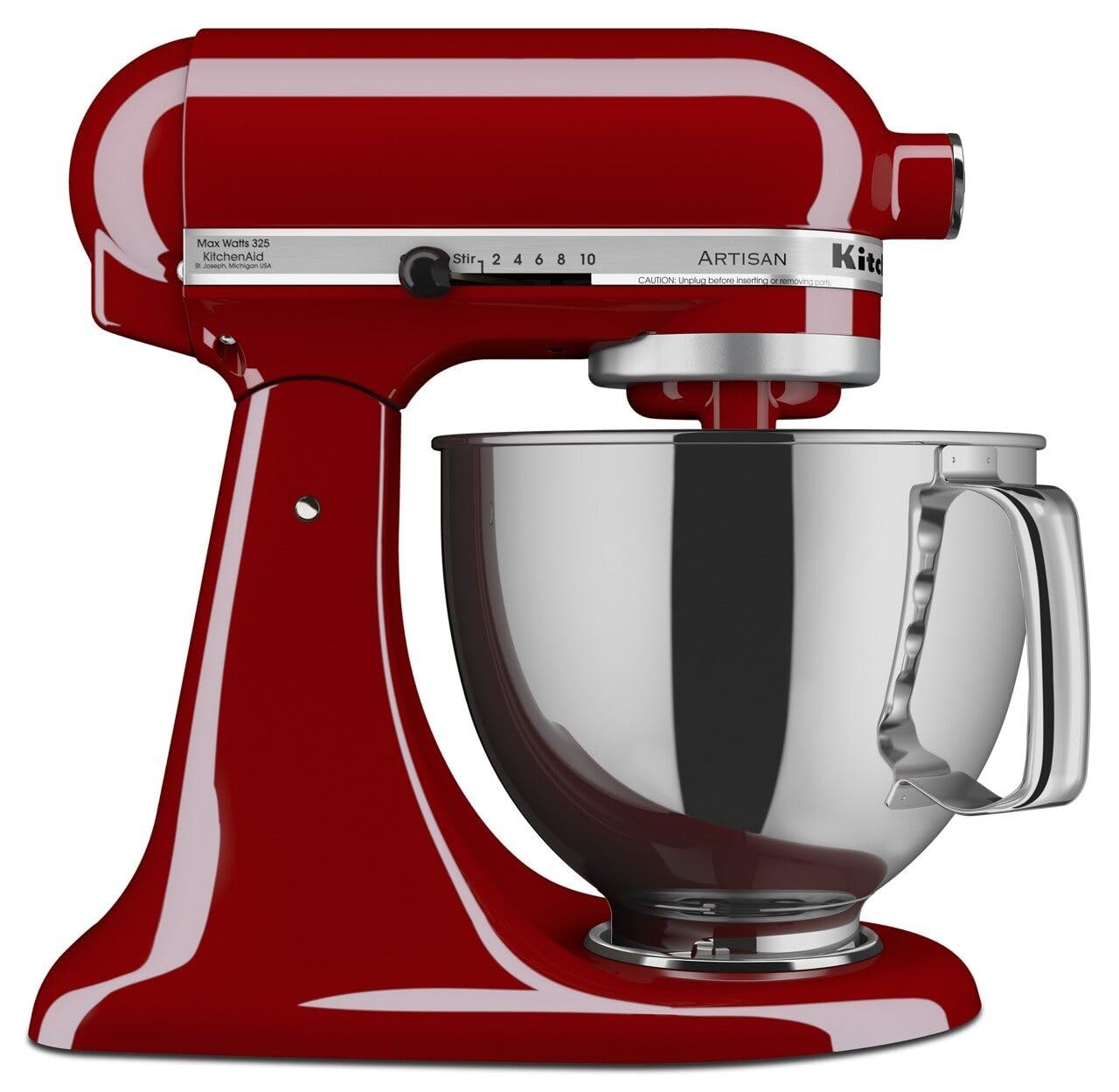 KitchenAid KitchenAid Artisan 5-Quart Stand Mixer (KSM150PS) Buy on Amazon
  Ankarsrum Ankarsrum Original Stand Mixer Buy on Amazon
 If you’ve spent any time in the Stand Mixers category researching a serious purchase, you’ve probably already dismissed the cheap options and landed on two names: KitchenAid and Ankarsrum. Both are premium. Both have devoted followings. And if your main use case is bread, the choice between them is actually less obvious than the price tags might suggest.
This article is specifically for bread bakers who want a direct answer. I’ve used both machines, and I’ll tell you where each one earns its keep and where it doesn’t.
The Two Mixers
The KitchenAid Artisan 5-Quart Stand Mixer (KSM150PS) is the default recommendation for most home bakers, and with good reason. It’s widely available, its attachment ecosystem is genuinely deep, and its planetary mixing action handles a broad range of tasks without requiring any learning curve. If you’ve used a stand mixer before, you already know how to use this one.
The Ankarsrum Original Stand Mixer is a different animal entirely. Made in Sweden, 600 watts, a 7-quart bowl, a 7-year warranty (longest in the category), and a mixing system that looks nothing like a KitchenAid. Instead of a hook or paddle descending into a stationary bowl, the Ankarsrum rotates the bowl itself while a roller and scraper work the dough from the outside in. It has a passionate following among serious bread bakers, and it earns that loyalty. But it takes time to understand.
Both sit in the premium price band. Check current pricing on Amazon before assuming they’re comparable to each other in cost. The Ankarsrum typically runs higher.
Bread Performance
This is where the comparison gets interesting, and where I’d argue most reviews get it wrong.
The KitchenAid on Bread
The KitchenAid handles everyday bread doughs competently. A standard sandwich loaf, pizza dough, enriched brioche, a single batch of dinner rolls: all fine. The planetary action means the dough hook covers the entire bowl, so you’re not fishing unmixed flour out of the bottom corners.
The limitation is volume. The 5-quart bowl maxes out around 4 pounds of dough before the motor starts working harder than it should. If you bake two loaves at a time occasionally, you’ll be fine. If you’re regularly mixing 6-pound batches of whole wheat or rye, the KSM150PS is not the right machine. (I’d point you toward something like the KitchenAid 8-Quart Commercial Stand Mixer if high-volume bread baking is your actual use case, not this model.)
The other honest limitation: the dough hook doesn’t develop gluten as efficiently as the Ankarsrum’s roller system. It gets the job done, but if you’ve ever watched a high-hydration sourdough come together in an Ankarsrum versus a KitchenAid, the difference in dough structure is visible.
The Ankarsrum on Bread
The Ankarsrum was designed with bread in mind. The roller and scraper system applies consistent tension to the dough in a way that mimics hand-kneading more closely than any hook attachment does. High-hydration doughs, stiff whole-grain doughs, large batches: this is exactly what the machine was built for.
The 7-quart bowl means you can mix 8 to 10 pounds of dough without pushing the motor. The 600-watt motor doesn’t strain under that load. I’ve run it on a 3-kilogram batch of whole wheat, and the machine sounded the same at the start as it did 15 minutes later.
The catch is the learning curve. The roller position, the arm tension, the speed settings: getting them wrong produces uneven results. New users frequently report their first loaves coming out under-kneaded. The machine works, but you have to learn it. Plan on 3 or 4 baking sessions before it feels intuitive.
Baking Beyond Bread
If bread is your primary reason for buying, the Ankarsrum wins on pure bread performance. But most people don’t buy a stand mixer to do one thing.
KitchenAid’s Attachment Advantage
The KitchenAid’s hub attachment port is the strongest argument for the machine. A pasta roller, meat grinder, food grinder, spiralizer, ice cream maker attachment: the list is long, and most attachments fit every KitchenAid tilt-head model. If you buy attachments over time, the mixer becomes a platform rather than a single appliance.
For non-bread baking, the KitchenAid is also more versatile in immediate use. Meringue, whipped cream, cake batter, cookie dough: the wire whip and flat beater handle these tasks with no adjustment required. The whisk attachment for KitchenAid in particular is one of the better bowl-geometry combinations in the tilt-head category, reaching the bowl edges cleanly at whipping speeds.
Ankarsrum’s Baking Capabilities
The Ankarsrum ships with a dough roller, dough scraper, and a separate stainless steel bowl with a traditional whisk and beater. That second bowl is important: you’re essentially getting two mixing systems. The larger bowl for bread, the smaller bowl with whisk for cakes and meringue.
It handles non-bread tasks adequately. The whisk performs well on egg whites and cream. But the interface for switching between tasks is less streamlined than the KitchenAid, and the attachments are less universally available. If you find yourself wanting accessories down the road, the options are narrower and the sourcing is less straightforward, particularly outside major metro areas.
Ease of Use
The KitchenAid’s tilt-head mechanism, speed selector, and bowl-lift design require almost no explanation. If you’ve owned one, you know it. If you haven’t, 10 minutes in the kitchen and you’re comfortable. Swapping bowls, adding attachments, scraping down the sides: all of it is quick.
The Ankarsrum requires a different kind of engagement. The arm swings out to load dough. The roller adjusts via a knob on the arm. The speed dial responds differently depending on what you’re mixing. None of this is complicated once you know it, but “once you know it” is doing real work in that sentence. The manual is worth reading, which is not something I typically say about kitchen appliances. (I do mean that as a compliment, not a complaint. The machine rewards attention.)
For someone who cooks often but doesn’t want to think hard about equipment, the KitchenAid is easier to live with daily. For someone who finds the process of learning equipment interesting, or who bakes bread frequently enough to justify the investment of attention, the Ankarsrum stops being inconvenient very quickly.
Bowl access is also worth noting. The KitchenAid’s 5-quart bowl is at a comfortable working height for most tasks, but adding ingredients mid-mix requires tilting the head up, which can be awkward with a full bowl. The Ankarsrum’s open bowl design, with the roller arm sitting at the bowl’s edge, makes it easy to add flour or water incrementally, which matters a lot in bread baking.
Verdict
For most home bakers, the KitchenAid Artisan 5-Quart Stand Mixer (KSM150PS) is the correct choice. It handles bread competently, it handles everything else well, and its attachment ecosystem adds real long-term value. The 5-quart capacity is a real constraint if you bake in high volume, but for the majority of home kitchens, it’s sufficient.
For bakers whose primary commitment is bread, specifically high-volume or high-hydration bread, the Ankarsrum Original Stand Mixer is the stronger machine. The gluten development from the roller system is noticeably better. The 7-quart bowl and 600-watt motor remove the capacity ceiling that constrains the KitchenAid. The 7-year warranty suggests a machine built to last. It costs more, the learning curve is real, and the attachment options are narrower. If you can accept all of that, you’ll bake better bread.
The question I’d ask yourself is this: how often are you actually baking bread, and is bread the whole point? If it’s one of several things you do in the kitchen, buy the KitchenAid. If it’s the main event, the Ankarsrum is worth the premium and the adjustment period.
For a broader look at what’s available before committing to either, the full mixer reviews section covers the category in more depth.
Check current price on Amazon for the KitchenAid Artisan KSM150PS and the Ankarsrum Original before buying, since pricing on both shifts regularly.
Frequently Asked Questions
Is the Ankarsrum actually better than KitchenAid for bread?
For bread specifically, yes. The roller and scraper system develops gluten more effectively than a dough hook, handles larger batches, and manages high-hydration doughs with less strain on the motor. For general baking beyond bread, the answer is less clear, and the KitchenAid’s broader attachment options make it more versatile overall.
Can the KitchenAid Artisan handle large batches of bread dough?
Not comfortably. The 5-quart bowl handles around 3 to 4 pounds of dough reliably. Beyond that, the machine works harder than it should and results get inconsistent. If large batches are your regular practice, look at larger-capacity options rather than pushing the Artisan.
What is the Ankarsrum learning curve actually like?
Expect 3 to 4 baking sessions before the roller position, arm tension, and speed settings feel intuitive. The machine’s manual is genuinely worth reading before your first use. Under-kneaded dough on the first attempt is common and doesn’t mean anything is wrong with the machine.
Do KitchenAid attachments work across models?
Most hub attachments are compatible across KitchenAid tilt-head stand mixers, which includes the Artisan line. The pasta roller, meat grinder, and other accessories you buy for the KSM150PS will fit other tilt-head models if you ever upgrade. This cross-compatibility is one of the stronger arguments for staying in the KitchenAid ecosystem long-term.
Which mixer has the better warranty?
The Ankarsrum’s 7-year warranty is the longest in the home stand mixer category. The KitchenAid Artisan carries a 1-year limited warranty. If long-term build quality and warranty coverage are factors in your decision, the Ankarsrum has the stronger position on paper. Whether it needs the warranty in practice is a different question, but the coverage gap is significant.
Frequently Asked Questions
Which is better for bread baking — KitchenAid or Ankarsrum?
For serious bread baking, especially high-hydration doughs and large batches, the Ankarsrum has a genuine advantage. Its roller-and-scraper system develops gluten more efficiently than a hook attachment and handles 8 to 10 pounds of dough without straining the motor. The KitchenAid Artisan handles everyday bread baking competently but shows limitations above 4 pounds of dough per batch.
Is the Ankarsrum harder to use than a KitchenAid?
Yes. The Ankarsrum has a meaningful learning curve because its mixing system works differently from anything most home cooks have used. Roller position, arm tension, and speed settings all affect the result. Most new users report needing 3 or 4 baking sessions before results feel consistent. The KitchenAid requires almost no learning curve if you have any stand mixer experience.
Is the Ankarsrum worth the higher price compared to KitchenAid?
For bread-focused bakers who regularly mix large batches, the Ankarsrum is worth it. Its 7-year warranty, 7-quart capacity, and dough-handling performance justify the premium. For bakers who make a variety of recipes — cakes, cookies, meringues, and occasional bread — the KitchenAid's larger attachment ecosystem and familiar operation make it the more versatile choice.
Can the Ankarsrum handle tasks other than bread, like cake batter or whipped cream?
Yes, the Ankarsrum includes attachments for cake batter, whipping cream, and other standard mixing tasks. However, its design is optimized for dough, and many users find the KitchenAid more intuitive for non-bread preparations. If your cooking is split evenly between bread and other baking, the KitchenAid's versatility is a real advantage.
What KitchenAid model is the best comparison point for the Ankarsrum?
The KitchenAid Artisan 5-quart is the most common comparison, and it is the model this guide uses. If bread baking volume is the deciding factor, the KitchenAid Pro Line 7-quart or the commercial 8-quart are closer comparisons given their larger capacities — though neither matches the Ankarsrum's dough development system.
Where to Buy
KitchenAid Artisan 5-Quart Stand Mixer (KSM150PS)See KitchenAid Artisan 5-Quart Stand Mixe… on Amazon