Stand Mixer Pasta Attachments: Buyer's Guide

Affiliate disclosure: Some links on this page are affiliate links. If you buy through them we earn a small commission at no extra cost to you. Recommendations are research-driven; we don't claim personal use of every product reviewed. Product prices and availability are accurate as of the date published and are subject to change. Always check Amazon for current pricing before purchasing. Learn more.

Quick Picks
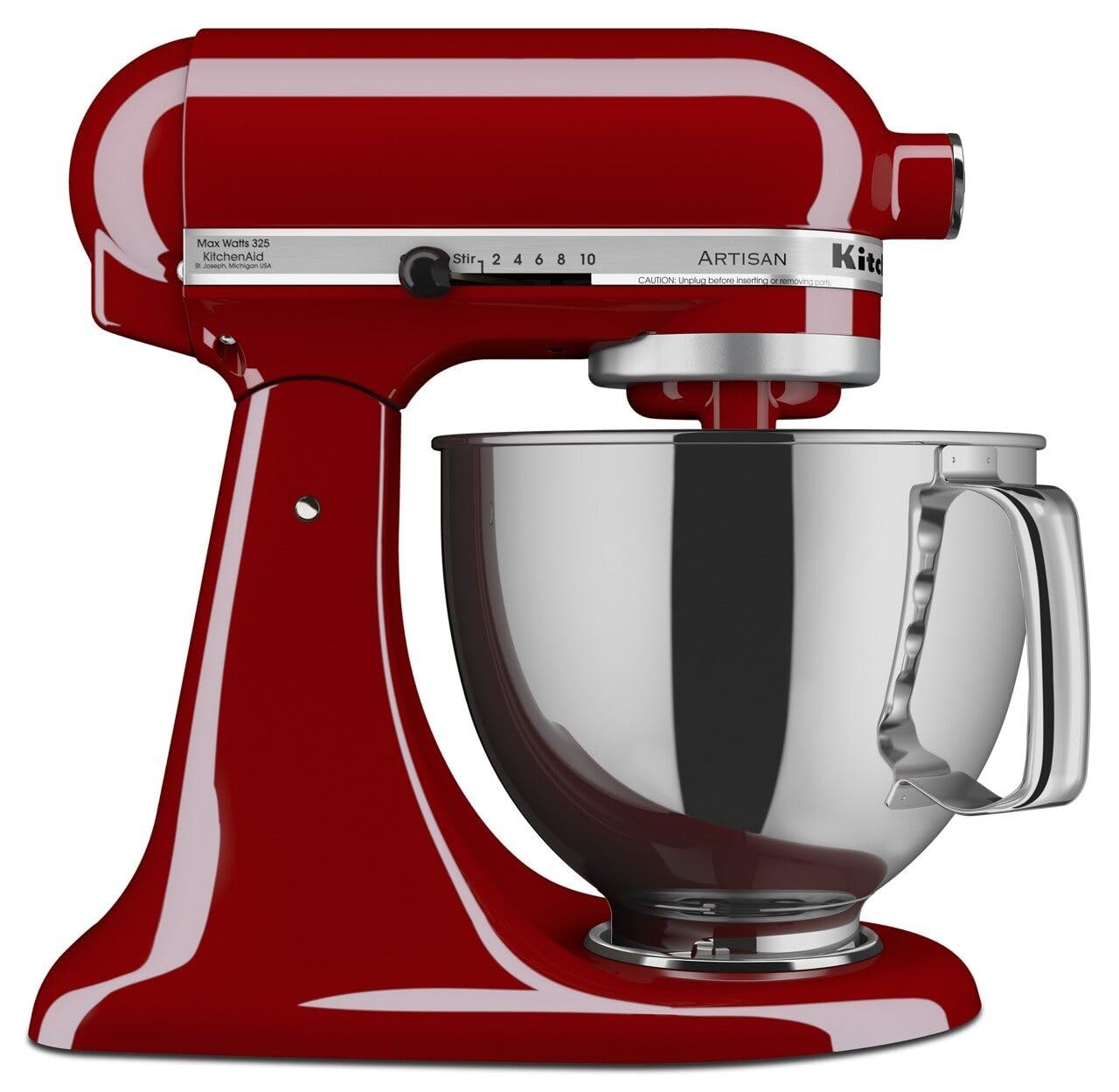
KitchenAid Artisan 5-Quart Stand Mixer (KSM150PS)
10 speeds handle everything from meringue to bread dough
Buy on Amazon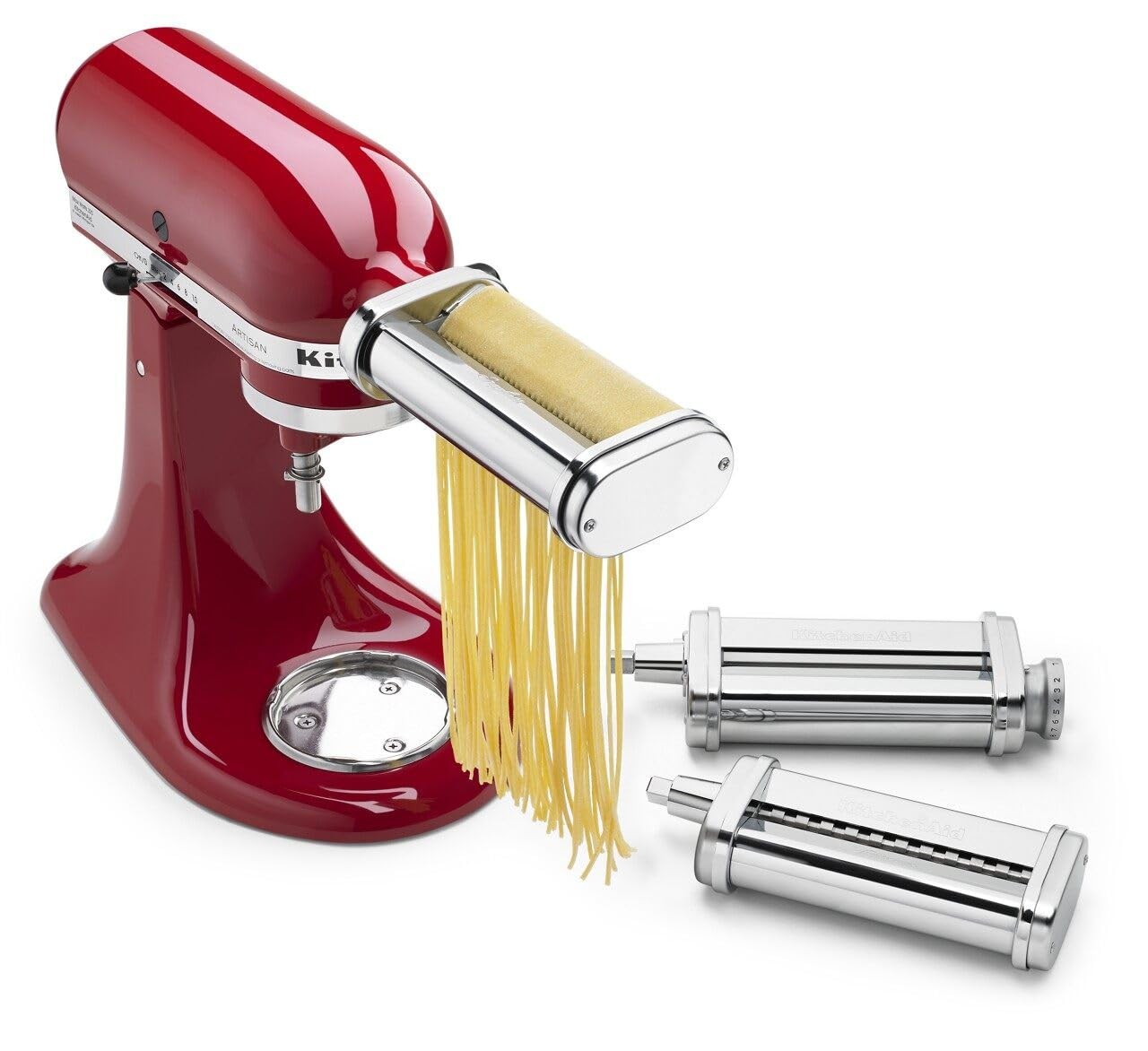
KitchenAid Pasta Roller and Cutter Attachment Set
Rolls pasta to eight thicknesses , the full range from lasagna sheets to angel hair
Buy on Amazon
KitchenAid Professional 600 6-Quart Stand Mixer
6-quart bowl handles double batches and heavy bread doughs with ease
Buy on Amazon| Product | Price Range | Top Strength | Key Weakness | Buy |
|---|---|---|---|---|
| KitchenAid Artisan 5-Quart Stand Mixer (KSM150PS) best overall | $$$ | 10 speeds handle everything from meringue to bread dough | Expensive , over $400 at full retail | Buy on Amazon |
| KitchenAid Pasta Roller and Cutter Attachment Set also consider | $$ | Rolls pasta to eight thicknesses , the full range from lasagna sheets to angel hair | Significant upfront cost on top of the mixer investment | Buy on Amazon |
| KitchenAid Professional 600 6-Quart Stand Mixer also consider | $$$ | 6-quart bowl handles double batches and heavy bread doughs with ease | Significantly heavier than the Artisan , harder to store | Buy on Amazon |
| Bosch Universal Plus 800W Stand Mixer also consider | $$ | 800W motor , more powerful than KitchenAid Artisan for sustained dough kneading | Attachment ecosystem much smaller than KitchenAid | Buy on Amazon |
If you own a KitchenAid stand mixer and haven’t yet bought a pasta attachment, you’re leaving the most useful part of that machine sitting idle. And if you’re shopping for a stand mixer specifically because you want to make fresh pasta, the attachment compatibility question matters more than the mixer’s color options. This guide covers the stand mixer and pasta attachment combinations worth your money, the one combination I’d actually recommend to most people, and a few situations where I’d steer you elsewhere.
For more context on stand mixer options across all uses, the Stand Mixers buying guide covers the broader category.
What to Look For
Attachment Hub Compatibility
Not every stand mixer accepts pasta rolling attachments. The KitchenAid attachment hub is a proprietary port, and the pasta roller and cutter set is built specifically for it. If you’re buying a stand mixer because pasta matters to you, this is the first thing to confirm before anything else. The Bosch Universal Plus, for all its motor strength, has a much smaller attachment ecosystem and no pasta roller equivalent that works with it.
Motor Power and Sustained Load
Rolling pasta dough through a die is not the same load as whipping cream. If you’re planning to run eight sheets of lasagna through a pasta roller in one session, the mixer motor is handling sustained resistance for an extended period. The KitchenAid Artisan’s motor is adequate for the task, but “adequate” is the right word. The KitchenAid Professional 600 6-Quart handles that sustained load with less strain, and the Bosch’s 800W motor outpaces the Artisan for heavy dough work specifically, though it can’t accept the pasta roller attachment regardless.
Roller Thickness Range
The KitchenAid Pasta Roller and Cutter Attachment Set rolls to eight thicknesses, which covers everything from thick pappardelle sheets down to angel hair. Most manual pasta machines offer similar range, but the powered operation changes the workflow significantly. You’re not cranking with one hand and feeding dough with the other. You adjust the dial, feed the sheet, and the machine does the rest.
What You’re Giving Up vs. a Manual Machine
Machine-rolled pasta is more uniform than hand-rolled. For some dishes, that’s exactly what you want. For others, specifically the slightly rough, irregular texture that holds sauce differently, a wooden dowel or a hand-cranked Atlas 150 does something the KitchenAid attachment cannot replicate. I’m not saying the attachment is inferior, just that it produces a different result. If you’ve made pasta by hand for years and love the texture, expect the output to taste cleaner and look more consistent than what you’re used to. (Whether that’s better depends on what you’re making.)
Top Picks
Best for Most People: KitchenAid Artisan + Pasta Attachment
The KitchenAid Artisan 5-Quart Stand Mixer (KSM150PS) combined with the pasta roller and cutter set is the right answer for the majority of home cooks asking this question. The planetary mixing action handles pasta dough well, reaching the entire bowl without unmixed pockets at the edges. The ten-speed range gives you control over initial mixing before you switch to the pasta roller.
The attachment hub is the real reason to buy into the KitchenAid system at all. The pasta roller and cutter set installs in seconds, runs off the mixer motor, and includes fettuccine and spaghetti cutters alongside the roller. For most households making pasta once or twice a week, the 5-quart bowl is not a limiting factor. A standard batch of egg pasta dough for four people sits comfortably in it.
The honest complaint about this combination is the price. The Artisan is already at the premium end of the market, and adding the pasta attachment set is a significant additional investment on top of that. Check current pricing on Amazon for both pieces before budgeting. Together, they represent real money, and you should go in knowing that.
The other complaint is one I take seriously: machine-rolled pasta is visibly more uniform than hand-rolled. If you’re making delicate filled pasta where slight thickness variation actually matters to the eating experience, you’ll notice the difference. For cut pasta, spaghetti, fettuccine, and lasagna sheets, the KitchenAid output is excellent.
The Upgrade Case: KitchenAid Professional 600 6-Quart
The KitchenAid Professional 600 accepts the same pasta attachment set and delivers more motor for the money if you’re regularly making large batches. The 6-quart bowl handles doubled pasta recipes without complaint, and the bowl-lift design is more stable than the tilt-head Artisan when running stiff doughs.
Who actually needs this over the Artisan? If you’re regularly cooking pasta for eight or more people, making bread dough in the same session as pasta, or running the mixer for extended periods, the Professional 600 is a sensible upgrade. If you’re making pasta for two to four people on weekends, the Artisan handles it without strain, and the Professional 600’s extra weight and price premium don’t return anything proportional.
The bowl-lift mechanism requires two hands to engage, which is a minor but genuine ergonomic difference from the tilt-head. It’s not a dealbreaker. It’s just a different physical motion, and if you’re storing the mixer on the counter and using it frequently, you’ll adjust quickly.
For cooks who are thinking even further up the scale, the KitchenAid 8 Quart Commercial Stand Mixer exists, though that’s a different class of machine for different use cases than home pasta production.
The Value Case for Bread Bakers: Bosch Universal Plus
The Bosch Universal Plus 800W Stand Mixer is the pick I’d recommend specifically if your primary use is bread dough and pasta attachments are not part of your plan.
The 800W motor outpaces the KitchenAid Artisan for sustained kneading, the 6.5-quart bowl gives you substantial capacity, and it sits at mid-range pricing compared to either KitchenAid premium model. For serious bread bakers who find the KitchenAid Artisan straining under weekly loaf production, the Bosch is a legitimate alternative.
The tradeoff is real, though. The attachment ecosystem is significantly smaller. No pasta roller. No meat grinder hub. If pasta attachment compatibility is on your list at all, the Bosch is not your machine. Buy it for what it is: a powerful, well-priced dough mixer with a large bowl and a lighter footprint than comparable KitchenAid units.
The bowl attachment mechanism is less intuitive than either KitchenAid model, though I’d describe it as a learning curve of about two uses rather than an ongoing frustration.
How to Choose
Start With the Attachment Question
If you want a pasta roller, you need a KitchenAid. That’s not brand loyalty, it’s an ecosystem reality. The pasta roller and cutter set is built for the KitchenAid hub, and there’s no comparable powered attachment for the Bosch.
Match Bowl Size to Your Actual Batch Sizes
Five quarts handles a standard four-serving pasta batch without issue. If you regularly cook for six or more, or want to make pasta and bread in the same session without washing the bowl between uses, the 6-quart Professional 600 makes practical sense. Buying the larger mixer “for flexibility” when you’re consistently making small batches is spending money on capacity you won’t use. (I recognize that’s not everyone’s calculus, particularly if you entertain frequently.)
Consider What Else You’ll Use the Mixer For
The KitchenAid attachment hub connects to a pasta roller, a meat grinder, a food grinder, an ice cream maker, and a range of other accessories. If you’re already interested in more than one of those, the attachment investment spreads across multiple uses and the cost per function comes down considerably.
If you’re specifically interested in other KitchenAid accessories, the whisk attachment for KitchenAid guide covers that accessory in detail, and it’s worth considering alongside the pasta roller if you’re building out your attachment collection.
Manual vs. Powered Roller: The Honest Comparison
A manual Marcato Atlas 150 costs a fraction of the KitchenAid pasta attachment set and produces excellent pasta. If all you want is fresh pasta a few times a month and you don’t own a KitchenAid already, buying the manual machine is the sensible choice. The KitchenAid attachment is the right buy when you already own the mixer, use it regularly, and want to add pasta rolling to the workflow without adding a second piece of equipment to your counter or cabinet.
The powered operation is genuinely more convenient for high-volume rolling. If you’re making pasta for a dinner party, rolling eight to ten sheets through the KitchenAid attachment is faster and less physically tiring than cranking manually. That efficiency advantage is real.
For a full comparison of mixer options across the category, the mixer buying guide has additional context on how these machines differ across bread, pastry, and general baking use.
Frequently Asked Questions
Does the KitchenAid pasta attachment work with all KitchenAid stand mixers?
The pasta roller and cutter set attaches to the power hub on the front of the mixer head, which is present on all KitchenAid tilt-head and bowl-lift stand mixers. This includes the Artisan (KSM150PS), the Professional 600, and other models in the KitchenAid lineup. If you’re buying a KitchenAid mixer specifically for pasta attachment compatibility, any model with the standard hub port will accept it.
Can you make pasta dough in the KitchenAid stand mixer and then roll it with the attachment?
Yes, and this is part of what makes the combination practical. Mix the dough using the dough hook at low speed until it comes together, rest it, then swap to the pasta roller attachment to roll and cut. The whole process stays in one machine. The dough hook on the Artisan handles standard egg pasta dough without difficulty.
Is the KitchenAid pasta attachment worth the price if I already own a manual pasta machine?
That depends on volume and convenience. A manual machine produces comparable quality and costs significantly less. The KitchenAid attachment earns its price if you’re rolling large batches regularly, value having both hands free during rolling, or want to keep your counter clear of a second piece of equipment. If you already own an Atlas 150 and use it a few times a month without frustration, buying the attachment is hard to justify on pasta quality alone.
What pasta shapes does the KitchenAid pasta attachment set make?
The standard set includes the pasta roller (which rolls sheets to eight thicknesses), a fettuccine cutter, and a spaghetti cutter. Additional cutter attachments for other shapes, including rigatoni and ravioli, are sold separately. For most home cooks, the roller plus the two included cutters covers the majority of use cases, with the roller also handling lasagna sheets and any shape you’d cut by hand.
Does the Bosch Universal Plus accept any pasta-making attachments?
No. The Bosch attachment system does not include a pasta roller or cutter equivalent. The Bosch Universal Plus is a strong choice for bread baking at mid-range pricing, but if pasta attachments are part of your plan, the KitchenAid platform is the one to buy into.
Frequently Asked Questions
Does the KitchenAid pasta roller attachment work with all KitchenAid stand mixers?
The KitchenAid pasta roller and cutter attachment connects via the power hub, which is present on all KitchenAid stand mixer models including the Artisan, Classic, Professional 600, and others. It does not require a specific bowl size, but a more powerful motor like the Professional 600 handles sustained pasta rolling sessions with less strain.
What pasta shapes can the KitchenAid pasta attachment make?
The standard KitchenAid pasta roller and cutter set includes a pasta roller (eight thickness settings), a fettuccine cutter, and a spaghetti cutter. Additional cutters for shapes like lasagna, angel hair, and rigatoni are sold separately. The roller can produce sheets for ravioli, lasagna, or pappardelle depending on thickness.
Is machine-rolled pasta the same texture as hand-rolled pasta?
No. Machine-rolled pasta from the KitchenAid attachment is more uniform and smoother than hand-rolled pasta. This produces a cleaner result that works very well for delicate shapes, but lacks the slightly rough, irregular surface that hand-rolled pasta has, which holds chunky sauces differently. Neither is better overall — they produce different results.
Does the Bosch Universal Plus mixer have a pasta roller attachment?
No. The Bosch Universal Plus has a smaller attachment ecosystem than KitchenAid and does not offer an equivalent pasta roller attachment. If pasta making is a primary reason for buying a stand mixer, the KitchenAid line is the appropriate choice due to its extensive attachment hub compatibility.
How much pasta can the KitchenAid pasta roller handle in one session?
The KitchenAid pasta attachment handles one sheet at a time, fed through progressively thinner settings. A full batch of fresh pasta dough for four people (typically 300–400 grams of flour) can be rolled in 20 to 30 minutes once you're comfortable with the workflow. The mixer motor's sustained load capacity is the more relevant constraint than the attachment itself.
Where to Buy
KitchenAid Artisan 5-Quart Stand Mixer (KSM150PS)See KitchenAid Artisan 5-Quart Stand Mixe… on Amazon