Stainless Steel KitchenAid Bowl: Upgrade Guide

Affiliate disclosure: Some links on this page are affiliate links. If you buy through them we earn a small commission at no extra cost to you. Recommendations are research-driven; we don't claim personal use of every product reviewed. Product prices and availability are accurate as of the date published and are subject to change. Always check Amazon for current pricing before purchasing. Learn more.

Quick Picks
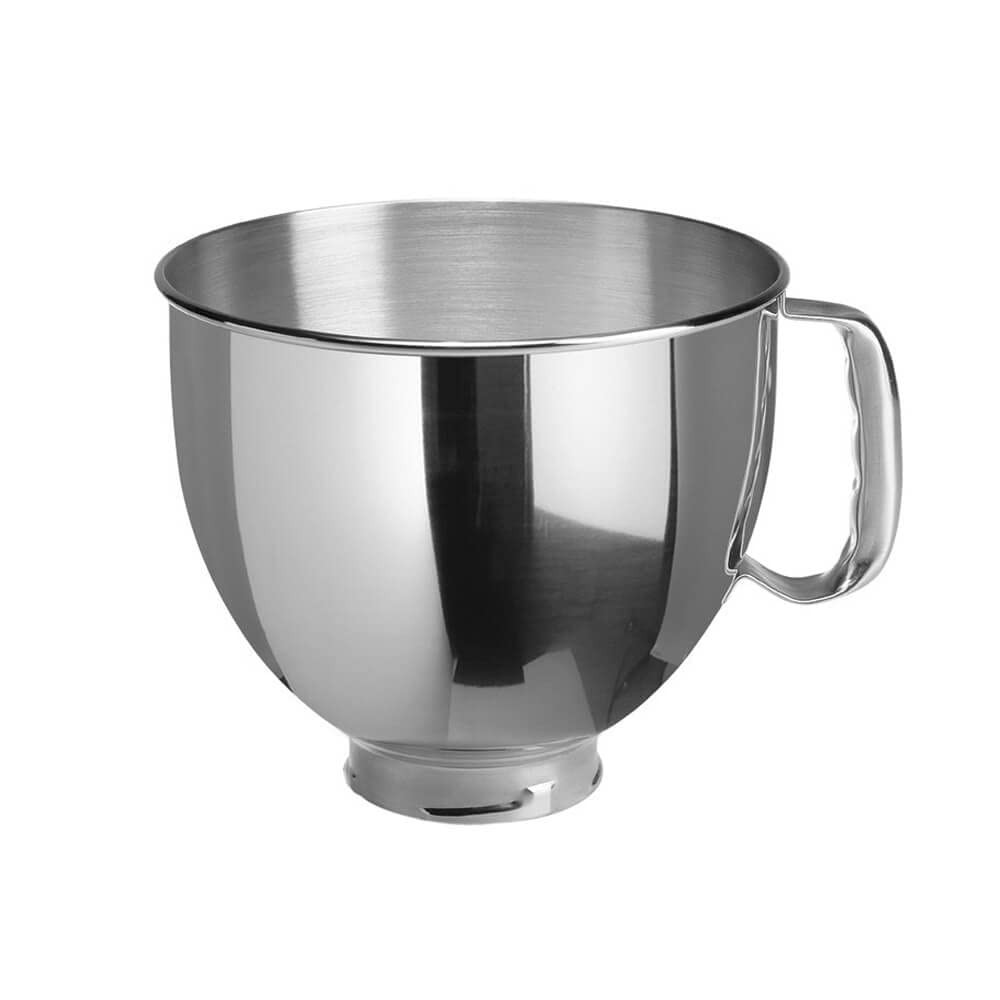
KitchenAid 5-Quart Stainless Steel Mixing Bowl
Replacement or spare bowl , useful for bakers who use the mixer for multiple batches
Buy on Amazon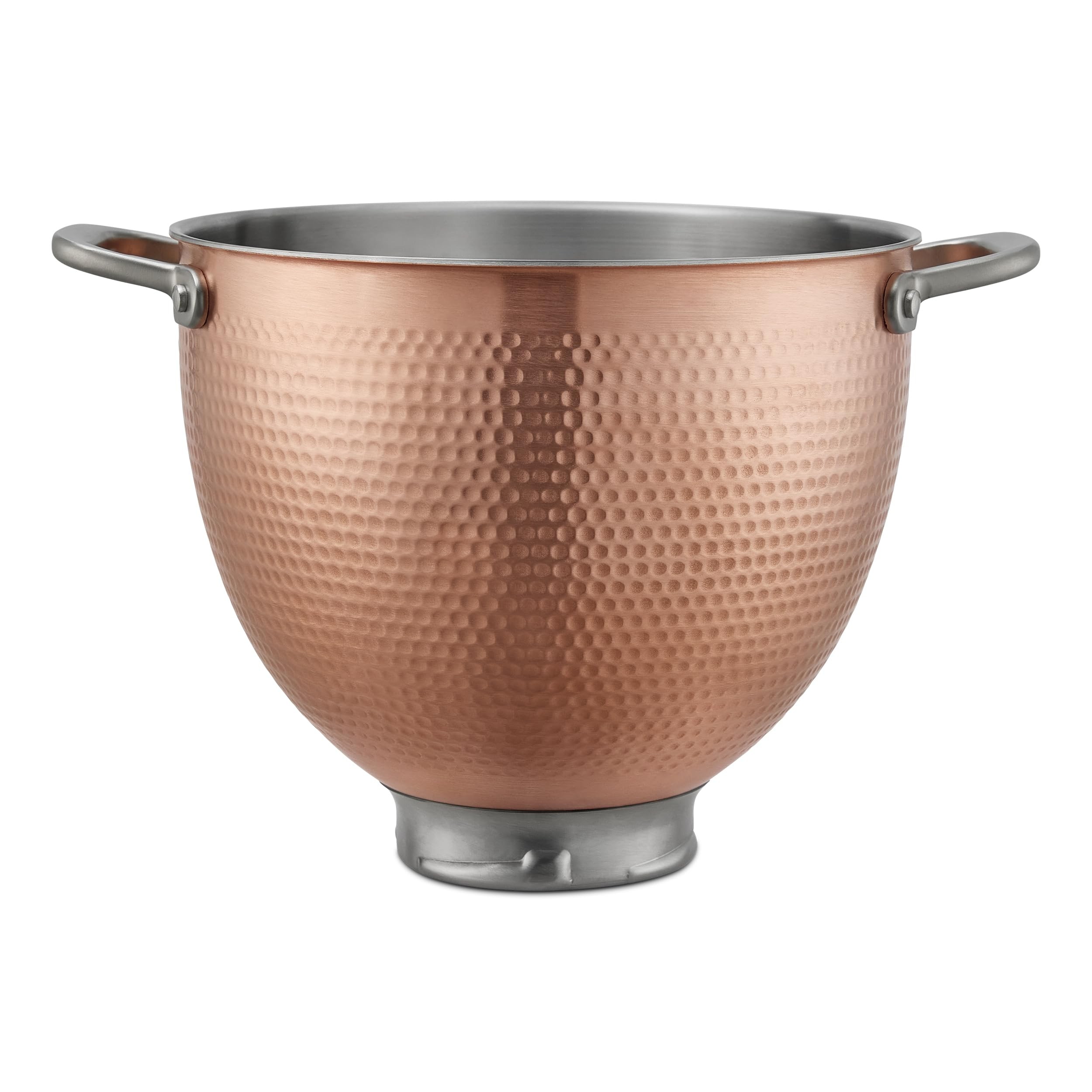
KitchenAid Copper 5-Quart Bowl
Copper ions react with egg whites to stabilize the foam , meringues and soufflés rise higher
Buy on Amazon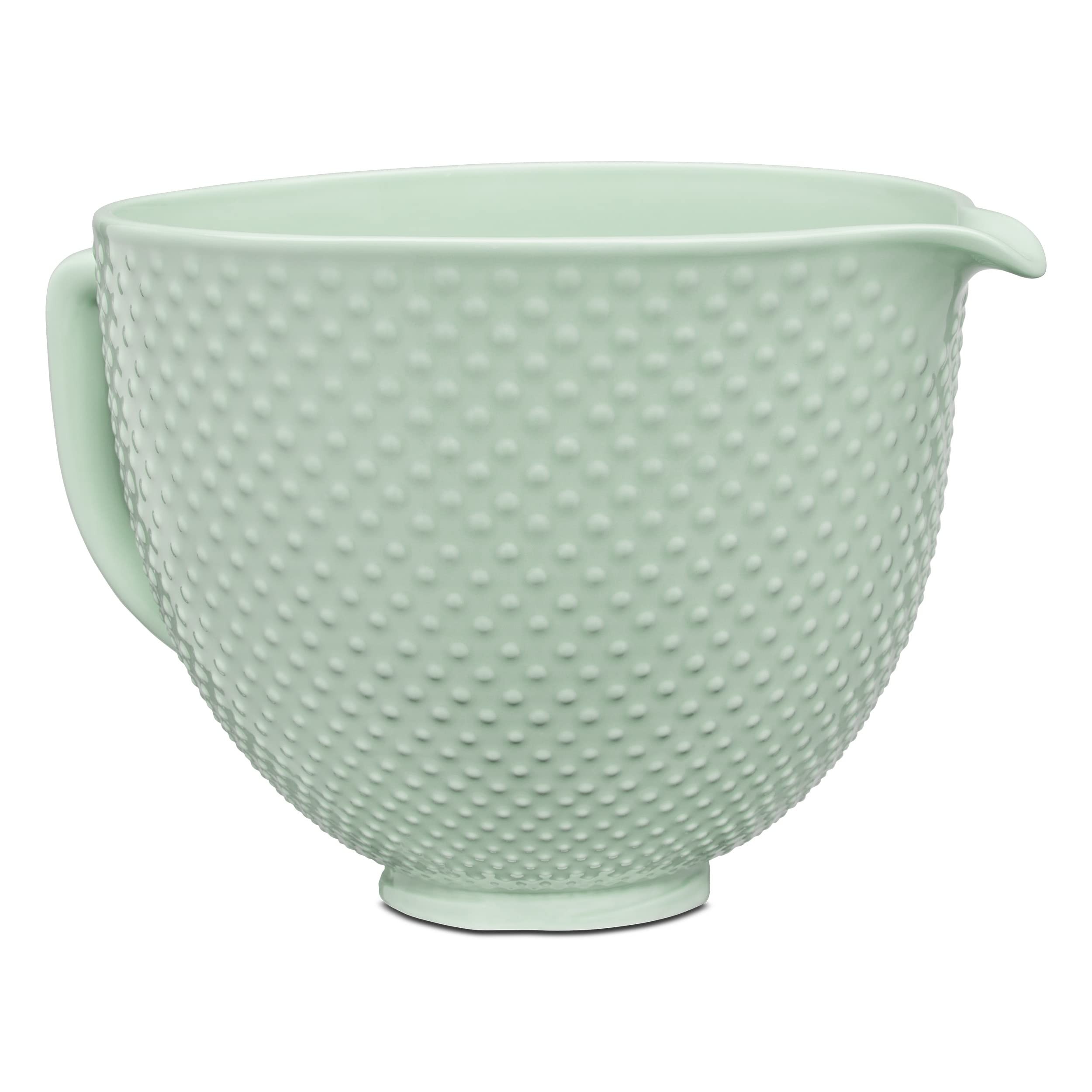
KitchenAid 5-Quart Ceramic Bowl
Ceramic construction , easier to clean than stainless steel, no metallic taste
Buy on Amazon| Product | Price Range | Top Strength | Key Weakness | Buy |
|---|---|---|---|---|
| KitchenAid 5-Quart Stainless Steel Mixing Bowl best overall | $ | Replacement or spare bowl , useful for bakers who use the mixer for multiple batches | Bare-bones , no handle or spout on standard bowl | Buy on Amazon |
| KitchenAid Copper 5-Quart Bowl also consider | $$ | Copper ions react with egg whites to stabilize the foam , meringues and soufflés rise higher | Expensive accessory for a functional upgrade most home bakers won't notice | Buy on Amazon |
| KitchenAid 5-Quart Ceramic Bowl also consider | $$ | Ceramic construction , easier to clean than stainless steel, no metallic taste | Heavier than stainless , adds to the mixer's weight during use | Buy on Amazon |
| KitchenAid Artisan 5-Quart Stand Mixer (KSM150PS) also consider | $$$ | 10 speeds handle everything from meringue to bread dough | Expensive , over $400 at full retail | Buy on Amazon |
If you’ve owned a KitchenAid stand mixer for more than a year, you’ve probably already discovered that the bowl it shipped with is not the only option. The bowl situation is, in fact, one of the more practical upgrade decisions a serious home baker can make. Not a luxury purchase, not a collector’s hobby. A working decision: does the bowl you have actually serve the way you cook?
If you want the full context on mixer selection before getting into accessories, the Stand Mixers guide covers that ground. But if you already own a KitchenAid tilt-head model and you’re deciding whether to add a second stainless bowl, switch to copper for meringue work, or go ceramic for daily use, read on.
What to Look For in a Stainless Steel KitchenAid Bowl
Capacity and Compatibility First
KitchenAid makes both tilt-head and bowl-lift mixers, and they do not share bowls. Before buying anything, know which you have. The tilt-head models (the Artisan, the Classic, the Custom) use 4.5-quart or 5-quart bowls depending on the model year. The bowl-lift models run larger and are a different conversation. For this guide, I’m focused on 5-quart tilt-head bowls.
Capacity matters more than it sounds. If you regularly double a bread recipe or bake for a crowd, a 5-quart bowl will hit its limit faster than you expect. The bowl isn’t the constraint in every case, but it’s worth knowing before you add a second one to your rotation.
Handle and Spout
Standard KitchenAid stainless bowls ship without a handle. For some people this is irrelevant. For others, transferring a bowl full of cookie dough to the counter without a handle is mildly annoying every single time. (I timed how long it took me to stop finding this annoying. I’m still waiting.) KitchenAid does make versions with a handle and a pour spout, and whether that matters depends entirely on how often you pour batter directly from the bowl.
Material Trade-offs
Stainless is the default for good reason. It’s light, durable, dishwasher safe, and doesn’t interact with most ingredients. Copper does interact with egg whites in a useful way, which I’ll address in the product section. Ceramic is heavier but easier to clean and has no off-flavors with acidic ingredients. All three fit the same mixer. The material choice is a real one, not just an aesthetic preference.
Top Picks
KitchenAid 5-Quart Stainless Steel Mixing Bowl
This is the replacement or spare bowl, and its best use case is the two-bowl workflow. If you bake multiple batches in a session, having a second bowl means you’re not waiting for the first to be washed and dried before you can start the next round. For a holiday baking session or any weekend where you’re running three different doughs in sequence, that’s not a minor convenience.
The bowl itself is what you’d expect: standard stainless construction, fits all 5-quart tilt-head KitchenAid mixers, dishwasher safe. There’s no handle, no pour spout. Budget pricing, which is appropriate for what it is.
If your concern is backup capacity rather than a workflow upgrade, this is a sensible purchase and a predictable one. No surprises.
KitchenAid Copper 5-Quart Bowl
There’s real science behind this one, and I’ll give it its due. Copper ions react with the conalbumin in egg whites during whipping, forming a stable copper-conalbumin complex that increases the protein’s resistance to denaturation. The practical result: a tighter, more stable foam that holds its structure longer and is harder to overwhip. French patisseries have used unlined copper bowls for meringue and soufflé work for generations. This is not marketing copy. The effect is real.
Whether it matters for your cooking is a different question. If you make meringues regularly, particularly Swiss or Italian meringue where stability during the cooking process is the whole challenge, this bowl will produce a noticeably better result. If you’re making whipped cream for a weeknight dessert, you won’t see a difference. The full case for copper egg white chemistry is worth understanding if you do serious baking, and the copper bowl for KitchenAid mixer breakdown goes into more depth on this.
The aesthetic is also, plainly, beautiful. That’s not a functional argument, but it’s not nothing if you have a KitchenAid sitting on your counter.
The downsides are straightforward. Mid-range pricing for what is technically an accessory, and it requires hand-washing to protect the copper finish. If you’re the kind of cook who defaults everything to the dishwasher, this bowl will be a source of friction.
KitchenAid 5-Quart Ceramic Bowl
Ceramic bowls are mid-range pricing and they solve a specific problem: stainless steel, particularly with acidic ingredients like lemon curd or cream cheese-based frostings, can impart a faint metallic flavor. It’s subtle and many people don’t notice it. If you’ve noticed it, ceramic solves it.
The practical advantages don’t stop there. Ceramic is genuinely easier to clean than stainless, particularly with sticky batters or anything with a high fat content. Fat releases from ceramic more readily than from metal, which anyone who has scrubbed a stainless bowl after a yeast bread session will appreciate.
The bowl is available in colors that match KitchenAid’s mixer lineup, which matters to some people more than others. If your mixer is on the counter as a permanent fixture and the whole setup is supposed to look intentional, a color-matched ceramic bowl is a reasonable choice. I’d rather have a clean workspace than a color-coordinated one, but I acknowledge that’s not everyone’s priority.
The weight is the real trade-off. Ceramic is heavier than stainless, and when the bowl is locked onto the mixer and full of dough, that weight adds up. The mixer handles it without issue, but moving the bowl off the stand is noticeably different. Drop it on a tile floor and it will chip. That’s a ceramic fact, not a product defect.
KitchenAid Artisan 5-Quart Stand Mixer (KSM150PS)
If you’re looking at bowl upgrades, you presumably already own this mixer or something comparable. For completeness: the Artisan is still the default recommendation for most home bakers, at premium pricing, because the attachment ecosystem is the main argument for owning one rather than a cheaper stand mixer. Pasta roller, meat grinder, spiralizer, ice cream maker, food grinder. The hub attachment port makes the mixer the motor for an entire product line.
The 5-quart bowl limits you on large batches of bread dough, which is the most common complaint from people who bake in quantity. For cookie dough, cake batter, pasta dough, and standard bread recipes, the capacity is adequate. If you regularly make double batches of enriched dough, the bowl upgrade conversation is actually a mixer upgrade conversation, and it’s worth reading about KitchenAid stand mixer motor specifications before assuming a new bowl is the right fix.
How to Choose
For High-Volume Baking
Buy the spare stainless bowl. The two-bowl workflow is the single most time-efficient upgrade a baker who runs multiple batches can make. The cost is low and the benefit is immediate. If you’ve ever stood at the sink washing a bowl so you could start your second batch, you already know this.
For Meringue and Soufflé Work
The copper bowl is worth considering seriously if this is part of your regular cooking. The copper bowl for KitchenAid stand mixer article has a detailed look at which meringue preparations benefit most from the copper reaction. If your meringues are consistently stable and you have no complaints, save the money. If you’ve had meringues weep or collapse before serving, the copper bowl addresses a real problem.
For Daily Use and Counter Display
If the bowl sits on the mixer between uses and you want something that cleans easily and looks intentional, ceramic is a reasonable choice at mid-range pricing. Know that it’s heavier and it chips if dropped.
For Anyone Coming From a Commercial Background
If you’ve worked in a restaurant kitchen and you’re evaluating this equipment against Hobart and Vollrath gear, the Hobart stand mixer attachments piece will give you useful context on where the KitchenAid fits relative to commercial equipment. The short version: the KitchenAid is an excellent home machine. It is not a commercial machine. The bowls and attachments are accordingly scaled for home volume.
A note on attachment compatibility: all the bowls covered here fit 5-quart tilt-head KitchenAid mixers. If you own a bowl-lift or a 4.5-quart model, verify the fit before purchasing. KitchenAid’s model numbers are not always intuitive about this, and returns because of a compatibility error are avoidable.
For broader context on how bowl choice fits into the full stand mixer buying decision, the Stand Mixers hub is the place to start if you’re reconsidering the machine itself.
Frequently Asked Questions
Will any KitchenAid bowl fit my mixer?
No. KitchenAid tilt-head and bowl-lift mixers use different bowls and they are not interchangeable. Within the tilt-head line, 4.5-quart and 5-quart bowls are also distinct. Check your model number before purchasing. The model number is on a plate on the bottom of the mixer, and KitchenAid’s website has a compatibility lookup tool.
Does the copper bowl actually make a difference for meringue?
Yes, with a qualification. The copper-conalbumin reaction is real chemistry that produces a more stable egg white foam. The practical difference is most visible in preparations where meringue stability matters most: Italian and Swiss meringue, soufflés, angel food cake. For a simple two-egg-white meringue topping on a pie, the difference is smaller. If you bake in this territory regularly, the copper bowl earns its cost. If meringue is a twice-a-year thing, the standard stainless bowl is fine.
Is the ceramic bowl dishwasher safe?
KitchenAid rates it as dishwasher safe on the top rack. In practice, the glaze holds up better with hand-washing over time, particularly with repeated high-temperature dishwasher cycles. It’s not as sensitive as the copper bowl, but treating it as hand-wash preferred will extend the finish.
What’s the difference between the standard bowl and the bowl with a handle?
Function only. The handle makes it easier to move the bowl on and off the mixer and to carry it from the counter to the sink. The pour spout version makes it easier to transfer batter directly into a pan without a separate vessel. Neither version changes how the mixer performs. If you find yourself moving a full bowl frequently, the handle version is worth the small price difference. Check current price on Amazon for whichever version you’re considering.
Can I use a KitchenAid bowl with a different brand of stand mixer?
No. KitchenAid bowls are designed for KitchenAid mixers and the locking mechanism is specific to those machines. If you’re looking at a Cuisinart, Kenwood, or Ankarsrum mixer, each uses proprietary bowl sizing and attachment systems. The bowls are not transferable across brands.
Frequently Asked Questions
Are all KitchenAid stainless steel bowls interchangeable between models?
No. KitchenAid tilt-head and bowl-lift mixers use different bowl designs that are not interchangeable. Within the tilt-head line, most 5-quart bowls fit across the Artisan, Classic, and Custom models, but confirm compatibility with your specific model year before purchasing any aftermarket or accessory bowl.
What is the advantage of a KitchenAid copper bowl for meringues?
The copper bowl takes advantage of a well-documented chemical reaction: copper ions released during whipping stabilize egg white foam by binding to the proteins. This produces a more stable meringue that is less prone to weeping and holds its shape longer. It is the traditional French patisserie technique made accessible for home bakers.
Is the standard stainless KitchenAid bowl dishwasher safe?
Yes, the standard stainless steel KitchenAid bowl is dishwasher safe. The ceramic bowl is also dishwasher safe. The copper bowl requires hand washing to protect the copper surface. Handle grip and spout-equipped versions follow the same rules as their base material.
Should I buy a second KitchenAid bowl as a spare?
If you regularly bake multiple batches or use the mixer for both sweet and savory applications in a single session, a second bowl is a practical investment rather than a luxury. It eliminates the need to wash and dry between steps, which matters more than it sounds when you're mid-recipe.
Does the KitchenAid stainless bowl size affect mixing performance?
Yes. There is a meaningful minimum fill level for effective mixing — too little batter or dough in a 5-quart bowl leaves the whisk or hook unable to make full contact. Similarly, overfilling can reduce mixing efficiency and cause splatter. For cookie doughs and cake batters, the 5-quart bowl is well-matched. For very small batches, a smaller bowl attachment performs better.
Where to Buy
KitchenAid 5-Quart Stainless Steel Mixing BowlSee KitchenAid 5-Quart Stainless Steel Mi… on Amazon