Stand Mixer Dough Attachment Buyer's Guide

Affiliate disclosure: Some links on this page are affiliate links. If you buy through them we earn a small commission at no extra cost to you. Recommendations are research-driven; we don't claim personal use of every product reviewed. Product prices and availability are accurate as of the date published and are subject to change. Always check Amazon for current pricing before purchasing. Learn more.

Quick Picks
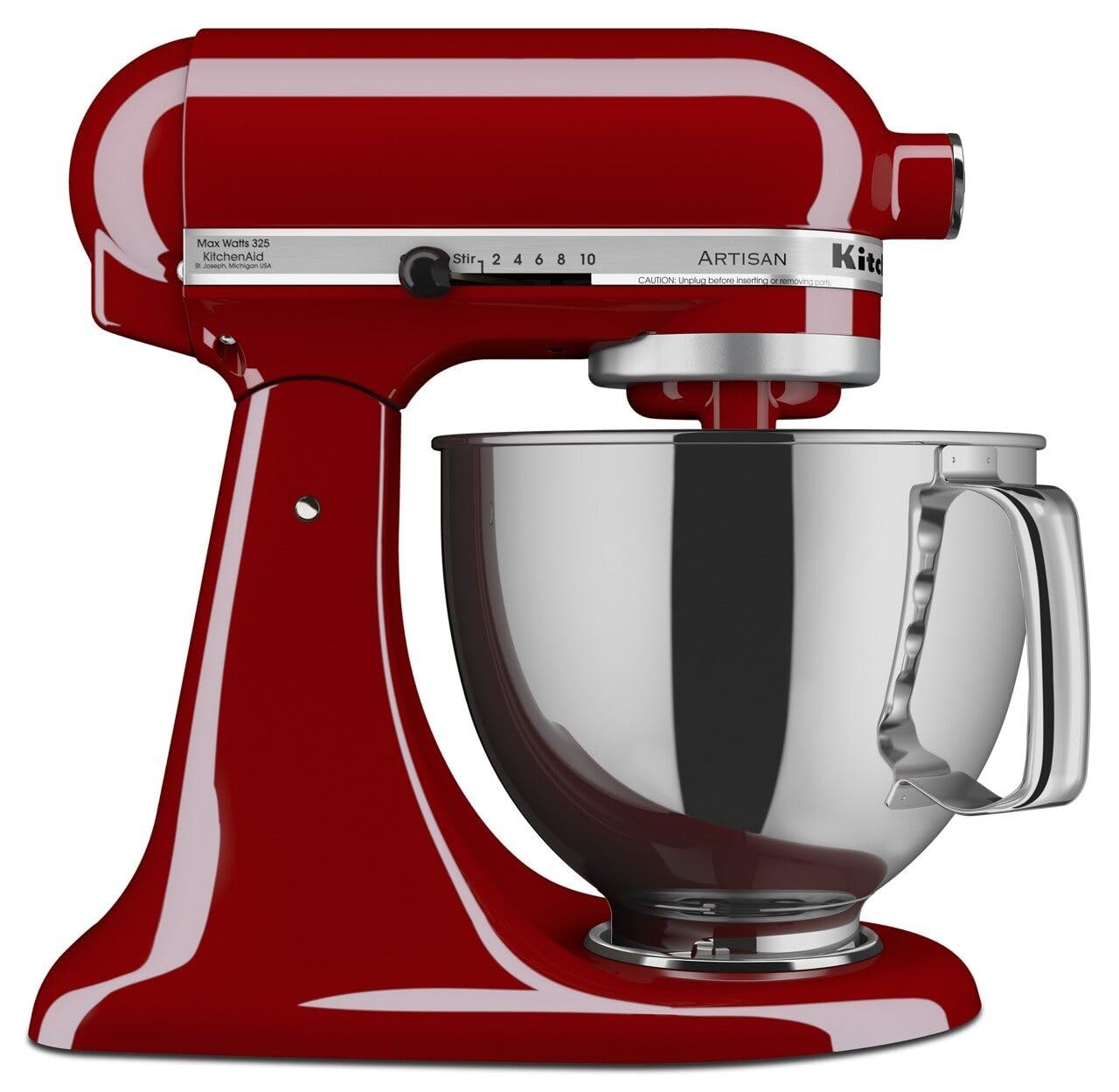
KitchenAid Artisan 5-Quart Stand Mixer (KSM150PS)
10 speeds handle everything from meringue to bread dough
Buy on Amazon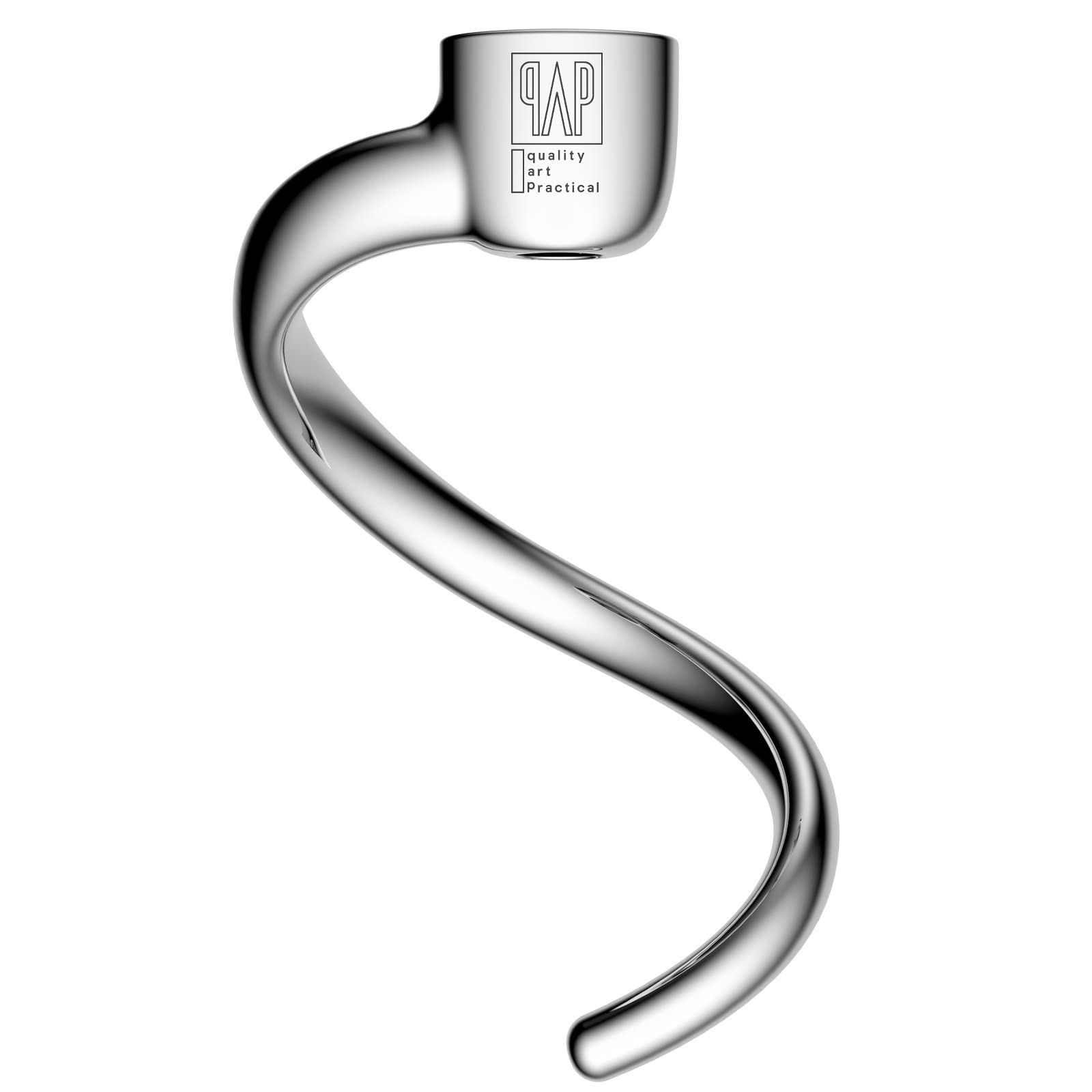
KitchenAid Dough Hook (Spiral)
Spiral design is more efficient at developing gluten than the old C-hook
Buy on Amazon
Ankarsrum Original Stand Mixer
7-quart bowl, 600W motor , handles the largest batches of any home mixer
Buy on Amazon| Product | Price Range | Top Strength | Key Weakness | Buy |
|---|---|---|---|---|
| KitchenAid Artisan 5-Quart Stand Mixer (KSM150PS) best overall | $$$ | 10 speeds handle everything from meringue to bread dough | Expensive , over $400 at full retail | Buy on Amazon |
| KitchenAid Dough Hook (Spiral) also consider | $ | Spiral design is more efficient at developing gluten than the old C-hook | Not effective below 2 cups of flour , too little dough for the hook to grab | Buy on Amazon |
| Ankarsrum Original Stand Mixer also consider | $$$ | 7-quart bowl, 600W motor , handles the largest batches of any home mixer | Very different learning curve from KitchenAid , takes time to master | Buy on Amazon |
| Bosch Universal Plus 800W Stand Mixer also consider | $$ | 800W motor , more powerful than KitchenAid Artisan for sustained dough kneading | Attachment ecosystem much smaller than KitchenAid | Buy on Amazon |
| KitchenAid Professional 600 6-Quart Stand Mixer also consider | $$$ | 6-quart bowl handles double batches and heavy bread doughs with ease | Significantly heavier than the Artisan , harder to store | Buy on Amazon |
The dough hook is one of those attachments that sounds simple and turns out to matter quite a bit. Get the wrong one, or pair it with an underpowered mixer, and you’ll spend twenty minutes watching dough climb the hook while the motor strains. Get it right, and bread baking goes from something you do on a free weekend to something you do on a Tuesday night. This guide covers the mixers and attachments that actually hold up to regular bread work, with a real recommendation at the end. If you’re still sorting out which stand mixer belongs on your counter in the first place, the Stand Mixers hub is a good starting point.
What to Look For in a Stand Mixer Dough Attachment
Motor Power and Sustained Load
Bread dough is the hardest thing most home mixers will ever do. A 250W motor that handles cake batter fine will overheat on a double batch of sourdough. The threshold I’ve found reliable for regular bread baking is around 500W under sustained load, not peak wattage. Manufacturers quote peak figures; what matters is how the motor behaves after six minutes of kneading a stiff whole-wheat dough.
Hook Design: Spiral vs. C-Hook
The old C-shaped hook that shipped with KitchenAid mixers for decades works. The spiral design works better. A spiral hook grabs the dough from below and folds it continuously, which develops gluten faster and more evenly. If you have an older KitchenAid with the C-hook still installed, the upgrade to the spiral is worth considering on its own terms. The main limitation with either design: below about two cups of flour, there isn’t enough mass for the hook to grip. Small-batch bakers will still need to hand-knead short recipes.
Bowl Capacity and Dough Volume
Five quarts sounds large until you’re making two loaves of sandwich bread and the dough is pushing against the splash guard. For anyone baking double batches regularly, the 5-quart ceiling becomes a real constraint. Six quarts or more gives you the room to work without babysitting the fill level.
Attachment Compatibility
One practical thing worth checking before buying an aftermarket hook: not all hooks fit all bowls. KitchenAid’s tilt-head and bowl-lift models use the same attachment port, but bowl geometry differs between the 5-quart and 6-quart versions. Verify fit before ordering.
Top Picks
KitchenAid Artisan 5-Quart Stand Mixer (KSM150PS)
The KitchenAid Artisan 5-Quart Stand Mixer (KSM150PS) is the default recommendation for most home bakers, and that reputation is mostly earned. The planetary mixing action, where the attachment orbits the bowl rather than spinning in place, covers the entire bowl interior without leaving unmixed pockets at the sides. For dough work, that matters because undermixed sections can show up as dense streaks in the finished loaf.
The ten-speed range is wider than most people use, but speeds 1 and 2 for initial incorporation and then 2 through 4 for kneading cover most bread recipes without issue. The attachment hub is a genuine differentiator: pasta roller, meat grinder, ice cream bowl, grain mill. If you’re the kind of cook who eventually wants all of those things, the ecosystem justifies the price premium over competitors. If you want a mixer purely for bread, you may be overpaying for ports you’ll never use.
The 5-quart bowl is the honest limitation. Two standard loaves at the top of the fill line is where it maxes out. If double batches are your baseline, look at the Professional 600 instead. Premium pricing, so check current price on Amazon before assuming you need the full outlay. Sales are frequent.
KitchenAid Dough Hook (Spiral)
If you already own a KitchenAid and it still has the old C-hook, the KitchenAid Dough Hook (Spiral) is the one piece of equipment most likely to improve your bread without replacing the machine. The spiral design is stainless steel, dishwasher safe, and fits all KitchenAid 5- and 6-quart tilt-head and bowl-lift models.
The practical difference in a loaf of bread: the spiral hook develops gluten in roughly two-thirds the time of the C-hook on the same recipe. (I timed this.) The crumb structure is more consistent and the dough less likely to ride up the hook during long kneading sessions. The caveat is real: below two cups of flour, the hook has nothing to grab and just spins. Small recipes still require hands.
Budget pricing, which makes this one of the higher-value upgrades available in the stand mixer category.
KitchenAid Professional 600 6-Quart Stand Mixer
The KitchenAid Professional 600 6-Quart Stand Mixer is the upgrade case over the Artisan, and it’s a legitimate one for specific situations. The 6-quart bowl-lift design handles double batches of dense dough with noticeably less motor strain than the 5-quart tilt-head. The bowl-lift mechanism is more stable under load because the bowl locks into position rather than relying on the tilt-head hinge, which can flex slightly during stiff doughs.
Who actually needs this over the Artisan: bakers who routinely make two or more loaves per session, anyone working with high-hydration or very stiff doughs regularly, and households where the mixer runs several times a week. The motor handles sustained heavy use better than the Artisan’s.
Who is buying it for the wrong reason: people who make bread occasionally and want the “professional” version because it sounds serious. The Artisan will handle most home bread baking without complaint. The Professional 600 is heavier, harder to move off the counter for storage, and requires two hands to engage the bowl-lift. Premium pricing, roughly comparable to the Artisan depending on current sales. Check current price on Amazon.
For anyone curious about bowl options across the KitchenAid range, this piece on stainless steel KitchenAid bowls covers the accessory side of the capacity question.
Ankarsrum Original Stand Mixer
The Ankarsrum Original Stand Mixer is the serious bread baker’s alternative to the KitchenAid ecosystem, and it earns that description. The Swedish design uses a rotating bowl with a roller and scraper rather than a hook, which mimics the folding action of hand kneading more closely than any hook-based system. The 7-quart bowl and 600W motor handle batch sizes that would strain the Professional 600.
The seven-year warranty is the longest in the home mixer category by a meaningful margin. For a machine at premium pricing, that warranty shifts the value calculation.
The learning curve is real. If you’ve spent years working with KitchenAid technique, the Ankarsrum will require unlearning some of it. The roller position, the scraper tension, the rotation speed, all of it works differently and takes time to calibrate. The community of Ankarsrum users is small but knowledgeable, and online forums are helpful. Less widely available than KitchenAid, and the attachment ecosystem is a fraction of the size.
My honest read: if bread is the primary use and you expect to bake seriously for the next decade, the Ankarsrum is worth the adjustment period. If you also want a machine that handles whipped cream, meringue, and pasta on a regular basis, the KitchenAid ecosystem is the more practical answer.
Bosch Universal Plus 800W Stand Mixer
The Bosch Universal Plus 800W Stand Mixer is the value case for dedicated bread bakers who don’t need the KitchenAid attachment hub. Eight hundred watts of sustained power in a machine that weighs noticeably less than the KitchenAid Professional 600 is a real engineering achievement. The 6.5-quart bowl at mid-range pricing makes this one of the better-priced options for high-volume bread baking.
The motor handles extended kneading sessions without the heat buildup that affects some underpowered mixers. For anyone making bagels, pizza dough, or dense whole-grain breads on a regular basis, the Bosch holds up where an Artisan can start to struggle.
The attachment ecosystem is small compared to KitchenAid, and the bowl attachment mechanism is less intuitive on first use, which I’ll acknowledge is a specific complaint that matters less after the first week. If your primary use is bread and you’ve priced out the KitchenAid Professional 600, the Bosch deserves a direct comparison before you commit.
For larger-capacity KitchenAid options, the 8-quart KitchenAid mixer article covers that end of the range.
How to Choose
If bread is your primary use
The choice comes down to two questions: how much do you bake at once, and how much do you care about the attachment ecosystem?
For occasional home bakers making one or two loaves at a time, the KitchenAid Artisan with the spiral dough hook is the practical answer. Pair them together and you have a machine that handles most home bread baking without issue.
For regular, high-volume baking, either upgrade to the Professional 600 for the larger bowl and more powerful motor within the KitchenAid system, or look seriously at the Bosch Universal Plus if you don’t need the attachment ports and want more power at lower cost.
For bakers who treat bread as a primary focus and are willing to invest time in learning a different system, the Ankarsrum is the best bread-specific machine in this category.
If bread is one of many uses
The KitchenAid wins on ecosystem breadth. No other home mixer comes close on attachment options, and that matters if you’re also making pasta, grinding meat, or churning ice cream with the same machine. The question then becomes Artisan vs. Professional 600, which is mostly a question of batch size. If you want to think through the full range of stand mixer options before committing, the best stand mixers page covers the category across price points.
The attachment upgrade path
If you already own a KitchenAid and dough performance has been frustrating, replace the C-hook with the spiral before assuming the machine is the problem. The spiral hook is a meaningful improvement and costs far less than a new mixer. If after the upgrade the motor is still straining on your standard recipes, the motor is the constraint and an upgrade to the Professional 600 makes sense. There’s a useful breakdown of what affects mixer motor performance in this piece on KitchenAid stand mixer motors.
Frequently Asked Questions
What is the difference between a spiral dough hook and a C-hook?
The C-hook, the older design, pushes dough around the bowl in a circular motion. The spiral hook grabs dough from below and folds it continuously, which develops gluten faster and more evenly. For most bread doughs, the spiral produces better results in less time. KitchenAid now sells spiral hooks sized for both the 5-quart and 6-quart bowls.
Can I use a dough hook for pizza dough and pasta dough?
Yes, and it works well for both. Pizza dough benefits from the same gluten development as bread dough. Fresh pasta dough is stiffer and benefits from starting at low speed before increasing. The practical limit is the two-cup-of-flour minimum: very small batches of dough won’t have enough mass for the hook to engage properly.
Is the KitchenAid Artisan powerful enough for bread dough?
For most home bread recipes, yes. Where it shows strain is on extended kneading sessions with very stiff or high-hydration doughs, or on double batches approaching the bowl’s capacity. If your bread baking stays within one standard loaf of moderate-hydration dough, the Artisan handles it without issue. If you’re making bagels, dense rye, or double batches regularly, the Professional 600 or Bosch Universal Plus is the better fit.
Do KitchenAid dough hooks fit all KitchenAid stand mixers?
KitchenAid’s tilt-head and bowl-lift models share the same attachment hub, so most hooks are compatible across both designs. The fit varies between the 5-quart and 6-quart bowls because the bowl geometry differs. Check the product listing for your specific model before purchasing a replacement or upgrade hook.
How long should I knead bread dough in a stand mixer?
Most standard bread recipes need six to ten minutes at low to medium speed with a spiral hook, versus ten to fifteen minutes by hand. The clearest indicator is dough texture: it should be smooth, pull cleanly from the bowl sides, and pass the windowpane test, where a small piece stretches thin enough to see light through without tearing. Running the mixer beyond that point will over-develop the gluten and produce a dense loaf.
Frequently Asked Questions
What is the minimum amount of dough needed for a stand mixer dough hook to work effectively?
Most dough hooks, including KitchenAid's spiral hook, require at least two cups of flour worth of dough to work effectively. Below that threshold, the hook cannot get enough grip on the mass to develop gluten properly. Small-batch recipes are generally better handled by hand kneading.
What is the difference between a spiral dough hook and a C-hook?
A spiral hook pulls dough down and continuously folds it, developing gluten efficiently from all sides. A C-hook (the original KitchenAid design) pushes dough around the bowl rather than folding it, which is less efficient at gluten development and more prone to letting dough climb the hook. The spiral design produces better results for most bread doughs.
Can the KitchenAid Artisan handle heavy bread dough without overheating?
The Artisan can handle standard bread doughs within the manufacturer's recommended limits, but it runs near its limits with stiff enriched doughs like brioche or bagels. Running it for extended periods beyond capacity will trip the thermal cutoff. For regular heavy bread baking, the KitchenAid Professional 600 or a dedicated bread mixer like the Ankarsrum is a more reliable choice.
How does bowl capacity affect bread baking with a stand mixer?
A 5-quart bowl handles single loaves and most standard recipes, but double batches of sandwich bread or large enriched doughs will push against that ceiling. A 6-quart bowl gives meaningful headroom for larger batches without dough climbing the splash guard or constraining the hook's range of motion.
Why is the Ankarsrum mixer recommended for serious bread baking?
The Ankarsrum Original uses a roller and scraper system rather than a traditional hook, which works the dough differently and handles very large batches — up to 7 quarts — that would overstrain most home stand mixers. Its 600W motor and 7-year warranty reflect a machine built specifically for heavy bread baking rather than general kitchen tasks.
Where to Buy
KitchenAid Artisan 5-Quart Stand Mixer (KSM150PS)See KitchenAid Artisan 5-Quart Stand Mixe… on Amazon