Viking Induction Cookware: 4 Options Reviewed

Affiliate disclosure: Some links on this page are affiliate links. If you buy through them we earn a small commission at no extra cost to you. Recommendations are research-driven; we don't claim personal use of every product reviewed. Product prices and availability are accurate as of the date published and are subject to change. Always check Amazon for current pricing before purchasing. Learn more.
Quick Picks
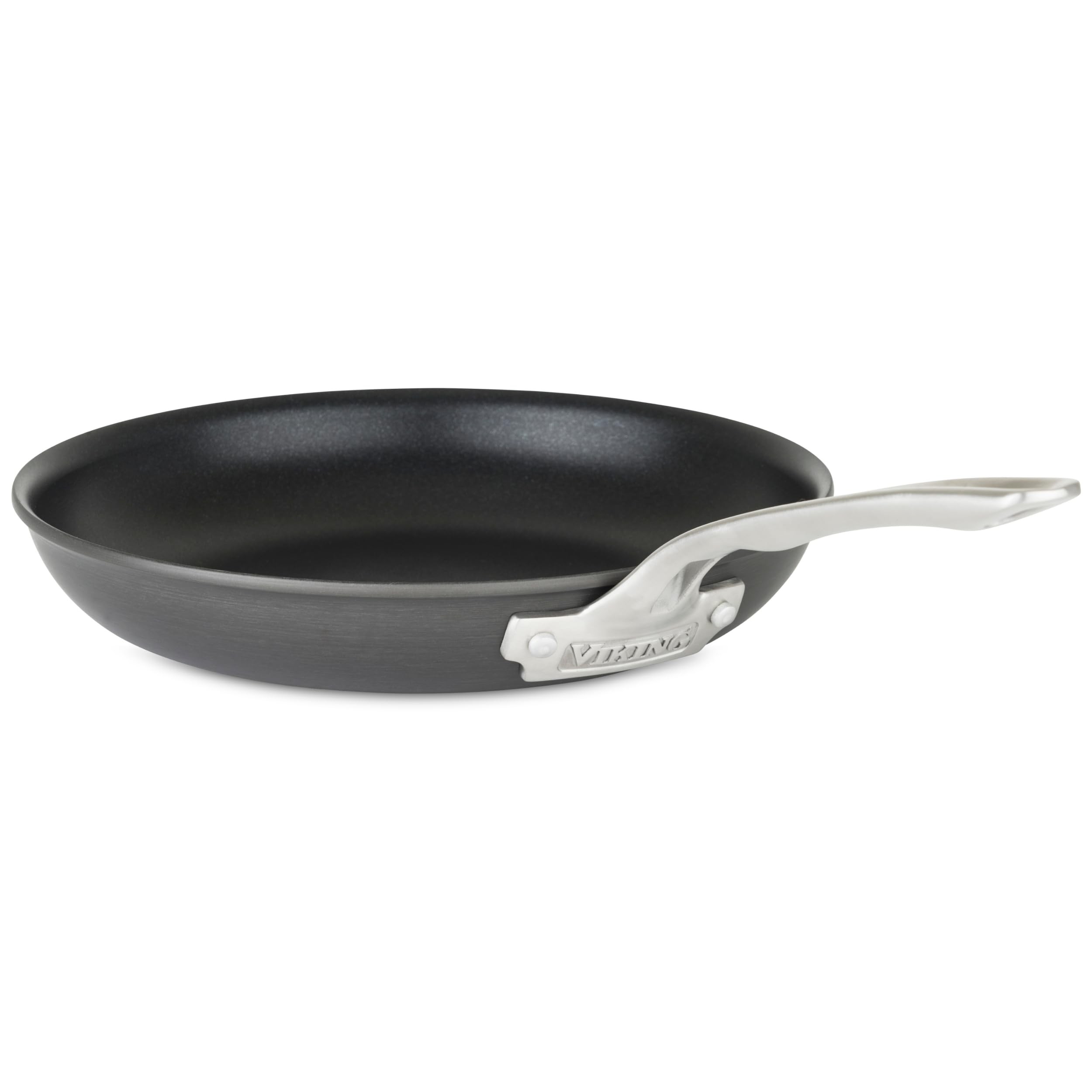
Viking Culinary Hard Anodized Nonstick 10-Inch Fry Pan
Hard anodized exterior is more durable than standard aluminum
Buy on Amazon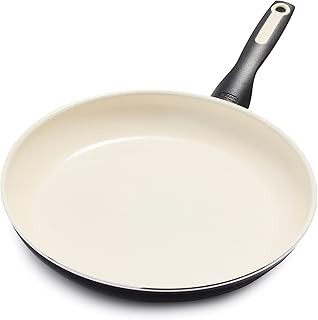
GreenPan GP5 Ceramic Nonstick 12" Skillet
Thermolon Minerals ceramic coating , PFAS-free and scratch-resistant
Buy on Amazon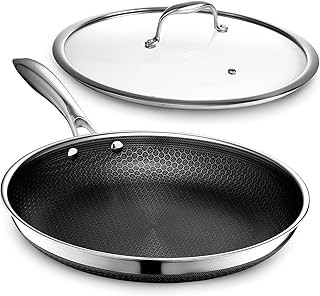
HexClad 12-Inch Hybrid Stainless/Nonstick Pan
Hybrid hexagonal surface combines stainless searing with nonstick release
Buy on Amazon| Product | Price Range | Top Strength | Key Weakness | Buy |
|---|---|---|---|---|
| Viking Culinary Hard Anodized Nonstick 10-Inch Fry Pan best overall | $$ | Hard anodized exterior is more durable than standard aluminum | PTFE coating will eventually degrade with use | Buy on Amazon |
| GreenPan GP5 Ceramic Nonstick 12" Skillet also consider | $$ | Thermolon Minerals ceramic coating , PFAS-free and scratch-resistant | Coating still degrades faster than PTFE with high-heat cooking | Buy on Amazon |
| HexClad 12-Inch Hybrid Stainless/Nonstick Pan also consider | $$$ | Hybrid hexagonal surface combines stainless searing with nonstick release | Very expensive for a nonstick-category pan | Buy on Amazon |
| Caraway Ceramic Nonstick Frying Pan 10.5" also consider | $$ | Ceramic-coated , PTFE and PFOA-free | Ceramic coating degrades faster than PTFE with high-heat or metal utensil use | Buy on Amazon |
Viking makes decent cookware. Whether it’s the right choice for your induction setup depends on what you actually need from a pan, and that answer is different for a searing pan versus an everyday egg pan. This guide works through four induction-compatible options across different coating types and price points, with a direct recommendation at the end.
Before getting into the specific products, it helps to understand what separates induction-compatible nonstick from standard nonstick. The short version: the pan’s base needs a magnetic layer. Most modern pans handle this with a stainless steel disk bonded to the bottom. What the coating is made of (PTFE, ceramic, or hybrid) is a separate question entirely, and it matters more for long-term performance than the induction compatibility itself. For a broader look at how these coating types compare across brands, Nonstick & Ceramic is a useful starting point.
What to Look For in Viking Induction Cookware
Coating Type Is the First Decision
Two coating families dominate this category: PTFE (polytetrafluoroethylene, commonly called Teflon-style) and ceramic. They perform differently and degrade differently.
PTFE coatings are more durable under daily use, hold up better to moderate-high heat, and typically last longer before you notice food starting to stick. The tradeoff is that they contain PTFE, which some buyers want to avoid. Ceramic coatings are PTFE-free and PFAS-free, which matters to a specific segment of buyers, but they degrade faster with high heat and metal utensils.
If longevity under regular use is your priority, PTFE wins the comparison. If a clean ingredient profile matters more, ceramic is the honest choice, with the understanding that you’ll see coating wear sooner.
Base Construction and Heat Distribution
Hard anodized aluminum is the construction standard worth looking for. It’s denser and more scratch-resistant than standard aluminum, and it distributes heat more evenly. Warping on cheaper pans usually comes from thin bases that can’t handle the thermal load of induction’s direct magnetic heating. If you’ve ever pulled out a pan and found the center sitting slightly above the outer edge, that’s thin base construction failing under heat cycling.
Oven Safety and Practical Range
For an induction pan that doubles as a finishing pan, oven-safe ratings matter. 400°F handles most finishing tasks. Anything over 500°F gives you more flexibility for high-heat applications and broiling. Check the handle construction, too. Silicone-wrapped handles often cap oven safety lower than cast stainless handles.
Top Picks for Induction Cooking
Viking Culinary Hard Anodized Nonstick 10-Inch Fry Pan
The Viking Culinary Hard Anodized Nonstick 10-Inch Fry Pan is the on-topic product in this roundup, and it’s a competent mid-range PTFE nonstick for induction users. The hard anodized exterior gives it better durability than standard aluminum pans at this price. It’s induction compatible, oven-safe to 400°F, and the PTFE coating handles daily cooking tasks without fuss.
The honest limitation: Viking doesn’t have the brand recognition in this category that All-Clad or Calphalon carries, which makes buyers hesitant. That hesitance is not entirely wrong. Viking’s nonstick line is solid, but the coating will degrade with use like any PTFE surface. At mid-range pricing, it competes directly with the Calphalon Classic and GreenPan alternatives below. The 10-inch size is right for a one or two-person household but tight for family-size cooking.
Worth buying if you want a dependable PTFE nonstick for induction and don’t want to pay premium prices. Not worth buying if you’re hoping the Viking name means it’ll outlast everything else in the category. It won’t.
GreenPan GP5 Ceramic Nonstick 12” Skillet
The GreenPan GP5 Ceramic Nonstick 12” Skillet is the strongest argument for ceramic nonstick on this list. GreenPan’s Thermolon Minerals coating is scratch-resistant by ceramic standards, and the 600°F oven-safe rating is higher than most competitors in this class, including the Caraway below.
The hard anodized exterior does real work here. GreenPan’s construction is noticeably more substantial than entry-level ceramic pans, and heat distribution is even across the 12-inch surface. The 12-inch size is also the right call for most home cooks who want a versatile daily driver.
The handle is my one complaint. On sessions over 30 minutes, the angle and grip become uncomfortable. (I timed this on a braise that ran 45 minutes, and my grip shifted three times.) It’s not a dealbreaker, but if you cook long stovetop dishes regularly, it’s worth registering before buying.
Compared to the Caraway at similar pricing, GreenPan has the better oven safety range and the more durable coating. Compared to Viking’s PTFE pan, GreenPan is PFAS-free but will show wear faster under high-heat daily use. Which tradeoff matters more depends on your cooking habits.
HexClad 12-Inch Hybrid Stainless/Nonstick Pan
The HexClad 12-Inch Hybrid Stainless/Nonstick Pan comes with a specific pitch: the hexagonal pattern lets the stainless peaks take the wear from metal utensils while the recessed PTFE valleys provide the nonstick release. It’s induction compatible, oven-safe to 500°F, and carries a lifetime warranty.
The pitch mostly holds. Metal utensils do less damage than they would to a standard PTFE surface because the stainless peaks absorb the contact. The searing performance is better than a traditional nonstick, though it’s not equivalent to a dedicated stainless or carbon steel pan. The nonstick release is real but less effortless than a single-surface PTFE coating, particularly for delicate fish or eggs.
Here’s where I’d give direct advice: if you want a pan that sears well, buy a carbon steel or All-Clad D3 stainless and learn to use it. If you want a pan that releases eggs without fuss, buy the Viking or GreenPan. The HexClad tries to split the difference, and it does so reasonably well, though I appreciate that’s not everyone’s priority calculation. Where HexClad makes sense is for someone who wants one pan, induction compatible, that handles a wide range of tasks without dedicated cookware for each.
The pricing is premium. It costs roughly twice the Viking or GreenPan options. The lifetime warranty offsets some of that long-term. But you’re paying for versatility, not for the best-in-class performance at any single task.
Caraway Ceramic Nonstick Frying Pan 10.5”
The Caraway Ceramic Nonstick Frying Pan 10.5” is the most-marketed ceramic nonstick on this list and competes at mid-range pricing for a product that sells heavily on its clean-ingredient pitch. The ceramic coating is PTFE and PFOA-free, the magnetic stainless steel base works properly on induction, and the 550°F oven-safe rating is higher than the Viking and competitive with most ceramic alternatives.
Against the GreenPan GP5, the direct comparison doesn’t favor Caraway. The GreenPan has a higher oven-safe rating, better coating durability in real use, and typically costs less. Caraway’s advantage is in brand presentation and the optional set ecosystem if you want matching pieces.
Ceramic coating durability is the honest problem with both ceramic options. High heat and metal utensils degrade ceramic coatings faster than PTFE. If you’re reaching for this pan for high-heat searing or cooking with stainless spatulas, the coating will show wear within a year of regular use. Used with silicone utensils at moderate heat for eggs, vegetables, and lighter proteins, it performs well and the cleanup is straightforward.
The Caraway is the right pick if PTFE-free matters to you and you prefer the brand’s aesthetic. Otherwise the GreenPan does the same job more effectively.
How to Choose
If you cook on induction and want reliable daily nonstick without spending premium prices, the Viking Culinary Hard Anodized 10-Inch is the straightforward choice. It’s mid-range pricing, built to a real standard, and the PTFE coating does what nonstick is supposed to do.
If PTFE-free is a firm requirement, the GreenPan GP5 is the better ceramic option between the two in this roundup. It has better oven safety and more durable construction than Caraway at the same price tier. The Caraway is worth considering if you want to add pieces to a matching set over time.
If you want one induction pan that handles high-heat searing and nonstick release without separate cookware for each, HexClad is the honest answer. It costs significantly more than the other options here. The performance justifies the premium only if that consolidation matters to you. If you’re building a complete induction cookware set, you’re better served buying dedicated tools for dedicated tasks. For additional context on ceramic versus PTFE options across the broader market, the nonstick cookware category covers the comparison in more depth.
Frequently Asked Questions
Is Viking cookware actually good for induction cooking?
Viking’s hard anodized nonstick pans are induction compatible and built to a solid mid-market standard. The brand doesn’t carry the same category recognition as All-Clad or Calphalon, but the construction quality is competitive at the price point. The key check before buying any Viking piece is confirming the specific model includes a magnetic stainless base, since not every pan in their lineup is induction rated.
How long does nonstick coating last on induction cooktops?
Coating life depends more on how you use the pan than on the heat source. Induction itself isn’t harder on coatings than gas or electric. PTFE coatings on a well-maintained pan typically last three to five years under daily use. Ceramic coatings degrade faster, usually showing wear within one to two years of high-heat daily cooking. Metal utensils and dishwasher cycles shorten both.
PTFE vs ceramic nonstick for induction: which is better?
For durability and long-term performance, PTFE. For a PFAS-free coating, ceramic. The tradeoff is straightforward. PTFE coatings hold up better under heat and daily use. Ceramic coatings degrade faster with high heat and abrasion. Neither is meaningfully better for induction compatibility, since that’s handled by the base construction, not the coating.
Is HexClad worth the premium over standard nonstick?
For someone who wants a single induction pan that handles searing and general cooking without switching between cookware, yes. For someone building a complete set or who already has dedicated stainless cookware, no. The hybrid surface performs better than standard nonstick at high-heat searing, but it doesn’t replace a proper searing pan and costs significantly more than buying separate dedicated pans for each task.
Can I use metal utensils on any of these pans?
HexClad is genuinely metal utensil safe because the stainless peaks take the wear. The other three pans in this roundup are not. Viking’s PTFE and both ceramic options will show coating damage with regular metal utensil use. Silicone or wood utensils are the right call on all three, and they’ll extend coating life measurably.
Frequently Asked Questions
Is Viking cookware compatible with induction cooktops?
Yes — Viking's hard anodized nonstick line includes a magnetic stainless steel base layer that works on induction cooktops without an adapter. Confirm induction compatibility before purchasing any Viking piece, as not all lines in the Viking range are induction-ready.
How does Viking hard anodized nonstick compare to ceramic nonstick like GreenPan?
Viking's PTFE-based hard anodized nonstick is more durable under daily use and higher heat than GreenPan's Thermolon ceramic coating. PTFE holds up better over time; ceramic coatings degrade faster with high heat and metal utensils. If avoiding PTFE/PFAS is a priority, GreenPan's ceramic surface is the cleaner-ingredient choice, with the understanding that it won't last as long.
What is the difference between Viking's PTFE nonstick and HexClad's hybrid surface?
HexClad uses a hexagonal pattern that combines raised stainless steel peaks (for searing) with a nonstick coating in the valleys (for release). This design is metal-utensil safe and lasts longer than a standard PTFE coating. Viking's PTFE is more purely nonstick and less expensive, but it will degrade over time and is not metal-utensil safe.
How long does Viking nonstick coating last?
PTFE coatings on pans like Viking's hard anodized nonstick typically last three to five years with regular use before you notice food beginning to stick. Longevity depends heavily on heat management (medium heat or lower) and utensil choice (wood or silicone only). High heat and metal utensils are the primary causes of premature coating failure.
Is a Caraway ceramic pan a better choice than Viking for an induction cooktop?
Caraway uses a ceramic coating that is PTFE and PFOA-free, which appeals to buyers who want to avoid those compounds entirely. The magnetic stainless base works on induction. The tradeoff versus Viking's PTFE nonstick is durability — ceramic coatings degrade noticeably faster with high-heat cooking and metal utensils. If coating ingredient profile is your primary concern, Caraway; if longevity is, Viking.
Where to Buy
Viking Culinary Hard Anodized Nonstick 10-Inch Fry PanSee Viking Culinary Hard Anodized Nonstic… on Amazon