Vintage Lodge Cast Iron Cookware Buyer's Guide

Affiliate disclosure: Some links on this page are affiliate links. If you buy through them we earn a small commission at no extra cost to you. Recommendations are research-driven; we don't claim personal use of every product reviewed. Product prices and availability are accurate as of the date published and are subject to change. Always check Amazon for current pricing before purchasing. Learn more.

Quick Picks
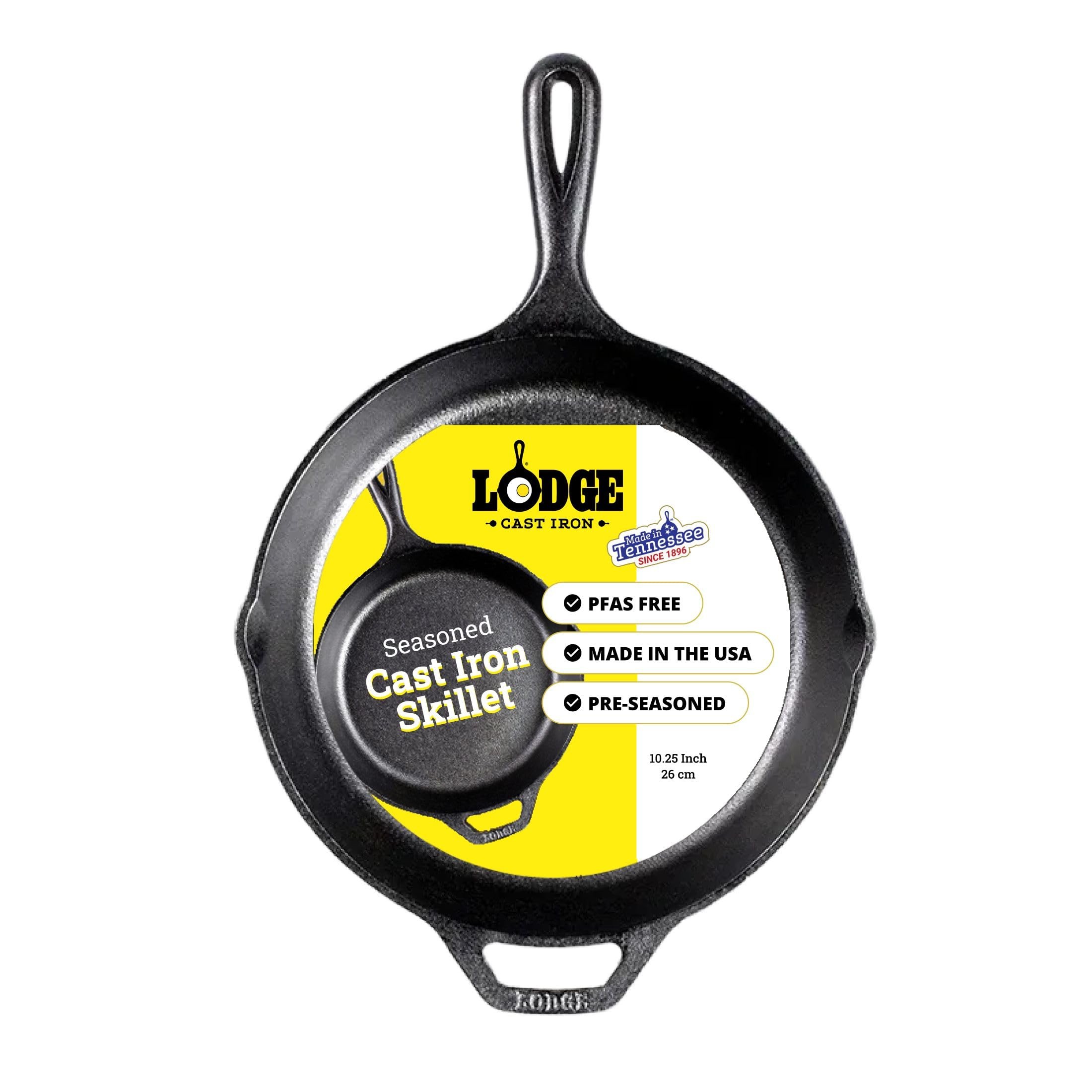
Lodge 12-Inch Cast Iron Skillet
Pre-seasoned and ready to use out of the box
Buy on Amazon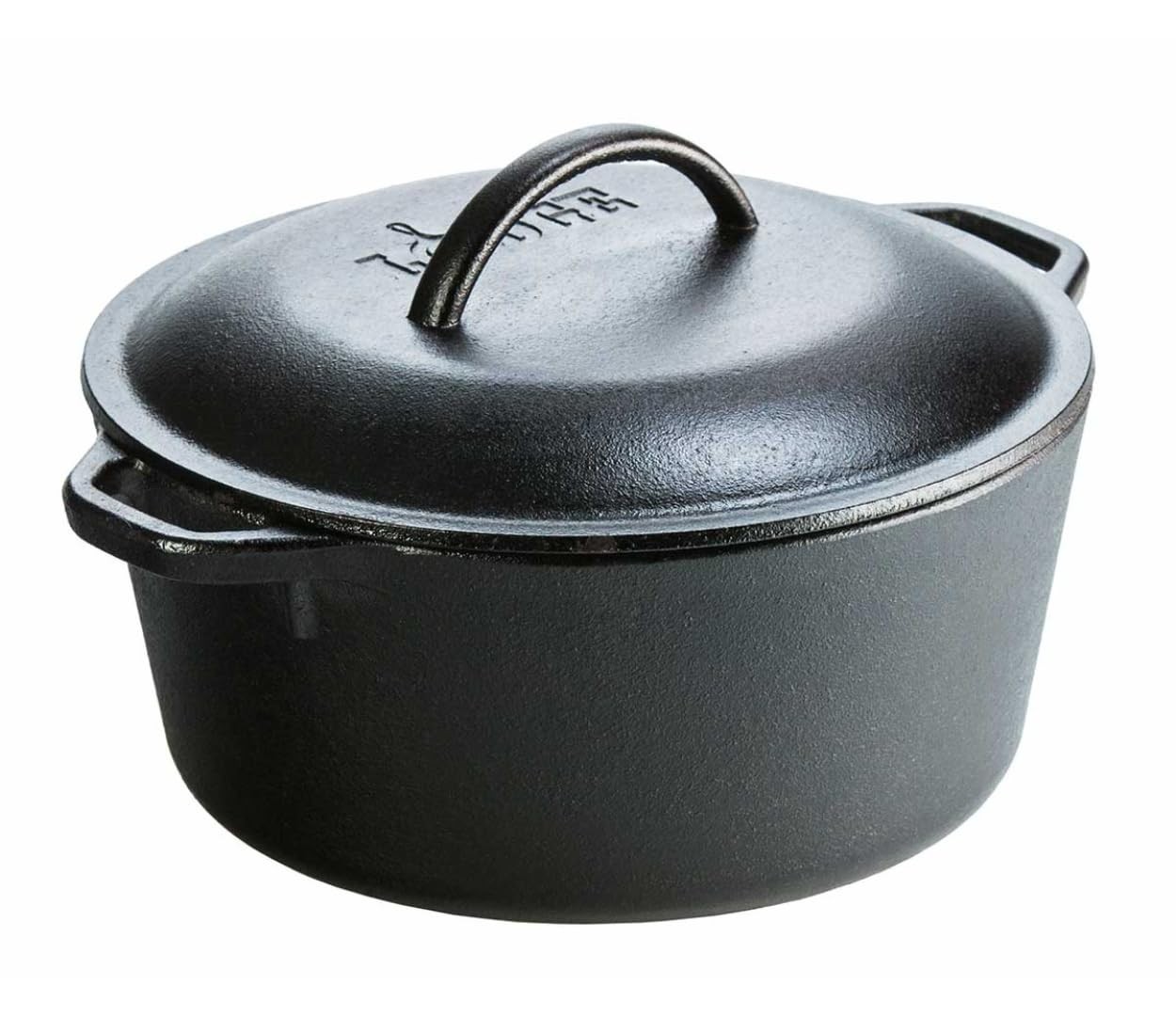
Lodge 6-Quart Cast Iron Dutch Oven
Thick walls retain heat evenly for long braises and stews
Buy on Amazon
Lodge Enameled Cast Iron Dutch Oven 6-Quart
Enameled interior , no seasoning required, dishwasher safe
Buy on Amazon| Product | Price Range | Top Strength | Key Weakness | Buy |
|---|---|---|---|---|
| Lodge 12-Inch Cast Iron Skillet best overall | $ | Pre-seasoned and ready to use out of the box | Heavy at 8 lbs , awkward for one-handed flipping | Buy on Amazon |
| Lodge 6-Quart Cast Iron Dutch Oven also consider | $ | Thick walls retain heat evenly for long braises and stews | Requires seasoning maintenance , can rust if left wet | Buy on Amazon |
| Lodge Enameled Cast Iron Dutch Oven 6-Quart also consider | $$ | Enameled interior , no seasoning required, dishwasher safe | Enamel quality not as refined as Le Creuset , more prone to chipping over time | Buy on Amazon |
| Le Creuset 5.5-Quart Round Dutch Oven also consider | $$$ | Even heat distribution eliminates hot spots for slow braises | Over $300 at full retail , a significant investment | Buy on Amazon |
Cast iron is one of the few kitchen categories where the vintage market and the new market converge on exactly the same question: is this piece going to last? The answer, with Lodge especially, is almost always yes. Vintage Lodge cast iron cookware has a devoted following precisely because pieces made decades ago still cook as well as anything coming out of the factory today. If you’re shopping for vintage Lodge specifically, this guide will help you evaluate what you’re looking at. If you’re open to new Lodge alongside vintage pieces, that context matters too, and the comparisons below reflect both.
For a broader grounding in what makes cast iron worth owning at all, the Cast Iron hub is a reasonable starting point before we get into specifics.
What to Look For
Condition of the Cooking Surface
Vintage cast iron value lives or dies on the cooking surface. Run your hand across it. Pitting, deep gouges, and rust that has eaten into the iron rather than sitting on top of it are problems. Surface rust is cosmetic and strips off with steel wool and a re-seasoning. Structural pitting means uneven cooking and a seasoning that will never sit flat.
Pre-1960s Lodge pieces typically have a smoother cooking surface than modern Lodge, which uses a rougher sand-cast finish. Some cooks prefer the older surface for searing. Whether that’s worth a premium depends on how much you cook eggs and fish rather than steaks (rough surfaces affect delicate proteins more than high-heat sears).
Seasoning Condition
Ignore blackened patina as a quality signal. A pan that looks gorgeous and lacquered may have been seasoned over dirty carbon buildup. What matters is adhesion. If the seasoning flakes when you flex a spatula firmly against the surface, you’re stripping it back to bare iron anyway. Factor that into your offer, not into your excitement.
Cracks and Warping
Hold the pan flat and look across the bottom from eye level. Any visible rock or wobble means warping, which causes hot spots and instability on flat cooktops. Cracks are disqualifying. Cast iron doesn’t develop hairline cracks from normal use. A crack means a drop, a severe thermal shock, or a structural defect. Walk away.
Markings and Dating
Lodge has used multiple marking systems since their founding in 1896. The presence of a heat ring on the bottom (a raised ring around the base) typically indicates pre-1960s manufacture and is associated with wood-burning stove use. The “Lodge” text style and country of origin markings changed over decades and are well-documented by collectors. None of this affects cooking performance, but it affects pricing on the vintage market, so knowing what era you’re looking at prevents overpaying.
Top Picks
Lodge 12-Inch Cast Iron Skillet
The 12-inch skillet is where Lodge makes its clearest argument. Pre-seasoned from the factory, works on induction, gas, electric, and open fire, and will outlast the person who buys it if treated reasonably. At budget pricing, the value math is almost unfair to competing cookware.
The weight is a real issue: 8 pounds makes one-handed flipping impractical unless your wrist is unusually strong. Slide, don’t flip. The two-handed approach is the correct approach, and your cooking will improve once you stop fighting the pan. (I’ve had cooks tell me the weight is a dealbreaker. Those are usually the same cooks who flip everything reflexively rather than considering whether a flip is actually needed.)
The rougher modern cooking surface bothers some buyers. For searing chicken thighs, braising short ribs, or baking cornbread, it makes no material difference. For eggs cooked in a modest amount of butter, you’ll notice it until the seasoning builds up over several months of regular use.
Compared to a vintage Lodge 12-inch skillet at an estate sale, the new version will have a rougher surface and essentially the same thermal performance. Whether a vintage piece is worth the premium depends entirely on condition and price. At budget pricing, the new skillet is a lower-risk starting point for anyone who doesn’t want to evaluate someone else’s pan maintenance history.
Lodge 6-Quart Cast Iron Dutch Oven
Bare cast iron dutch oven, no enamel, no frills. The thermal mass here is the point. Thick walls hold temperature through the initial protein-sear drop and sustain a gentle, even simmer for braises that take four or five hours. A thin pot can’t replicate this regardless of what the stovetop burner is doing.
The maintenance requirement is real and non-negotiable. Left wet, this rusts. Stored with the lid sealed, it can develop off-smells. Neither problem is catastrophic, both require attention. If the idea of washing and immediately drying a pot strikes you as burdensome, buy the enameled version instead.
The price comparison to Le Creuset is not subtle. This pot is available at a fraction of the price of the Le Creuset 5.5-Quart Round Dutch Oven, and for a beef stew or a pork shoulder braise, the food coming out of both pots will be indistinguishable. The case for Le Creuset is not cooking performance on braises. More on that below.
Lodge Enameled Cast Iron Dutch Oven 6-Quart
This is the product Lodge makes for buyers who want Dutch oven performance without seasoning maintenance. The enameled interior means you can cook acidic foods (tomato braises, wine-braised short ribs) without stripping the seasoning, and cleanup is straightforward.
The enamel quality is the honest limitation. Over years of use, Lodge’s porcelain shows chipping and staining more readily than Le Creuset’s formulation. I had a Lodge enameled piece chip at the rim after two years of moderate use. Le Creuset pieces in this kitchen for eight-plus years haven’t shown the same degradation. If you’re cooking with it four nights a week, the durability gap between Lodge enameled and Le Creuset becomes real over time. If it’s a weekend piece or a gift that won’t see heavy use, the difference is academic.
At mid-range pricing, sitting between the bare Lodge and the premium Le Creuset, this is a reasonable compromise for buyers who want easy care without the full premium price commitment.
Le Creuset 5.5-Quart Round Dutch Oven
The most-reviewed Dutch oven on the market, and the price reflects that reputation. Premium pricing, lifetime warranty, and enamel that holds up to daily use over a decade without meaningful degradation.
The even heat distribution genuinely reduces hot spots in a way that matters for no-knead bread baking, where consistent temperature around the vessel affects crust formation. The tight-fitting lid retains moisture through long braises in a way that a pot with a less-precise lid fit doesn’t match. These are real functional differences, not marketing.
The value calculation is different from a Lodge bare cast iron pot. With Le Creuset, you’re buying refined enamel durability, the lifetime warranty, and (for some buyers) the aesthetic. If you’re buying a piece you intend to use four times a week for twenty years and pass to someone who will use it for another twenty, the per-use price becomes defensible. If you’re looking for braising performance and nothing else, the Lodge bare Dutch oven at a fraction of the price performs the same job.
I’ve cooked boeuf bourguignon in both. The food is the same. The experience of using the Le Creuset over ten years versus the Lodge enameled version over ten years is probably not the same.
How to Choose
If You’re New to Cast Iron
Buy the Lodge 12-Inch Cast Iron Skillet. It’s budget pricing, it’s ready to cook immediately, and it will tell you within six months whether you want to invest further in this category. Cast iron is not for everyone. Some cooks hate the weight, the maintenance, the surface texture. Find that out on a budget piece before committing to premium.
If You Want a Dutch Oven
Decide first whether you’ll tolerate maintenance. If you want to cook tomato sauce or wine braises and not think about it afterward, skip the bare Lodge and choose between the Lodge enameled and Le Creuset based on budget. If you’re committed to maintenance and primarily braising meats in stock-based liquids, the bare Lodge Dutch oven at budget pricing is functionally excellent.
If You’re Buying Vintage Specifically
The vintage Lodge market rewards patience and knowledge. Condition is everything. A well-maintained vintage piece with a smooth cooking surface can be superior to a new piece for certain applications. A corroded, pitted, or warped vintage piece at an estate sale is not a deal regardless of the price. Apply the evaluation criteria above before you commit.
If your interest runs toward specialized pieces (a vintage cast iron grill pan or a muffin pan, for instance), the same condition rules apply, and the enameled cast iron grill pan guide covers surface considerations that transfer directly to evaluating vintage pieces.
If You’re Thinking About Price Per Use
The Le Creuset at premium pricing looks expensive until you divide it over twenty years of regular use. The Lodge bare skillet at budget pricing looks cheap until you consider that a neglected piece will rust, and neglected cookware is effectively free. The price you pay means less than how consistently you maintain and use what you buy.
For everything else in this category, from specialty pieces to care guides, the cast iron cookware section has what you need.
Frequently Asked Questions
Is vintage Lodge cast iron better than new Lodge?
Older Lodge pieces (roughly pre-1960) were cast with a smoother cooking surface than current production, which uses a rougher sand-cast finish. For cooking eggs or fish where surface texture affects release, some cooks prefer the vintage pieces. For searing, braising, and baking, the cooking performance is functionally identical. Vintage pieces at good prices in excellent condition are worth buying. Vintage pieces at inflated prices in poor condition are not.
How do I tell if a vintage Lodge skillet is worth buying?
Check the cooking surface for structural pitting (not fixable), check the bottom for warping (hold it at eye level and look for rocking), and check for cracks. Surface rust is cosmetic and removable. Seasoning condition is irrelevant since you’ll likely re-season anyway. Lodge markings and heat rings help date the piece but don’t affect cooking performance.
Can I use cast iron on an induction cooktop?
Yes. All of the Lodge pieces listed here work on induction because cast iron is magnetic. This is one of the practical advantages over some other cookware materials that require induction-specific construction. The Lodge 12-Inch Cast Iron Skillet works on induction, gas, electric, and open fire without modification.
Is Lodge enameled cast iron comparable to Le Creuset?
For cooking performance on braises and stews, the results are close. The difference is enamel durability over years of use. Le Creuset’s porcelain formulation holds up better to chipping and staining under heavy daily use than Lodge’s enameled finish. If you use a Dutch oven four or more times a week, that gap becomes noticeable over several years. For lighter use, the Lodge enameled version at mid-range pricing is a reasonable option.
Do I need to season a new Lodge skillet before using it?
No. Current Lodge cast iron ships pre-seasoned from the factory. The initial seasoning is functional but light. Cooking with oil or fat in the first several uses builds the seasoning further. Avoid acidic foods (tomatoes, citrus, wine) in a new Lodge until the seasoning is established after a few months of regular use.
Frequently Asked Questions
Is vintage Lodge cast iron better than new Lodge?
Vintage Lodge pieces made before the 1960s often have a smoother cooking surface due to the machining process used at the time, which some cooks prefer for eggs and delicate proteins. New Lodge performs equally well for most cooking tasks and costs a fraction of what comparable vintage pieces fetch on the secondhand market.
How do I tell if a vintage Lodge cast iron pan has cracks?
Hold the pan flat and look across the bottom from eye level to check for warping. For cracks, run your fingers along the entire surface, including the walls and handle joint — cracks often show as dark lines that don't wipe clean. Any crack is a reason to walk away, as cast iron cannot be safely welded back together.
Can I restore a rusty vintage Lodge skillet?
Surface rust is cosmetic and comes off with steel wool, a thorough wash, and a re-seasoning cycle in the oven. Rust that has pitted the cooking surface deeply is harder to address and will affect how seasoning adheres over time. Light pitting is livable; severe pitting that you can feel with your fingernail usually isn't worth the effort.
What does the heat ring on the bottom of vintage Lodge cast iron mean?
A raised ring around the base of a vintage Lodge piece, called a heat ring, was designed for use on wood-burning stoves with grate openings. Its presence generally indicates the piece was made before the 1960s. It has no effect on cooking performance on modern flat cooktops, though it can cause slight rocking on smooth induction surfaces.
Is vintage Lodge cast iron worth more than new Lodge?
On the secondhand market, pre-1960s Lodge pieces in good condition typically command a premium over new Lodge — but that premium is driven by collector demand, not cooking performance. If your goal is a great cast iron skillet for daily use, new Lodge pre-seasoned at $30 to $50 competes with anything from any era.
Where to Buy
Lodge 12-Inch Cast Iron SkilletSee Lodge 12-Inch Cast Iron Skillet on Amazon