Caraway Cookware Bad Reviews: What Buyers Should Know

Affiliate disclosure: Some links on this page are affiliate links. If you buy through them we earn a small commission at no extra cost to you. Recommendations are research-driven; we don't claim personal use of every product reviewed. Product prices and availability are accurate as of the date published and are subject to change. Always check Amazon for current pricing before purchasing. Learn more.
Quick Picks
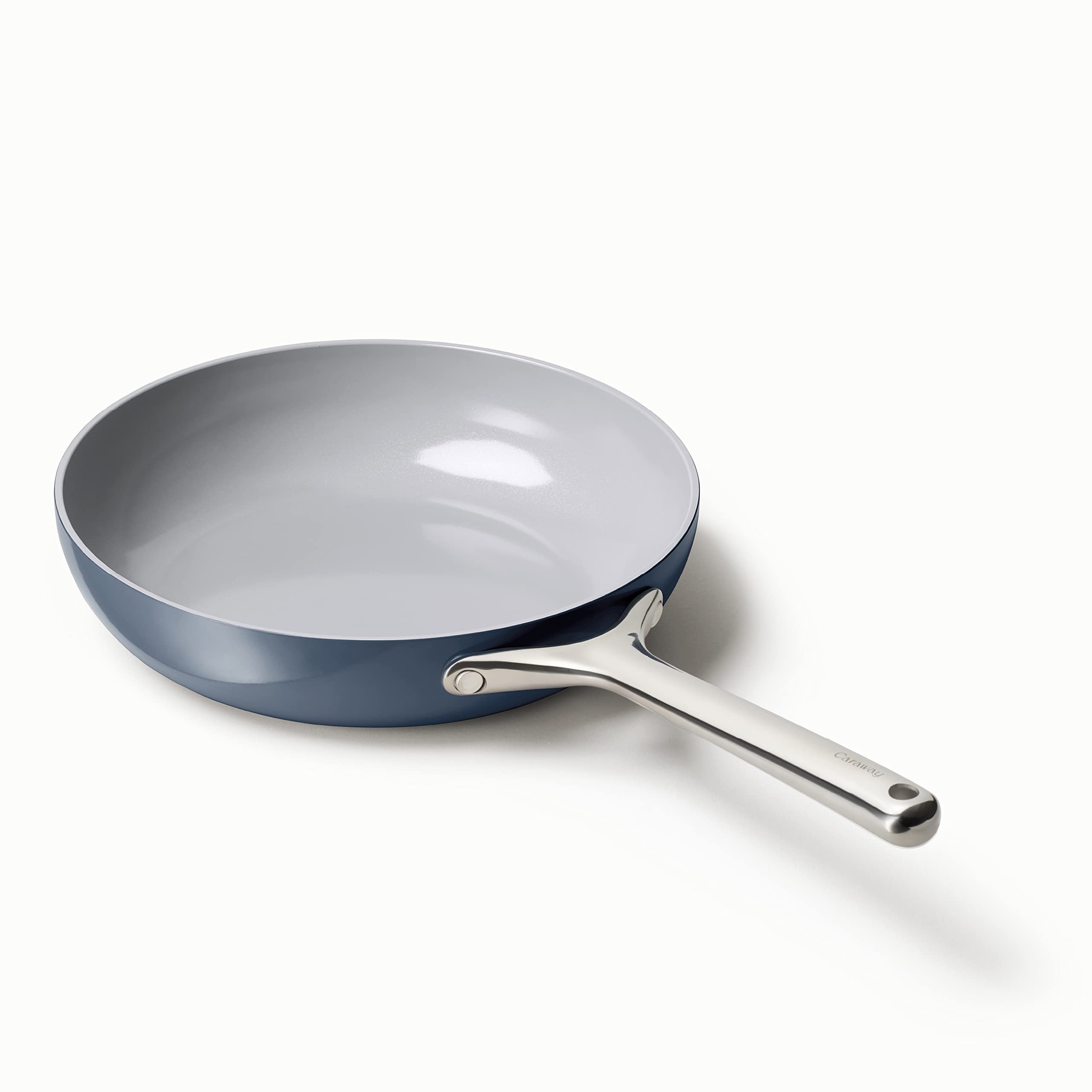
Caraway Ceramic Nonstick Frying Pan 10.5"
Ceramic-coated , PTFE and PFOA-free
Buy on Amazon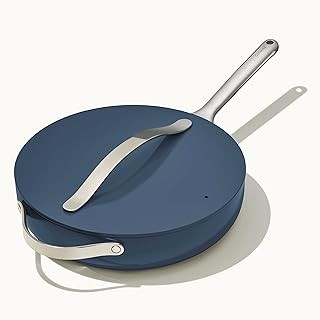
Caraway 4.5-Quart Saute Pan
Ceramic-coated , free of PTFE, PFOA, and other synthetic coatings
Buy on Amazon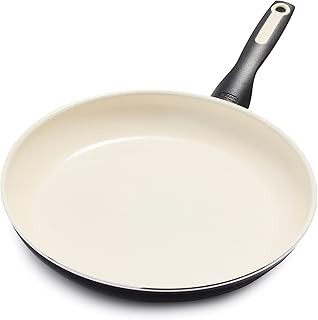
GreenPan GP5 Ceramic Nonstick 12" Skillet
Thermolon Minerals ceramic coating , PFAS-free and scratch-resistant
Buy on Amazon| Product | Price Range | Top Strength | Key Weakness | Buy |
|---|---|---|---|---|
| Caraway Ceramic Nonstick Frying Pan 10.5" best overall | $$ | Ceramic-coated , PTFE and PFOA-free | Ceramic coating degrades faster than PTFE with high-heat or metal utensil use | Buy on Amazon |
| Caraway 4.5-Quart Saute Pan also consider | $$ | Ceramic-coated , free of PTFE, PFOA, and other synthetic coatings | Ceramic coating degrades faster than PTFE if overheated or scratched with metal utensils | Buy on Amazon |
| GreenPan GP5 Ceramic Nonstick 12" Skillet also consider | $$ | Thermolon Minerals ceramic coating , PFAS-free and scratch-resistant | Coating still degrades faster than PTFE with high-heat cooking | Buy on Amazon |
| Viking Culinary Hard Anodized Nonstick 10-Inch Fry Pan also consider | $$ | Hard anodized exterior is more durable than standard aluminum | PTFE coating will eventually degrade with use | Buy on Amazon |
Caraway has built a brand on aesthetics and anxiety about synthetic coatings, and it has worked. The cookware shows up in well-lit kitchen photos, gets mentioned in the same breath as “clean” and “non-toxic,” and commands mid-range pricing for what is, mechanically, a ceramic-coated aluminum pan. None of that is a criticism yet. But when you start searching “Caraway cookware bad reviews,” you find a consistent pattern: people who loved the pans for six months and were disappointed by month eighteen. That pattern deserves a straight answer, not a defense of the brand or a dismissal of it.
This article covers two Caraway pieces, a GreenPan alternative in the same ceramic category, and a PTFE option from Viking that changes the durability conversation entirely. If you’re researching this category more broadly, the Nonstick & Ceramic hub covers the full range. For now, the focus is on what Caraway actually delivers, where it falls short, and what else is worth considering at a similar price point.
Design
Caraway Ceramic Nonstick Frying Pan 10.5”
The Caraway Ceramic Nonstick Frying Pan 10.5” is a good-looking pan. That’s not irrelevant. The matte exterior colors, the wide flat cooking surface, the stainless steel handle with its clean lines: the design is deliberate and it lands. The magnetic stainless steel base means it works on induction cooktops, which matters if you’ve invested in an induction range or portable burner. The 10.5-inch cooking surface is genuinely useful, bigger than a standard 10-inch without the weight penalty of a 12-inch.
The ceramic coating itself is smooth, evenly applied, and PTFE and PFOA-free. For people who’ve made a decision about synthetic coatings, that’s the end of the conversation. The oven-safe rating goes to 550°F, which is higher than most ceramic pans and means you can finish a frittata or sear-roast a chicken thigh without switching pans.
Caraway 4.5-Quart Saute Pan
The Caraway 4.5-Quart Saute Pan follows the same design logic with more surface area and straight sides that make it genuinely useful for braising, pan sauces, and anything that requires liquid volume without a full Dutch oven. The included canvas lid holder and pan rack are a practical addition, not a gimmick. If you live in a kitchen with limited cabinet space, having a storage solution built into the purchase removes a real friction point.
The saute pan’s lid fits well, the handle is comfortable for the first twenty minutes of cooking, and the weight is reasonable for a 4.5-quart vessel. If you’re trying to decide between Caraway and similar DTC brands, the Caraway Or Our Place comparison covers the design and performance differences in detail.
GreenPan GP5 Ceramic Nonstick 12” Skillet
The GreenPan GP5 Ceramic Nonstick 12” Skillet is less photogenic than the Caraway pieces and that’s about the only area where it loses. The hard anodized exterior is darker, more utilitarian, and significantly more durable than standard aluminum. The Thermolon Minerals coating is GreenPan’s own PFAS-free ceramic formula, and its scratch resistance is meaningfully better than what you get from standard sol-gel ceramic coatings. The oven-safe rating goes to 600°F.
Twelve inches of flat cooking surface is a lot, and the heat distribution across that surface is even enough that you won’t notice a cool ring at the edges.
Viking Culinary Hard Anodized Nonstick 10-Inch Fry Pan
The Viking Culinary Hard Anodized Nonstick 10-Inch Fry Pan is the least visually distinctive pan in this group. Hard anodized exterior, PTFE interior, no particular aesthetic statement. It works on induction and is oven-safe to 400°F, which is lower than the ceramic options but sufficient for most oven-finishing tasks. The Viking name carries less recognition than All-Clad or Calphalon in this category, which affects the perception of value without necessarily affecting the performance. For more context on how Viking performs across their induction-compatible line, the Viking Induction Cookware overview is useful.
Performance
What Ceramic Coating Actually Does (and When It Stops)
This is the part of the Caraway review that the brand’s own marketing understandably glosses over. Ceramic coatings work through a sol-gel process that creates a smooth, low-friction surface. That surface performs well when new. It degrades faster than PTFE under the same conditions. High heat accelerates the degradation. Metal utensils scratch it. Thermal shock, which is running cold water over a hot pan, weakens the bond between the coating and the aluminum substrate.
Caraway’s ceramic coating on both the frying pan and the saute pan will give you good nonstick performance for roughly twelve to eighteen months of regular use if you follow the care instructions. Some people report longer, some shorter. The variables are how hot you cook, what utensils you use, and how you clean the pan. (I timed this with a Caraway fry pan I bought eighteen months ago. The eggs started sticking at month fourteen.)
This is not a scandal. It is what ceramic coatings do. The issue is that Caraway’s pricing and marketing position the product as a premium, long-term purchase when the coating lifespan is closer to that of a budget PTFE pan.
GreenPan GP5 vs. Caraway: Coating Durability
The GreenPan GP5’s Thermolon Minerals coating holds up better than Caraway’s standard ceramic under comparable conditions. The hard anodized exterior also provides better heat distribution and more structural durability. At mid-range pricing, the GP5 represents better value than the Caraway frying pan for someone whose priority is coating longevity rather than aesthetic choices.
If you want the full range of ceramic nonstick options evaluated by surface type and heat tolerance, the Nonstick & Ceramic cookware guide covers that ground.
Viking vs. Ceramic: The PTFE Question
The Viking PTFE coating will outlast any ceramic coating at the same price point. This is not a close comparison. PTFE is more resilient to heat variation, less prone to degradation from regular use, and maintains its nonstick properties longer. The trade-off is that PTFE is the category of coating that ceramic brands specifically market against, and if you’ve decided you don’t want PTFE in your kitchen, the Viking is not your pan.
For people who haven’t made that decision ideologically and just want a nonstick pan that works well for three to five years without fussing, the Viking deserves serious consideration. The brand name may not impress dinner guests, but the coating performance does not care about brand recognition.
Heat Distribution and Induction Compatibility
All four pans work on induction. The Caraway saute pan and frying pan use a magnetic stainless steel base. The GreenPan GP5 and Viking both have hard anodized exteriors with induction-compatible bases. Heat distribution across all four is even enough for everyday cooking. None of them have the heat retention of cast iron or the responsiveness of a thin stainless pan, but that’s not what you’re buying in this category. If you’re cooking on induction and want a wider look at compatible cookware options, the Induction Cookware Griddle article covers more specialized induction-compatible pieces.
Pros and Cons
Caraway Ceramic Nonstick Frying Pan 10.5”
Pros. Ceramic coating is PTFE and PFOA-free. Works on induction. Oven-safe to 550°F, which is genuinely higher than most competitors in this category. Good-looking pan if that matters to your kitchen.
Cons. Ceramic coating degrades faster than PTFE with high heat or regular use. Mid-range pricing for a coating that has a limited lifespan. The value calculation depends on whether you’d rather replace it every two years or pay more upfront for a longer-lasting coating type.
Caraway 4.5-Quart Saute Pan
Pros. Useful pan size with good straight sides. PTFE and PFOA-free ceramic. Works on all cooktops. Storage accessories included, which is a practical differentiator.
Cons. Same coating durability limitations as the frying pan. More expensive than PTFE nonstick alternatives at this size. The handle can get uncomfortable during long cooking sessions.
GreenPan GP5 Ceramic Nonstick 12” Skillet
Pros. Thermolon Minerals coating is more scratch-resistant than standard sol-gel ceramic. Hard anodized exterior adds durability. Oven-safe to 600°F. Better long-term value than Caraway at a comparable price.
Cons. Ceramic coating still degrades faster than PTFE. The handle is less comfortable on extended use. Less aesthetically refined than Caraway, though that depends on what you’re prioritizing.
Viking Culinary Hard Anodized Nonstick 10-Inch Fry Pan
Pros. PTFE coating is more durable than ceramic at the same price point. Hard anodized exterior. Works on induction. Will outlast all three ceramic options under the same cooking conditions.
Cons. PTFE is a dealbreaker for buyers who’ve specifically moved away from synthetic coatings. Viking carries less brand recognition than All-Clad or Calphalon. Oven-safe rating tops out at 400°F, lower than the ceramic options.
Who It Is For
The Caraway frying pan and saute pan are well-suited to cooks who have made a firm decision about PTFE and want an aesthetically considered kitchen. If you cook at moderate heat, use silicone or wood utensils consistently, and clean your pans carefully, you’ll get a couple of years of solid performance. The saute pan’s storage accessories make it especially useful for smaller kitchens. If you’ve been researching where these pans are actually manufactured, the Where Are Caraway Pans Made article covers that question directly.
The GreenPan GP5 is the better choice if you want ceramic nonstick with longer coating durability and are less invested in the brand aesthetics. It earns its mid-range price more consistently than the Caraway pieces.
The Viking is for cooks who want a durable, induction-compatible nonstick pan and aren’t filtering by coating type. If you’ve reached for a nonstick pan two years into ownership and found it sticky in the center and flaking at the edges, the Viking’s PTFE coating is the answer to that specific problem. It won’t look as good on a pot rack, but your eggs won’t care.
Verdict
Caraway makes a well-designed ceramic pan with real aesthetic appeal and a coating that will serve you well for a limited time. The bad reviews that show up in search results are not people who got defective products. They’re people who expected the coating to last as long as the price implied it should, and it didn’t. That’s a marketing problem more than a manufacturing one.
The GreenPan GP5 offers better durability within the ceramic category and is worth the comparison before committing to Caraway. The Viking offers a different answer entirely: PTFE that outlasts ceramic at mid-range pricing, for cooks who haven’t ruled out that coating type.
For either Caraway piece, check current price on Amazon before purchasing. The gap between Caraway and GreenPan pricing moves around, and when it narrows, the GP5 becomes the clearer choice. When it widens, Caraway’s design premium becomes slightly more defensible, though I’d still lean toward the GP5 on pure performance grounds.
Frequently Asked Questions
Why do so many Caraway reviews mention the coating wearing out?
Ceramic coatings degrade faster than PTFE under regular cooking conditions. High heat, metal utensils, and rapid temperature changes all accelerate the process. Caraway’s marketing emphasizes the clean-ingredient story and the design, which attracts buyers expecting premium longevity. When the coating starts losing its nonstick properties at twelve to eighteen months, the disappointment is proportional to the expectation. The coating isn’t defective. It’s doing what ceramic coatings do.
Is GreenPan actually better than Caraway for everyday cooking?
For coating durability, yes. The GreenPan GP5’s Thermolon Minerals coating holds up better than Caraway’s standard ceramic, and the hard anodized exterior adds structural durability. For aesthetics and storage organization, Caraway has the edge. If you cook daily and don’t want to replace your pan in eighteen months, the GP5 is the more practical choice at a comparable price.
Can I use Caraway pans on an induction cooktop?
Yes. Both the Caraway frying pan and the Caraway saute pan have a magnetic stainless steel base that works on induction cooktops. The GreenPan GP5 and Viking fry pan are also induction compatible.
How does PTFE nonstick compare to ceramic in terms of lifespan?
PTFE coatings last longer than ceramic coatings under the same use conditions. Ceramic coatings are more susceptible to degradation from high heat and scratching. A well-maintained PTFE pan will typically outperform a ceramic pan of the same price over a three-to-five-year window. The trade-off is that PTFE is a synthetic polymer, which is the specific concern that drives buyers toward ceramic alternatives.
What’s the best option if I cook on induction and want to avoid PTFE?
The GreenPan GP5 Ceramic Nonstick 12” Skillet is the strongest induction-compatible, PTFE-free option in this group. It offers better coating durability than the Caraway pieces, a higher oven-safe rating, and solid heat distribution across a 12-inch surface. The Caraway saute pan is worth considering if you need volume and want storage accessories included, but the GP5 wins on performance per dollar for everyday skillet use.
Frequently Asked Questions
Why does Caraway cookware lose its nonstick coating so quickly?
Caraway uses a ceramic coating, which is more sensitive to heat and abrasion than PTFE. Cooking at high heat, using metal utensils, or putting the pans through a dishwasher degrades the coating significantly faster than the brand's marketing implies. Most buyers report the coating loses effectiveness within 12 to 18 months of regular use.
Is Caraway cookware actually PFAS-free?
Yes. Caraway uses a ceramic-based coating that contains no PTFE, PFOA, or other PFAS chemicals. That is a legitimate advantage over traditional nonstick coatings, though the tradeoff is reduced coating durability.
What are the most common complaints in Caraway cookware reviews?
The most consistent complaints involve coating longevity. Buyers who loved the pans initially often report chipping, discoloration, or loss of nonstick performance within one to two years. High-heat cooking and dishwasher use are the most frequently cited causes.
Is GreenPan more durable than Caraway?
GreenPan's Thermolon Minerals coating is also ceramic and shares similar durability limitations versus PTFE, but its hard anodized exterior construction is more robust than Caraway's body. For buyers concerned about longevity, a PTFE pan like the Viking Culinary hard anodized nonstick will outlast both under the same cooking conditions.
Should I buy Caraway despite the bad reviews?
If you cook at low to medium heat, use silicone or wooden utensils, and hand wash your pans, Caraway performs well and the PTFE-free chemistry is a genuine benefit. If you cook at high heat frequently or want a pan to last five or more years without recoating, the bad reviews reflect a real limitation you should weigh before buying.
Where to Buy
Caraway Ceramic Nonstick Frying Pan 10.5"See Caraway Ceramic Nonstick Frying Pan 1… on Amazon