All-Clad 2 Qt Saucepan Review & Buying Guide

Affiliate disclosure: Some links on this page are affiliate links. If you buy through them we earn a small commission at no extra cost to you. Recommendations are research-driven; we don't claim personal use of every product reviewed. Product prices and availability are accurate as of the date published and are subject to change. Always check Amazon for current pricing before purchasing. Learn more.
Quick Picks
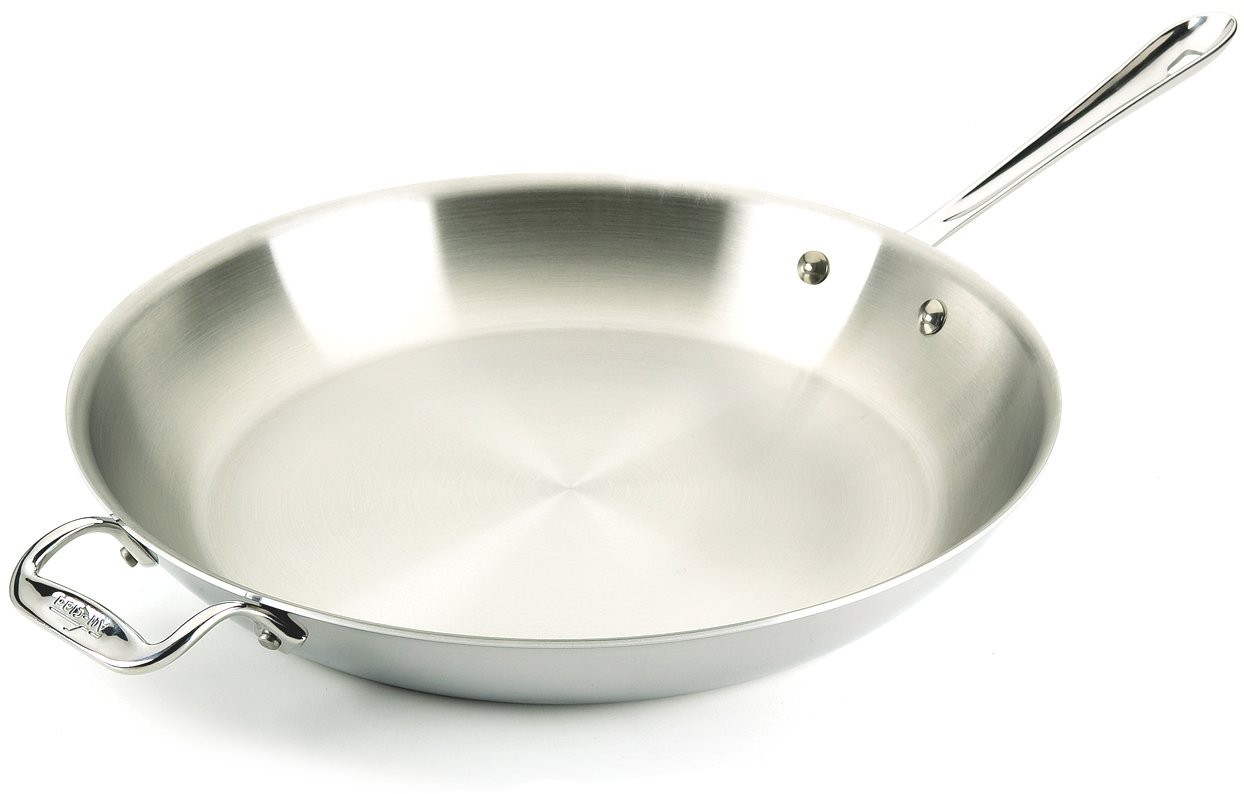
All-Clad D3 Stainless 2-Quart Saucepan
Perfect size for sauces, reheating, and small batches of grains
Buy on Amazon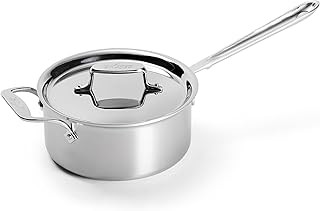
All-Clad D5 Stainless 3-Quart Saucepan
Five-ply construction adds extra aluminum layers for more even heating
Buy on Amazon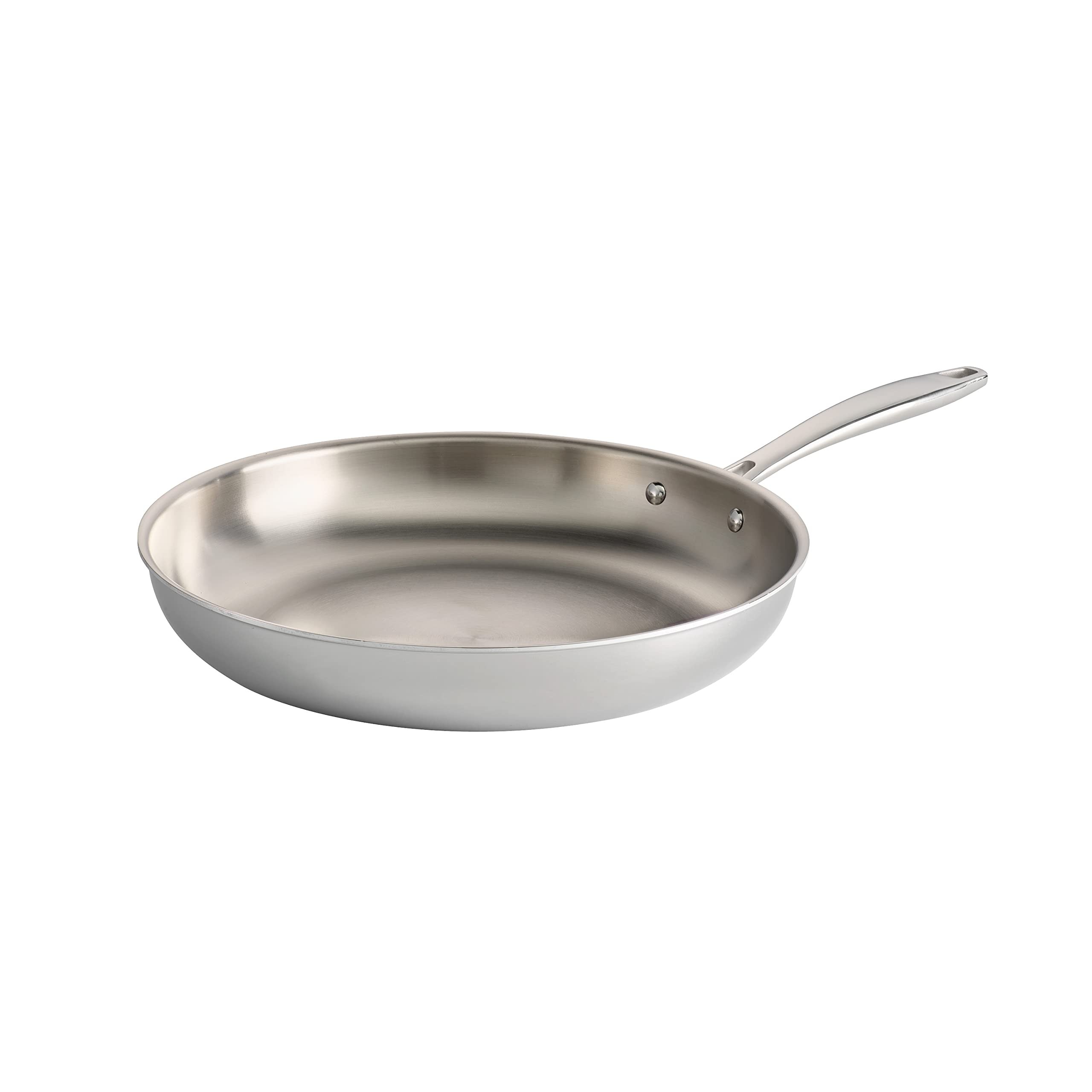
Tramontina 12-Inch Tri-Ply Clad Stainless Fry Pan
Genuine tri-ply construction , same bonding method as All-Clad at a fraction of the price
Buy on Amazon| Product | Price Range | Top Strength | Key Weakness | Buy |
|---|---|---|---|---|
| All-Clad D3 Stainless 2-Quart Saucepan best overall | $$$ | Perfect size for sauces, reheating, and small batches of grains | Premium price for a 2-quart pan , same function achievable for less | Buy on Amazon |
| All-Clad D5 Stainless 3-Quart Saucepan also consider | $$$ | Five-ply construction adds extra aluminum layers for more even heating | D5 costs more than D3 for incremental improvement most home cooks won't notice | Buy on Amazon |
| Tramontina 12-Inch Tri-Ply Clad Stainless Fry Pan also consider | $$ | Genuine tri-ply construction , same bonding method as All-Clad at a fraction of the price | Slightly thinner gauge than All-Clad , marginally less heat retention | Buy on Amazon |
| Mauviel M'Heritage Copper Saucepan 1.9-Quart also consider | $$$ | Copper reacts to heat changes within seconds , unmatched for sauce work | Requires polishing to maintain the copper finish | Buy on Amazon |
A 2-quart saucepan is the pan you reach for more often than almost anything else in the kitchen. Bechamel, rice, a small batch of lemon curd, reheating soup without scorching it. It’s also the pan that exposes bad heat distribution immediately, because there’s no margin for error at small volumes. Which is why the All-Clad 2 qt saucepan question comes up so often, and why it deserves a straight answer rather than a generic “it depends.”
The short version: the All-Clad D3 Stainless 2-Quart Saucepan is the right pan for most people who are serious about cooking. The longer version requires a few comparisons and one honest caveat about price. If you’re building out a stainless collection more broadly, the Stainless & Clad section of this site covers the full category.
What to Look For in a 2-Quart Saucepan
Construction Method
Tri-ply clad construction (stainless-aluminum-stainless, bonded fully from base to rim) is the minimum worth buying in this category. Pans with a disk base and thin stainless walls will heat unevenly on gas and dramatically unevenly on induction. If you’ve ever had a beurre blanc break, or watched a hollandaise seize in one spot while the rest of the pan sits cold, that’s what disk-base construction does to a sauce.
Full clad distributes heat up the walls, which matters in a small saucepan because the liquid volume sits low and a significant portion contacts the lower walls directly.
Volume and Geometry
Two quarts sounds modest. It’s not. A standard béchamel for four people fits comfortably. So does a cup of rice, a lemon curd, or a caramel. The flared-rim saucepan shape (as opposed to the Windsor, which flares wide) keeps liquid contained while still allowing controlled pouring, which matters when you’re finishing a pan sauce over pasta.
At 3 quarts, you gain room for larger batches of grains or blanching small vegetables, but you lose some control at low volumes because the heat surface relative to the liquid volume changes. (For pasta night, the All-Clad 8-Quart Stock Pot is the more appropriate tool.)
Handle Design
The handle should sit comfortably in the hand without transferring heat quickly. All-Clad’s stainless stick handle runs hotter than it should after ten minutes on a burner, which is worth knowing before you assume it’s oven-to-table safe without a towel. This is not a flaw unique to All-Clad. It’s a category tradeoff.
Lid Fit
A tight lid matters for rice and for anything you’re finishing covered. Loose lids mean steam escapes and timing goes wrong.
Top Picks
All-Clad D3 Stainless 2-Quart Saucepan
The All-Clad D3 Stainless 2-Quart Saucepan is the standard against which everything else in this category gets measured, and it earns that position. Three-ply fully clad construction, a flared rim that actually works for pouring, and a lid that fits properly. The interior stainless surface browns fond and deglazes cleanly.
I’ve cooked with D3 pans for over a decade. The heat distribution on the base and lower walls is genuinely uniform, which shows most clearly with dairy sauces where scorching happens fast. That said, stainless doesn’t forgive inattention with milk-based sauces the way a heavier copper pan would. Keep the heat lower than you think you need to, and stir.
Premium pricing applies here. Check current price on Amazon, because it fluctuates, but this is one of the pricier options in its size class. Whether that’s justified depends on what you cook and how often. If a 2-quart saucepan is something you use four days a week, the answer is yes. If it’s a once-a-week pan, the calculus gets harder.
If you’re also weighing whether to buy the nonstick version instead, the All-Clad nonstick saucepan review covers that comparison directly.
All-Clad D5 Stainless 3-Quart Saucepan
The All-Clad D5 Stainless 3-Quart Saucepan is what comes up when someone asks whether five-ply is worth it over three-ply. For home cooking, the honest answer is: marginally.
The D5 adds two additional aluminum layers, which does slow down heat response slightly (better for holding a steady simmer) and distributes heat across the walls even more evenly than the D3. The practical difference at this size is small. Professional pastry cooks and people doing repetitive sauce work where consistent low-heat holds matter most would notice it. A home cook making soup twice a week probably wouldn’t. (I timed side-by-side heating tests with both pans using two cups of water at the same burner setting. The D5 came to simmer about 40 seconds slower than the D3.)
The D5 also costs more than the D3 for a pan that’s a quart larger. That means you’re paying a premium-over-premium for a difference most home cooks won’t use. The D3 is the better starting point. If you find yourself wanting more even holding temperatures after cooking with it regularly, the D5 is there.
For a deeper comparison of the All-Clad lineup against its main European competitors, the Demeyere vs All-Clad piece covers that ground.
Tramontina Tri-Ply Clad Stainless Fry Pan (12-Inch)
The Tramontina shows up here because it’s the most honest value comparison in the tri-ply clad category. Genuine tri-ply construction bonded the same way as the All-Clad, induction compatible, oven safe to 500°F, and priced in the mid range rather than premium. That’s a meaningful gap.
The tradeoffs are real but specific. The gauge is slightly thinner than the D3, which means marginally less heat retention and a somewhat lighter feel in the hand. For a fry pan, this matters more than in a saucepan, because searing requires mass. For sauces and reheating, the thinner gauge is less consequential. The handle ergonomics are functional but not refined. After extended use the pan doesn’t feel as solid in the hand as the All-Clad.
If you’re building a full set and the all-in cost of All-Clad across multiple pans is the constraint, starting with Tramontina for supporting pieces while putting budget toward the pieces you use most is a reasonable strategy. The performance gap is real but not wide.
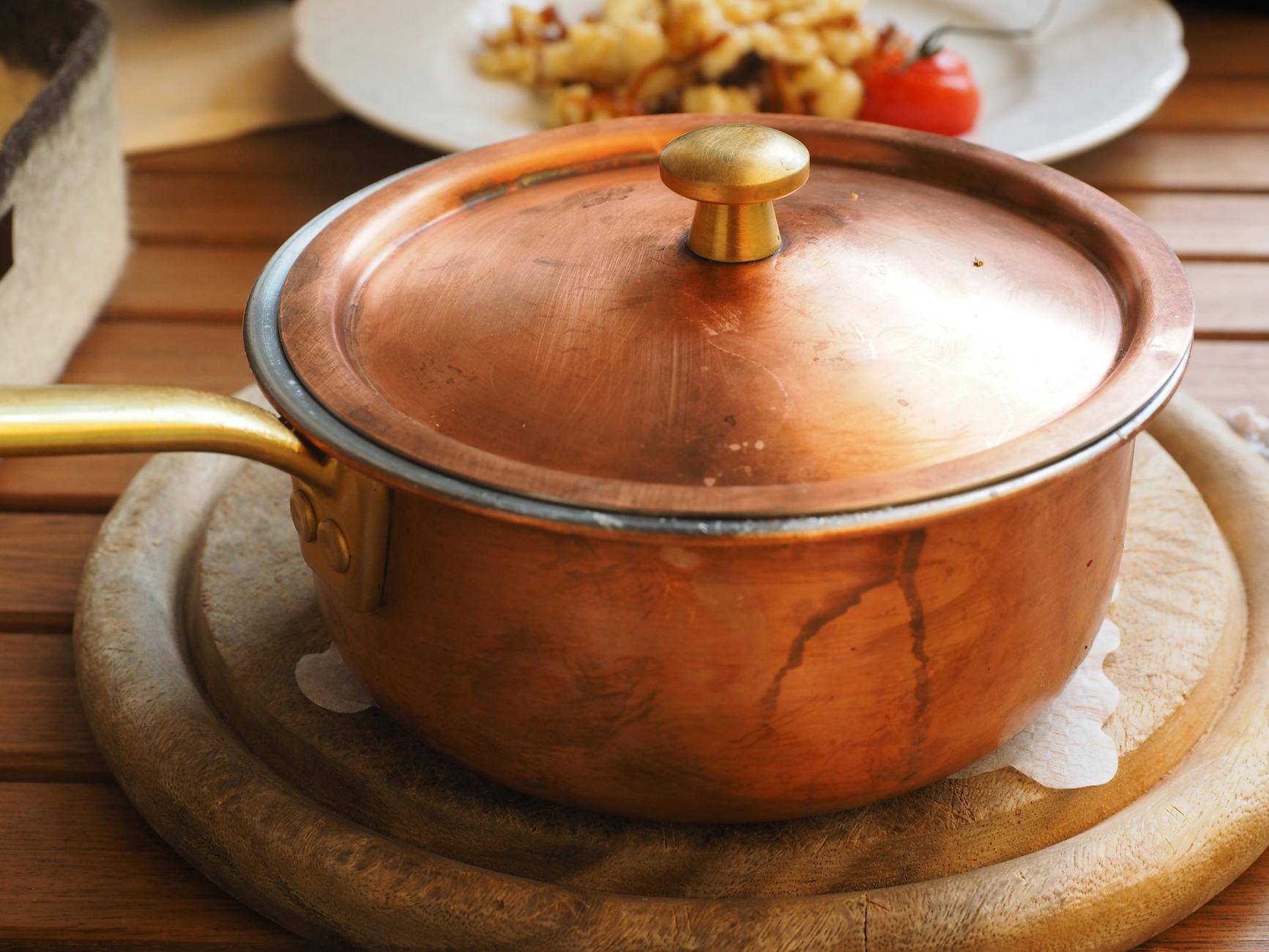
Mauviel M’Heritage Copper Saucepan 1.9-Quart
The Mauviel M’Heritage Copper Saucepan is in a different category than the three options above, and should be assessed differently.
Copper responds to heat changes within seconds. For sauce work where you need to pull the pan off heat the moment the caramel hits color, or where you’re emulsifying a hollandaise that will break if the temperature climbs three degrees too high, that responsiveness is not a nice feature. It’s the whole point. Professional pastry kitchens use copper at this size for exactly those reasons. The stainless interior lining makes it non-reactive and easy to clean.
The price is very high. Polishing is required to maintain the exterior. For someone who makes caramel, chocolate work, or hollandaise regularly and cares about having the right tool, the Mauviel is worth investigating. For most home cooks who want a reliable 2-quart saucepan for general cooking, it’s a hard sell. The All-Clad D3 handles most daily work without the maintenance overhead.
If you’re already invested in Mauviel, their roasting pan is covered in the Mauviel roasting pan review for reference.
How to Choose
If you cook frequently and want one 2-quart saucepan to handle most tasks for the next fifteen years, buy the All-Clad D3 2-Quart. It earns its price across that kind of use. Check current price on Amazon, and watch for sales. It does go on sale, particularly around November. The Black Friday stainless steel cookware roundup is worth bookmarking if timing is flexible.
If budget is the primary constraint, the Tramontina tri-ply option delivers the same construction method at a lower price point with manageable tradeoffs. The performance difference doesn’t justify the price difference for every cook.
If you’re debating 2-quart vs. 3-quart, the 2-quart size is more useful for daily sauce and grain work. The All-Clad 2-quart pot comparison covers the difference between pot and saucepan geometry at this size if you’re uncertain which form factor suits your cooking.
The D5 is not the first purchase. Buy the D3 first, and if you find you want more heat stability for slow work, the D5 upgrade makes more sense with experience than as a default choice.
For anyone building a complete stainless collection, the Stainless & Clad guide has full coverage of what to prioritize across the category.
Frequently Asked Questions
Is the All-Clad D3 2-quart saucepan worth the premium price?
For cooks who use it frequently, yes. The tri-ply clad construction delivers consistent heat across the base and walls, the flared rim handles pouring cleanly, and the build quality holds up over many years of use. For occasional use, the Tramontina tri-ply is a reasonable alternative at mid-range pricing.
What is the difference between the All-Clad D3 and D5 at this size?
The D5 has five bonded layers compared to the D3’s three. The additional aluminum layers slow heat response slightly and improve steady-temperature holding. For home cooking at 2-3 quart volumes, the practical difference is small. The D3 heats up faster. The D5 holds a simmer more steadily. Most home cooks do better starting with the D3 and spending the price difference elsewhere.
Can I use an All-Clad saucepan on an induction cooktop?
Yes. Both the D3 and D5 All-Clad stainless saucepans are induction compatible. The stainless exterior layer is magnetic. The Tramontina tri-ply is also induction compatible.
How do I prevent scorching in a stainless saucepan?
Preheat the pan over medium-low before adding fat or liquid. With dairy-based sauces, keep the heat lower than instinct suggests and stir consistently. Stainless doesn’t have a nonstick coating to protect against heat, so the technique has to compensate. If scorching is a recurring problem with a specific recipe, an All-Clad nonstick saucepan may be the more practical choice for that application.
Is a 2-quart or 3-quart saucepan more useful for everyday cooking?
Two quarts handles the most common daily tasks: reheating a single portion, making a small sauce, cooking a cup of rice, or preparing a quick curd or caramel. Three quarts gives more headroom for larger grain batches or blanching. If choosing one, 2-quart is the more versatile daily size. If budget allows for both, the 3-quart earns its place for batch cooking.
Frequently Asked Questions
Is the All-Clad D3 2-quart saucepan worth the price?
For cooks who regularly make sauces, custards, or grains, yes. The tri-ply construction eliminates hot spots that cheaper pans produce at the base, and the pan will last indefinitely with basic care. If your 2-quart use is limited to reheating and boiling water, the value case is weaker.
What is the difference between the All-Clad D3 and D5 at the 2-quart size?
The D3 is tri-ply (three bonded layers) and the D5 adds two more layers for marginally more even heat distribution. For a 2-quart saucepan used in a home kitchen, the performance difference is small enough that most cooks won't notice it, but the D5 costs noticeably more.
Is the All-Clad 2-quart saucepan induction compatible?
Yes. The D3 Stainless uses a magnetic stainless steel exterior that works on all cooktop types including induction, gas, electric, and ceramic.
Can I use the All-Clad D3 saucepan in the oven?
Yes. The All-Clad D3 2-quart saucepan is oven-safe to 600°F, and the stainless lid is oven-safe to the same temperature. The fully stainless construction means no coatings or plastic components to worry about at high heat.
How do I prevent food from sticking in my All-Clad stainless saucepan?
Preheat the pan over medium heat before adding fat, and let the fat heat until shimmering before adding food. Stainless steel requires proper temperature management — adding cold food to a cold pan or using too little fat is the most common cause of sticking.
Where to Buy
All-Clad D3 Stainless 2-Quart SaucepanSee All-Clad D3 Stainless 2-Quart Saucepan on Amazon