All-Clad 8 Quart Stock Pot Review & Buying Guide

Affiliate disclosure: Some links on this page are affiliate links. If you buy through them we earn a small commission at no extra cost to you. Recommendations are research-driven; we don't claim personal use of every product reviewed. Product prices and availability are accurate as of the date published and are subject to change. Always check Amazon for current pricing before purchasing. Learn more.
Quick Picks
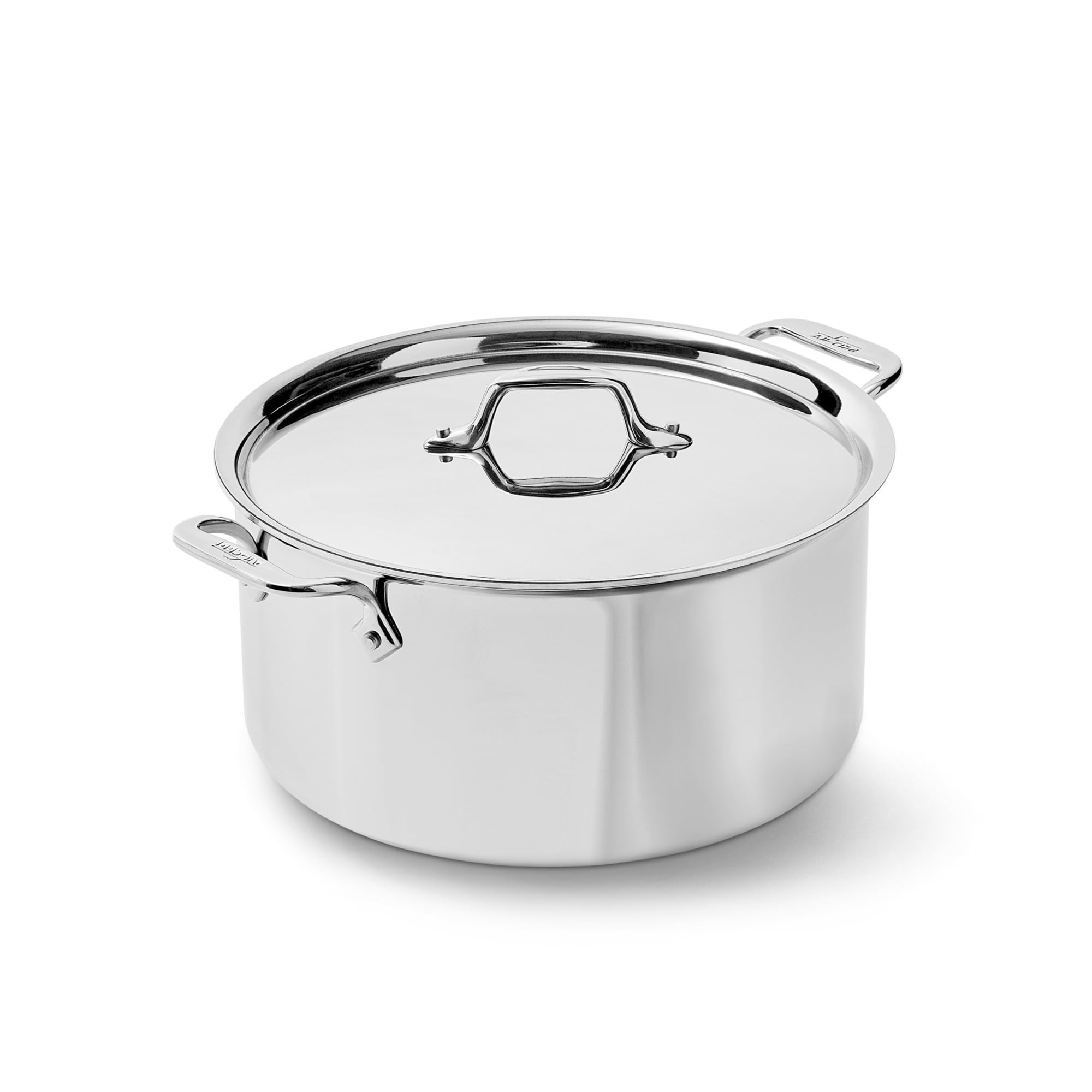
All-Clad D3 Stainless 8-Quart Stock Pot
Tall, narrow shape minimizes evaporation for long stocks and braises
Buy on Amazon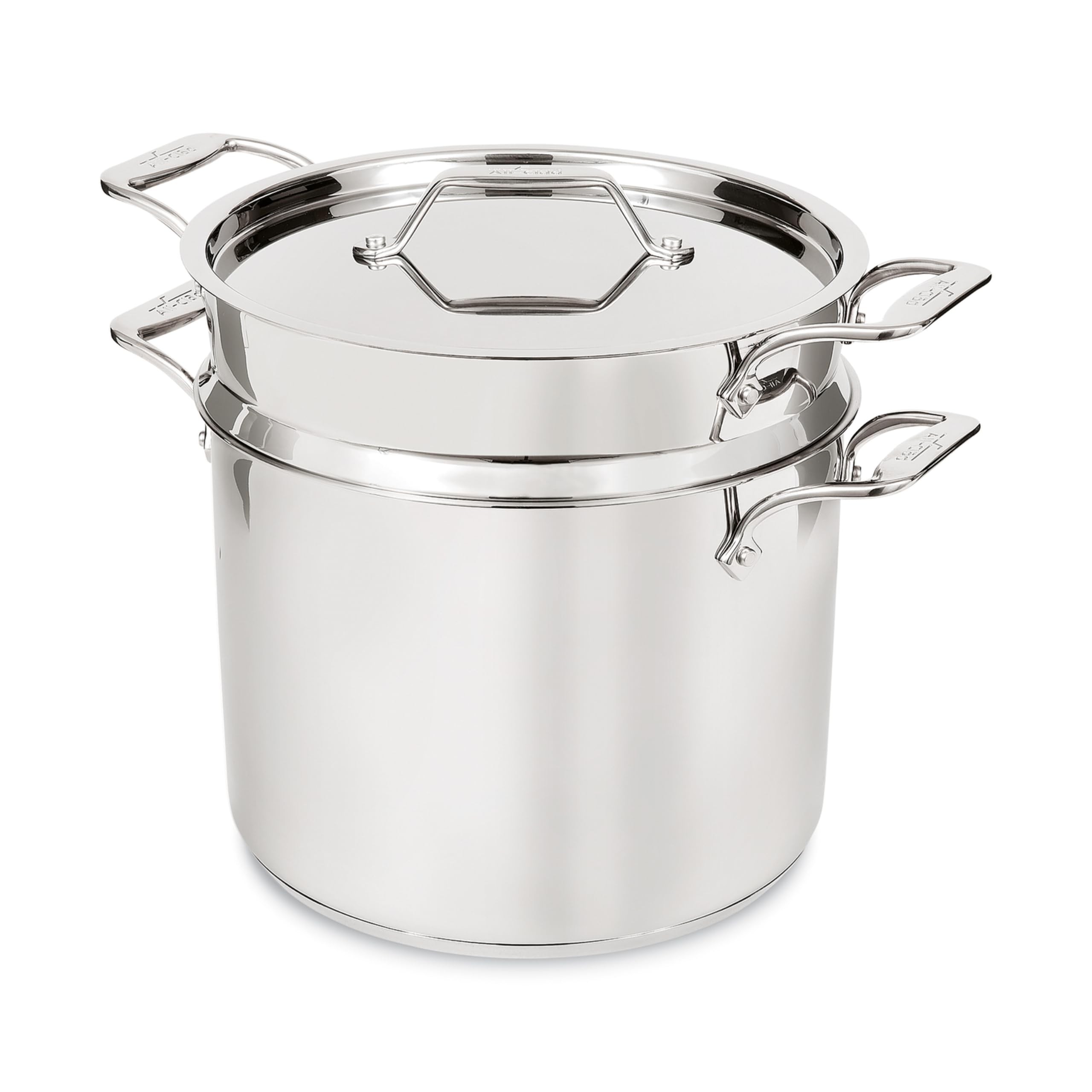
All-Clad D3 Stainless 12-Quart Stock Pot
Large enough for a full turkey carcass or a 10-pound lobster
Buy on Amazon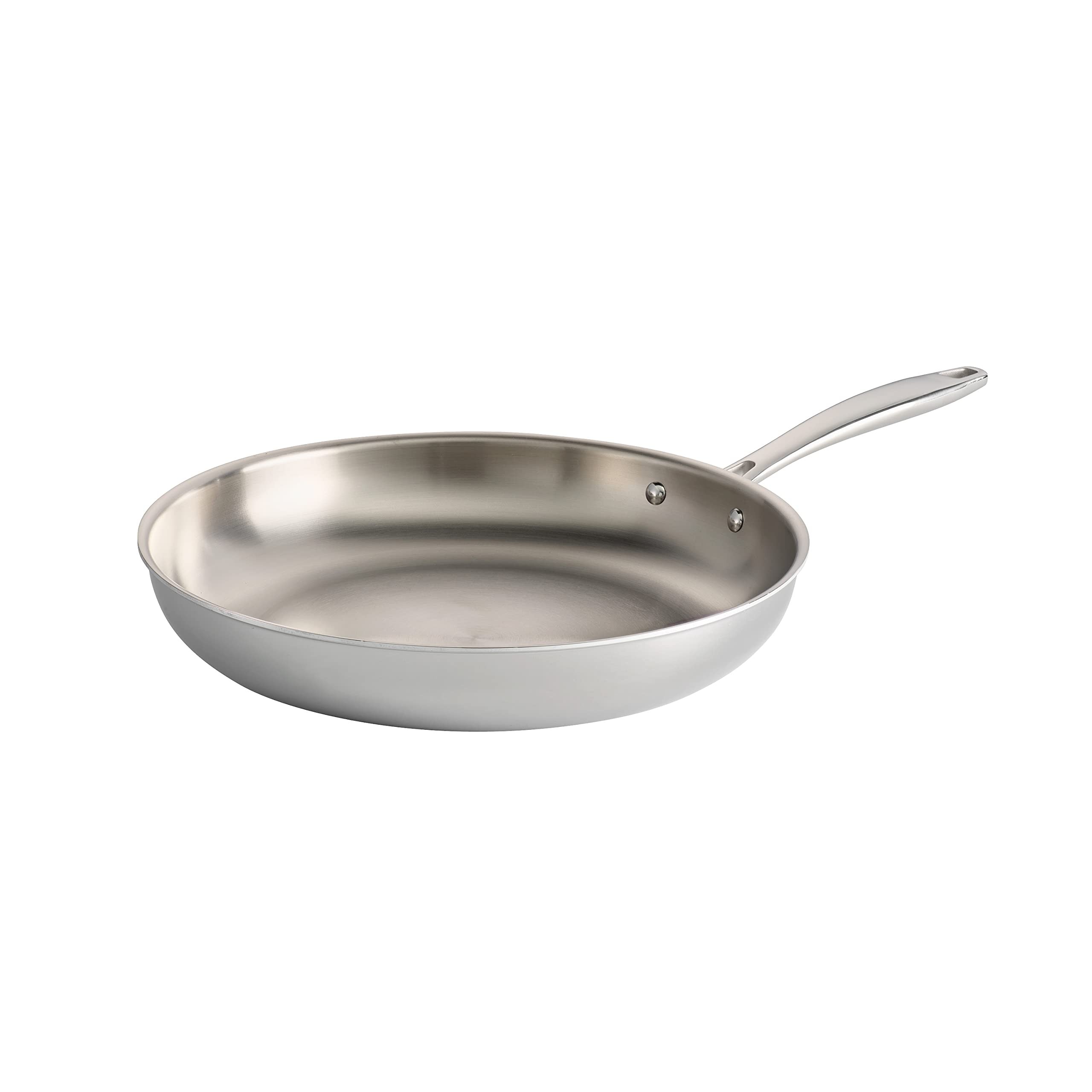
Tramontina 12-Inch Tri-Ply Clad Stainless Fry Pan
Genuine tri-ply construction , same bonding method as All-Clad at a fraction of the price
Buy on Amazon| Product | Price Range | Top Strength | Key Weakness | Buy |
|---|---|---|---|---|
| All-Clad D3 Stainless 8-Quart Stock Pot best overall | $$$ | Tall, narrow shape minimizes evaporation for long stocks and braises | Very expensive for a stockpot , function nearly identical to thin-wall alternatives | Buy on Amazon |
| All-Clad D3 Stainless 12-Quart Stock Pot also consider | $$$ | Large enough for a full turkey carcass or a 10-pound lobster | Extremely expensive for the category , large stockpots need even heat less than smaller pans | Buy on Amazon |
| Tramontina 12-Inch Tri-Ply Clad Stainless Fry Pan also consider | $$ | Genuine tri-ply construction , same bonding method as All-Clad at a fraction of the price | Slightly thinner gauge than All-Clad , marginally less heat retention | Buy on Amazon |
| Demeyere Industry 11-Inch Skillet also consider | $$$ | 5-ply TriplInduc base optimized specifically for induction cooktops | One of the most expensive stainless skillets available | Buy on Amazon |
| Calphalon Premier Stainless Steel Cookware Set 8-Piece also consider | $$ | Multi-layer stainless construction heats evenly without hot spots | Multi-layer construction not as refined as true tri-ply clad | Buy on Amazon |
A good stock pot is not glamorous cookware. It sits in the cabinet most of the year, comes out for Thanksgiving stock and summer lobster and the occasional Sunday braise, and gets put back without much ceremony. Which is exactly why people get it wrong. They either spend nothing on a thin-walled aluminum pot that scorches every time they turn their back, or they spend a lot on a name without thinking through whether the construction actually matters at this size and use case.
If you’ve landed here looking specifically at the All-Clad D3 Stainless 8-Quart Stock Pot, you’re asking a reasonable question: does premium clad construction justify the price in a pot primarily used for boiling and simmering? The honest answer is: sometimes yes, sometimes no, and it depends almost entirely on what you’re cooking. I’ll give you a straight answer by the end of this.
For context on how this pot fits into the broader clad stainless landscape, the Stainless & Clad hub covers construction differences across the category if you want the longer view before committing.
What to Look For in an 8-Quart Stock Pot
Construction: When Tri-Ply Actually Matters
The standard argument against spending premium money on a stockpot goes like this: stocks and soups are water-based, water distributes heat, so uneven heating is irrelevant. A cheap aluminum pot with a thick disc base works fine.
That argument is mostly correct for simple boiling. It breaks down in two situations.
First, when you’re reducing. A long chicken stock that starts at eight quarts and needs to come down to two quarts requires sustained medium-low heat over several hours. A thin-walled pot with a disc base (think the Cuisinart MultiClad Pro, which uses a disc rather than full clad sides) will develop hot spots at the base perimeter where the disc meets the thin sidewall. You’ll get scorching on the bottom edge before the reduction is done.
Second, when you’re building a fond before adding liquid. If you’re making a proper beef stock, you’re browning bones and aromatics in the same pot before deglazing. That step requires even searing heat across the entire base, which is where full tri-ply clad like the D3 earns its keep.
Size and Shape
Eight quarts handles a whole chicken carcass with room for aromatics, a standard lobster (though barely), and most vegetable or fish stocks. For a turkey carcass or a large shellfish stock, you want twelve.
The All-Clad D3’s taller, narrower profile relative to competitors like the Demeyere Atlantis 8-qt is deliberate. Less surface area means slower evaporation. For a six-hour stock, that matters.
Weight
A full 8-quart pot with stock weighs somewhere around eighteen to twenty pounds. The All-Clad D3 Stainless 8-Quart Stock Pot is not a light pot empty, and the tri-ply construction adds to the base weight. If you’re moving pots on and off a burner regularly, that’s worth acknowledging. (I’ve watched people burn themselves straining stock into a colander while managing a pot they couldn’t comfortably handle. Buy the size you can actually lift.)
Top Picks
Best Overall: All-Clad D3 Stainless 8-Quart Stock Pot
This is my primary recommendation for a home cook who makes stock or braised dishes more than a few times a year. The tri-ply construction runs the full height of the sidewalls, which is the meaningful difference between the D3 and disc-base competitors. The tall, narrow shape does real work during long reductions. The lid fits tightly enough to hold a low simmer without constant adjustment.
At premium pricing, it is expensive for a stockpot. I’m not going to pretend otherwise. But this is a piece of cookware you buy once. All-Clad’s lifetime warranty is real and has been honored by people I know. Check current price on Amazon.
The fit and finish on the handles is worth mentioning. Two riveted handles, sized to hold with kitchen towels or oven mitts without the pot slipping. It sounds minor until you’re draining eight quarts of stock through a cheesecloth at 10pm.
Best for Large-Batch Cooking: All-Clad D3 Stainless 12-Quart Stock Pot
The All-Clad D3 Stainless 12-Quart Stock Pot is where I need to be direct about the tri-ply question at scale. A twelve-quart pot filled with turkey stock or a shellfish broth has so much liquid that the thermal mass of the water itself does most of the even-heating work. The argument for full clad construction is meaningfully weaker here than it is at eight quarts.
So why still recommend it? Because of what you do at the beginning and end of the process. If you’re making proper roasted turkey stock, you want to reduce the finished stock aggressively, often by half. At that stage, the full clad construction earns its place. And the pot’s weight and build quality mean it handles high heat on a commercial-style range without warping, which cheaper large stockpots do over time.
The steamer insert configuration is worth checking when you order. Some configurations include it, some don’t, and it adds utility for shellfish preparation. Check current price on Amazon before assuming which version you’re getting.
This is expensive for a twelve-quart stockpot. More expensive, proportionally, than most competing products at this size. If you are making large-batch stock primarily for freezing and you do not reduce aggressively or sear in the pot, the Tramontina 12-Inch Tri-Ply Clad Stainless Fry Pan isn’t a direct alternative here (it’s a skillet, not a stock pot), but the Tramontina Gourmet 16-quart aluminum stockpot family is worth your time at that price point.
Best Mid-Range Upgrade: Calphalon Premier Stainless Steel Cookware Set 8-Piece
If you’re upgrading from a thin nonstick set and you’re not ready for All-Clad pricing across an entire kit, the Calphalon Premier Stainless Steel Cookware Set 8-Piece is a reasonable middle path. The multi-layer stainless construction handles most home cooking tasks without the scorching problems of cheap disc-base pots.
Two honest limitations. The multi-layer construction is not full clad in the same way as the D3, meaning heat distribution at the sidewalls is less consistent. And the tempered glass lids, while useful for monitoring without lifting, will chip if you’re not careful. I’ve replaced glass lids on less careful days. (Which I realize is a specific complaint, but broken glass in a kitchen is not a minor inconvenience.)
Oven-safe to 450°F, dishwasher safe, induction compatible. Good for a first serious upgrade. Check current price on Amazon.
Best for Induction: Demeyere Industry 11-Inch Skillet
The Demeyere Industry 11-Inch Skillet is not a stock pot and I’m not pretending it is. But if you’re buying stainless cookware for an induction cooktop, the Demeyere construction philosophy is different enough from All-Clad’s that it warrants direct attention.
Demeyere’s TriplInduc base is optimized specifically for induction energy transfer in a way that All-Clad’s D3 is not. For induction users who want a detailed head-to-head, the Demeyere vs All-Clad comparison on this site covers the build differences thoroughly. The short version: if induction is your primary cooking method and you prioritize searing performance, Demeyere at premium pricing competes seriously with All-Clad at the same tier. The handle on the Industry line stays cooler longer than the D3 equivalents, which matters if you cook without silicone grips.
How to Choose
You cook stock seriously, two or more times a month
Buy the All-Clad D3 Stainless 8-Quart Stock Pot. The construction will matter to you over time. The lifetime warranty means you’re done buying stock pots.
You occasionally make large-batch stock for the freezer
The 12-quart D3 is worth it if you reduce your stock aggressively or use the pot for braising applications. If you are boiling water for pasta and lobster and making simple stock without reduction, a less expensive aluminum stock pot with a disc base will serve you adequately. Be honest with yourself about which one you are.
You’re building out a full stainless set for the first time
Start with the Calphalon Premier set at mid-range pricing. Cook with it for six months. You will learn what you actually reach for and what gaps you need to fill. Buying a premium 12-piece set before you know your own cooking habits is how you end up with four pans you never use. My advice would be to under-buy and add pieces deliberately rather than commit to a full set before you know what you actually need.
You cook on induction
Read the Demeyere vs All-Clad piece before deciding. Induction changes the calculus on construction meaningfully.
For buyers watching pricing on All-Clad specifically, the Black Friday stainless steel cookware deals page is where All-Clad pricing moves most in any given year. Premium pricing becomes considerably more defensible when you’re buying at a discount.
If you’re equipping the full stainless kitchen, the Stainless & Clad hub covers pans, saucepans, and roasters alongside stock pots, so you’re not making isolated decisions. The best cooking utensils for stainless steel cookware piece is also worth reading before you start cooking in any new clad pan, since technique with stainless is different enough from nonstick that the pan often gets blamed for user error.
Frequently Asked Questions
Is tri-ply construction worth the extra cost in a stock pot?
For simple boiling tasks, probably not. For long stock reductions and for pots used to build fond before adding liquid, yes. The case for full clad sidewalls is strongest in the 6-to-10 quart range where you’re both searing and simmering in the same vessel. At 12 quarts, the argument is weaker unless you’re reducing aggressively.
How does the All-Clad D3 8-quart compare to the Cuisinart MultiClad Pro?
The Cuisinart MultiClad Pro uses a disc base bonded to a thin stainless sidewall, rather than full tri-ply clad construction throughout. For most stock-making tasks, the practical difference is small. Where it shows up is at the base perimeter during long reductions, where the Cuisinart can develop hot spots at the disc edge. The All-Clad runs notably more expensive. If your stock pot use is primarily boiling water and simple broth, the Cuisinart is a sound choice at its price point.
Can I use the All-Clad D3 stock pot in the oven?
Yes. The D3 stock pot is oven-safe. Practical oven use at 8 quarts is limited since the pot is designed for stovetop work, but the oven safety rating means you can start a braise on the stovetop and finish it in the oven without transferring vessels, which is occasionally useful.
How do I prevent stock from scorching in a stainless steel pot?
Start on medium heat rather than high, particularly when building a base of aromatics. Make sure the pot and oil are properly preheated before adding vegetables or bones. For long unattended simmers, keep the heat low enough that you see gentle movement but not a rolling boil. Tri-ply construction reduces the margin for error but does not eliminate it.
What size stock pot should I buy if I only have one?
Eight quarts handles the majority of home cooking applications, including a full chicken carcass, standard pasta water volumes, and most soups. If you regularly cook for more than six people or make turkey stock from a full carcass, start at twelve. Buying two different sizes eventually makes sense, but if you are choosing one, eight quarts is the more versatile option for a household of two to four people.
Frequently Asked Questions
Is tri-ply construction worth paying for in an 8-quart stock pot?
It depends on what you're cooking. For boiling pasta water or making basic stock with large liquid volumes, thin-wall alternatives work nearly as well. Where tri-ply earns its price is when you're sweating aromatics, building a soffritto, or reducing stock on a hot burner — the clad base prevents scorching that single-ply pots are prone to in those tasks.
Is 8 quarts the right size stock pot for most home cooks?
For most households, yes. An 8-quart pot handles whole chickens for stock, large batches of soup, and lobster for two with room to spare. You'd need a 12-quart only for very large batches — full turkey carcasses, multi-gallon stock runs, or feeding a crowd.
Can I use the All-Clad 8-quart stock pot on an induction cooktop?
Yes. The All-Clad D3 stainless exterior is magnetic and fully compatible with induction, gas, electric, and ceramic cooktops. The pot is also oven-safe to 600°F for any low-and-slow oven braising.
How does the All-Clad 8-quart compare to the 12-quart stock pot?
The 8-quart is more practical for most home cooks — easier to lift when full, fits on standard burners without overhang, and handles the majority of stock and soup tasks. The 12-quart adds capacity for large-format cooking but is significantly heavier and harder to store.
Are there good alternatives to All-Clad for an 8-quart stock pot?
Yes. Tramontina's tri-ply clad pots use the same bonding method as All-Clad at a lower price point, with slightly thinner gauge. For a stock pot where precision heating matters less than in a saucepan, Tramontina offers strong value and is one of the most commonly recommended alternatives.
Where to Buy
All-Clad D3 Stainless 8-Quart Stock PotSee All-Clad D3 Stainless 8-Quart Stock Pot on Amazon