All Clad 2 Quart Pot: Worth the Premium Price?

Affiliate disclosure: Some links on this page are affiliate links. If you buy through them we earn a small commission at no extra cost to you. Recommendations are research-driven; we don't claim personal use of every product reviewed. Product prices and availability are accurate as of the date published and are subject to change. Always check Amazon for current pricing before purchasing. Learn more.
Quick Picks
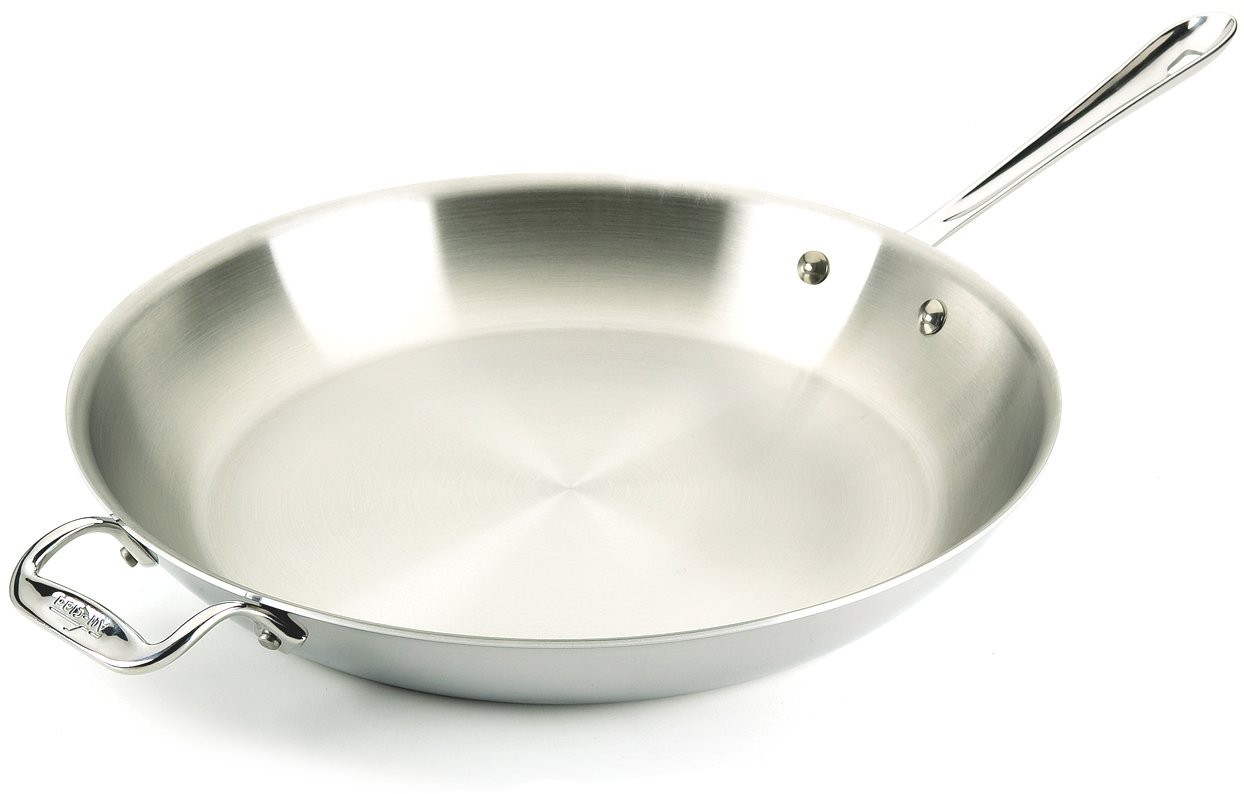
All-Clad D3 Stainless 2-Quart Saucepan
Perfect size for sauces, reheating, and small batches of grains
Buy on Amazon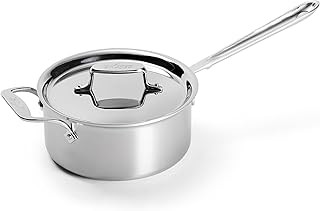
All-Clad D5 Stainless 3-Quart Saucepan
Five-ply construction adds extra aluminum layers for more even heating
Buy on Amazon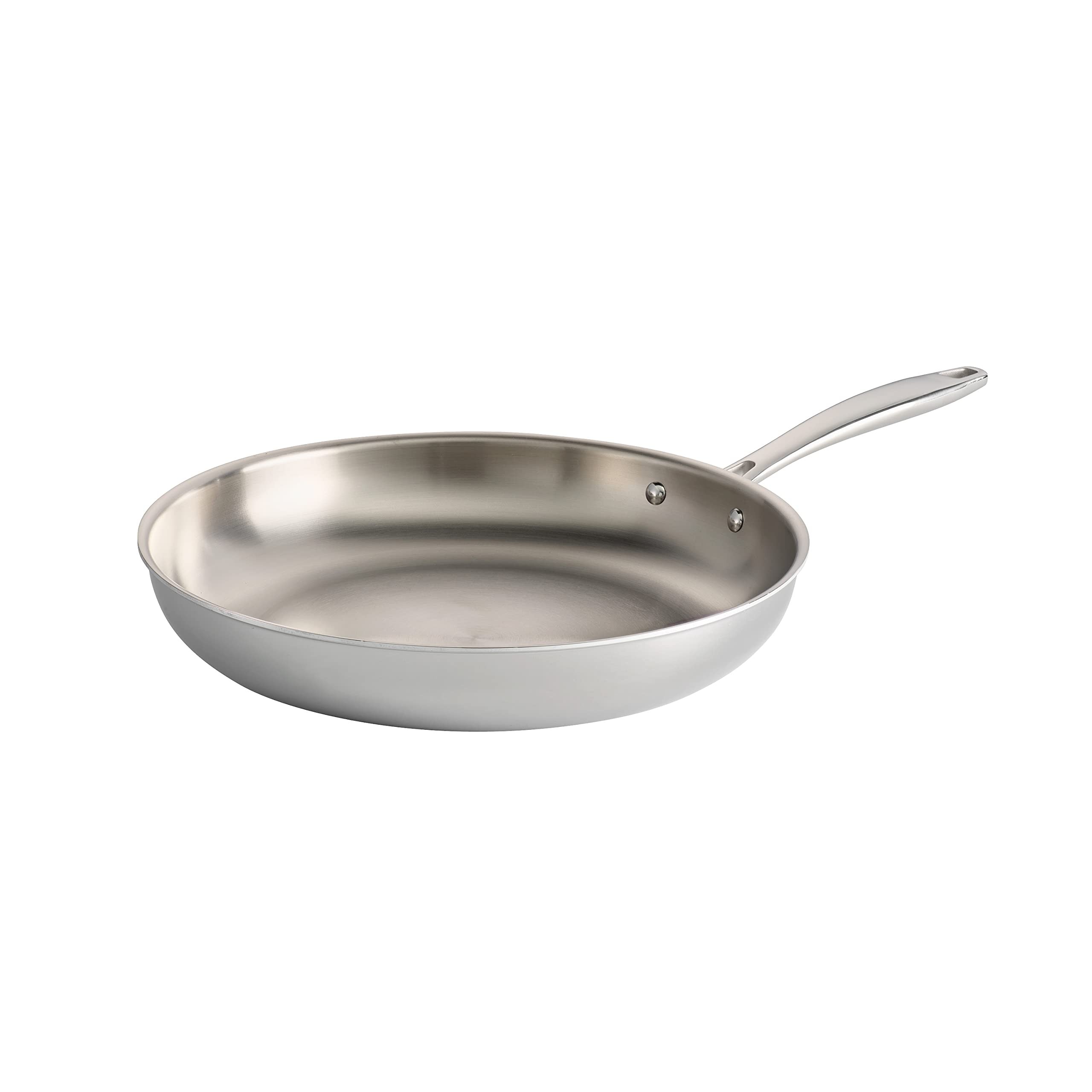
Tramontina 12-Inch Tri-Ply Clad Stainless Fry Pan
Genuine tri-ply construction , same bonding method as All-Clad at a fraction of the price
Buy on Amazon| Product | Price Range | Top Strength | Key Weakness | Buy |
|---|---|---|---|---|
| All-Clad D3 Stainless 2-Quart Saucepan best overall | $$$ | Perfect size for sauces, reheating, and small batches of grains | Premium price for a 2-quart pan , same function achievable for less | Buy on Amazon |
| All-Clad D5 Stainless 3-Quart Saucepan also consider | $$$ | Five-ply construction adds extra aluminum layers for more even heating | D5 costs more than D3 for incremental improvement most home cooks won't notice | Buy on Amazon |
| Tramontina 12-Inch Tri-Ply Clad Stainless Fry Pan also consider | $$ | Genuine tri-ply construction , same bonding method as All-Clad at a fraction of the price | Slightly thinner gauge than All-Clad , marginally less heat retention | Buy on Amazon |
| Calphalon Premier Stainless Steel Cookware Set 8-Piece also consider | $$ | Multi-layer stainless construction heats evenly without hot spots | Multi-layer construction not as refined as true tri-ply clad | Buy on Amazon |
A 2-quart saucepan is the pan you reach for more than almost any other. Pasta water, no. Bechamel, yes. Reheating leftover soup. Melting butter. Making a small batch of rice when it’s just the two of you. It’s the workhorse that lives on the front burner, and if yours warps, scorches, or has a handle that gets painfully hot after four minutes, you notice every single time. If you’re looking at All-Clad at this size, you’re asking a reasonable question: is the premium price worth it, and if so, which version?
This guide covers the All-Clad D3 Stainless 2-Quart Saucepan and the All-Clad D5 Stainless 3-Quart Saucepan alongside two strong alternatives at lower price points. If you want broader context on what makes clad construction worth caring about, the Stainless & Clad section of this site covers the category in more depth.
What to Look For in a 2-Quart Saucepan
Construction: What “Clad” Actually Means at This Size
A fully clad saucepan has its bonded metal layers running up the sides of the pan, not just across the disk bottom. At the 2-quart size, this matters more than it sounds. When you’re reducing a wine sauce or making a custard, heat climbs the walls of the pan. A disk-bottom pan with bare stainless sides creates a temperature break at the edge of that disk, and that’s exactly where dairy scorches and chocolate seizes.
True tri-ply construction bonds stainless, aluminum, and stainless together from base to rim. Full stop. Anything marketed as “multi-layer” or “encapsulated base” is a different product, even if the price tag suggests otherwise.
Size: 2-Quart vs 3-Quart
The 2-quart is the right size for sauces, reheating, and small batches of grains for two to four people. The 3-quart gives you more room before things boil over and handles the same tasks with a little margin. If you find yourself making stock or blanching anything more than occasionally, you’ll want the larger size as your primary small saucepan. For dedicated small-batch cooking, the 2-quart is the one that earns its place on the hanger.
Handle Design and Heat Conduction
All-Clad handles run cool because the hollow riveted steel doesn’t conduct heat efficiently. That’s a design feature, not an accident. If you’ve ever grabbed the handle of a cheap saucepan after eight minutes on the stove and burned your palm, you understand why this matters practically. Ergonomics vary between brands, and handle comfort is worth paying attention to if you have smaller hands or cook for long periods.
The Lid Question
A stainless lid is more durable than tempered glass. Glass lets you monitor without lifting, which has real value when you’re reducing something and don’t want to interrupt the simmer. Which one matters more depends entirely on how you cook. Neither is objectively better.
Top Picks
All-Clad D3 Stainless 2-Quart Saucepan: The Core Recommendation
The All-Clad D3 Stainless 2-Quart Saucepan is where most buyers who are serious about this category start, and a fair number never feel the need to go further. Three-ply construction, made in Canonsburg, Pennsylvania, flared rim for drip-free pouring, stainless lid included. The heating is even across the base and up the sides in a way that genuinely changes what you can do with a sauce. I’ve made hollandaise in this pan. If you’ve ever broken hollandaise because of a hot spot, you understand what even heating actually means.
It’s premium pricing for a 2-quart pan. Check current price on Amazon and compare it to what you’d spend on the alternatives below. You’re paying for domestic manufacturing, consistent wall thickness, and a handle that stays cool after extended use. Whether those things are worth the premium depends on how often you cook and how much you care about thirty-year longevity. The stainless interior does require attention with dairy sauces. Heat the pan properly before adding liquid, keep temperatures moderate, and you won’t have problems. Ignore that and you will.
This is the pan I’d recommend to someone buying their first serious saucepan and intending it to be their last.
All-Clad D5 Stainless 3-Quart Saucepan: More Pan, Marginal Upgrade
The All-Clad D5 Stainless 3-Quart Saucepan adds two more layers to the bonded construction and comes in at a larger capacity. Five-ply theoretically distributes heat even more evenly and resists warping better under thermal stress. In practice, on a home range, cooking for four people, the difference between D3 and D5 performance is something you’d need to run a controlled test to measure. (I have run informal tests. The gap is not what the marketing suggests.)
Where the D5 earns its place is if you run high heat regularly, cook on induction with aggressive cycling, or simply want the best available without qualification. The 3-quart capacity is also genuinely useful if you find the 2-quart limiting. It costs more than the D3 equivalent and is heavier. For most home cooks, the D3 is the better value. The D5 is not a bad pan. It’s an excellent pan for a use case that most home kitchens don’t actually demand. If you’re also considering other premium European options, the Demeyere vs All-Clad comparison covers exactly this kind of upgrade question in more detail.
Tramontina Tri-Ply Clad Stainless: The Honest Value Pick
The Tramontina 12-Inch Tri-Ply Clad Stainless Fry Pan is included here because the brand deserves credit for what it actually is: genuine tri-ply construction at mid-range pricing. The bonding method is the same as All-Clad. The aluminum core is slightly thinner gauge, which means marginally less heat retention and a bit more temperature swings on rapid changes. Handle ergonomics are less refined. Made in Brazil, not Pennsylvania. Oven-safe to 500°F, induction compatible.
If you’re asking whether the All-Clad price premium is justified, the honest answer is: compared to Tramontina, mostly yes, but less dramatically than the price gap implies. Tramontina is not a budget pan dressed up in marketing language. It’s a legitimate piece of equipment that will perform well for a long time. Someone upgrading from thin nonstick who isn’t ready to spend at the All-Clad level should look here first.
Calphalon Premier Stainless Steel 8-Piece Set: The Set Buyer’s Option
The Calphalon Premier Stainless Steel Cookware Set 8-Piece isn’t a direct 2-quart comparison, but it comes up in the same buying conversation because people replacing an entire kitchen’s worth of thin nonstick often find set pricing compelling. Calphalon’s multi-layer construction heats evenly without significant hot spots, and the tempered glass lids are useful if you cook on medium heat and like to monitor without lifting. Oven-safe to 450°F, dishwasher safe.
The construction is not equivalent to true tri-ply clad. The layers aren’t bonded the same way, and the heat distribution, while adequate, isn’t what you get from the D3 or Tramontina. The glass lids will eventually break if you’re not careful. For a buyer who wants a complete set at mid-range pricing and is stepping up from thin aluminum nonstick, this is a reasonable path. For a buyer specifically focused on the 2-quart saucepan as a primary purchase, the Tramontina or D3 are better targeted answers.
If you’re shopping during a sale window, the Black Friday stainless steel cookware page tracks discount patterns on sets like this.
How to Choose
The decision tree here is simpler than the number of options suggests.
If you want one pan that will outlast your current kitchen and you cook sauces seriously, buy the All-Clad D3 Stainless 2-Quart Saucepan. Check current price on Amazon. If it’s within your budget without discomfort, it’s the right answer.
If the D3 price feels steep for a single 2-quart pan, the Tramontina tri-ply line is the correct alternative. Not a consolation prize. Genuinely good cookware at a more accessible price point.
If you’re replacing everything and want a complete set, Calphalon Premier gives you mid-range construction across multiple pieces. Understand the limitation versus true clad and make the decision with that information in hand.
The D5 upgrade is for a specific buyer who knows they want five-ply and has a use case that will actually stress the construction. That buyer doesn’t need me to tell them what to buy. For everyone else, the D3 is where the value actually lands.
A note on the nonstick question: if you make a lot of eggs or delicate fish in a 2-quart pan, you might also want to look at the All-Clad non-stick sauce pan as a companion to a stainless piece rather than a replacement. They solve different problems. And if your needs eventually scale up to an 8-quart for stocks and braises, the All-Clad 8-quart stock pot review covers that end of the range. The Stainless & Clad hub has the full category breakdown if you’re outfitting a kitchen from scratch.
Frequently Asked Questions
Is the All-Clad D3 2-quart saucepan worth the premium price?
For a buyer who cooks sauces regularly and expects to use the pan for decades, yes. The even heating, cool handle, flared rim, and domestic manufacturing justify the premium pricing over cheaper alternatives. For someone who reheats soup twice a week, the same function is achievable for considerably less. The honest answer depends on how often and how seriously you cook.
What is the practical difference between the D3 and D5 at the 2-quart size?
Five-ply construction in the D5 adds two extra aluminum layers for theoretically more even heating and better warp resistance. At the 2-quart size on a home range, most cooks won’t notice a performance difference in daily use. The D5 is heavier, costs more, and offers incremental improvement. Unless you’re cooking on high-heat induction frequently or specifically want the best available, the D3 performs well enough that the upgrade is hard to justify.
Can I use a 2-quart stainless saucepan for making sauces that include dairy?
Yes, with attention to technique. Stainless steel is not nonstick, and dairy will scorch if you heat it too aggressively or don’t keep things moving. Preheat the pan properly, use moderate heat for cream-based sauces, and stir consistently. The even heating of tri-ply construction actually makes this easier than it sounds. If you regularly cook delicate dairy or egg-based sauces and want a more forgiving surface, a nonstick saucepan alongside the stainless piece is a practical solution.
How does All-Clad compare to Tramontina for a 2-quart saucepan?
Both use genuine tri-ply construction with the same bonding method. All-Clad is made in the United States with slightly heavier gauge metal and more refined handle ergonomics. Tramontina is made in Brazil at a lower price point. The performance gap in daily home cooking is real but modest. All-Clad edges ahead on heat retention, handle comfort, and long-term finish durability. Whether that gap justifies the price difference is a personal call. Neither is a poor choice.
Should I buy a 2-quart or 3-quart saucepan as my primary small pan?
If you cook for one or two people and focus primarily on sauces, reductions, and small batches of grains, the 2-quart is the right size. It heats quickly and fits the task without excess. If you frequently cook for three or four, blanch vegetables, or find yourself bumping into the sides of smaller pans, the 3-quart gives you useful room without becoming unwieldy. Many serious home cooks keep both sizes, though if you’re starting with one, match the choice to your most common use.
Frequently Asked Questions
Is the All-Clad 2-quart pot worth the premium over cheaper alternatives?
If you make sauces, dairy-based dishes, or custards regularly, the fully clad tri-ply construction prevents the hot-spot scorching that disc-bottom pans cause at small volumes. For basic reheating and boiling, a cheaper option can serve you equally well.
What should I cook in a 2-quart pot?
A 2-quart pot is ideal for béchamel, hollandaise, lemon curd, small rice or grain batches, reheating soups, and melting butter or chocolate. It's too small for pasta or large-batch cooking — for those tasks, a 3- or 4-quart would be more practical.
Should I get the All-Clad D3 or D5 at the 2-quart size?
The D3 tri-ply is the better value at this size for home use. The D5's extra layers produce marginally more even heating, but the practical difference at 2 quarts is minimal and the D5 costs meaningfully more. Most home cooks making sauces and custards won't distinguish the results.
Does All-Clad make a 2-quart nonstick saucepan?
Yes, All-Clad makes a nonstick version (the HA1 line) at the 2-quart size. It's useful for dairy-heavy sauces and eggs where sticking is a concern, but the nonstick coating degrades over time — unlike the stainless D3, which lasts indefinitely with proper care.
Is the All-Clad 2-quart pot compatible with induction cooktops?
Yes. All-Clad D3 and D5 stainless saucepans feature a magnetic stainless steel exterior that works on induction as well as gas, electric coil, and ceramic glass cooktops.
Where to Buy
All-Clad D3 Stainless 2-Quart SaucepanSee All-Clad D3 Stainless 2-Quart Saucepan on Amazon