All-Clad Non Stick Sauce Pan Buyer's Guide

Affiliate disclosure: Some links on this page are affiliate links. If you buy through them we earn a small commission at no extra cost to you. Recommendations are research-driven; we don't claim personal use of every product reviewed. Product prices and availability are accurate as of the date published and are subject to change. Always check Amazon for current pricing before purchasing. Learn more.

Quick Picks
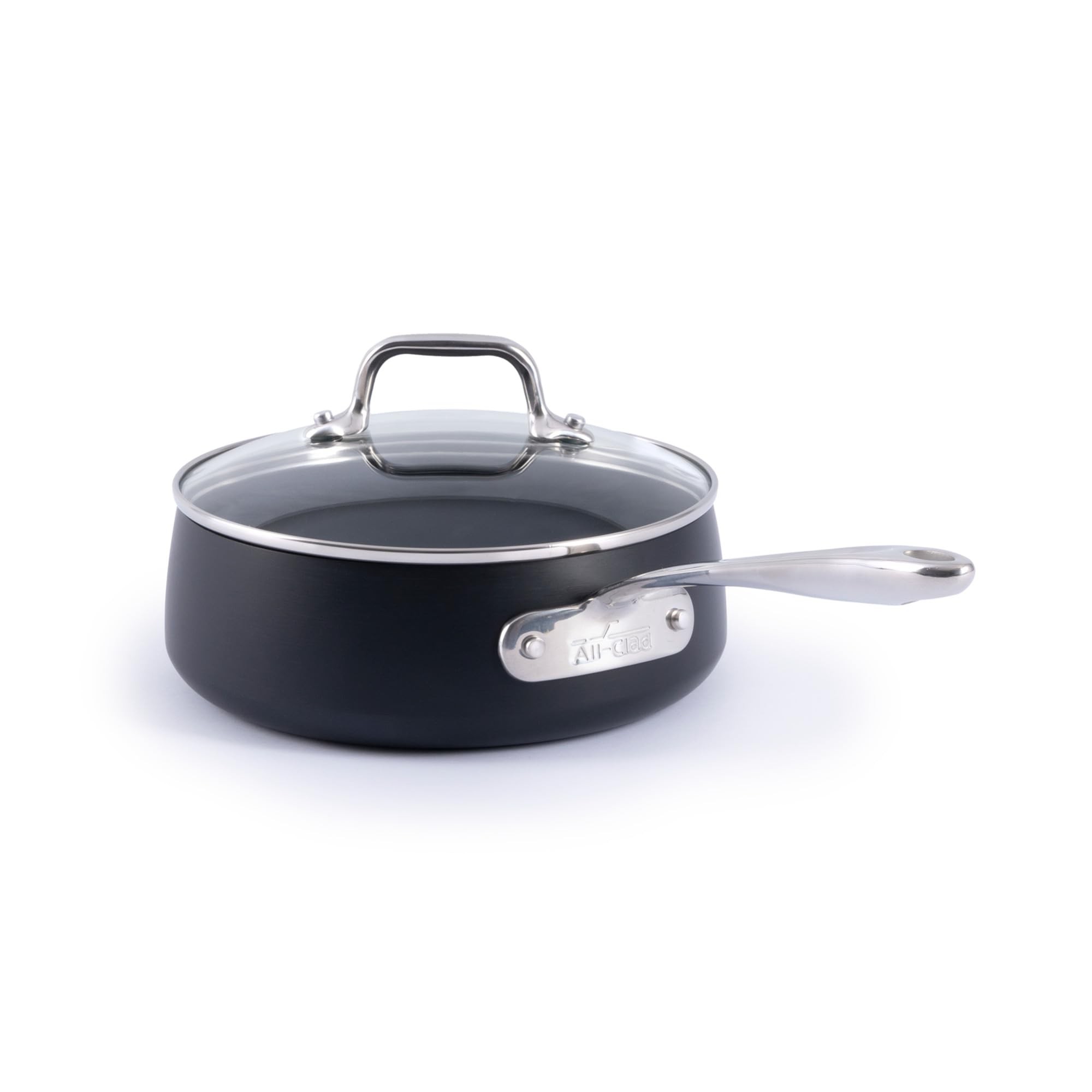
All-Clad HA1 Hard Anodized Nonstick 2-Quart Saucepan
Nonstick surface handles dairy sauces and eggs without scorching or sticking
Buy on Amazon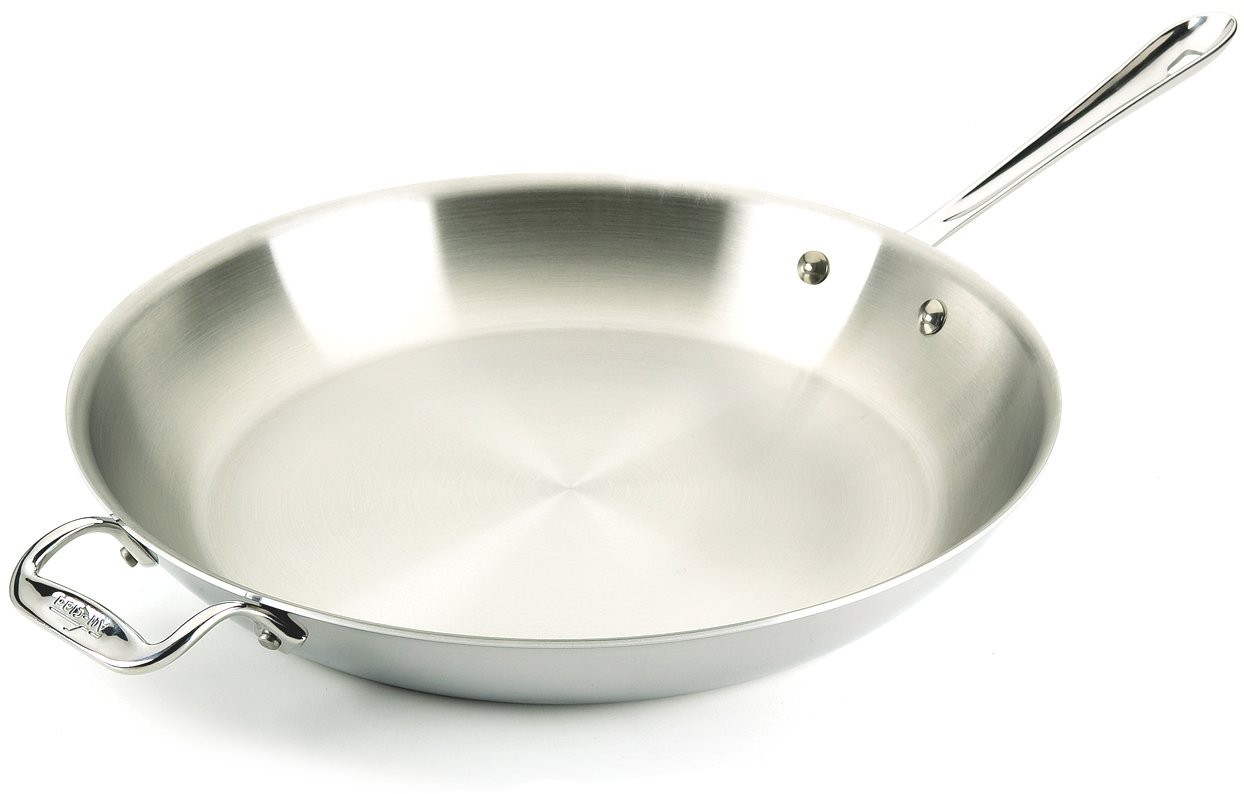
All-Clad D3 Stainless 2-Quart Saucepan
Stainless interior lasts indefinitely with proper technique
Buy on Amazon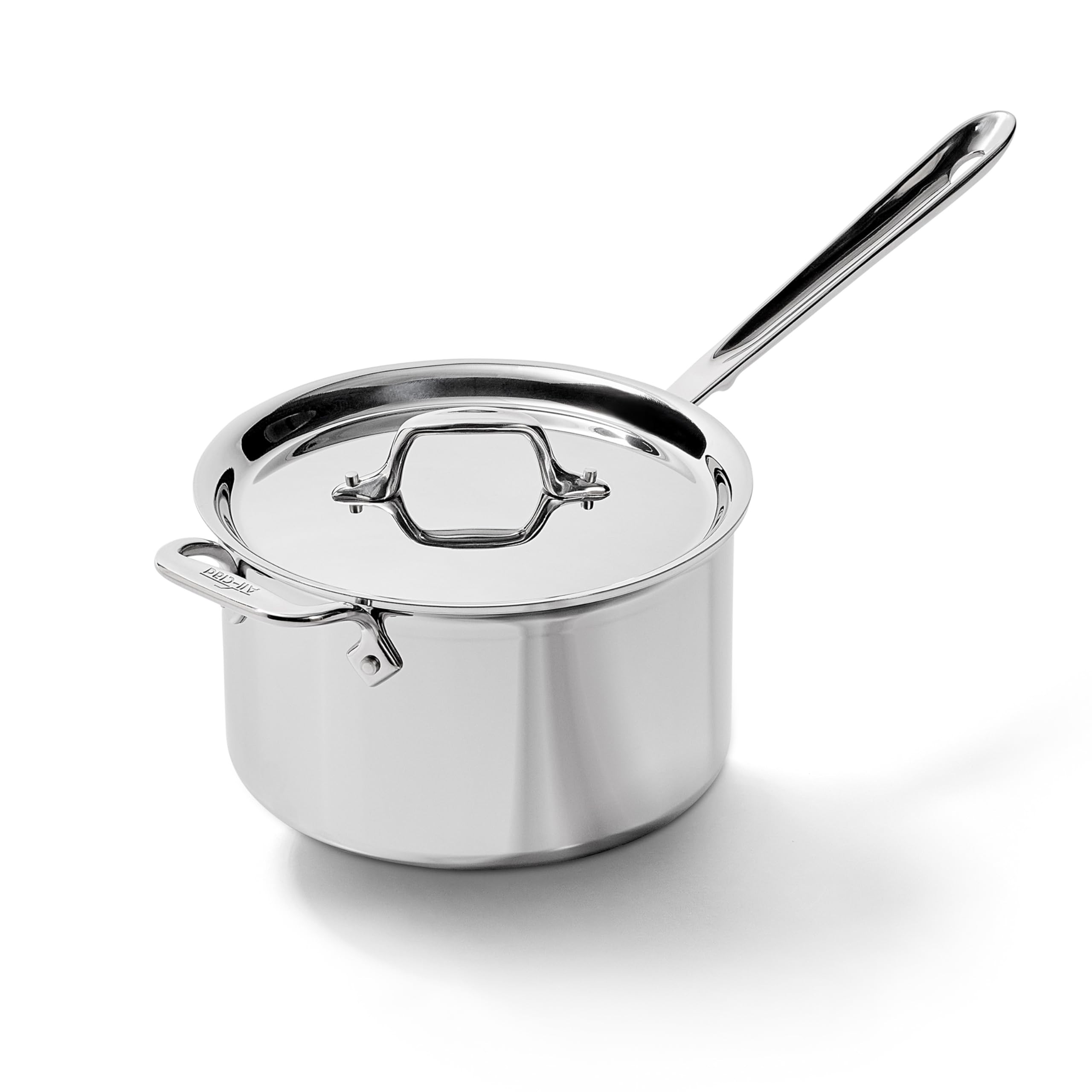
All-Clad D3 Stainless 4-Quart Saucepan
Handles soups, pasta water, and medium-batch sauces with room to spare
Buy on Amazon| Product | Price Range | Top Strength | Key Weakness | Buy |
|---|---|---|---|---|
| All-Clad HA1 Hard Anodized Nonstick 2-Quart Saucepan best overall | $$$ | Nonstick surface handles dairy sauces and eggs without scorching or sticking | Nonstick coating will eventually wear — not a lifetime pan like the D3 | Buy on Amazon |
| All-Clad D3 Stainless 2-Quart Saucepan also consider | $$$ | Stainless interior lasts indefinitely with proper technique | Requires attention with dairy and eggs — stick risk if pan isn't properly preheated | Buy on Amazon |
| All-Clad D3 Stainless 4-Quart Saucepan also consider | $$$ | Handles soups, pasta water, and medium-batch sauces with room to spare | Heavy for a saucepan — awkward to hold one-handed when full | Buy on Amazon |
The search query “all clad non stick sauce pan” is doing a lot of work that it probably shouldn’t. Most people typing that phrase are actually looking for one of two different things: a true nonstick saucepan (which All-Clad makes, though it’s rarely the right answer), or a stainless saucepan from All-Clad that they hope won’t stick if they use it correctly. Before spending premium money on the wrong pan, it’s worth slowing down and sorting that out. This guide covers the All-Clad D3 saucepan line directly, adds the best nonstick option from a comparable brand, and includes a value alternative that most honest reviewers won’t mention alongside All-Clad. If you’re building out a stainless batterie de cuisine more broadly, the Stainless & Clad hub covers that territory in full.
What to Look For in a Saucepan (Stainless or Nonstick)
Construction Method
Tri-ply construction means three bonded layers: typically stainless, aluminum, stainless. The aluminum core conducts heat. The stainless exterior and interior handle durability and food contact. A pan stamped or pressed from a single sheet of stainless with a disc welded to the bottom is a different product entirely. If a manufacturer doesn’t specify “fully clad” or “tri-ply,” the heat distribution stops at the base and the walls stay cold. For sauces that need consistent, even heat from all sides, that matters.
Size for Intended Use
Two quarts handles individual sauces, reheated soups, and small grain batches. Four quarts covers medium-batch cooking, pasta water for two, and anything where you want room to whisk without splashing. Most households that own one saucepan own the wrong size for half of what they cook. If you make a lot of béchamel, hollandaise, or custard-style sauces, a two-quart is the right tool. If you’re reducing a full batch of tomato sauce or making stock regularly, four quarts is the minimum.
Nonstick vs. Stainless Interior
A stainless interior is durable, oven-safe to high temperatures, and entirely appropriate for most sauce work if you manage heat and add fat properly. Dairy sauces, roux-based sauces, and anything with high sugar content will test a stainless surface if you’re not paying attention. A nonstick interior is gentler for those applications, but the coating will degrade over time regardless of how carefully you treat it. Nonstick is not a permanent solution. It’s a useful tool with a shorter lifespan, and buying premium nonstick means paying more for something that still needs replacing eventually.
Lid and Pouring
A lid should be included. Saucepan lids take time to find separately, and the fit matters more than people realize. A flared rim for drip-free pouring is a small feature with outsized practical value if you’re decanting stock or sauces regularly. (I pour stock at least twice a week. A rim that channels liquid instead of running it down the side of the pan is not a marketing detail.)
Top Picks
All-Clad D3 Stainless 2-Quart Saucepan
The All-Clad D3 Stainless 2-Quart Saucepan is the saucepan most people should buy first, assuming they’re committed to the All-Clad ecosystem and have the budget for it. Tri-ply construction throughout the walls and base means no hot spots at the bottom and relatively cold walls. The flared rim pours cleanly. The lid fits correctly. For making a small batch of gravy, reheating leftover soup, or cooking a quarter cup of rice for one person, it’s a well-designed tool that will last longer than you’ll want to keep cooking.
The premium price for a two-quart pan is the legitimate objection here. This is a premium-priced piece of cookware for a pan size that you may use twice a week for tasks that don’t fully stress the construction. If you’re comparing D3 versus D5 at this size, the D5 adds two more layers and a straighter sidewall, which marginally improves heat distribution and adds cost. For a two-quart saucepan where most cooking happens at low to medium heat, D3 is sufficient. The D5 upgrade makes more sense in larger pieces where temperature stability across a wider cooking surface is more consequential.
The stainless interior requires some attention with dairy-heavy sauces. If you’re making béchamel and you walk away, it will catch. That’s not a flaw in this pan specifically. It’s a characteristic of all stainless surfaces.
All-Clad D3 Stainless 4-Quart Saucepan
The All-Clad D3 Stainless 4-Quart Saucepan is a more versatile piece than the two-quart if you’re buying one saucepan and need it to do more. It handles the same sauce work with more room, manages soups without risk of boil-over, and holds oven temperature well up to 600°F for applications where you’re finishing something braised or simmered. The tri-ply walls maintain temperature noticeably when you add cold liquid mid-cook, which matters for stock reductions and pan sauces.
The honest reservation is weight. Full of liquid, this pan requires two hands or a strong wrist. One-handed maneuvering at the stove is uncomfortable once it’s more than half full. If you have any wrist or grip concerns, test it before committing.
The value question is real. The Tramontina tri-ply option (covered below) uses the same construction method at a lower price point. Before buying the D3 at premium pricing, read the comparison below and decide whether the difference matters to you. Some of it does. Some of it is the All-Clad name.
Made In 10-Inch Nonstick Frying Pan (ProCoat)
The Made In 10-Inch Nonstick Frying Pan is not a saucepan, and I’m including it because many people searching for an “All-Clad nonstick saucepan” are actually looking for a reliable nonstick piece from a quality brand, and a nonstick frying pan covers more daily cooking territory than a nonstick saucepan would. Made In’s ProCoat PTFE coating releases eggs and fish without resistance. The stainless clad base works on induction. The lifetime guarantee covers manufacturing defects, not coating wear, which is an honest policy even if it sounds more generous than it is.
Mid-range pricing relative to All-Clad nonstick puts it in a reasonable position. It costs less than the All-Clad HA1 nonstick line while using a comparable construction approach. If you want one nonstick pan from a brand that takes cookware seriously, this is the one. If you’re watching spending and want to stretch budget further, Made In periodically runs promotions worth tracking. Check Made In Cookware coupons before buying at full price.
The coating will degrade. Two to five years depending on how hard you use it. That’s not a knock against this specific pan. It’s the nature of PTFE coatings.
Tramontina 12-Inch Tri-Ply Clad Stainless Fry Pan
The Tramontina 12-Inch Tri-Ply Clad Stainless Fry Pan exists to answer the question: do you need All-Clad, or do you need tri-ply construction? Those are different questions. Tramontina uses genuine fully clad tri-ply construction bonded through the walls, manufactured in Brazil, and the result is a pan that performs comparably to the All-Clad D3 in most home cooking applications. Oven-safe to 500°F (versus 600°F for All-Clad), induction compatible, and well-regarded by professional cooks who don’t care about the name on the handle.
The gauge is marginally thinner than All-Clad, which translates to slightly less heat retention when the pan is loaded. In a home kitchen making dinner for four, that difference is mostly theoretical. The handle ergonomics are less refined. That one is real if you cook for extended periods. For a direct head-to-head on All-Clad versus alternatives at this construction level, the Demeyere vs All-Clad comparison covers the engineering differences in more detail.
Mid-range pricing makes this a serious alternative. It costs roughly half the comparable All-Clad unit. Whether the difference in quality justifies twice the price is a question only you can answer for your kitchen. My answer is: not always.
How to Choose
Start with the honest version of your cooking habits, not the aspirational version. If you make a béchamel once a month and mostly reheat soup, the two-quart D3 is sized correctly and will outlive your interest in cooking. If you regularly make soups, stocks, or larger sauce batches, the four-quart is the better investment per use.
If the premium price on All-Clad is a genuine stretch, the Tramontina tri-ply is not a consolation prize. It’s a different price tier with 85 to 90 percent of the performance for most household cooking tasks. The cases where All-Clad’s additional gauge thickness and tighter manufacturing tolerances make a noticeable difference are narrower than the marketing suggests. If you’re interested in building out a full stainless set over time, the Stainless & Clad section covers how to approach that incrementally without buying everything at once.
If you want a nonstick piece, buy a nonstick frying pan rather than a nonstick saucepan. Nonstick saucepans exist and have uses, but a nonstick frying pan earns its place on the rack daily. The Made In ProCoat pan is the right choice at mid-range pricing if you want quality nonstick without going to All-Clad HA1 pricing. Make sure you’re using the right utensils with any nonstick surface. The best cooking utensils for stainless steel cookware guide includes options that also work safely on nonstick.
One practical note on timing: All-Clad runs significant sales several times a year. If you’re not in a hurry, monitoring Black Friday stainless steel cookware deals specifically can move All-Clad from “expensive” to “reasonable” at premium pricing. I’ve seen D3 pieces discounted substantially during holiday sales periods. It’s worth waiting if you can.
Buy the pan for the cooking you actually do. Check current pricing on Amazon before committing to any of these.
Frequently Asked Questions
Is All-Clad D3 actually nonstick?
No. The D3 has a stainless steel interior, which requires proper preheating and fat to minimize sticking. It’s not nonstick in the way a PTFE-coated pan is. For eggs, fish, or anything delicate, a stainless interior will require more attention than a coated nonstick surface. All-Clad does produce nonstick-coated pans in separate product lines (HA1 being the primary one), but the standard D3 is stainless throughout.
Can I use an All-Clad stainless saucepan in the oven?
Yes. The D3 line is oven-safe to 600°F without the lid. The lid is oven-safe to a lower temperature. Check the specific product page for the lid rating before assuming it matches the pan. At 600°F, the D3 handles most oven-finishing tasks without issue, including braising starts and finishing slow-cooked sauces.
Is the Tramontina tri-ply as good as All-Clad D3?
Close, not equivalent. The construction method is the same: fully clad tri-ply bonded through the walls. Tramontina’s gauge is slightly thinner, which means marginally less heat retention when cold liquid hits the pan and slightly faster temperature response on the stovetop. For most home cooking, the difference is smaller than the price gap suggests. Professional cooks who tested both side-by-side consistently find the Tramontina performs well above its price point.
How long does nonstick coating last on a pan like the Made In ProCoat?
With reasonable care, two to five years. “Reasonable care” means avoiding metal utensils, not preheating an empty pan on high heat, and handwashing rather than the dishwasher. Cooking spray accelerates degradation faster than butter or oil. When the coating starts to show visible wear or peeling, replace the pan. No PTFE nonstick coating is permanent regardless of price tier or brand claims.
What size saucepan should I buy if I can only buy one?
Three quarts is the size not covered in this guide that often answers this question best. For a single-pan household, three quarts handles small and medium tasks without being too large for one-person cooking or too small for batch cooking. Among the sizes reviewed here, the four-quart D3 is more versatile for households cooking for two or more people regularly. The two-quart earns its place once you already have a mid-size pan and want precision control for smaller tasks.
Frequently Asked Questions
Is the All-Clad HA1 nonstick saucepan worth the price compared to cheaper nonstick options?
The All-Clad HA1 builds nonstick coating onto a genuine tri-ply clad body, so the even heating benefits of clad construction apply even with a nonstick surface. Cheaper nonstick saucepans typically have thin single-layer walls that create hot spots at the base. The tradeoff is that the coating still degrades eventually, regardless of the All-Clad name on the handle.
Should I buy the All-Clad nonstick saucepan or the D3 stainless for sauce work?
For dairy-heavy sauces, eggs, or anything with high sugar content, the nonstick version is more forgiving. For high-heat reductions, fond-building, and long-term durability, the stainless D3 wins — it lasts indefinitely and handles applications the nonstick coating can't tolerate, like deglazing with wine or high-oven finishing.
How long does the nonstick coating last on the All-Clad HA1 saucepan?
With proper care — no metal utensils, hand washing, and avoiding overheating — the nonstick coating can last several years. However, all nonstick coatings degrade eventually regardless of brand. The HA1 is not a forever pan the way the stainless D3 is.
What size All-Clad nonstick saucepan should I buy — 2-quart or 4-quart?
A 2-quart nonstick saucepan covers individual sauces, béchamel, custards, and reheating. If you also cook grains for a household or make larger sauce batches, a 4-quart gives you more headroom and reduces the chances of overflow. Many cooks own both sizes for different tasks.
Is the All-Clad nonstick saucepan safe for induction cooktops?
Yes. The HA1 nonstick line uses a hard-anodized aluminum body with a magnetic stainless base that makes it compatible with induction, gas, electric, and ceramic cooktops. It is oven-safe to 400°F — lower than the stainless D3's 600°F limit, due to the nonstick coating.
Where to Buy
All-Clad HA1 Hard Anodized Nonstick 2-Quart SaucepanSee All-Clad HA1 Hard Anodized Nonstick 2… on Amazon