All Clad Stainless Baking Sheet: Worth the Premium?

Affiliate disclosure: Some links on this page are affiliate links. If you buy through them we earn a small commission at no extra cost to you. Recommendations are research-driven; we don't claim personal use of every product reviewed. Product prices and availability are accurate as of the date published and are subject to change. Always check Amazon for current pricing before purchasing. Learn more.
Quick Picks
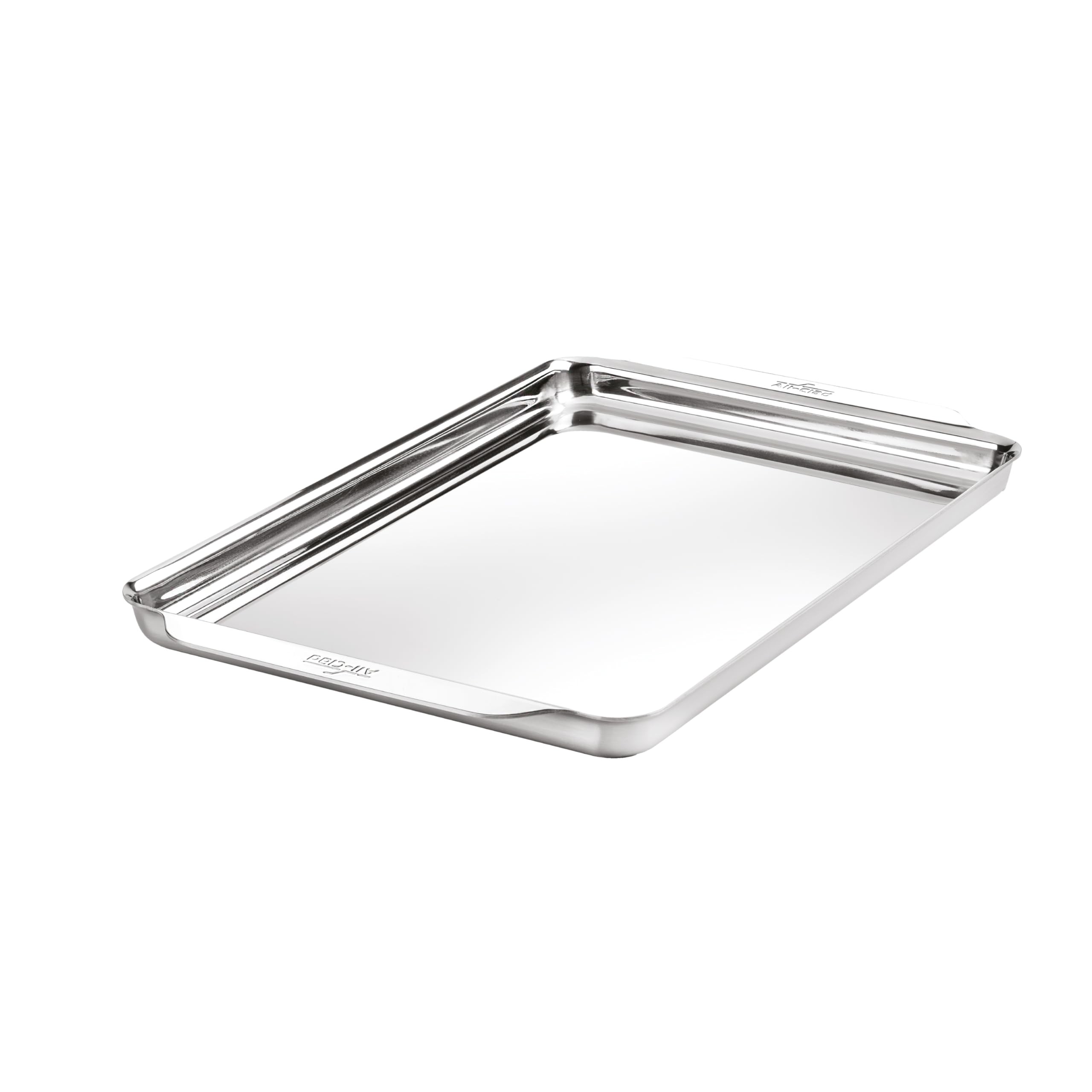
All-Clad Stainless Steel Baking Sheet
Stainless steel construction , no nonstick coating to flake or warp
Buy on Amazon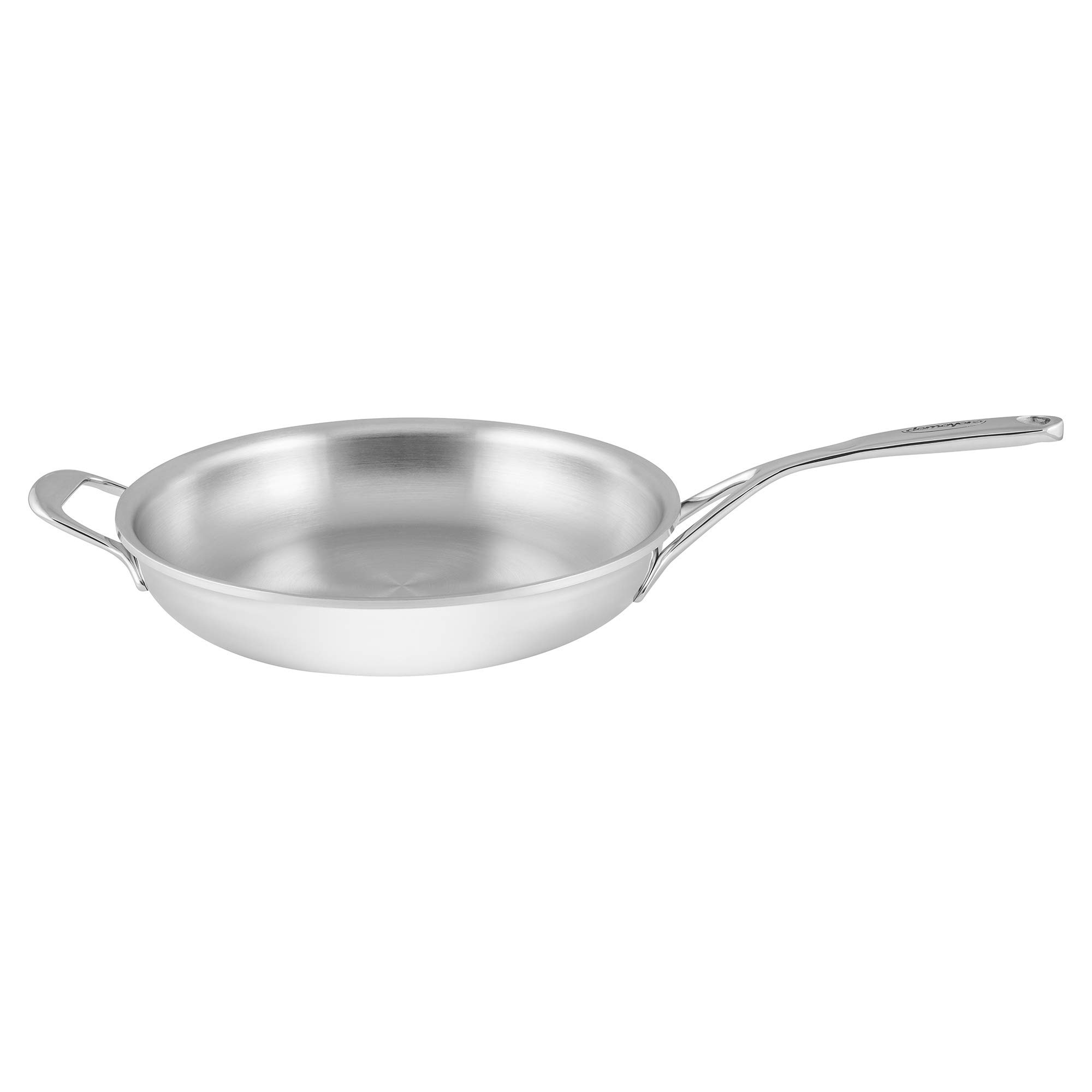
Demeyere Atlantis/Proline 11-Inch Fry Pan
Silvinox surface treatment prevents fingerprints and maintains satin finish
Buy on Amazon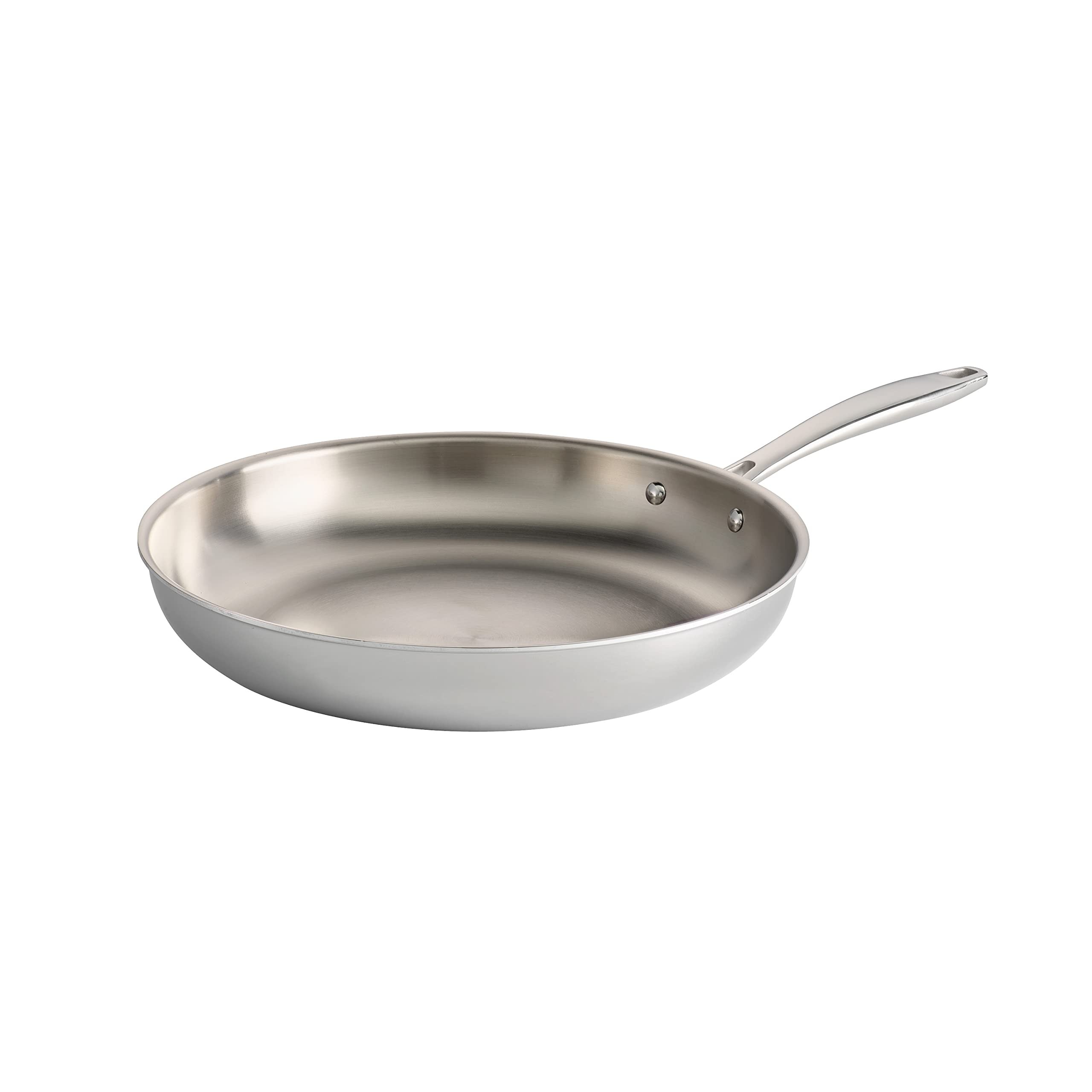
Tramontina 12-Inch Tri-Ply Clad Stainless Fry Pan
Genuine tri-ply construction , same bonding method as All-Clad at a fraction of the price
Buy on Amazon| Product | Price Range | Top Strength | Key Weakness | Buy |
|---|---|---|---|---|
| All-Clad Stainless Steel Baking Sheet best overall | $$$ | Stainless steel construction , no nonstick coating to flake or warp | Expensive for a baking sheet , Nordic Ware aluminum performs comparably for far less | Buy on Amazon |
| Demeyere Atlantis/Proline 11-Inch Fry Pan also consider | $$$ | Silvinox surface treatment prevents fingerprints and maintains satin finish | Most expensive pan in the Demeyere range , professional-grade pricing | Buy on Amazon |
| Tramontina 12-Inch Tri-Ply Clad Stainless Fry Pan also consider | $$ | Genuine tri-ply construction , same bonding method as All-Clad at a fraction of the price | Slightly thinner gauge than All-Clad , marginally less heat retention | Buy on Amazon |
| Calphalon Premier Stainless Steel Cookware Set 8-Piece also consider | $$ | Multi-layer stainless construction heats evenly without hot spots | Multi-layer construction not as refined as true tri-ply clad | Buy on Amazon |
If you’ve been searching for an all clad stainless baking sheet and expecting the same clean consensus you’d find when researching All-Clad saucepans, you’re going to hit a wall quickly. The brand’s baking sheet exists, it’s well-made, and it costs a significant premium over everything else in the category. Whether that premium is justified is a harder question than All-Clad’s cookware typically forces you to ask.
This guide covers the All-Clad baking sheet honestly, places it against what you’d actually be comparing it to, and includes three stainless and clad cookware products that belong in the same buying conversation. If baking sheets are your starting point but you’re also looking at pans and sets, the broader Stainless & Clad hub has more context for the category.
What to Look For in a Stainless Baking Sheet
Material and Surface Behavior
Stainless steel baking sheets behave differently than aluminum ones, and not always in a way that favors stainless. Aluminum conducts heat faster and more evenly across the surface. Stainless browns less predictably. That’s not a knock on stainless construction in pans, where mass and cladding compensate for the metal’s lower conductivity. In a baking sheet, where the surface contact is everything, it matters more.
What stainless does well: it doesn’t react with acidic foods, it doesn’t leach anything, it won’t warp from thermal shock the way thin aluminum can, and there’s no coating to lose. If you’ve had a nonstick baking sheet start flaking after two years of high-heat roasting, that’s the problem stainless solves.
Gauge and Warping Resistance
A baking sheet that pops and warps in a 450°F oven is useless mid-roast. (I have thrown one away still hot, which is how strongly I feel about this.) Gauge thickness is the primary determinant of warp resistance, and it’s where cheap sheets fail immediately. Any sheet you’re seriously considering should be heavy enough to feel substantial before you put it in an oven.
Oven Temperature Rating
Most home baking runs between 375°F and 450°F. If you’re roasting vegetables at 425°F or finishing a sear in the oven, you need a sheet rated clearly above that range. Warping usually starts happening near the rating ceiling, not below it.
Dishwasher Compatibility and Warranty
Baking sheets accumulate baked-on fat and browning that handwashing doesn’t fully remove. Dishwasher compatibility matters more for sheets than for most cookware. A lifetime warranty on a baking sheet is unusual enough to note when it exists.
Top Picks
All-Clad Stainless Steel Baking Sheet
The All-Clad Stainless Steel Baking Sheet is genuinely well-built. Thick gauge, no coating, dishwasher safe, lifetime warranty. It won’t warp at high oven temperatures, and the stainless construction means you’re not replacing it because the surface degraded. Those are real advantages.
The problem is the price. This sits in the premium band, and in the baking sheet category specifically, premium pricing runs into a credible challenger: the Nordic Ware aluminum half-sheet, which is a budget-priced product that professional bakers have used for decades and which browns more evenly than stainless. Nordic Ware’s sheets do warp more readily under aggressive heat cycles, and they’re not lifetime-warranted. But for most home cooks roasting vegetables and baking at standard temperatures, the performance gap does not favor All-Clad by enough to close the price gap.
My honest verdict: if you cook at very high temperatures regularly, use your oven more than your stovetop, and want a sheet that will outlast every other thing in your kitchen without any maintenance, the All-Clad is defensible. If you want the best browning on roasted potatoes, buy the Nordic Ware and put the difference toward something else. The All-Clad earns points for principle. It doesn’t earn them for practicality in the way the brand’s clad saucepans do. For a sense of what All-Clad’s quality looks like in a category where stainless cladding actually earns its keep, the All-Clad 2 Qt Saucepan is a better showcase for what the brand does best.
Check current price on Amazon before deciding. The gap between this and the Nordic Ware fluctuates, and the math changes depending on where they sit on any given day.
Demeyere Atlantis/Proline 11-Inch Fry Pan
The Demeyere Atlantis/Proline 11-Inch Fry Pan is not a baking sheet. It belongs in this guide because buyers researching stainless cookware at the premium end of the market often end up comparing it against All-Clad, and that comparison deserves a direct answer.
Seven-ply construction, Silvinox surface treatment that actually prevents fingerprints and keeps the satin finish looking like it did on day one, and an InductoSeal base rated for 10,000 heating cycles. The weight is significant enough that one-handed tossing is impractical. If that’s a dealbreaker for your cooking style, it’s a real one. But for searing, building fond, and stovetop work where heat retention and surface consistency matter more than agility, this is the best stainless fry pan available at any price.
It costs more than anything else in the Demeyere range. For buyers who want the absolute ceiling of stainless performance and won’t be second-guessing the purchase in six months, this is where the category ends.
Tramontina 12-Inch Tri-Ply Clad Stainless Fry Pan
The Tramontina 12-Inch Tri-Ply Clad Stainless Fry Pan is what I point people toward when they ask if All-Clad is worth it. Genuine tri-ply construction, the same bonding method All-Clad uses, oven-safe to 500°F, induction compatible, and mid-range pricing that puts it at roughly half the cost of a comparable All-Clad D3.
The gauge is marginally thinner, which produces slightly less heat retention on a very cold piece of protein. The handle ergonomics are functional but not refined. These are real differences. They are not large differences. Professional cooks have used Tramontina tri-ply for years in exactly the contexts where All-Clad is usually recommended, and the food comes out the same.
If you’re building a stainless set from scratch and the budget matters, start here. Spend what you save on a piece where the premium is more clearly earned, like the All-Clad 4 Quart Saucepan if reduction sauces and braising liquids are where you spend your time.
Calphalon Premier Stainless Steel Cookware 8-Piece Set
The Calphalon Premier Stainless Steel Cookware Set 8-Piece is positioned for cooks who are upgrading from thin nonstick and aren’t ready to commit to All-Clad prices across a full set. Mid-range pricing, multi-layer stainless construction, tempered glass lids, dishwasher safe, oven-safe to 450°F.
The multi-layer construction heats evenly without the hot spots you get from single-ply stainless. It’s not true tri-ply clad in the same sense as All-Clad or Tramontina, and the heat retention reflects that. The glass lids are useful for monitoring, less durable than stainless, and will eventually become the weakest part of the set. That’s a manageable tradeoff.
For someone who has been cooking on a thin nonstick set for five years and wants to move to stainless without an All-Clad commitment, this set is a sensible bridge. The cooking experience will be noticeably better than thin nonstick, and your cooking will improve simply from having pans that hold temperature when food hits them.
How to Choose
The decision tree here is shorter than most guides make it.
If you specifically want an All-Clad stainless baking sheet because you want one piece from the brand for the oven, go in knowing the Nordic Ware aluminum performs better on browning for a fraction of the price. The All-Clad wins on durability and warranty. If those matter to you, check current price on Amazon and make the call.
If you’re in the market for stainless cookware broadly and the baking sheet search brought you here, the clearest advice is to match your purchase to the performance gap it closes. At the premium tier, the Demeyere Atlantis is the best fry pan available in stainless. At the mid tier, the Tramontina tri-ply closes roughly 90 percent of the gap with All-Clad at half the price. For a full set upgrade from nonstick, the Calphalon Premier set is a more honest recommendation than asking someone to spend premium prices on eight pieces at once.
Roasting pan needs often come up alongside baking sheets in the same kitchen conversation. The Mauviel Roasting Pan is worth looking at if you’re thinking about oven cookware beyond flat sheets.
For buyers who want to understand the full landscape before spending at any of these levels, the Stainless & Clad section covers the category in more depth.
Frequently Asked Questions
Is the All-Clad stainless baking sheet worth the price?
For most home cooks, no. The stainless construction is genuinely durable and the lifetime warranty is real, but aluminum baking sheets, particularly the Nordic Ware half-sheet, brown food more evenly and cost far less. The All-Clad makes sense if you want a sheet that will never warp, react with food, or need replacing, and price is not the primary factor.
Does stainless steel brown food as well as aluminum on a baking sheet?
No. Aluminum conducts heat more evenly across the surface, which produces more consistent browning. Stainless can produce uneven results, particularly on foods that need prolonged contact time at high heat. This is a meaningful performance difference in the baking sheet category, even though stainless often outperforms aluminum in clad cookware.
Can I use the All-Clad stainless baking sheet under a broiler?
All-Clad’s stainless sheet is built for high-temperature oven use. Broiler use depends on the specific temperature rating of the product. Check the manufacturer specifications for your model before broiling, since direct radiant heat runs hotter than oven air temperature, and the sheet is rated for oven use rather than broiler proximity.
How does the Tramontina tri-ply compare to All-Clad D3?
The construction method is the same, genuine tri-ply with stainless exterior layers and an aluminum core. The All-Clad D3 uses a slightly thicker gauge and has more refined handle ergonomics. In practice, both pans perform comparably for searing, sautéing, and stovetop work. The Tramontina costs roughly half as much. For most home cooks, the Tramontina is the more defensible purchase.
What is the Silvinox treatment on the Demeyere Atlantis?
Silvinox is a surface treatment Demeyere applies to its stainless steel that removes iron and other impurities from the outer layer, leaving a more stable steel surface. The practical effect is that the pan resists fingerprints, discoloration, and dullness better than untreated stainless. After years of use, a Demeyere pan with Silvinox looks closer to new than comparable untreated pans. It does not affect cooking performance, only maintenance and appearance.
Frequently Asked Questions
Is the All-Clad stainless baking sheet better than an aluminum sheet pan?
Not categorically. Aluminum conducts heat faster and more evenly across the surface, which makes it better for browning cookies and roasting vegetables uniformly. The All-Clad stainless sheet resists warping better under high heat and won't react with acidic foods, but it browns less predictably than a good aluminum pan like Nordic Ware's commercial-grade half sheets.
Does the All-Clad stainless baking sheet warp in the oven?
The thick gauge construction resists warping significantly better than thin aluminum sheets, which can buckle loudly when exposed to sudden high heat. If warping has been a persistent problem with your previous sheet pans, the All-Clad's heavier construction is a real improvement.
Do I need to grease or line the All-Clad stainless baking sheet?
Yes. Stainless steel is not nonstick, so you'll want to line it with parchment paper or a silicone mat for most baking tasks, or grease it for roasting. This is no different from any other uncoated stainless or aluminum sheet pan.
Is the All-Clad stainless baking sheet worth the premium over Nordic Ware?
For most home bakers, no. Nordic Ware's heavy-gauge aluminum half sheets perform comparably for cookies, vegetables, and sheet-pan dinners at a fraction of the price. The All-Clad's value case is strongest if you specifically need a non-reactive surface or want a pan that won't warp under sustained very high heat.
Can the All-Clad stainless baking sheet go in the dishwasher?
Technically yes, but handwashing is recommended to maintain the finish over time. Dishwasher detergents can cause discoloration and dull the stainless surface — not a structural issue, but aesthetically noticeable on a premium pan.
Where to Buy
All-Clad Stainless Steel Baking SheetSee All-Clad Stainless Steel Baking Sheet on Amazon