All-Clad Pressure Cooker: Worth the Premium Price?

Affiliate disclosure: Some links on this page are affiliate links. If you buy through them we earn a small commission at no extra cost to you. Recommendations are research-driven; we don't claim personal use of every product reviewed. Product prices and availability are accurate as of the date published and are subject to change. Always check Amazon for current pricing before purchasing. Learn more.
Quick Picks
All-Clad Stainless Steel Pressure Cooker 6-Quart
Stainless steel construction , no nonstick coating to degrade over time
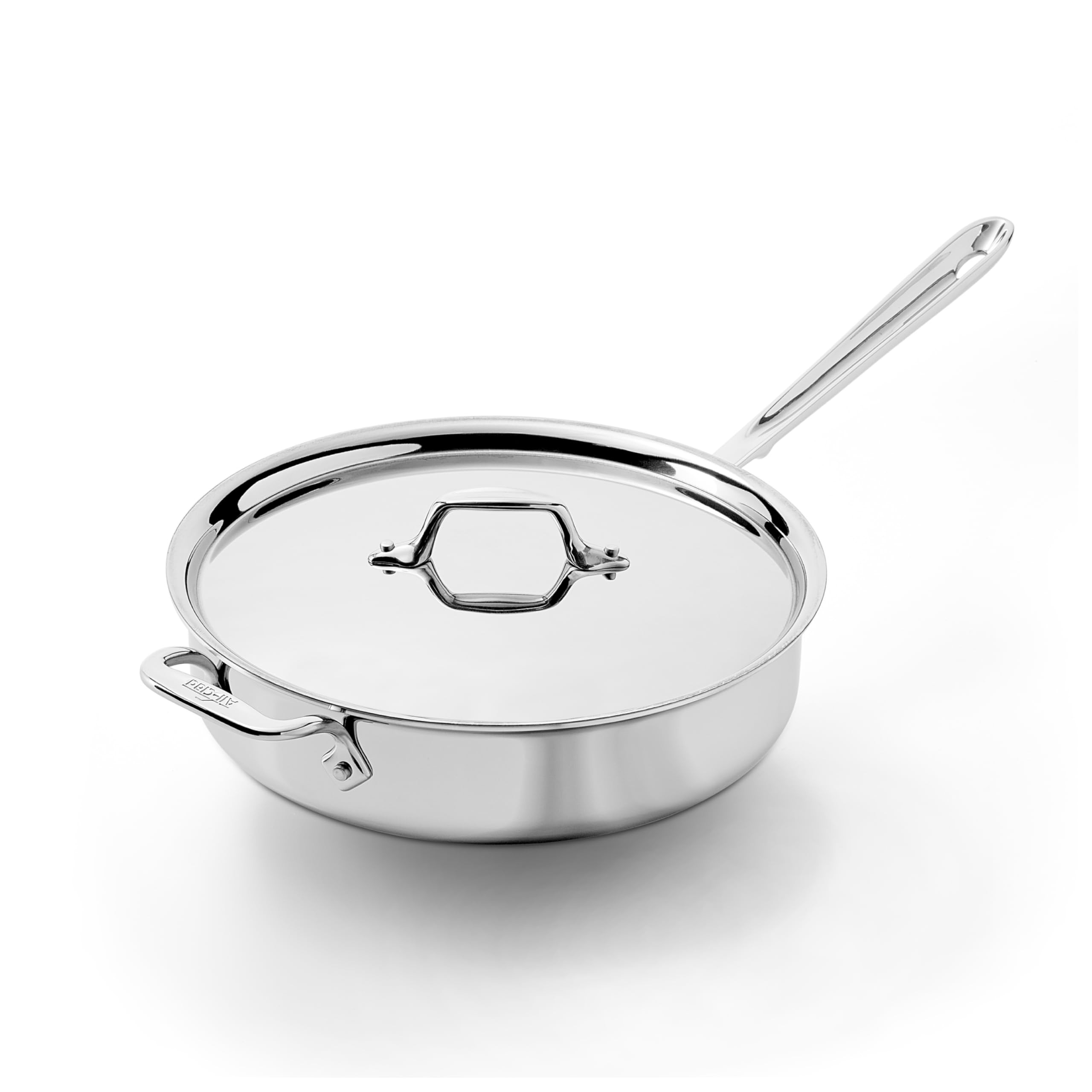
All-Clad D3 Stainless 6-Quart Saute Pan
Straight walls prevent liquid from escaping during reduction
Buy on Amazon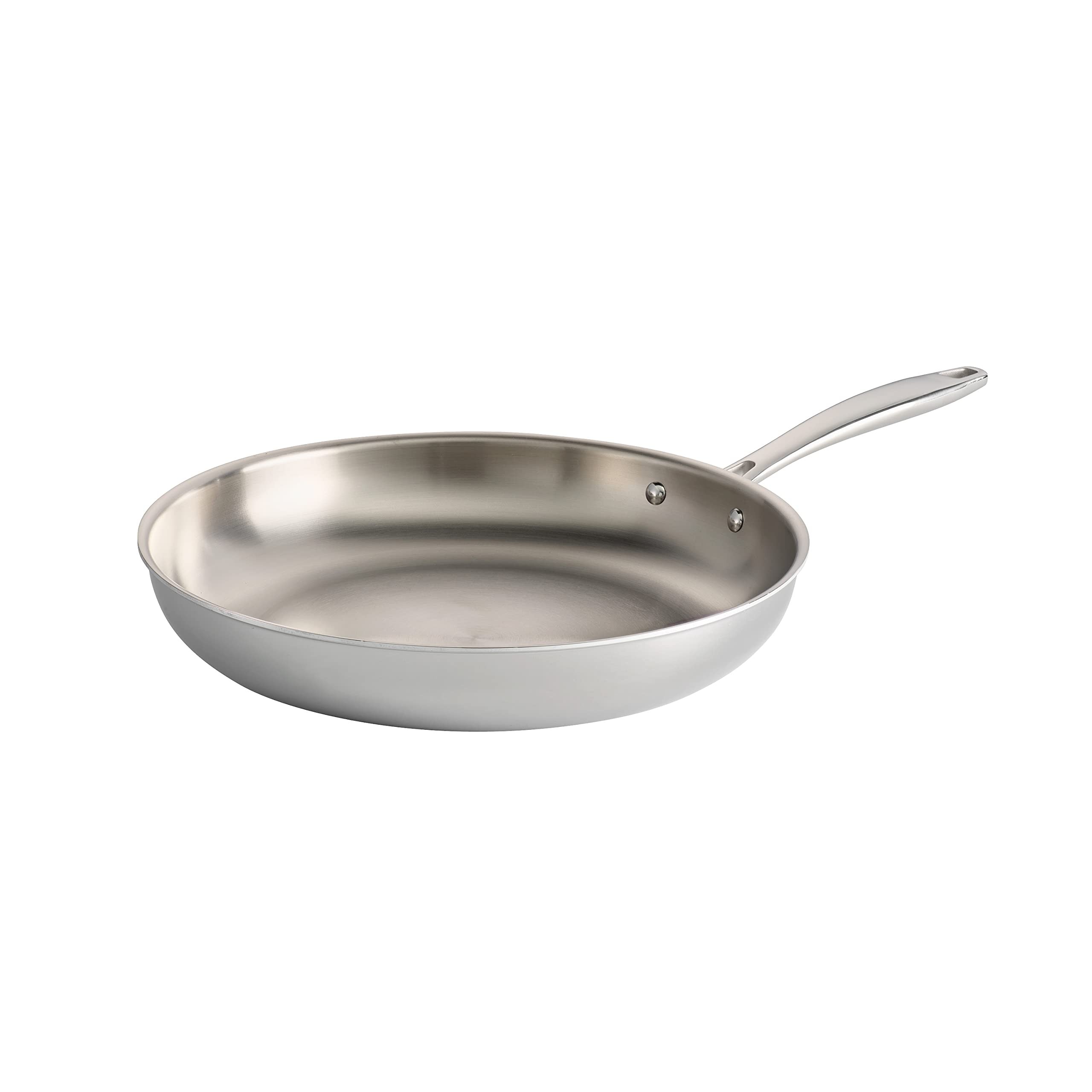
Tramontina 12-Inch Tri-Ply Clad Stainless Fry Pan
Genuine tri-ply construction , same bonding method as All-Clad at a fraction of the price
Buy on Amazon| Product | Price Range | Top Strength | Key Weakness | Buy |
|---|---|---|---|---|
| All-Clad Stainless Steel Pressure Cooker 6-Quart best overall | $$$ | Stainless steel construction , no nonstick coating to degrade over time | Stovetop pressure cooker has a learning curve compared to electric Instant Pot | — |
| All-Clad D3 Stainless 6-Quart Saute Pan also consider | $$$ | Straight walls prevent liquid from escaping during reduction | Very heavy pan , harder to maneuver than a skillet | Buy on Amazon |
| Tramontina 12-Inch Tri-Ply Clad Stainless Fry Pan also consider | $$ | Genuine tri-ply construction , same bonding method as All-Clad at a fraction of the price | Slightly thinner gauge than All-Clad , marginally less heat retention | Buy on Amazon |
| Calphalon Premier Stainless Steel Cookware Set 8-Piece also consider | $$ | Multi-layer stainless construction heats evenly without hot spots | Multi-layer construction not as refined as true tri-ply clad | Buy on Amazon |
If you searched “All-Clad pressure cooker” expecting to land on a single product page with a clear buy button, I’ll save you some time: All-Clad makes a stovetop pressure cooker, and it’s excellent, but it’s also one of the more polarizing purchases in their lineup. Whether it’s the right tool for your kitchen depends on what you actually cook, how you cook it, and whether you’ve already absorbed the premium pricing that comes with the All-Clad name.
This guide covers the All-Clad Stainless Steel Pressure Cooker 6-Quart honestly, including who should buy it and who should skip it entirely. It also covers three other pieces of stainless clad cookware worth your attention if pressure cooking isn’t actually the gap in your kitchen. More context on clad construction and material tradeoffs lives in our Stainless & Clad section if you want to go deeper on the metallurgy before committing.
What to Look For in Stainless Clad Pressure Cookers and Heavy Cookware
Stovetop vs. Electric
The All-Clad pressure cooker is stovetop only. That distinction matters more than most product pages acknowledge. Electric pressure cookers like the Instant Pot operate at lower pressure (roughly 10-12 PSI) than a traditional stovetop unit (15 PSI), which means meaningfully different cooking times and textures. Stovetop pressure cooking is faster, requires more attention, and produces better results for certain applications, specifically beans, stocks, and tough braises where you want the liquid to concentrate rather than sit.
If what you’re picturing is a hands-off appliance you can walk away from, you want an electric unit, not this. The All-Clad stovetop cooker rewards attentive cooking.
Clad Construction
For any stainless piece in this price range, the question isn’t whether it has multiple layers but how those layers are bonded. Disk-bottom construction, a stainless pan with an aluminum disk welded to the base, heats unevenly above the disk boundary. True tri-ply or five-ply clad construction runs the aluminum core all the way up the sidewalls, which matters during high-liquid cooking like pressure cooking or braising where heat distribution at the sides affects the result.
All-Clad uses fully-clad construction across their line. The All-Clad D3 Stainless 6-Quart Saute Pan is a clear example of what that looks like in daily practice.
Induction Compatibility
All four pieces covered here work on induction. Worth confirming before you buy anything in this category, but none of these will leave you stranded if your cooktop changes.
Long-term Durability
Stainless clad with no nonstick coating has one significant practical advantage: nothing degrades. The All-Clad pressure cooker’s interior is bare stainless steel. You’re not managing a surface that scratches at 400 degrees or needs replacing every three years. For the price premium, that longevity is part of what you’re paying for.
Top Picks
All-Clad Stainless Steel Pressure Cooker 6-Quart
The All-Clad Stainless Steel Pressure Cooker 6-Quart is a premium-priced stovetop pressure cooker with fully-clad stainless construction, a spring-valve pressure system, and no nonstick coating to worry about. It works on all cooktops including induction, and it’s oven-safe without the lid.
In practice, the build quality is obvious. The lid locks and releases cleanly. The handles are welded, not riveted, which means no food trapping at the joint. The base sits flat, which sounds like a given until you’ve owned a warped pressure cooker that rocks on a flat burner. (I timed the pressure build on a cold start with two quarts of liquid: just over four minutes on medium-high on a gas burner. That’s fast.)
The learning curve is real. Stovetop pressure cooking requires you to manage the heat actively, bring the cooker to pressure, then reduce heat to maintain it without triggering the release valve. It’s not difficult, but it’s not passive. If you’ve never used a stovetop pressure cooker before, budget a few trial runs before expecting perfect results.
The price lands firmly in the premium category. Check current price on Amazon, because All-Clad pricing fluctuates, but this is one of the pricier options among stovetop pressure cookers. Against what you’d pay for an Instant Pot Pro or a comparable electric unit, you’re likely looking at spending significantly more for less automation. What you get in return is full pressure, stainless construction, induction compatibility, and a build that should outlast any nonstick-coated alternative by decades.
Best for. Traditional pressure cooking enthusiasts who want a single-use tool done properly, cooks who already own induction cooktops and want to keep everything on the range, and anyone who finds electric pressure cooker menus annoying.
Skip it if. You want something you can set and walk away from, or you’d rather spend the difference on a piece that does more jobs.
All-Clad D3 Stainless 6-Quart Saute Pan
The All-Clad D3 Stainless 6-Quart Saute Pan is the most versatile piece on this list. Straight walls, a wide flat base, a tight-fitting stainless lid, and oven-safe to 600 degrees Fahrenheit. It braises, it sears, it reduces, it handles a full batch of chicken thighs without crowding. If you’ve ever started a braise in a skillet and realized halfway through that you don’t have enough room for the liquid, that’s the problem this pan solves.
At premium pricing, it’s one of the pricier pieces in the All-Clad D3 line. For context, I’d compare it against the All-Clad 8-Quart Stock Pot if you’re thinking about which large-format piece to prioritize. The stock pot wins for volume. The saute pan wins for searing surface and sauce work.
The pan is heavy. That’s not a defect; it’s a function of full clad construction and straight walls adding material. But if you have any wrist or grip issues, handle it in person before buying.
Tramontina 12-Inch Tri-Ply Clad Stainless Fry Pan
The Tramontina 12-Inch Tri-Ply Clad Stainless Fry Pan is the honest answer to the question most buyers are actually asking, which is: do I need to spend All-Clad prices to get legitimate tri-ply performance?
No. The Tramontina uses the same bonding method as All-Clad. Genuine tri-ply construction, aluminum core bonded through the full sidewall, induction compatible, oven-safe to 500 degrees Fahrenheit. Made in Brazil. Used in professional kitchens without apology.
The gauge is marginally thinner than All-Clad, which means slightly less heat retention during high-heat searing. In practice, if you’re preheating properly, this rarely matters. The handle ergonomics are not as refined as All-Clad, which is a real difference if you cook for hours at a stretch. But the price lands in the mid range, meaningfully less than comparable All-Clad pieces.
If you want to understand what you’re getting for the All-Clad premium before committing, buy this first and cook with it for a month. You’ll know exactly what the gap is.
Calphalon Premier Stainless Steel Cookware Set 8-Piece
The Calphalon Premier Stainless Steel Cookware Set 8-Piece is the right entry point for someone upgrading from thin nonstick who isn’t ready to spend All-Clad prices for a full set.
Multi-layer stainless construction heats evenly without the hot spots you’d get from disk-bottom pans. Tempered glass lids let you monitor without lifting, which is useful when you’re still learning how a new pan behaves. Dishwasher safe, oven-safe to 450 degrees Fahrenheit.
The multi-layer construction is not true tri-ply clad in the same sense as All-Clad or Tramontina, and that distinction matters if you’re cooking at professional intensity. For the majority of home cooking tasks, the difference won’t show up in your food. The glass lids are a liability over time; they’re heavier than stainless and more breakable. Budget for replacements.
Mid-range pricing makes this set reasonable for the volume of cookware you’re getting. It’s not a permanent answer for someone who cooks seriously, but it’s a legitimate bridge.
How to Choose
The pressure cooker question is actually the easy one: if you want a stovetop unit that will last twenty years and works on induction, the All-Clad is the standard. If you want automation and programmable settings, buy an electric unit at mid-range pricing and spend the difference elsewhere.
The harder question is where the All-Clad pressure cooker fits relative to other priorities. A kitchen without a good saute pan or a reliable saucepan will get more daily use from either of those pieces than from a specialized cooker used a few times a month. If you’re building out a stainless clad kitchen, I’d look at the All-Clad 4-Quart Saucepan and the D3 Saute Pan before the pressure cooker. They cover more ground.
For buyers working on a tighter budget who want to understand what premium clad construction actually delivers, the Tramontina 12-inch skillet is a better first purchase than a full Calphalon set. One excellent pan teaches you more than eight mediocre ones.
If you’re comparing pieces within the All-Clad line specifically, our All-Clad 2-Quart Saucepan review and All-Clad Nonstick Sauce Pan review cover the lower end of the range where most everyday cooking actually happens. Start there, then decide whether the pressure cooker fills a real gap.
More on how clad construction compares across price points, including what the Tramontina and All-Clad gap looks like in practice, lives in our stainless and clad cookware hub.
Frequently Asked Questions
Is the All-Clad pressure cooker worth the price compared to an Instant Pot?
They’re not the same category of tool. The All-Clad stovetop pressure cooker operates at higher pressure, produces faster results, and requires active monitoring. An Instant Pot is automated, lower-pressure, and more versatile as an appliance. The All-Clad is priced in the premium range, costs significantly more than a comparable Instant Pot, and delivers better results for specific applications like beans and stock. If you want hands-off cooking, the All-Clad is not the right answer regardless of price.
Can I use the All-Clad pressure cooker on an induction cooktop?
Yes. The stainless exterior is induction compatible. This applies to the pressure cooker and to all four products covered in this guide.
What’s the difference between tri-ply and multi-layer stainless construction?
Tri-ply refers to three bonded layers, typically stainless, aluminum, stainless, running through the full pan including sidewalls. Multi-layer is a broader term that can include disk-bottom pans where the extra material only covers the base. For pressure cooking and braising, fully-clad construction matters because heat needs to distribute up the sides where liquid contacts the pan. The All-Clad and Tramontina products here are fully clad. The Calphalon set uses a multi-layer construction that is not strictly equivalent.
How do I know whether to buy a saute pan or a Dutch oven for braising?
A saute pan has a wide flat base and straight sides, which gives you more searing surface and better sauce reduction. A Dutch oven has higher, curved walls and better heat retention for long, covered cooking. For stovetop braises where you’re searing and then simmering in liquid, the saute pan is often faster and easier to manage. For oven braises that go three-plus hours, a Dutch oven maintains temperature more consistently. If you own one and want the other, the All-Clad D3 Saute Pan is the stronger stovetop tool.
Does the Tramontina tri-ply pan perform the same as All-Clad on induction?
Close, but not identical. Both use full tri-ply clad construction and are induction compatible. The Tramontina’s slightly thinner gauge means it responds to temperature changes a bit faster, which some cooks prefer and some find harder to control. On induction specifically, where heat ramps up quickly anyway, the difference is less pronounced than on gas. For the price difference, the Tramontina performs well enough that most cooks will not feel they’ve compromised.
Frequently Asked Questions
What is the difference between the All-Clad stovetop pressure cooker and an Instant Pot?
The All-Clad stovetop pressure cooker operates at up to 15 PSI, compared to the Instant Pot's 10-12 PSI. Higher pressure means faster cooking and, for many applications like beans and tough braises, better flavor concentration. The trade-off is that the stovetop cooker requires active monitoring — it's not a set-and-walk-away appliance the way an Instant Pot is.
Does the All-Clad pressure cooker work on induction cooktops?
Yes. The All-Clad stainless steel pressure cooker features a magnetic exterior base compatible with induction, gas, electric, and ceramic glass cooktops.
Is the All-Clad pressure cooker safe to use?
Yes. It includes a locking lid system, pressure release valves, and safety mechanisms standard to quality stovetop pressure cookers. Like all stovetop pressure cookers, it requires reading the manual and following proper usage procedures — particularly around pressure release before opening the lid.
What can I cook in the All-Clad 6-quart stovetop pressure cooker?
The 6-quart size is well-suited for dried beans, tough braising cuts like short ribs and pork shoulder, stocks and broths, and dense grains. It's not necessary for applications that cook quickly on their own, like pasta or delicate vegetables.
Is the All-Clad pressure cooker worth the price compared to other stovetop models?
All-Clad's construction quality and stainless steel body give it durability advantages over cheaper pressure cookers, and it works as a standard stock pot when the pressure lid isn't in use. However, less expensive stovetop pressure cookers from brands like Fagor or Kuhn Rikon perform the core pressure-cooking function comparably — the All-Clad premium buys build quality and brand trust more than functional superiority.