All Clad 12 Quart Stock Pot Review & Alternatives

Affiliate disclosure: Some links on this page are affiliate links. If you buy through them we earn a small commission at no extra cost to you. Recommendations are research-driven; we don't claim personal use of every product reviewed. Product prices and availability are accurate as of the date published and are subject to change. Always check Amazon for current pricing before purchasing. Learn more.

Quick Picks
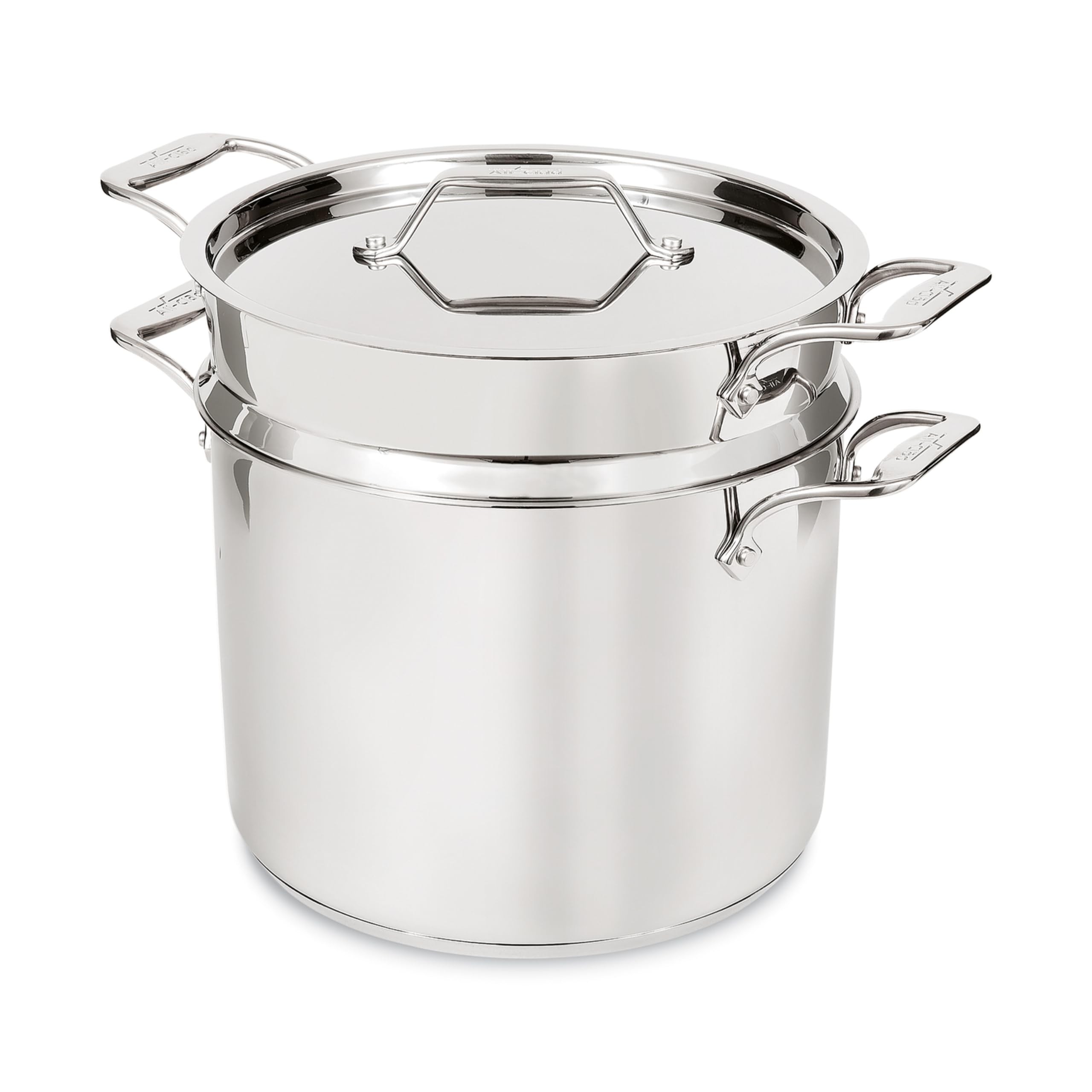
All-Clad D3 Stainless 12-Quart Stock Pot
Large enough for a full turkey carcass or a 10-pound lobster
Buy on Amazon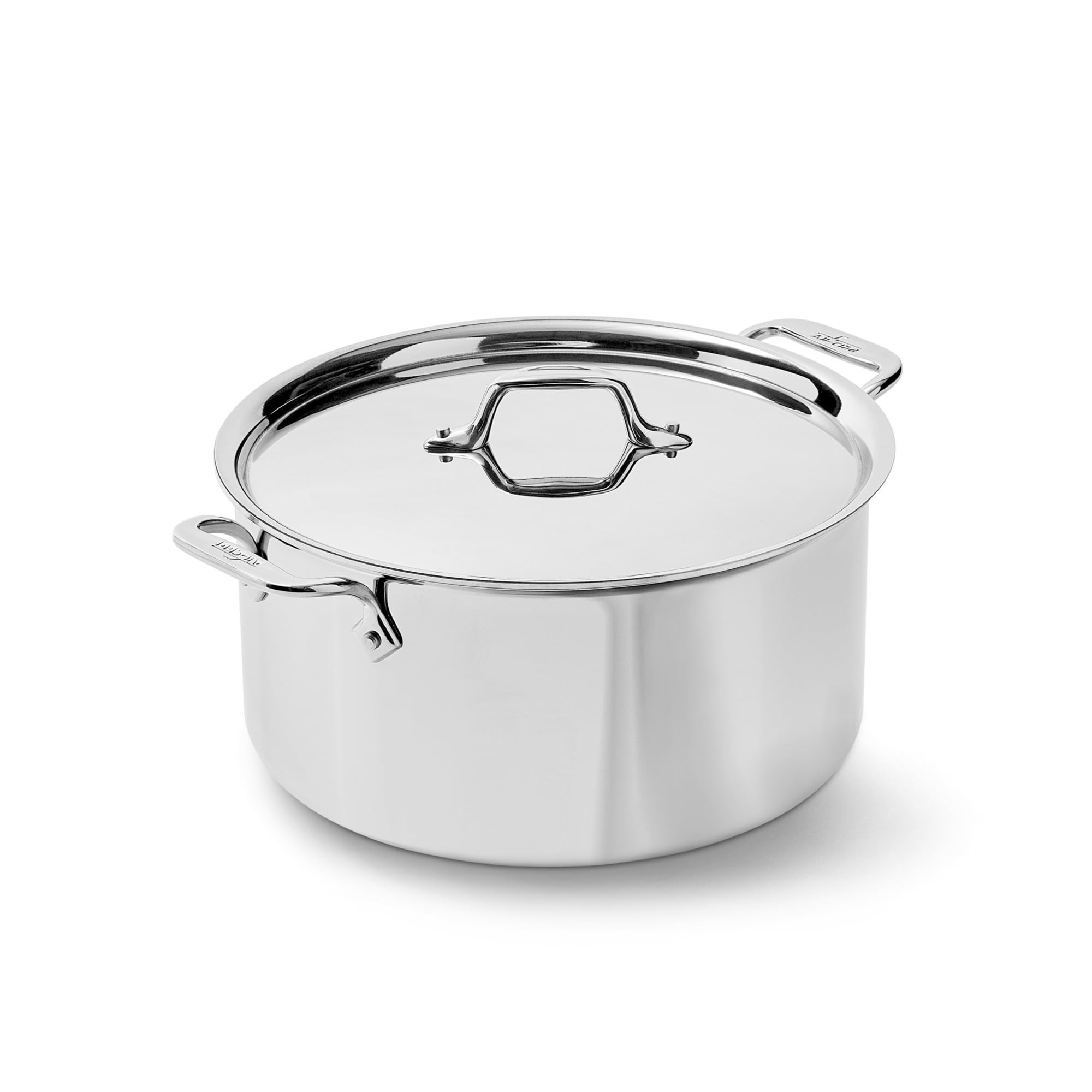
All-Clad D3 Stainless 8-Quart Stock Pot
Tall, narrow shape minimizes evaporation for long stocks and braises
Buy on Amazon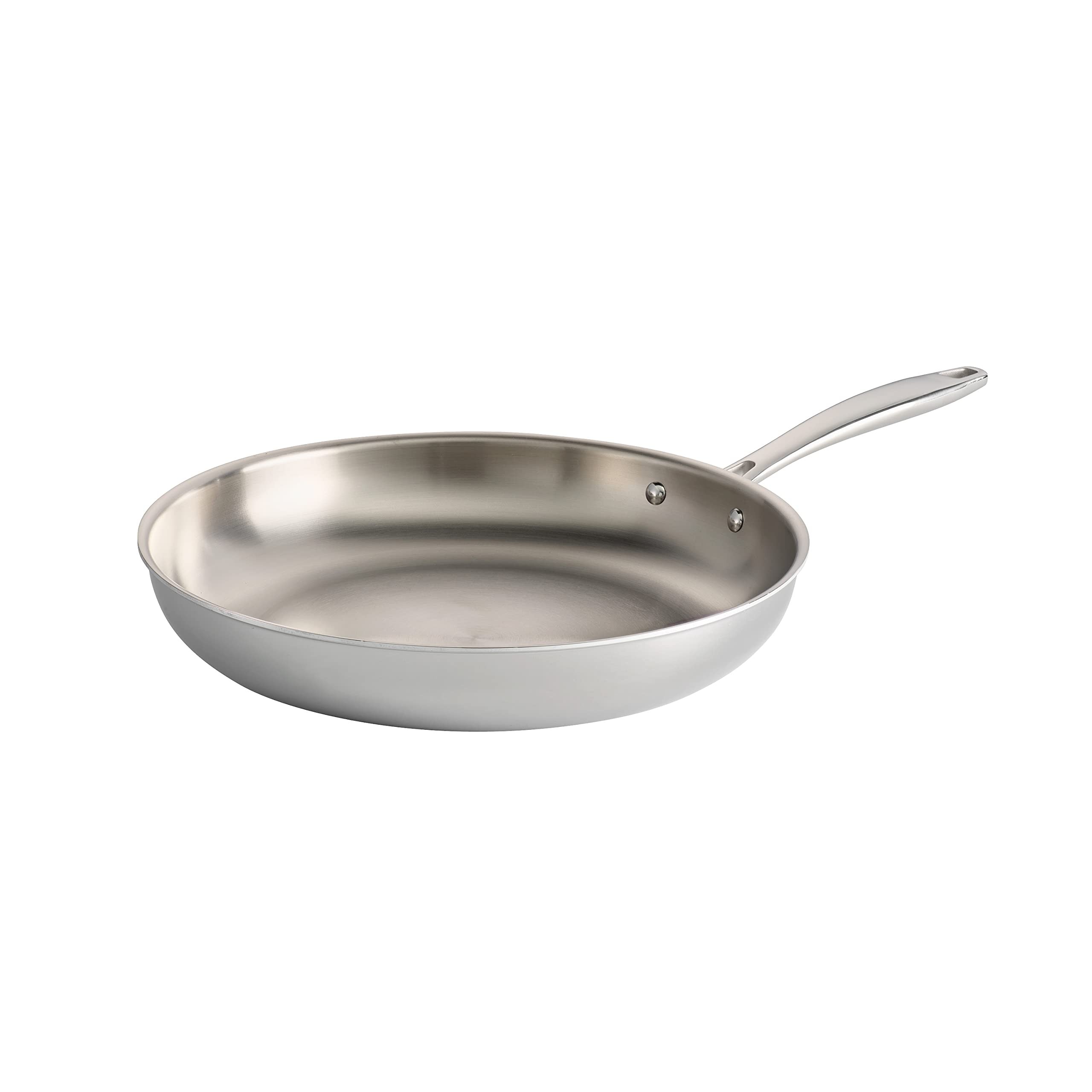
Tramontina 12-Inch Tri-Ply Clad Stainless Fry Pan
Genuine tri-ply construction , same bonding method as All-Clad at a fraction of the price
Buy on Amazon| Product | Price Range | Top Strength | Key Weakness | Buy |
|---|---|---|---|---|
| All-Clad D3 Stainless 12-Quart Stock Pot best overall | $$$ | Large enough for a full turkey carcass or a 10-pound lobster | Extremely expensive for the category , large stockpots need even heat less than smaller pans | Buy on Amazon |
| All-Clad D3 Stainless 8-Quart Stock Pot also consider | $$$ | Tall, narrow shape minimizes evaporation for long stocks and braises | Very expensive for a stockpot , function nearly identical to thin-wall alternatives | Buy on Amazon |
| Tramontina 12-Inch Tri-Ply Clad Stainless Fry Pan also consider | $$ | Genuine tri-ply construction , same bonding method as All-Clad at a fraction of the price | Slightly thinner gauge than All-Clad , marginally less heat retention | Buy on Amazon |
| Demeyere Industry 11-Inch Skillet also consider | $$$ | 5-ply TriplInduc base optimized specifically for induction cooktops | One of the most expensive stainless skillets available | Buy on Amazon |
A 12-quart stock pot is one of those purchases where the wrong choice is memorable. Too thin and you’re stirring constantly to prevent scorching. Too heavy and you can’t safely lift it off the stove when it’s full. Buy from the wrong brand and you’re replacing it in four years. This guide covers the All-Clad D3 Stainless 12-Quart Stock Pot specifically, but also the 8-quart version and two alternatives worth knowing about, because the honest answer to “which All-Clad stock pot should I buy” sometimes turns out to be “maybe not this one.” If you’re building out a full stainless setup rather than filling a single gap, the broader Stainless & Clad section covers the category from saucepans to skillets.
What to Look For in a 12-Quart Stock Pot
Construction: Does Tri-Ply Actually Matter at This Size?
The tri-ply argument for smaller pans is easy to make. A 2-quart saucepan with thin walls scorches sauces at the base while the sides stay cool. That heat differential matters. In a stock pot, you’re mostly dealing with large volumes of liquid, which self-regulate temperature far more efficiently than a pan with nothing in it.
So the honest answer is: tri-ply matters less in a stock pot than in any other piece of cookware. What it still provides is a thicker, more even base that resists hot spots when you’re reducing a large batch of stock, building a soffritto before adding liquid, or sweating aromatics. If your stove runs hot on one burner (and most do), a clad base prevents the scorching that cheaper single-ply pots are prone to on those spots.
Thin-wall alternatives like the Vollrath Wear-Ever line will boil water fine. They’ll make passable stock. But they warp faster, scorch more easily, and feel cheap in a way that accumulates over years of use.
Capacity and Shape
Twelve quarts handles a full turkey or chicken carcass comfortably, a 10-pound lobster, or a serious batch of tomato sauce. Eight quarts covers most weekly cooking and is meaningfully lighter when full. The shape matters too. A taller, narrower profile reduces evaporation over long cooks, which is exactly what you want for an eight-hour stock. A wider, shallower pot heats water faster but loses more volume over time.
Weight and Maneuverability
A 12-quart pot full of water weighs over 25 pounds. Full of stock with bones, closer to 30. If you cannot comfortably carry that from stove to sink with two hands, the 8-quart is the right choice and not a compromise. (I’ve watched enough people strain their wrists convincing themselves they needed the larger format. Get what you can handle safely.)
Compatibility and Oven Use
Induction compatibility is worth checking. All-Clad D3 is induction-compatible. Most clad stainless pots are. Oven safety varies by lid and handle material; both D3 sizes are oven-safe at temperatures most home cooks will use.
Top Picks
All-Clad D3 Stainless 12-Quart Stock Pot
The All-Clad D3 Stainless 12-Quart Stock Pot is premium pricing for a category where the premium matters less than it does in a skillet or saucepan. That’s not a reason to avoid it. It’s a reason to go in clear-eyed.
What it does well: the tri-ply construction provides a base that genuinely resists scorching, even when you’re reducing stock on a high-BTU gas burner. The tall, straight walls minimize evaporation. Some configurations include a steamer insert, which adds real utility if you’re doing shellfish or vegetables in batches. The lifetime warranty from All-Clad is real and their customer service has, in my experience, honored it without significant friction.
The weight is the real consideration. Full of water, this pot is not a one-handed operation. If your stove is not at a comfortable working height, or if you have any wrist or shoulder concerns, think carefully before committing to this size. The handles are sturdy and well-positioned, but physics still applies.
For large-batch cooks: Thanksgiving stocks, big lobster nights, annual tomato sauce production, this is a pot you buy once and use for decades. At premium pricing, the math works out over time. Check current price on Amazon.
All-Clad D3 Stainless 8-Quart Stock Pot
If the 12-quart is for the twice-a-year big event, the All-Clad D3 Stainless 8-Quart Stock Pot is for everything else. Weekly stocks, pasta water, soups, braises that need more room than a Dutch oven provides. The narrower profile relative to its height makes it one of the better stock pot shapes I’ve used for long, slow reductions.
The tri-ply argument is slightly stronger here than in the 12-quart, because you’re more likely to start an 8-quart cook with aromatics and fat before adding liquid. Scorching at that stage ruins the batch. A thin-wall pot on a hot burner spot is a liability.
I’d point anyone researching this pot toward the full All-Clad 8 Quart Stock Pot review on this site, which goes into more detail on the specific comparisons with the Demeyere Atlantis line at this size. The short version: the All-Clad D3 is premium pricing, performs reliably, and is a better fit than the 12-quart for cooks who want one pot that handles both daily use and moderate entertaining. Check current price on Amazon.
Tramontina 12-Inch Tri-Ply Clad Stainless Fry Pan
This is not a stock pot, which is worth acknowledging directly. The Tramontina 12-Inch Tri-Ply Clad Stainless Fry Pan appears here because readers researching the All-Clad D3 at this price point are often also deciding whether the All-Clad premium is justified across their whole setup, not just one pot.
On that question: Tramontina’s tri-ply construction uses the same bonding method as All-Clad. Same materials, same layering approach, made in Brazil rather than Pennsylvania. It’s mid-range pricing where All-Clad is premium, and in head-to-head cooking tests, the performance gap is narrower than the price gap. The Tramontina runs slightly thinner gauge, which shows up in heat retention on a very cold piece of protein, and the handle ergonomics are less refined.
If you’re equipping a full kitchen and budget is a real factor, Tramontina’s tri-ply line is a serious option. If you’re buying one or two pieces and want them to last 30 years, All-Clad is the better long-term bet. That’s a genuine tradeoff, not a hedge.
Demeyere Industry 11-Inch Skillet
The Demeyere Industry 11-Inch Skillet is a different product for a different problem. If you cook primarily on induction and have felt that most stainless pans produce uneven results on induction burners, the Demeyere addresses this with a TriplInduc base specifically engineered for induction performance. The 5-ply construction distributes heat more aggressively than D3 tri-ply, and the results on induction are noticeably more even.
The tradeoff is weight and price. This is one of the most expensive stainless skillets available. Heavier than All-Clad equivalents. The handle design runs cooler than most stainless handles, which I find useful but is a minor point.
For gas or electric cooktops, the Demeyere premium is harder to justify against the All-Clad D3 line. For induction users who cook seriously and have decided to invest in their setup, it’s the better tool.
How to Choose
Start with Size, Not Brand
The All-Clad D3 at 12 quarts is the right choice if you regularly cook for large groups, do big batch canning or preserving, or want a single pot that handles everything from lobster dinners to stock from a full carcass. If that’s two or three times a year, the 8-quart does the regular work better and costs less.
Readers who are building out a full All-Clad set might find the All-Clad 4 Quart Saucepan and All-Clad 2 Qt Saucepan reviews useful before committing to a full set purchase. The brand is consistent across its D3 line and the pieces work well together, though buying them individually over time is perfectly reasonable.
Assess Your Stove and Your Storage
A 12-quart pot requires a large burner and substantial storage space. It will not fit in most overhead cabinets. Measure your storage before buying. If you’re using a standard residential range with one large burner, the 12-quart will sit partially over a second burner at this diameter, which creates uneven heating regardless of construction quality.
Consider Whether Tri-Ply Is Doing Work for You
If your current pot problems are scorching at the base, a metallic taste in your stocks, or warping after a few years, tri-ply construction fixes all three. If your current pot is fine but aging, and you’re replacing it, a thinner-wall alternative at mid-range pricing does the job adequately. The All-Clad premium is justified for serious, frequent use. For a pot that lives on a back shelf and comes out four times a year, it’s optional. (Which I realize sounds like a mild argument against my own recommendation, but there it is.)
For roasting and braising work that complements your stock pot, the Mauviel Roasting Pan is worth a look. Different category, but often purchased alongside a serious stock pot investment.
The full Stainless & Clad hub covers this category in more depth if you’re making broader decisions about your cookware setup rather than filling a single gap.
Frequently Asked Questions
Is the All-Clad D3 12-quart worth the premium price for a stock pot?
For frequent, serious use, yes. The tri-ply base prevents scorching when you’re sweating aromatics before adding liquid, and the construction resists warping over decades of use. For occasional use, a thinner-wall alternative at mid-range pricing performs adequately. The premium pays off most clearly for cooks who use a stock pot weekly, not seasonally.
What is the difference between the 8-quart and 12-quart All-Clad D3 stock pots?
Capacity and weight, primarily. The 12-quart handles full carcasses and large-batch canning. The 8-quart is lighter, more manageable for daily use, and covers most home cooking scenarios including stocks for four to six people. The construction and materials are identical across both sizes.
Can the All-Clad D3 stock pot be used on induction cooktops?
Yes. The D3’s stainless exterior is induction-compatible. If induction performance is your primary concern, the Demeyere Industry line uses a base specifically engineered for induction and produces more even heating on induction burners, at considerably higher cost.
How does Tramontina tri-ply compare to All-Clad D3 in a stock pot?
Tramontina makes a genuine tri-ply clad line using the same construction method as All-Clad at mid-range pricing. In a stock pot specifically, where you’re mainly handling liquid, the gap in performance is narrower than in a skillet. Tramontina runs slightly thinner gauge and has less refined handle ergonomics, but for a budget-conscious cook, it’s a legitimate choice.
Is a 12-quart stock pot too large for a home kitchen?
For most home cooks, yes. A 12-quart pot is difficult to store, requires a large burner, and is genuinely heavy when full. The 8-quart handles the majority of home cooking tasks, including stock from a whole chicken, large pasta batches, and soups for eight to ten people. Buy the 12-quart if you have a specific recurring use case that demands the capacity, not as a default larger-is-better decision.
Frequently Asked Questions
Do I need a 12-quart stock pot or will an 8-quart do?
An 8-quart handles most home stock and soup tasks comfortably. The 12-quart becomes necessary when you're making stock from a full turkey carcass, cooking large lobster batches, or producing multiple gallons of broth at once for freezing. For everyday cooking, 12 quarts is likely more than you'll regularly fill.
Does clad tri-ply construction matter in a 12-quart stock pot?
Less than in a saucepan, but it still matters for the base. Large liquid volumes self-regulate heat efficiently, so the walls matter less. Where tri-ply earns its place is preventing hot spots on the base when sweating aromatics or reducing a large stock batch — tasks where a cheap single-ply pot can scorch.
How heavy is the All-Clad 12-quart stock pot when full?
The pot itself weighs around 7-8 pounds empty. Full of water or stock, you're managing 30+ pounds. This is why two-person lifting or a pot filler faucet is worth considering if you're routinely making very large batches — safely moving a full 12-quart off a high-BTU burner requires planning.
Is the All-Clad 12-quart stock pot induction compatible?
Yes. The All-Clad D3 stainless exterior is magnetic and works on induction, gas, electric, and ceramic cooktops. Note that very large pots may exceed the induction zone diameter on some cooktops, so check your specific induction burner's maximum diameter against the pot's base.
Are there good alternatives to All-Clad for a 12-quart stock pot?
Yes. For a stock pot specifically, Tramontina's tri-ply clad version offers the same bonding method at a lower price, and the slightly thinner gauge matters less at this size than in saucepans. Vollrath commercial thin-wall pots are another option if your use is primarily boiling rather than fond-building.
Where to Buy
All-Clad D3 Stainless 12-Quart Stock PotSee All-Clad D3 Stainless 12-Quart Stock Pot on Amazon