Caraway vs Our Place: Which Cookware Wins

Affiliate disclosure: Some links on this page are affiliate links. If you buy through them we earn a small commission at no extra cost to you. Recommendations are research-driven; we don't claim personal use of every product reviewed. Product prices and availability are accurate as of the date published and are subject to change. Always check Amazon for current pricing before purchasing. Learn more.
Quick Picks
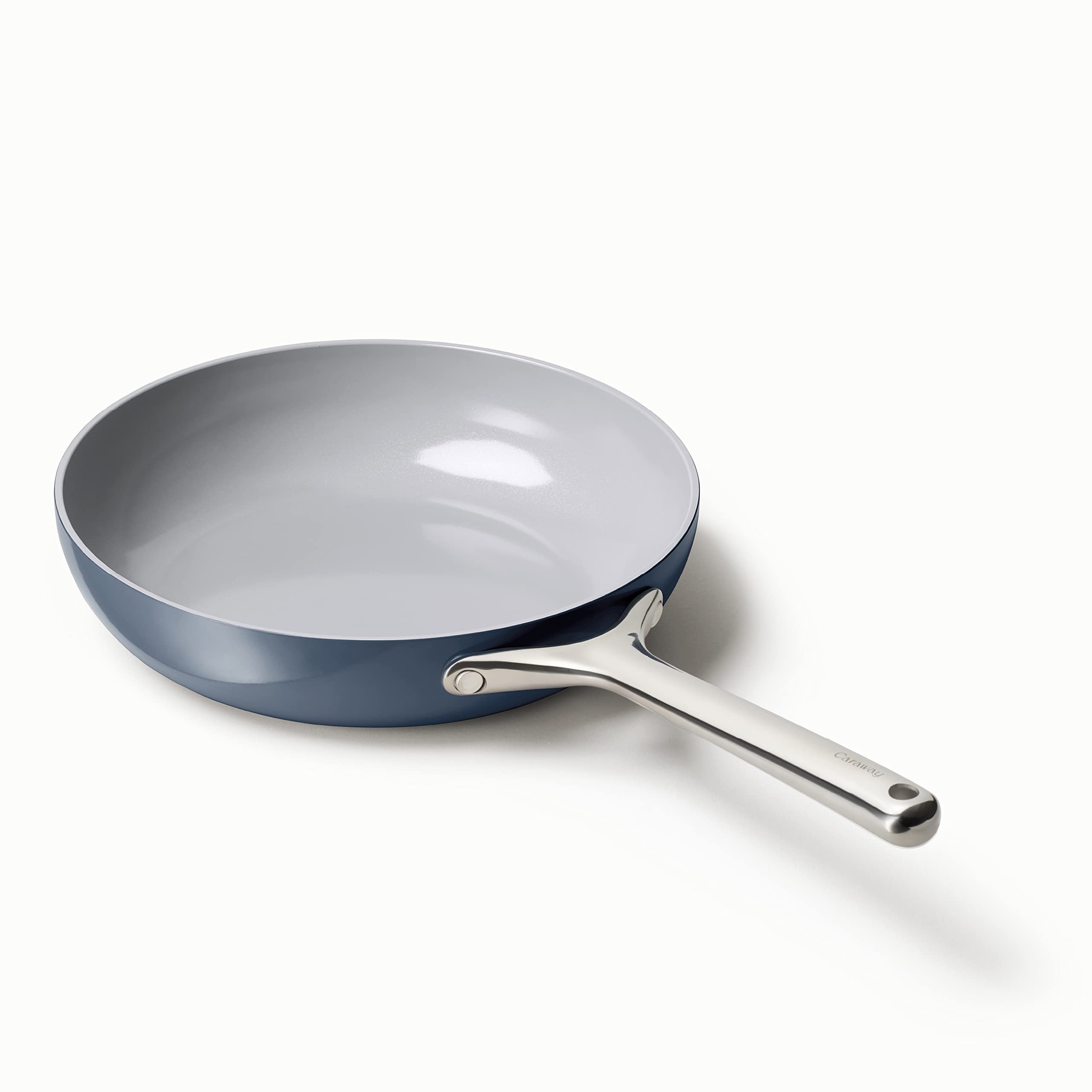
Caraway Ceramic Nonstick Frying Pan 10.5"
Ceramic-coated , PTFE and PFOA-free
Buy on Amazon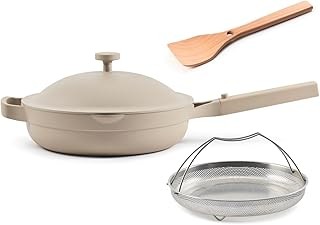
Our Place Always Pan 2.0
Designed to replace 8 traditional pans , steamer basket and spatula included
Buy on Amazon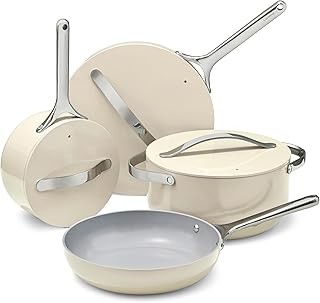
Caraway Home Cookware Set (7-Piece)
Complete set covers most cooking needs , sauce, saute, fry, and Dutch oven
Buy on Amazon| Product | Price Range | Top Strength | Key Weakness | Buy |
|---|---|---|---|---|
| Caraway Ceramic Nonstick Frying Pan 10.5" best overall | $$ | Ceramic-coated , PTFE and PFOA-free | Ceramic coating degrades faster than PTFE with high-heat or metal utensil use | Buy on Amazon |
| Our Place Always Pan 2.0 also consider | $$ | Designed to replace 8 traditional pans , steamer basket and spatula included | Jack-of-all-trades means compromises , not ideal as a dedicated saute or sear pan | Buy on Amazon |
| Caraway Home Cookware Set (7-Piece) also consider | $$ | Complete set covers most cooking needs , sauce, saute, fry, and Dutch oven | Ceramic coating lifespan is typically 1-3 years with regular use | Buy on Amazon |
| GreenPan GP5 Ceramic Nonstick 12" Skillet also consider | $$ | Thermolon Minerals ceramic coating , PFAS-free and scratch-resistant | Coating still degrades faster than PTFE with high-heat cooking | Buy on Amazon |
| HexClad 12-Inch Hybrid Stainless/Nonstick Pan also consider | $$$ | Hybrid hexagonal surface combines stainless searing with nonstick release | Very expensive for a nonstick-category pan | Buy on Amazon |
The question I get asked more than any other in the ceramic nonstick category is some version of: “Is Caraway actually worth it, or is Our Place better?” The honest answer is that they’re solving different problems, and buying the wrong one for your kitchen is a real mistake. I’ve cooked on both, along with the GreenPan GP5 and the HexClad 12-Inch Hybrid, and I have a clear recommendation for each type of buyer. Before we get there, the broader landscape of ceramic and hybrid options is covered in our Nonstick & Ceramic hub if you want the full category picture.
What to Look For in Ceramic Nonstick Cookware
Coating Type: Ceramic vs. PTFE vs. Hybrid
Every pan in this comparison uses a ceramic-based nonstick coating, which means no PTFE (Teflon) and no PFAS chemicals. That’s a legitimate selling point, not just marketing. The practical trade-off is coating durability. PTFE coatings, used in pans like the Tramontina Professional or T-fal Ultimate, typically outlast ceramic coatings under the same daily-use conditions. Ceramic degrades faster at high heat and is less forgiving of metal utensils.
The HexClad takes a different approach entirely with a hybrid surface: stainless steel peaks in a hexagonal pattern with nonstick valleys. In theory, the stainless takes the abrasion and the nonstick does the release work. Whether that justifies the premium price is something I’ll address directly below.
Oven Safety and Induction Compatibility
If you use an induction cooktop, check the base carefully. The Caraway Ceramic Frying Pan 10.5” has a magnetic stainless steel base and works on induction. The Our Place Always Pan 2.0 is also induction-compatible. Both Caraway options and the GreenPan GP5 are oven-safe to 550-600°F, which is meaningfully higher than the 350-400°F ceiling on many ceramic pans and matters if you finish dishes in the oven regularly.
Coating Longevity: The Conversation Nobody Wants to Have
Ceramic nonstick coatings last roughly one to three years under regular use. That’s not a flaw specific to Caraway or Our Place. It’s the category-wide reality. If you’re comparing this against a well-maintained carbon steel or cast iron pan you’ve had for fifteen years, ceramic nonstick loses that comparison on longevity every time. The value case for ceramic rests on ease of use and the clean-cooking chemical profile, not on lifetime durability. Buy these knowing you’ll likely replace them.
The Top Picks
Caraway Ceramic Nonstick Frying Pan 10.5”: The Focused Choice
The Caraway Ceramic Frying Pan 10.5” is the right entry point if you want to test the Caraway coating before committing to the full set. At mid-range pricing, it costs more than a standard PTFE nonstick at the same size, and you should go in knowing that. What you get is a well-constructed pan with an aluminum core, a magnetic stainless base for induction, and a 550°F oven-safe rating that’s higher than most competitors in this coating category.
The coating performs well for eggs, fish, and anything that would stick on an uncoated surface. It does not perform well if you treat it like a stainless skillet. High heat and metal utensils accelerate degradation. That’s not unique to Caraway, but buyers who don’t know that going in are the ones who leave disappointed reviews eighteen months later.
If you’re curious about where these pans are actually manufactured, I looked into that separately in Where Are Caraway Pans Made, which covers the production details Caraway’s own marketing glosses over.
Compared directly to the GreenPan GP5 12” Skillet: the GreenPan uses Thermolon Minerals ceramic and is oven-safe to 600°F, with a hard-anodized exterior that distributes heat more evenly than most pans at this price. The GreenPan is a legitimate alternative to Caraway at similar mid-range pricing, and the 12” size gives you more cooking surface. Caraway edges it on aesthetics and brand polish. GreenPan edges it on functional specs. If you’re cooking for two and aesthetics don’t factor in, the GreenPan wins on value.
Our Place Always Pan 2.0: For the Right Kitchen
The Our Place Always Pan 2.0 is designed to replace eight traditional pans. It includes a steamer basket, a spatula, a pour spout, and a lid with a steam vent. For a small kitchen with limited storage and a cook who doesn’t specialize, it’s a genuinely useful piece.
The honest caveat: “replaces eight pans” describes the range of tasks it can perform, not how well it performs each one relative to a dedicated pan. If you regularly sear proteins and want a hard crust, this is not your pan. The ceramic coating and the geometry of the Always Pan are optimized for gentler, mid-heat cooking. Use it that way and it works well. Try to use it as a ripping-hot sear pan and you’ll be disappointed and you’ll shorten the coating’s life simultaneously.
For minimalist cooks, apartment kitchens, or anyone who finds their cabinet of mismatched pans more frustrating than useful, the Always Pan makes a reasonable case for itself at mid-range pricing. For anyone who has strong opinions about their saute pan versus their braise pan, this is not a substitute for the thing you actually want.
Caraway Home Cookware Set (7-Piece): A Set Buy With Eyes Open
The Caraway Home Cookware Set covers the full range: sauce pan, saute pan, frying pan, and Dutch oven, with a magnetic pan rack and canvas lid holder included. The storage system is a genuine differentiator. If you’ve ever pulled open a cabinet and had two lids and a handle fall on you, you understand why that matters. (I have. More than once.)
The set is mid-range in price. The per-piece value is reasonable relative to buying Caraway items individually. The storage rack is worth real money if you’re rearranging a kitchen with limited cabinet depth.
The question worth asking before buying: are you comfortable paying set-level prices for cookware with a one-to-three-year coating lifespan? This is not a lifetime purchase. Caraway doesn’t claim it is, to their credit, but the pricing might suggest otherwise. If you buy this set and treat the pans correctly, avoiding high heat and metal utensils, you’ll get good years from them. If you cook daily and cook hard, budget for replacement sooner.
HexClad 12-Inch Hybrid: The Premium Hedge
The HexClad 12-Inch Hybrid Stainless/Nonstick Pan sits at premium pricing and pitches itself as the pan that ends the stainless-vs-nonstick argument. The hybrid surface is real and the metal-utensil tolerance is better than any ceramic option here. The lifetime warranty is meaningful.
My honest assessment: if you’re an experienced cook who already owns dedicated nonstick and dedicated stainless, the HexClad is a luxury you can justify if you want one workhorse pan. If you’re weighing HexClad against the Caraway set plus a good carbon steel pan, buying dedicated tools for each purpose will outperform the hybrid at either task. The HexClad is also heavier than any pan in this comparison, which matters if you’re working with it for longer cooking sessions or if hand fatigue is a factor.
For induction cooktop users who want a single do-everything pan and have the budget, it’s a defensible buy. For everyone else, the premium pricing is hard to justify when a mid-range ceramic pan handles the release work and a well-seasoned carbon steel or cast iron handles the searing. If you’re deep in the induction cookware comparison, our Viking Induction Cookware review covers the performance differences between induction-optimized pans in more detail.
How to Choose
Start with use case, not brand preference.
If you cook for yourself or one other person, rarely specialize your cooking, and want to clear out a cluttered cabinet, the Our Place Always Pan 2.0 is the honest pick. Buy it knowing its limits and it will serve you well.
If you want a single quality ceramic nonstick frying pan and are comparing Caraway against GreenPan, the GreenPan GP5 12” Skillet offers better specs at similar pricing. The Caraway Ceramic Frying Pan 10.5” is worth paying a small premium for if you prefer the aesthetics and plan to buy more Caraway pieces later.
If you’re outfitting a kitchen from scratch and want a cohesive ceramic set with a real storage solution, the Caraway Home Cookware Set is the clearest recommendation in this group. Go in knowing this is a three-to-five-year investment, not a lifetime one.
The HexClad 12-Inch is for buyers who have a specific gap a hybrid fills. It’s a premium product. Check current price on Amazon before deciding whether the premium is reasonable for your budget.
More comparison context across the full ceramic and hybrid category is available in our ceramic and nonstick cookware coverage, including how these brands stack up against older PTFE options.
Frequently Asked Questions
Is Caraway cookware actually safe? What does PTFE-free mean in practice?
Caraway uses a ceramic-based coating that contains no PTFE (polytetrafluoroethylene, the chemical used in traditional Teflon coatings) and no PFAS compounds. The safety concern with PTFE coatings is that at very high temperatures, above 500°F, they can off-gas compounds that are harmful to birds and potentially to humans with prolonged exposure. Ceramic coatings don’t carry that risk. “PTFE-free” is accurate and meaningful, not just marketing language.
How long does the Caraway coating actually last?
With correct use, meaning low to medium heat, wood or silicone utensils, and hand washing, Caraway’s ceramic coating typically holds up for one to three years. Cooking on high heat regularly, using metal utensils, or putting the pan in the dishwasher will shorten that window significantly. Caraway is transparent about this if you read the care instructions. The coating is not rated for the same longevity as a well-maintained cast iron or carbon steel pan.
Can the Our Place Always Pan replace a dedicated saute pan?
For most cooking tasks at home, yes. For cooking that requires high heat, hard searing, or the kind of fond development you get from stainless steel, no. The Always Pan is designed for mid-heat versatility: eggs, sauteed vegetables, shallow braising, steaming, sauces. If those tasks cover 80% of your daily cooking, it works well. If you regularly cook proteins that need a hard crust, a dedicated stainless or cast iron pan will do that job better.
Is the GreenPan GP5 a real alternative to Caraway, or a step down?
The GreenPan GP5 is a legitimate alternative, not a budget compromise. The Thermolon Minerals coating is PFAS-free and scratch-resistant, the hard-anodized exterior heats more evenly than most pans at this price, and the 600°F oven-safe rating exceeds what Caraway offers. The GreenPan doesn’t have Caraway’s aesthetic polish or the storage accessories that come with the Caraway set. On pure cooking performance and functional specs, they’re comparable. Check current prices on Amazon for both before deciding.
Is HexClad worth the premium over a mid-range ceramic pan?
For most home cooks, no. The hybrid surface does deliver on metal-utensil tolerance and it handles higher heat than ceramic pans. But the premium pricing puts it in a category where the comparison isn’t “HexClad vs. Caraway.” The real comparison is “HexClad vs. a mid-range ceramic pan for nonstick tasks plus a carbon steel or cast iron for searing.” Two dedicated tools will outperform the hybrid at their respective tasks, and the combined cost is likely lower than the HexClad alone. The HexClad makes sense if you specifically need one pan that handles both functions and have the budget for it.
Frequently Asked Questions
What is the main difference between Caraway and Our Place cookware?
Caraway sells individual pieces and sets optimized for specific cooking tasks like frying and sauteing. Our Place is built around the Always Pan, which is designed to replace eight traditional pans in one. Caraway is better if you want a full, purpose-built set; Our Place is better if you want one versatile pan and minimal storage footprint.
Is Our Place cookware actually nonstick?
Yes. The Our Place Always Pan uses a ceramic nonstick coating that is PTFE-free, similar in chemistry to Caraway's coating. Both perform well initially but require low-to-medium heat and non-metal utensils to preserve the coating.
Which brand lasts longer — Caraway or Our Place?
Neither ceramic coating is as durable as PTFE. Both Caraway and Our Place coatings degrade within one to three years under regular use. If longevity is a priority, GreenPan's hard anodized construction or a PTFE-based nonstick is worth considering instead.
Is Caraway or Our Place better for a small kitchen?
Our Place is designed with small kitchens in mind — the Always Pan replaces multiple pieces, reducing how much cookware you need to store. Caraway's storage system with a magnetic pan rack and canvas lid holder helps organize a multi-piece set, but it still requires more space than a single pan.
Can I use the Caraway or Our Place pans on induction?
Both Caraway's frying pan and the Our Place Always Pan are induction compatible, with magnetic stainless steel bases that work on all cooktop types including gas, electric, ceramic, and induction.
Where to Buy
Caraway Ceramic Nonstick Frying Pan 10.5"See Caraway Ceramic Nonstick Frying Pan 1… on Amazon