Caraway Ceramic Nonstick Frying Pan: Honest Review

Affiliate disclosure: Some links on this page are affiliate links. If you buy through them we earn a small commission at no extra cost to you. Recommendations are research-driven; we don't claim personal use of every product reviewed. Product prices and availability are accurate as of the date published and are subject to change. Always check Amazon for current pricing before purchasing. Learn more.
Quick Picks
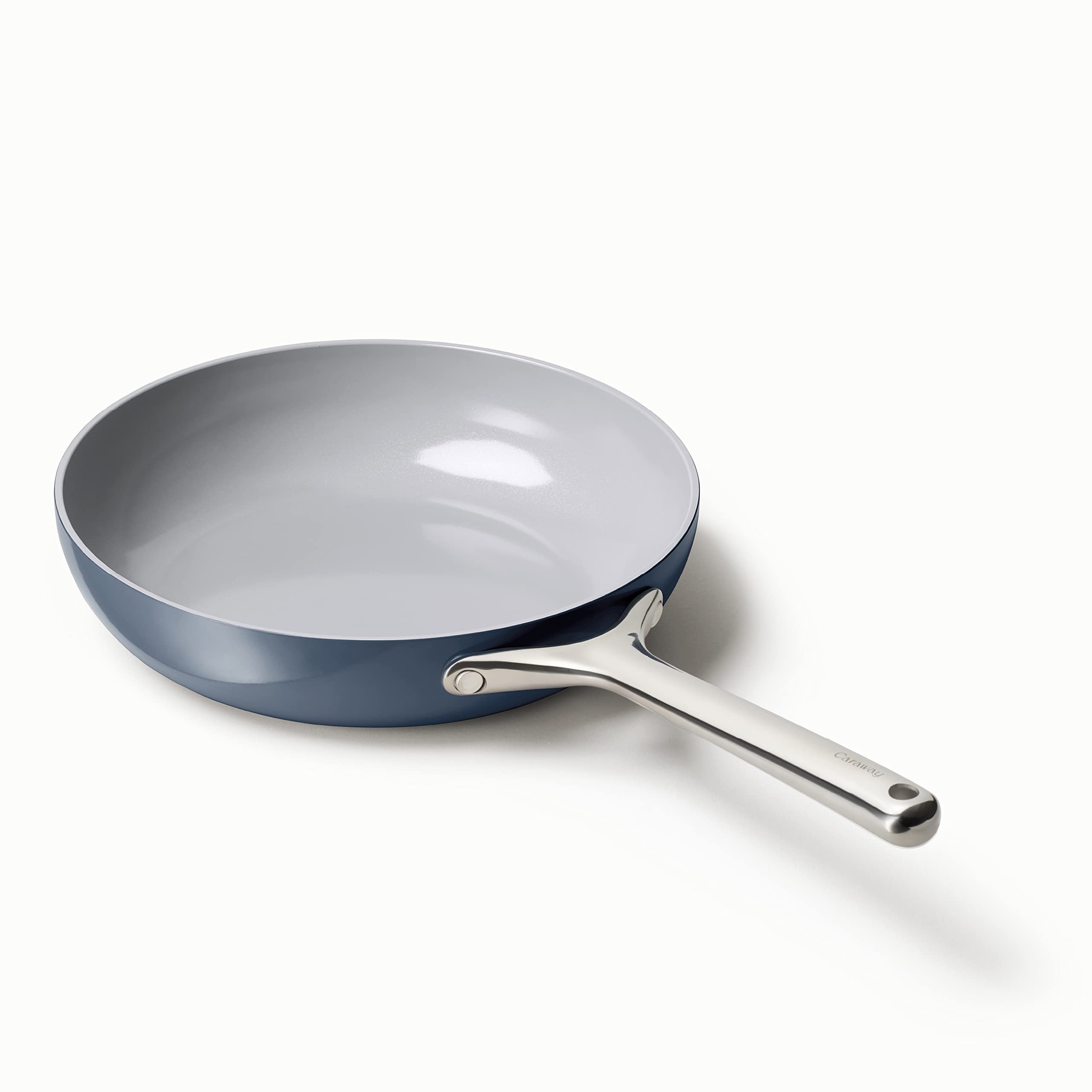
Caraway Ceramic Nonstick Frying Pan 10.5"
Ceramic-coated , PTFE and PFOA-free
Buy on Amazon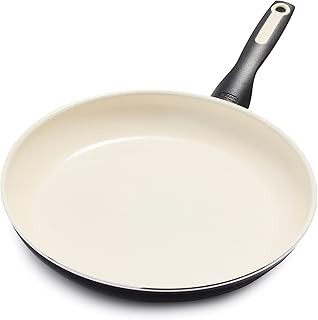
GreenPan GP5 Ceramic Nonstick 12" Skillet
Thermolon Minerals ceramic coating , PFAS-free and scratch-resistant
Buy on Amazon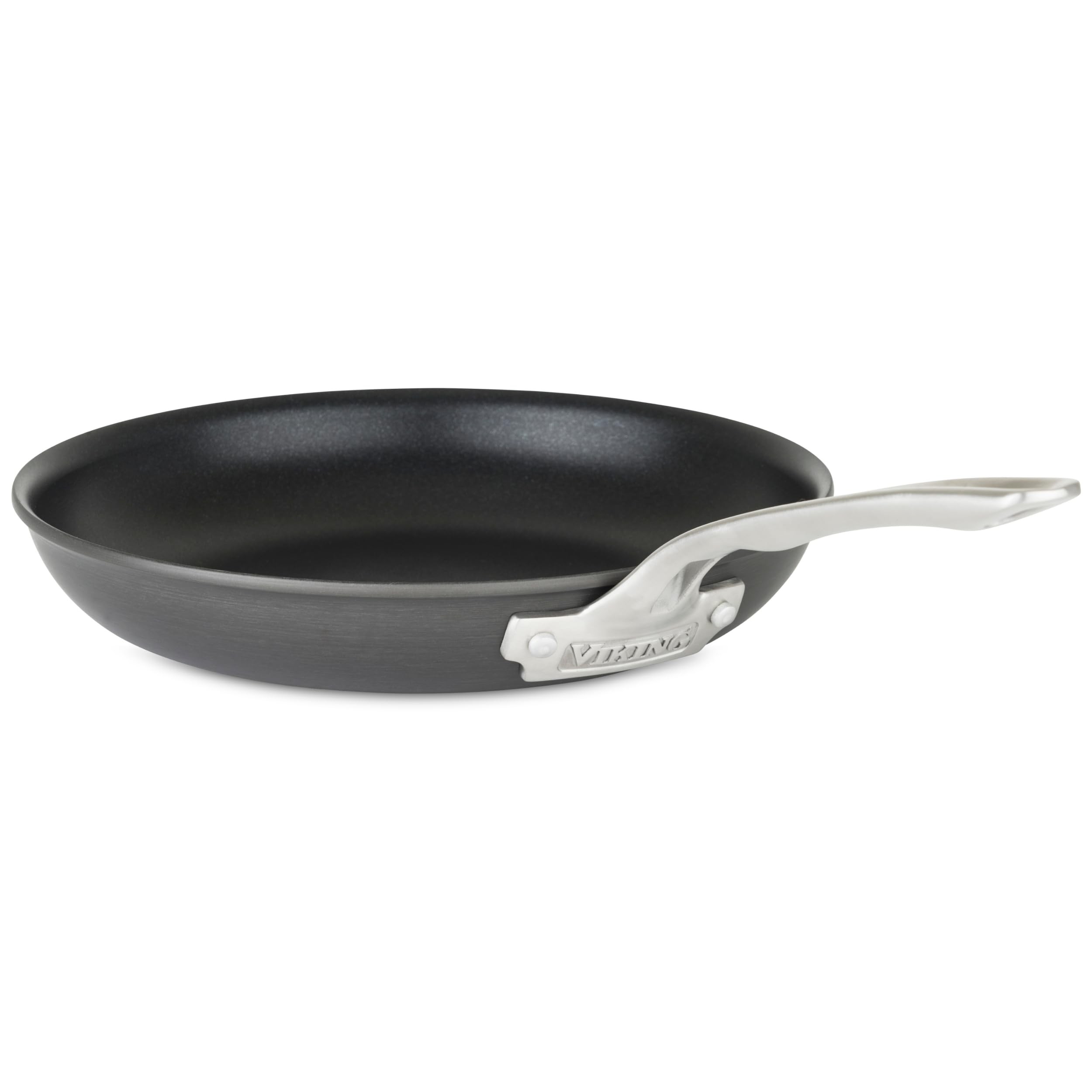
Viking Culinary Hard Anodized Nonstick 10-Inch Fry Pan
Hard anodized exterior is more durable than standard aluminum
Buy on Amazon| Product | Price Range | Top Strength | Key Weakness | Buy |
|---|---|---|---|---|
| Caraway Ceramic Nonstick Frying Pan 10.5" best overall | $$ | Ceramic-coated , PTFE and PFOA-free | Ceramic coating degrades faster than PTFE with high-heat or metal utensil use | Buy on Amazon |
| GreenPan GP5 Ceramic Nonstick 12" Skillet also consider | $$ | Thermolon Minerals ceramic coating , PFAS-free and scratch-resistant | Coating still degrades faster than PTFE with high-heat cooking | Buy on Amazon |
| Viking Culinary Hard Anodized Nonstick 10-Inch Fry Pan also consider | $$ | Hard anodized exterior is more durable than standard aluminum | PTFE coating will eventually degrade with use | Buy on Amazon |
| Caraway Home Cookware Set (7-Piece) also consider | $$ | Complete set covers most cooking needs , sauce, saute, fry, and Dutch oven | Ceramic coating lifespan is typically 1-3 years with regular use | Buy on Amazon |
Ceramic nonstick has a branding problem. The marketing is cleaner than PTFE ever managed , no “forever chemicals,” better aesthetics, a story about healthy cooking that resonates with a lot of buyers. But the actual performance picture is more complicated, and if you’re spending mid-range money on a pan you expect to last, that matters. This guide focuses on the Caraway Ceramic Nonstick Frying Pan 10.5” specifically, because it’s the product most people are actually searching for, but I’ve included three other pans so you can make a comparison that’s actually useful. For more on this category generally, the Nonstick & Ceramic section covers a wider range of options.
What to Look For in a Ceramic Nonstick Frying Pan
Coating Type: Ceramic vs. PTFE
The first thing to understand is that “ceramic” and “PTFE” (traditional nonstick, sold under brand names like Teflon) are not interchangeable coatings with equivalent performance. Ceramic coatings are free of PTFE and PFAS compounds, which is genuinely the selling point, but they degrade faster under heat and with abrasive use. PTFE coatings are more durable at the same price point and hold their release longer. If you’ve ever had a “nonstick” pan that stopped being nonstick after a year of regular use, ceramic is probably what you were using.
That’s not a reason to avoid ceramic. It’s a reason to go in with accurate expectations.
Heat Tolerance and Oven Safety
Oven-safe temperature ratings matter more than most buyers check. A pan rated to 400°F has a different use profile than one rated to 550°F or 600°F. If you ever finish a frittata in the oven, sear something and want to carry it through, or cook at higher stovetop temperatures, the rating ceiling affects you directly.
Base Material and Induction Compatibility
Ceramic coatings go on top of various base materials, and the base determines induction compatibility. Magnetic stainless steel bases work on induction. Standard aluminum does not. If you have an induction cooktop, check this before you buy. (I have both induction and gas in my current kitchen, which made this a non-negotiable filter for my own purchases.)
Handle Design
An uncomfortable handle at 20 minutes of cooking time is a design failure that no coating quality compensates for. Long sessions reveal this. Short sessions don’t.
Top Picks
Caraway Ceramic Nonstick Frying Pan 10.5”
The Caraway Ceramic Nonstick Frying Pan 10.5” is the obvious starting point here. It uses a ceramic coating that is PTFE-free and PFOA-free, with a magnetic stainless steel base that works on induction. The oven-safe rating goes to 550°F, which is higher than most ceramic pans at this size and price point. That’s a real differentiator in this category.
The 10.5” diameter is practical for one to two portions. Eggs, a single sautéed vegetable side, fish fillets. If you’re cooking for four regularly, you’ll want the 12” or the full set (covered below).
The coating is where I want to be direct with you. Caraway’s ceramic performs well out of the box. The release is good, the surface cleans easily, and the pan handles eggs without fuss. But ceramic coatings as a category degrade faster than PTFE, typically within one to three years of regular use, especially if you’re cooking at higher temperatures or using anything other than silicone or wood utensils. The Caraway is not exempt from this. If you want to understand the full picture of owner experience before buying, including the long-term complaints, the Caraway cookware bad reviews piece covers exactly that.
At mid-range pricing, Caraway is more expensive than a comparable PTFE pan. Whether that premium is justified depends on why you’re buying ceramic in the first place. If PTFE-free is important to you, the Caraway is a well-made, induction-compatible option in this category. If coating longevity is your primary concern, PTFE will outperform it at the same price point.
If you’re curious about where the pans are actually produced, that’s covered separately on the site in the where Caraway pans are made article.
GreenPan GP5 Ceramic Nonstick 12” Skillet
The GreenPan GP5 Ceramic Nonstick 12” Skillet is the more affordable ceramic alternative, and it’s a legitimate comparison to make against the Caraway. GreenPan uses their Thermolon Minerals coating, which is PFAS-free and marketed as scratch-resistant. The hard anodized exterior adds durability that standard aluminum-bodied pans don’t have. Oven-safe to 600°F, which is the highest rating in this group.
The 12” size gives you more cooking surface. That matters if you’re regularly doing four eggs at once, sautéing a full pound of vegetables, or cooking proteins for more than two people.
My honest take: the GreenPan GP5 and the Caraway 10.5” are solving for the same problem (PTFE-free ceramic nonstick, induction-compatible) at similar price points, with the GreenPan giving you more square footage. The Caraway has stronger brand presence and more aesthetic appeal if that matters to you. The GreenPan is the better value for surface area per dollar, assuming the Thermolon coating holds up similarly over time in your kitchen.
The handle comfort issue is real on longer cooking sessions. Not a deal-breaker, but if you regularly stand at the stove for 30-plus minutes, factor that in.
Viking Culinary Hard Anodized Nonstick 10-Inch Fry Pan
The Viking Culinary Hard Anodized Nonstick 10-Inch Fry Pan is the PTFE option in this group, and I’ve included it because some buyers arrive at the Caraway search and what they actually want is a durable nonstick pan at a reasonable price. If that’s you, PTFE is worth reconsidering.
The Viking uses a PTFE coating on a hard anodized aluminum body. PTFE will outperform ceramic on coating longevity at the same price point, and Viking’s hard anodized exterior is more durable than standard aluminum. Oven-safe to 400°F, which is the lowest ceiling in this group, and induction-compatible via the base construction.
Viking’s brand recognition in this segment runs below All-Clad or Calphalon, which are the names most buyers think of first for mid-range PTFE nonstick. That’s fair. But the pan performs well for what it is, and for buyers who prioritize coating durability over ceramic’s chemical profile, this is the more practical choice at this price band. If you’re specifically shopping for induction-compatible nonstick, the non-stick cookware for induction guide covers the full field.
Caraway Home Cookware Set (7-Piece)
The Caraway Home Cookware Set (7-Piece) is for buyers who want the full Caraway system rather than a single pan. The set includes a sauce pan, saute pan, fry pan, and Dutch oven, plus Caraway’s magnetic pan rack and canvas lid holder. The storage system is genuinely well-designed. Anyone who has stacked ceramic pans and watched them scratch each other will recognize what that solves.
The set is available in multiple colorways and the aesthetic is cohesive in a way that most cookware sets aren’t. Whether that matters to you is your call. It matters to some kitchens more than others.
Here’s what I want to say plainly about the set: ceramic coatings last one to three years with regular use. This is not a lifetime cookware purchase. If you’re accustomed to buying cast iron or stainless that you’ll pass down, the Caraway set requires a different mental model. You are buying a well-made, PTFE-free system with a finite coating life. At mid-range pricing for a seven-piece set, the per-piece cost isn’t unreasonable, but the replacement cycle should factor into how you think about the investment.
Caraway also makes a stainless fry pan if you want the brand’s build quality without the ceramic coating question. That’s covered in the Caraway stainless steel fry pan review.
How to Choose
Start with why you’re buying ceramic in the first place. If the PTFE-free / PFAS-free angle is what brought you here, you’re choosing between the Caraway 10.5” and the GreenPan GP5. Both are PFAS-free, both are induction-compatible, both sit in mid-range pricing. The Caraway is smaller and has a higher brand profile. The GreenPan gives you more cooking surface and a higher oven-safe ceiling. If you cook for one to two people, the Caraway 10.5” is adequate. If you cook for three or more, the GreenPan’s 12” surface is more useful and costs less per square inch of cooking area.
If you’re equipping a kitchen from scratch and want a complete system rather than a single pan, the Caraway 7-piece set is the most practical option in this group. Go in knowing it’s a medium-term purchase, not a permanent one.
If coating longevity matters more to you than chemical profile, buy the Viking Culinary or look at a Calphalon Classic, and accept that you’re using PTFE. A PTFE pan used correctly at medium heat with appropriate utensils will outlast a ceramic pan at the same price point. That’s not marketing. That’s the physical reality of the two coatings.
One thing that applies across all four of these pans: buy the right utensils and use them. Ceramic coatings in particular are unforgiving with metal utensils. The Hexclad utensil set is one option in this space, though silicone or wood is the sensible choice for any nonstick surface.
For a broader look at what’s available across the ceramic and PTFE nonstick category before you decide, the Nonstick & Ceramic section is worth a look.
Frequently Asked Questions
Is the Caraway ceramic nonstick frying pan actually worth the price?
At mid-range pricing, it’s worth the price if PTFE-free is your priority and you’re cooking for one to two people. The 550°F oven-safe rating is above average for ceramic at this size, and the induction compatibility adds utility. If coating longevity is the primary concern, a PTFE pan at the same price point will outlast it.
How long does the Caraway ceramic coating last?
With regular use, ceramic coatings typically last one to three years before the release quality degrades noticeably. High-heat cooking and metal utensil use accelerate that timeline. This is a category-wide limitation of ceramic coatings, not specific to Caraway.
Can I use the Caraway frying pan on an induction cooktop?
Yes. The Caraway 10.5” frying pan has a magnetic stainless steel base and is induction-compatible. Same for the full Caraway 7-piece set.
What’s the difference between the Caraway and the GreenPan GP5?
Both are PFAS-free ceramic nonstick pans in the mid-range price band with induction-compatible bases. The GreenPan GP5 is a 12” skillet with a 600°F oven-safe rating and a hard anodized exterior. The Caraway 10.5” has a smaller cooking surface and a 550°F rating but stronger brand recognition and a more refined aesthetic. For cooking surface per dollar, the GreenPan is the better value.
Is ceramic nonstick safer than PTFE?
Modern PTFE coatings used in cookware are considered safe at normal cooking temperatures. The concern with older PTFE formulations centered on PFOA, which has been phased out of manufacturing. Ceramic coatings are PTFE and PFAS-free, which makes them a reasonable choice if you prefer to avoid those materials entirely. That’s a personal decision, not a medical one, and the trade-off is coating durability.
Frequently Asked Questions
Is the Caraway ceramic frying pan actually nonstick?
Yes, when new the Caraway ceramic frying pan has strong nonstick release comparable to PTFE pans. The coating performs best at low to medium heat with silicone or wooden utensils; high heat and metal utensils degrade the ceramic surface faster than traditional nonstick.
How long does the Caraway frying pan's ceramic coating last?
With proper care — low to medium heat, no metal utensils, hand washing — most buyers get one to three years of good nonstick performance. Coating longevity is the most common complaint in long-term reviews.
Is Caraway's ceramic coating safe to cook with?
Yes. Caraway's ceramic coating is free of PTFE, PFOA, and PFAS chemicals, which is its primary health-focused selling point. The coating is considered safe at the temperatures used in normal cooking.
Does the Caraway frying pan work on induction cooktops?
Yes. The Caraway ceramic frying pan has a magnetic stainless steel base that makes it compatible with induction, gas, electric, and ceramic cooktops.
How does the Caraway frying pan compare to GreenPan?
Both use ceramic nonstick coatings free of PTFE and PFAS. The GreenPan GP5 comes in a larger 12-inch size versus the Caraway's 10.5 inches, and its hard anodized exterior is more durable. GreenPan is also oven-safe to 600°F versus the Caraway's 550°F. Your choice depends on size preference and whether you prioritize Caraway's aesthetics or GreenPan's construction.
Where to Buy
Caraway Ceramic Nonstick Frying Pan 10.5"See Caraway Ceramic Nonstick Frying Pan 1… on Amazon