Demeyere John Pawson Cookware: What Happened & What's Left

Affiliate disclosure: Some links on this page are affiliate links. If you buy through them we earn a small commission at no extra cost to you. Recommendations are research-driven; we don't claim personal use of every product reviewed. Product prices and availability are accurate as of the date published and are subject to change. Always check Amazon for current pricing before purchasing. Learn more.

Quick Picks
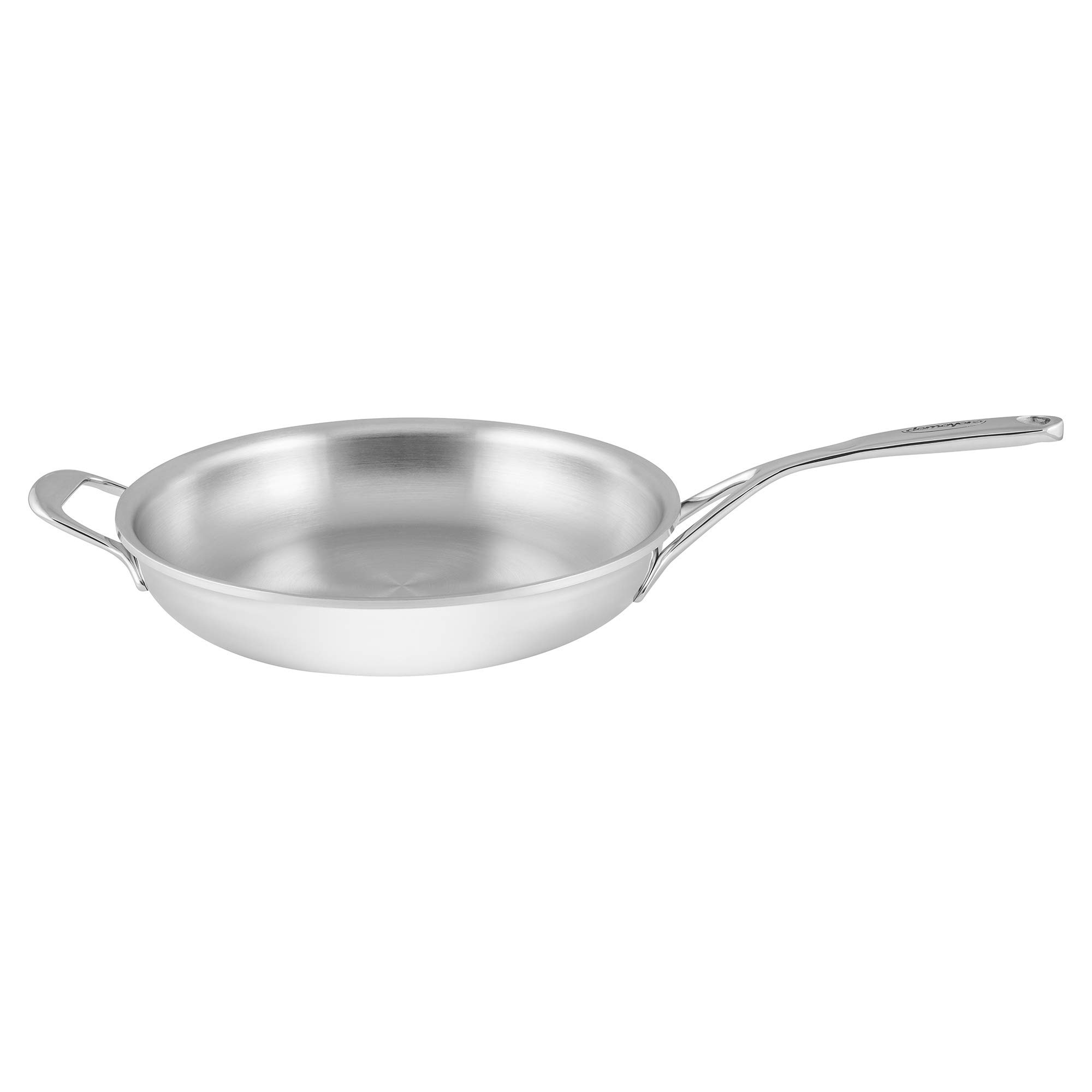
Demeyere Atlantis/Proline 11-Inch Fry Pan
Silvinox surface treatment prevents fingerprints and maintains satin finish
Buy on Amazon
Demeyere Industry 11-Inch Skillet
5-ply TriplInduc base optimized specifically for induction cooktops
Buy on Amazon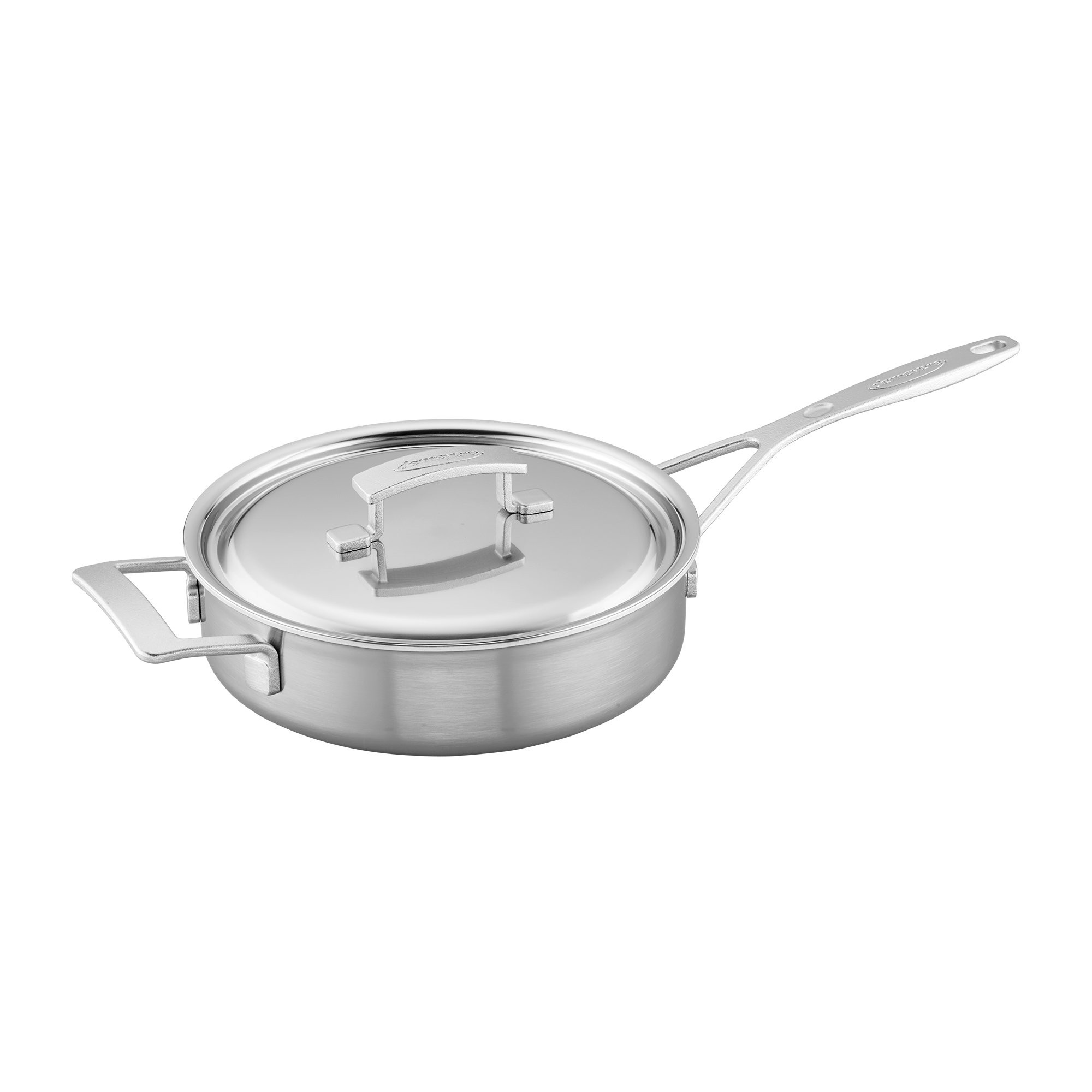
Demeyere Industry 5-Quart Saute Pan
Tall straight walls handle large batches without spilling during stirring
Buy on Amazon| Product | Price Range | Top Strength | Key Weakness | Buy |
|---|---|---|---|---|
| Demeyere Atlantis/Proline 11-Inch Fry Pan best overall | $$$ | Silvinox surface treatment prevents fingerprints and maintains satin finish | Most expensive pan in the Demeyere range , professional-grade pricing | Buy on Amazon |
| Demeyere Industry 11-Inch Skillet also consider | $$$ | 5-ply TriplInduc base optimized specifically for induction cooktops | One of the most expensive stainless skillets available | Buy on Amazon |
| Demeyere Industry 5-Quart Saute Pan also consider | $$$ | Tall straight walls handle large batches without spilling during stirring | Heavy even before adding food | Buy on Amazon |
| Demeyere Industry 5-Piece Cookware Set also consider | $$$ | Complete core set , two saucepans, saute pan, and stock pot | One of the most expensive cookware sets available | Buy on Amazon |
| All-Clad D3 Stainless 12-Inch Fry Pan also consider | $$$ | Tri-ply construction bonds stainless and aluminum for perfectly even heating | Stainless surface requires technique to prevent sticking , not beginner-friendly | Buy on Amazon |
The name “Demeyere John Pawson” gets searched often enough that it’s worth addressing directly: John Pawson, the British minimalist architect, collaborated with Demeyere on a cookware line that has since been discontinued and absorbed into what is now the broader Demeyere premium range. If you’ve been searching for that specific collection and coming up empty, that’s why. What remains is something arguably more useful: a current lineup from Demeyere that carries the same design philosophy forward, with the engineering credentials to back it up.
This guide covers the Demeyere pieces most worth considering right now, how they compare to the All-Clad D3 (which is the benchmark most serious cooks use for reference), and which one actually makes sense depending on how you cook. If you’re building out a serious stainless setup, the Stainless & Clad hub has the broader context. For this article, we’re staying focused on the Demeyere question specifically.
What to Look For in Premium Stainless Cookware
Belgian-made versus American-made matters less than construction philosophy, and Demeyere’s philosophy is different from All-Clad’s in a specific way: rather than running the same tri-ply or five-ply construction all the way through the pan, Demeyere concentrates its heaviest thermal mass in the base and uses a thinner wall above it. The InductoSeal and TriplInduc base systems are where most of the engineering investment sits.
For gas and electric cooktops, this is a reasonable tradeoff. For induction, it’s more than reasonable. Induction heats through the base, and Demeyere’s base construction is purpose-built for exactly that. All-Clad’s D3 runs the aluminum core up through the walls, which gives you more uniform heat across the entire cooking surface. Neither approach is wrong. They solve slightly different problems.
Weight is a real consideration here, not a theoretical one. If you’ve ever tried to toss vegetables one-handed in a heavy pan and felt your wrist give out halfway through, the Demeyere line will not make that better. If you cook on induction and care about sear quality and browning evenness, it’s worth the weight.
Surface treatment matters too. Demeyere’s Silvinox process removes iron and carbon from the surface steel, leaving a more chromium-rich layer that resists fingerprints and discoloration over time. After years of regular use, a Demeyere pan still looks like it was purchased last month. That’s not cosmetic vanity. A degraded surface is harder to keep clean, and a harder-to-clean pan gets used less carefully.
Top Picks
Demeyere Atlantis/Proline 11-Inch Fry Pan
The Demeyere Atlantis/Proline 11-Inch Fry Pan is the top of the Demeyere range, and the pricing reflects that without apology. Seven-ply construction, the Silvinox surface, and an InductoSeal base rated for 10,000 heating cycles. I’ve cooked with this pan long enough to tell you the base stays flat, the surface cleans up easily, and it browns protein the way a heavy professional pan should.
The weight is not trivial. One-handed tossing isn’t happening. If that’s your technique with a lot of dishes, this pan will change your approach or frustrate you. For braising, searing, and anything that benefits from sustained, even heat, it’s the best stainless fry pan I’ve used.
Priced at the top of the premium category. Check current pricing on Amazon, but plan for this to be one of the more expensive single-pan purchases you make. Worth it if you want the best available and won’t be making that decision again for twenty years. Not worth it if you’re still building your technique.
Demeyere Industry 11-Inch Skillet
The Demeyere Industry 11-Inch Skillet is where I’d actually start most buyers. Five-ply construction with the TriplInduc base, Belgian-made, lifetime warranty. It’s still premium pricing, but it’s meaningfully less expensive than the Atlantis while delivering the same induction-optimized base performance.
The handle design is worth mentioning: it stays cooler longer than most stainless pans, which sounds minor until you’ve burned your palm reaching for what you assumed was a cool handle. (I have done this more than once with the All-Clad D3, which runs hotter along the handle than I’d prefer.)
For the Demeyere-versus-All-Clad question, the detailed breakdown is in the Demeyere vs All-Clad comparison on this site. Short version: if you cook on induction and care about base performance, Demeyere wins. If you cook on gas and want full-wall aluminum distribution, the D3 has a legitimate argument. Both are lifetime pans if you treat them reasonably.
Demeyere Industry 5-Quart Saute Pan
The Demeyere Industry 5-Quart Saute Pan solves a problem that comes up more often than people expect: you’re reducing a large batch of sauce, or braising something that needs to be stirred without losing half of it over the side of the pan. The tall straight walls handle volume. The TriplInduc base means induction users aren’t fighting hot spots when the pan is loaded.
This is nearly double the price of a comparable All-Clad saute pan, and I won’t pretend the All-Clad isn’t a good pan. It is. But if you’re already using Demeyere pieces and want consistent performance across the set, building toward the Industry line in a saute pan makes sense. If you’re buying a standalone saute pan and don’t already have a Demeyere investment, the All-Clad D3 saute pan is worth a serious look first.
Heavy before you add food. With a full braise inside it, this is a two-handed operation. Account for that if you have wrist or grip limitations.
Demeyere Industry 5-Piece Cookware Set
The Demeyere Industry 5-Piece Cookware Set is what you’re looking at if you’re going all-in on Demeyere rather than building piece by piece. Two saucepans, a saute pan, and a stock pot. Induction-optimized across every piece, lifetime warranty, Belgian-made.
The notable gap: no skillet. If you’re buying this set and expect a complete kitchen setup from it, you’ll need to add the Industry 11-Inch Skillet separately, which pushes the total cost higher. Compare that against building an equivalent All-Clad D3 set piece by piece and you’ll find the Demeyere set is substantially more expensive. Whether that’s worth it depends on how seriously you cook on induction and how long you plan to keep the cookware.
For buyers transitioning from a mid-range set (Cuisinart Multiclad, Tramontina Tri-Ply) to something lifetime-grade, this is a significant step up. For buyers already running All-Clad, it’s a lateral move with different tradeoffs rather than a clear upgrade. Check current pricing on Amazon for the set and price out the skillet addition before committing.
All-Clad D3 Stainless 12-Inch Fry Pan
The All-Clad D3 Stainless 12-Inch Fry Pan is the American tri-ply benchmark, and it’s been that benchmark long enough that I cooked with one for eight years before switching. Made in the USA, oven-safe to 600°F, lifetime warranty, and the tri-ply construction genuinely does distribute heat evenly across the full cooking surface including the walls.
The stainless surface requires technique. If you’re putting a cold piece of protein in a pan that isn’t hot enough and then wondering why everything sticks, the pan isn’t failing, the technique is. That’s true of all stainless, but the D3’s surface is unforgiving enough that it’s worth saying plainly.
At premium pricing but notably below the Demeyere Atlantis, it’s a more accessible entry point into lifetime stainless. For gas cooktop users, it’s a stronger case against Demeyere than it is for induction users. On induction, the TriplInduc base is doing something the D3 tri-ply doesn’t quite replicate in base efficiency.
If you’re exploring the broader category of high-performance stainless cookware, the full stainless cookware guide covers the range from 18/10 construction to clad alternatives.
How to Choose
Start with your cooktop. Gas or electric: the All-Clad D3 has a strong case based on full-wall construction and a lower price relative to Demeyere. Induction: the Demeyere Industry line’s TriplInduc base is purpose-built for your setup and the difference shows in browning evenness and heating speed.
Then decide whether you’re buying one pan or building a set. If you want a single, serious fry pan and aren’t committed to a brand, the Demeyere Industry 11-Inch Skillet is where I’d put the money. If you’re outfitting a kitchen and want everything to work together on induction, the Demeyere Industry 5-Piece Set plus the skillet is a coherent answer, even if the total cost is substantial.
The Atlantis/Proline is for buyers who want the top of the Demeyere range regardless of price. If the weight doesn’t bother you and you want the best stainless fry pan currently available, it’s the answer. If you’re weighing cost against performance, the Industry line gets you ninety percent of the way there at a lower price.
Skip the Demeyere line entirely if you’re still developing technique. A Tramontina Tri-Ply or the All-Clad D3 will teach you stainless cooking effectively and hold up for years. Premium Belgian construction is wasted on a pan that gets used tentatively.
If you find yourself also considering carbon steel or copper as alternatives for specific cooking tasks, the Mauviel carbon steel cookware review covers a different approach that some serious cooks prefer for high-heat work.
Frequently Asked Questions
Is Demeyere actually better than All-Clad, or is it just more expensive?
For induction cooktops, the Demeyere Industry and Atlantis lines perform better than the All-Clad D3 based on base construction and heating efficiency. For gas cooking, the All-Clad D3’s full-wall tri-ply construction gives you more even heat across the cooking surface, and the case for paying more for Demeyere becomes harder to make. Both are lifetime-grade pans. The difference is real, but it’s a difference in type rather than a simple quality ranking.
What happened to the Demeyere John Pawson cookware line?
The Demeyere John Pawson collection was a collaboration with architect John Pawson built around a minimalist aesthetic. It has been discontinued as a named line. The engineering that defined it carried forward into the Demeyere Atlantis and Industry ranges, which are current production and available through Amazon. If you’re specifically looking for John Pawson-branded pieces, you’ll be shopping used or old inventory.
How do I keep a Demeyere stainless pan from sticking?
Preheat the pan until water droplets bead and roll (the Leidenfrost effect, if you want to look it up). Add fat after the pan is hot, let it heat briefly, then add food. Cold protein straight from the refrigerator into a properly preheated stainless pan will stick less than most people expect. If you’re having consistent sticking problems, the pan is almost certainly not hot enough before food goes in.
Is the Demeyere lifetime warranty actually useful?
Demeyere’s lifetime warranty covers manufacturing defects. It doesn’t cover damage from overheating, warping from thermal shock, or cosmetic wear. For a well-made Belgian pan used correctly, the warranty isn’t something you’ll need often. What matters more is that Demeyere pans are built to a standard where the warranty is rarely invoked, not that the warranty terms are unusually generous.
Can I use Demeyere cookware in the oven?
Yes. The Demeyere Industry and Atlantis pieces are oven-safe. Check the specific product listing on Amazon for the rated temperature of the piece you’re considering, as it varies by handle construction. The stainless handles on most Industry pieces handle oven use without issue. Anything with a silicone or composite handle component would have a lower temperature limit, though most Demeyere pieces in this range use stainless throughout.
Frequently Asked Questions
Is the Demeyere John Pawson cookware collection still available?
No. The John Pawson collaboration with Demeyere has been discontinued and is no longer in regular production. Remaining pieces occasionally surface on secondary markets, but new stock is not available through standard retail channels. The current Demeyere Atlantis and Industry lines carry the same minimalist design philosophy and engineering.
What is a good alternative to Demeyere John Pawson cookware?
The Demeyere Atlantis line is the closest current equivalent in terms of design minimalism and engineering quality. It features the same Silvinox surface treatment, weld-on handles (no rivet buildup), and InductoSeal base technology that the John Pawson collaboration was built on.
Who was John Pawson and what was his role in the Demeyere cookware line?
John Pawson is a British minimalist architect known for pared-down, functional design. He collaborated with Demeyere to apply his design philosophy to premium cookware — eliminating unnecessary visual detail while preserving professional-grade construction. The resulting line was well-regarded for its clean aesthetic.
What is Demeyere's Atlantis line and how does it compare to the John Pawson collection?
The Atlantis line is Demeyere's current flagship, featuring 7-ply InductoSeal base construction, Silvinox surface treatment, and weld-on handles. It shares the same minimalist functional design approach as the John Pawson collection and represents the continuation of that aesthetic within Demeyere's active lineup.
Is Demeyere cookware compatible with all cooktops?
Yes. Demeyere's Industry and Atlantis lines work on gas, electric, ceramic, halogen, and induction cooktops. The base construction is specifically optimized for induction efficiency, making Demeyere a particularly strong choice for induction cooking.
Where to Buy
Demeyere Atlantis/Proline 11-Inch Fry PanSee Demeyere Atlantis/Proline 11-Inch Fry… on Amazon