Dry Blade Container for Vitamix: Buyer's Guide

Affiliate disclosure: Some links on this page are affiliate links. If you buy through them we earn a small commission at no extra cost to you. Recommendations are research-driven; we don't claim personal use of every product reviewed. Product prices and availability are accurate as of the date published and are subject to change. Always check Amazon for current pricing before purchasing. Learn more.

Quick Picks
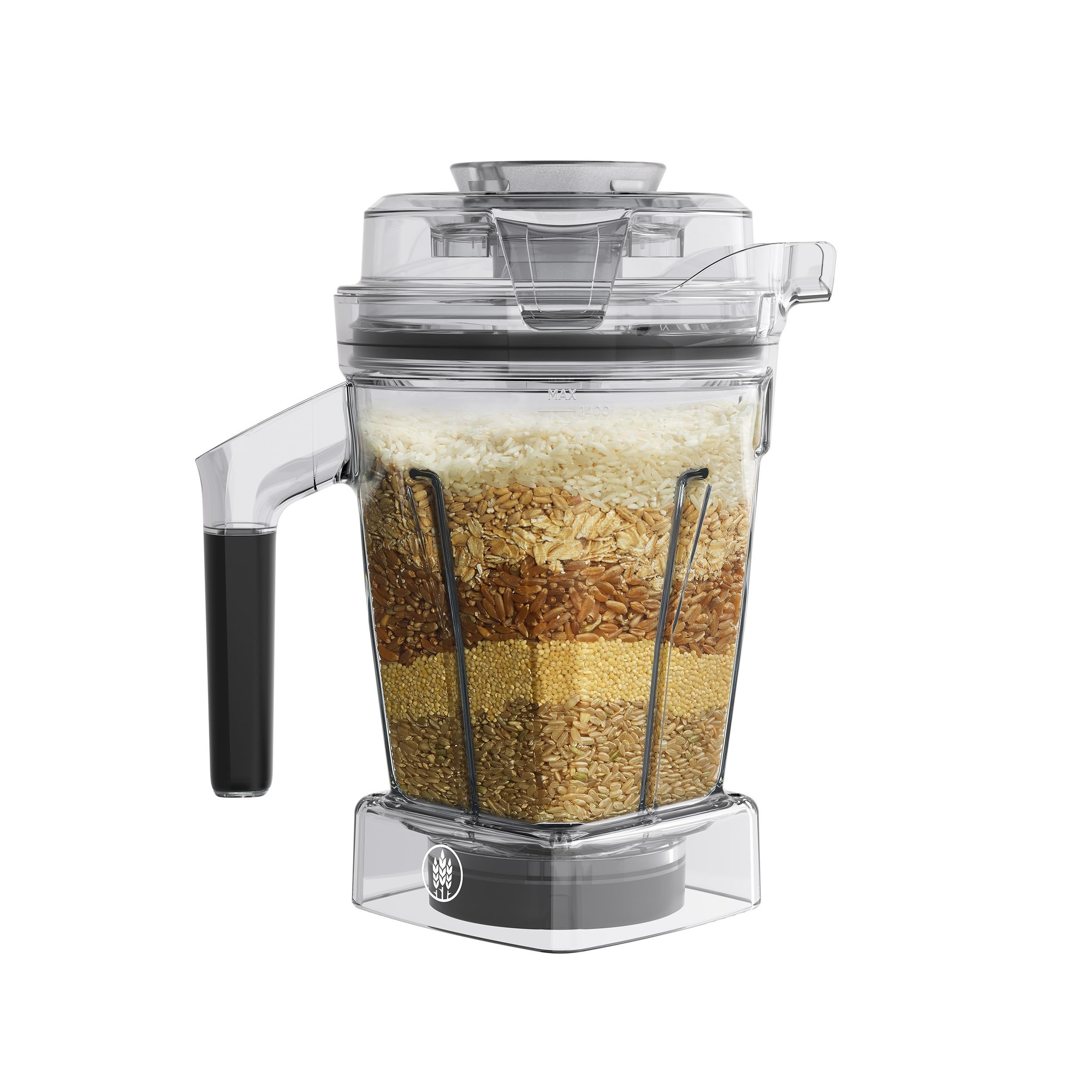
Vitamix Dry Grains Container 32-Oz
Blades designed for dry ingredients , produces finer flour than wet-blade containers
Buy on Amazon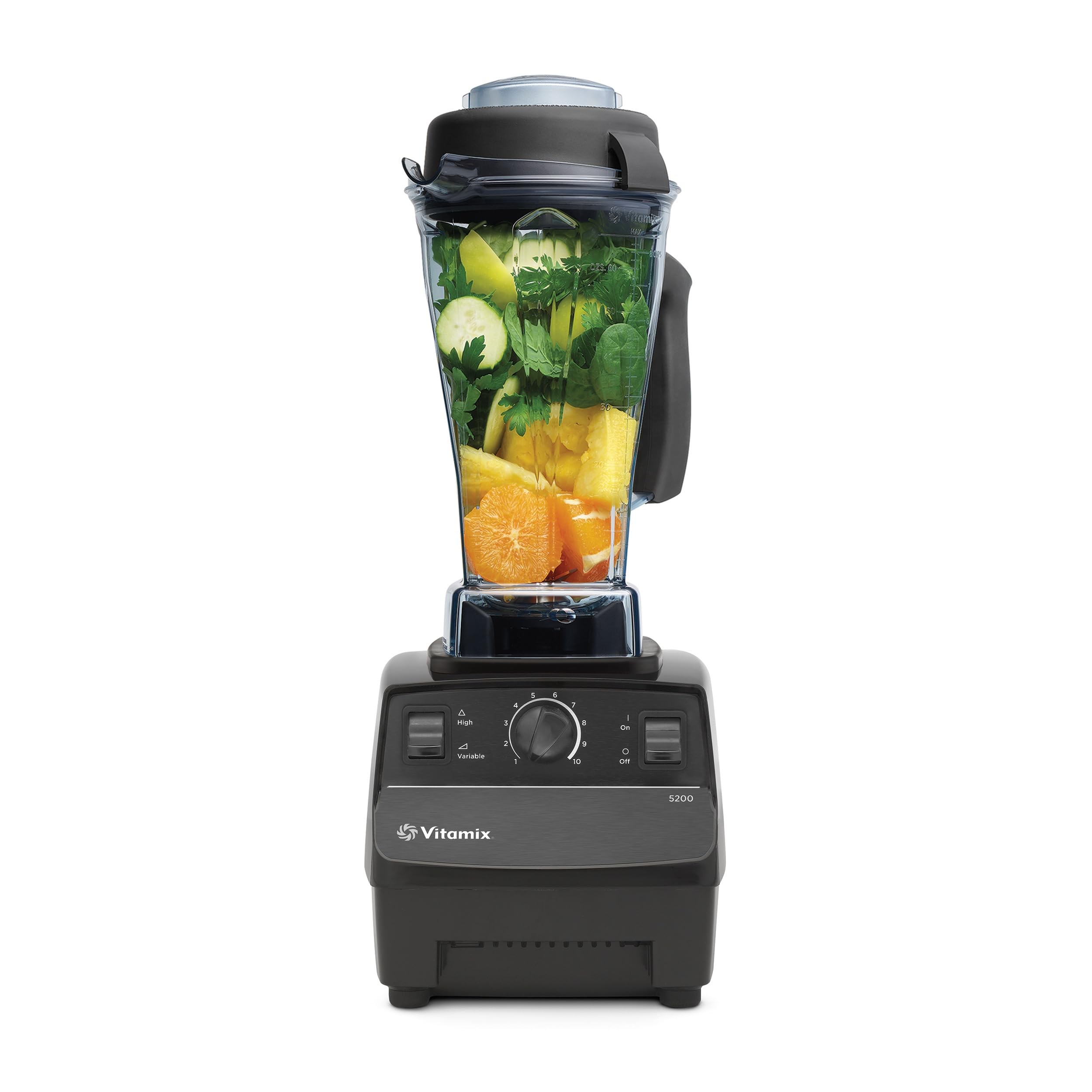
Vitamix 5200 Blender
2HP motor pulverizes nuts, ice, and fibrous vegetables completely
Buy on Amazon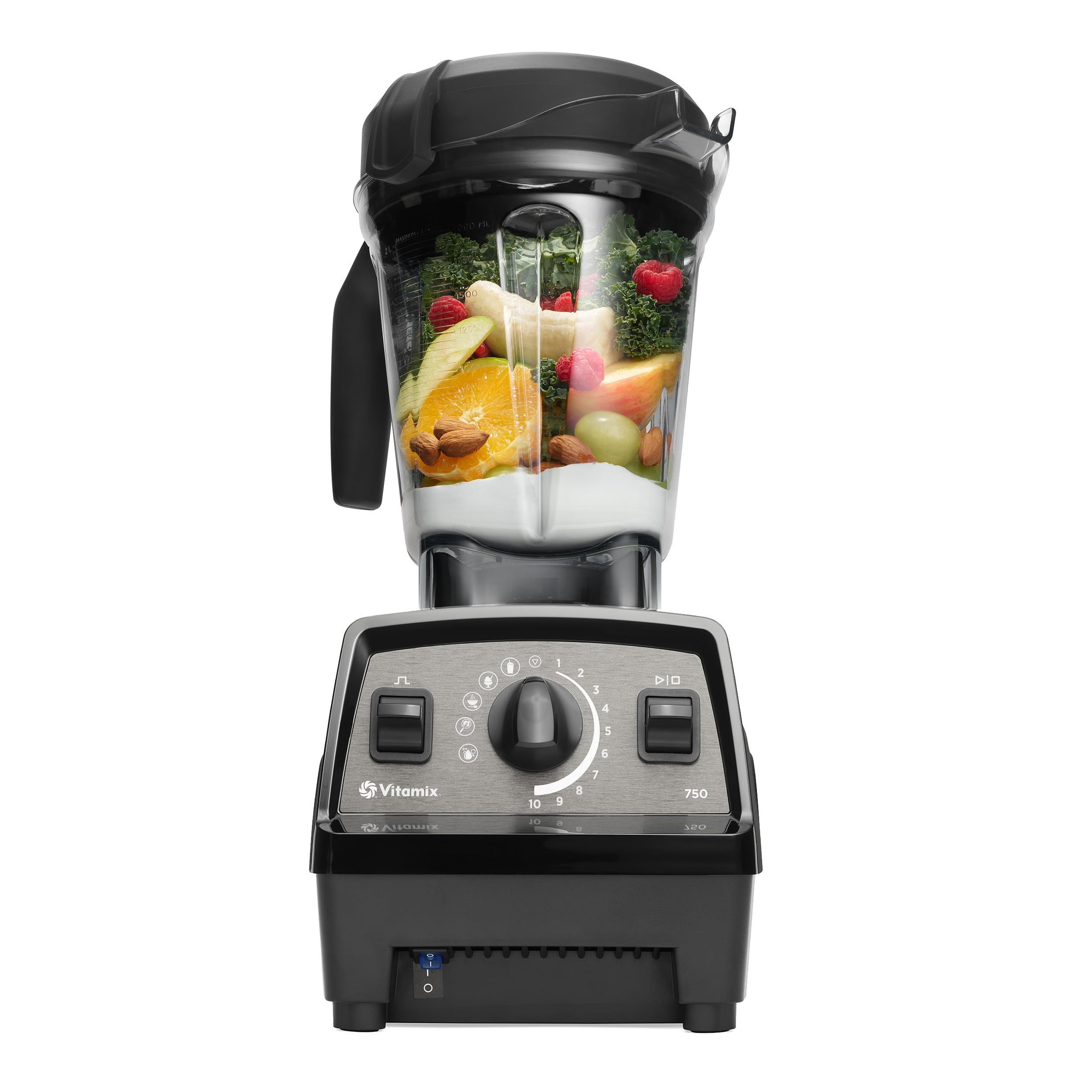
Vitamix Pro 750 Heritage Blender
Five pre-programmed settings for smoothies, hot soups, dips, frozen desserts, and self-cleaning
Buy on Amazon| Product | Price Range | Top Strength | Key Weakness | Buy |
|---|---|---|---|---|
| Vitamix Dry Grains Container 32-Oz best overall | $$ | Blades designed for dry ingredients , produces finer flour than wet-blade containers | Extra accessory cost on top of the blender investment | Buy on Amazon |
| Vitamix 5200 Blender also consider | $$$ | 2HP motor pulverizes nuts, ice, and fibrous vegetables completely | Very expensive , over $400 at full retail | Buy on Amazon |
| Vitamix Pro 750 Heritage Blender also consider | $$$ | Five pre-programmed settings for smoothies, hot soups, dips, frozen desserts, and self-cleaning | Expensive , premium over the 5200 for pre-programmed settings most cooks set manually | Buy on Amazon |
| Vitamix A3500 Ascent Series Blender also consider | $$$ | Built-in wireless connectivity detects container size and adjusts settings | Most expensive Vitamix model , tech upgrades add cost without proportionate performance gain | Buy on Amazon |
If you’ve been making nut butter or grinding spices in your standard Vitamix container and wondering why the results feel inconsistent, the short answer is blade geometry. The wet-blade containers most Vitamix machines ship with are engineered to pull ingredients down into a vortex, which is excellent for smoothies and soups and exactly wrong for dry grinding. Dry ingredients need to be thrown outward and cut on the upswing. Using the wrong container for the job isn’t dangerous, but it is inefficient, and over time it’s hard on the blades.
This guide covers the Vitamix Dry Grains Container 32-Oz specifically, along with the Vitamix machines most likely to be paired with it. If you’re still deciding which blender to buy before adding accessories, that context matters here too. All of these products live in the Small Appliances category, and the buying decision for the container is almost inseparable from the blender decision underneath it.
What to Look For in a Dry Blade Container for Vitamix
Why the Container Matters as Much as the Machine
A Vitamix motor is powerful enough to grind grain regardless of which container you attach. The question is whether it grinds it well. The dry grains container uses blades with a sharper angle and different pitch than the standard wet container. Where the wet blade pulls ingredients into the center and down, the dry blade throws them outward and lets them fall back through the cutting zone. The result is a finer, more consistent grind, especially for hard grains like wheat berries or dried corn.
If you’ve ever tried to grind rice flour in a standard container, you’ve probably noticed it comes out unevenly, with some particles finely ground and others still gritty. That’s not a motor problem. It’s the wrong tool.
Capacity
The dry grains container comes in 32 ounces. For context, the standard Vitamix wet containers are 48 or 64 ounces. Thirty-two ounces is a practical size for dry grinding, where you’re rarely processing more than a cup or two of grain at a time. Overloading any grinding setup produces worse results, so the smaller footprint is appropriate rather than a limitation.
Compatibility
The dry grains container uses the standard Vitamix base connection and is compatible with every current Vitamix machine, including the legacy 5200 series and the newer Ascent series. If you’re buying a newer Ascent model, the wireless detection will read the container and suggest appropriate settings, which is a minor convenience. On older machines, you’re setting speed manually, which is fine.
What You’re Actually Going to Grind
Be honest with yourself here. The dry grains container earns its place if you regularly make fresh whole wheat flour, oat flour, rice flour, chickpea flour, or spice blends from whole dried spices. If your grain-grinding habit consists of making almond flour twice a year, this accessory won’t earn its keep. Almonds are soft enough that a wet container handles them reasonably well. It’s the hard grains, dried beans, and fibrous spices where the dry container pulls ahead.
Top Picks
The Container Itself
The Vitamix Dry Grains Container 32-Oz is mid-range pricing for a blender accessory, which puts it in an interesting position. It’s not cheap, but it’s also not a second blender. If you already own a Vitamix and you grind grain with any regularity, the math is straightforward. The results are meaningfully better than what you get from the wet container, and the difference is most pronounced with hard grains and dried whole spices.
The container is BPA-free, dishwasher-safe on the top rack, and built to the same construction standards as the main Vitamix line. I’ve used mine for wheat berries and dried chiles specifically, and both come out at a consistency I couldn’t get reliably from the standard container. For spice blends, it’s become the only method I use. (I should add that I tried a blade coffee grinder for spices for years before this, and there’s no comparison in terms of volume and consistency.)
The honest limitation is audience size. Most Vitamix owners will never need this. If your blender use is smoothies, soups, and the occasional nut butter, this container serves no purpose in your cabinet.
If You Don’t Own a Vitamix Yet
The 5200 is the benchmark. It’s been in continuous production long enough that the reliability record is well-documented, and Vitamix’s 7-year warranty is the longest in the category. The 2HP motor handles everything the dry grains container will ask of it. Variable speed via a physical dial is direct and precise in a way that touchscreen controls aren’t, particularly when you’re adjusting mid-blend.
The price is premium, no question. But the 5200 is also the blender I’ve watched last 12 to 15 years in working kitchens. Priced over ten years, it’s a reasonable piece of equipment. The one real annoyance is the height. If your upper cabinets sit at the standard 18 inches above the counter, the 5200 container doesn’t fit underneath. You’re moving the blender to blend and storing it elsewhere, which is a daily friction point in a working kitchen.
Vitamix Pro 750 Heritage Blender
The Pro 750 solves the cabinet clearance problem with a low-profile container, and it adds five pre-programmed settings for smoothies, soups, dips, frozen desserts, and self-cleaning. The motor steps up to 2.2HP. If you cook the same categories of food repeatedly and want the blender to stop itself when done, the pre-programmed settings are genuinely useful.
Whether they’re worth the premium over the 5200 depends entirely on how you cook. If you’re the person who starts a soup blend and walks away to do something else, the auto-stop function pays for itself in one avoided boilover. If you stand at the counter and adjust by feel, you’ll barely use those presets. The cabinet clearance alone might justify the price difference for some kitchens, though I appreciate that’s not everyone’s priority.
Vitamix A3500 Ascent Series Blender
The A3500 is the most expensive Vitamix in the consumer line, and its distinguishing features are a touchscreen interface, a programmable timer, and wireless container detection. The last feature means it automatically recognizes which container you’ve attached and adjusts settings accordingly, which matters if you’re switching between the dry grains container and your standard wet container regularly.
The touchscreen is a step backward from the dial in daily use, in my opinion. Quick mid-blend adjustments are easier with a physical control you don’t have to look at. The container detection is a genuine convenience if you’re frequently swapping accessories. If you’re buying the A3500 primarily because it’s the newest model, the performance improvement over the 5200 is marginal. The tech features are either useful to you specifically or they aren’t.
How to Choose
Start with the machine, not the container. If you don’t own a Vitamix yet, the 5200 is the right call for most home cooks. It does everything the more expensive models do at the core performance level, and the 7-year warranty means you’re protected through a decade of regular use. Add the dry grains container when you have a specific reason to, not preemptively.
If cabinet clearance is a real constraint in your kitchen, move to the Pro 750 or the A3500 and accept the higher price. Both use low-profile containers. Both will pair cleanly with the dry grains container when you want it.
If you already own a Vitamix and you’re here just for the container, the compatibility question is simple. Any current Vitamix with a standard base takes the dry grains container without modification.
One comparison worth flagging for context: if you’re in the market for high-performance blending but uncertain whether a Vitamix is the right category altogether, a large immersion blender covers a different set of use cases entirely. Immersion blenders don’t grind dry grain, but they’re excellent for soups and sauces and take up a fraction of the counter and cabinet space. Different tool, different job.
The dry grains container is an accessory for a specific purpose. It does that purpose very well. The mistake is buying it as insurance against a habit you haven’t developed yet. Check the current price on Amazon for the Vitamix Dry Grains Container 32-Oz before deciding, because pricing on accessories in this category shifts.
For anyone building out a full kitchen equipment setup, the broader small appliance category on this site covers the range of high-performance options across categories, which is worth reviewing before committing to any single piece.
Frequently Asked Questions
Can I use the Vitamix dry grains container for wet ingredients?
Technically, yes. Practically, no. The dry blade throws ingredients outward rather than pulling them into a vortex, which means liquids and wet ingredients don’t process efficiently. You’ll get poor emulsification and inconsistent blending. Use it for dry ingredients only and keep your wet container for everything else.
Will the dry grains container work with my older Vitamix model?
The dry grains container uses the standard Vitamix base connection that has remained consistent across the product line. It’s compatible with the 5200, the Pro 750, the Ascent series, and most other current and legacy Vitamix machines. If you’re uncertain about your specific model, Vitamix’s customer service is unusually straightforward about compatibility.
How fine is the flour you get from the dry grains container?
For soft grains like oats and rice, the result is close to commercial all-purpose flour consistency with a 60-second run at high speed. For hard wheat berries, you get a slightly coarser whole wheat flour, similar to a medium-grind stone mill. Running a second pass through refines it further. It won’t replicate a dedicated grain mill for high-volume production, but for home baking quantities, it’s more than adequate.
Is the dry grains container worth buying if I already have a food processor?
A food processor won’t grind hard grains to flour at all. The blade geometry and speed are wrong for the task. If your dry grinding needs are limited to nuts and soft dried fruit, a food processor handles that adequately. For actual grain flour and whole dried spices, the Vitamix dry container produces results in a different category entirely.
How do I clean the dry grains container?
Vitamix recommends a dry cleaning method for the dry container rather than the standard water-and-soap spin. Add a tablespoon of dry rice, run at high speed for 30 seconds, and dump. For more thorough cleaning, the container is top-rack dishwasher safe. Avoid the wet self-cleaning method you’d use with the standard container, since residual moisture in a dry grinding container affects your next batch.
Frequently Asked Questions
Can I grind flour in a standard Vitamix wet-blade container, or do I need the dry blade container?
You can grind flour in a wet-blade container, but the results are inconsistent — some particles come out fine while others remain gritty. The dry blade container's different blade pitch throws ingredients outward and through the cutting zone repeatedly, producing a finer, more uniform grind. For occasional use the wet container works; for regular flour milling it's the wrong tool.
Does the Vitamix dry grain container work with all Vitamix machine models?
The 32-oz dry grain container connects via the standard Vitamix base and is compatible with the 5200, Pro 750, A3500, and most other full-size Vitamix machines. Ascent Series models with container detection will recognize it automatically. Compact S-Series machines use a different base connection and are not compatible.
What can I grind in the Vitamix dry blade container besides flour?
The dry grain container handles whole wheat berries, brown rice, dried corn, dried beans, coffee beans, spices, and nut-based powders well. It is not designed for wet ingredients — using it for smoothies or soups will wear the blades faster and won't produce good results.
Is the Vitamix Pro 750 or the A3500 a better pairing with the dry grain container?
Both deliver the same grinding performance since the container does most of the work. The A3500's touchscreen and wireless container detection add convenience but don't improve flour quality. The Pro 750 at a lower price point is the better value if your primary upgrade reason is dry grinding rather than smart features.
How fine a flour can the Vitamix dry grain container produce?
With hard wheat berries processed for 60 seconds at full speed, the dry grain container produces a flour suitable for most bread recipes, though it won't match the ultra-fine consistency of a stone mill. For whole grain baking, pancakes, and pasta, the result is more than adequate and considerably fresher than commercial whole wheat flour.
Where to Buy
Vitamix Dry Grains Container 32-OzSee Vitamix Dry Grains Container 32-Oz on Amazon