Emile Henry Baking Dish Buyer's Guide: Worth It?

Affiliate disclosure: Some links on this page are affiliate links. If you buy through them we earn a small commission at no extra cost to you. Recommendations are research-driven; we don't claim personal use of every product reviewed. Product prices and availability are accurate as of the date published and are subject to change. Always check Amazon for current pricing before purchasing. Learn more.

Quick Picks
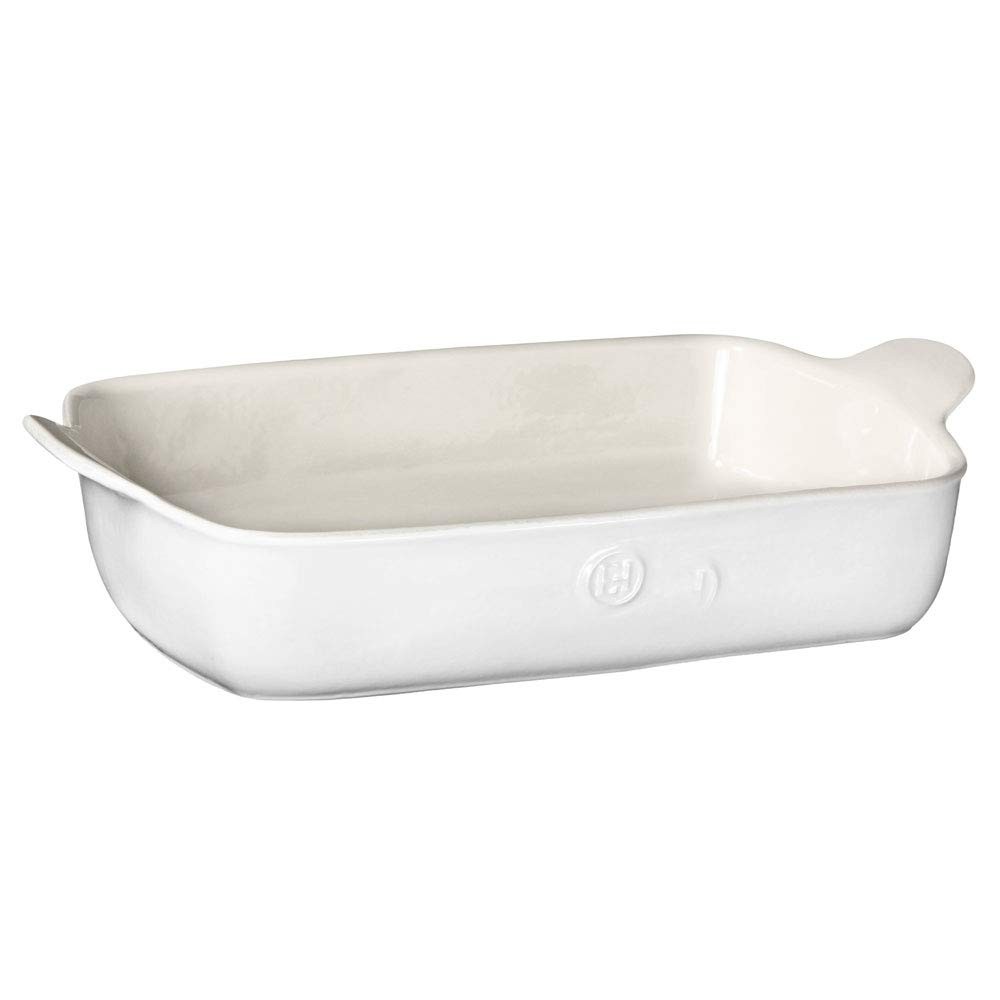
Emile Henry Flame Lasagna Dish
Ceramic construction distributes heat evenly , eliminates burnt edges
Buy on Amazon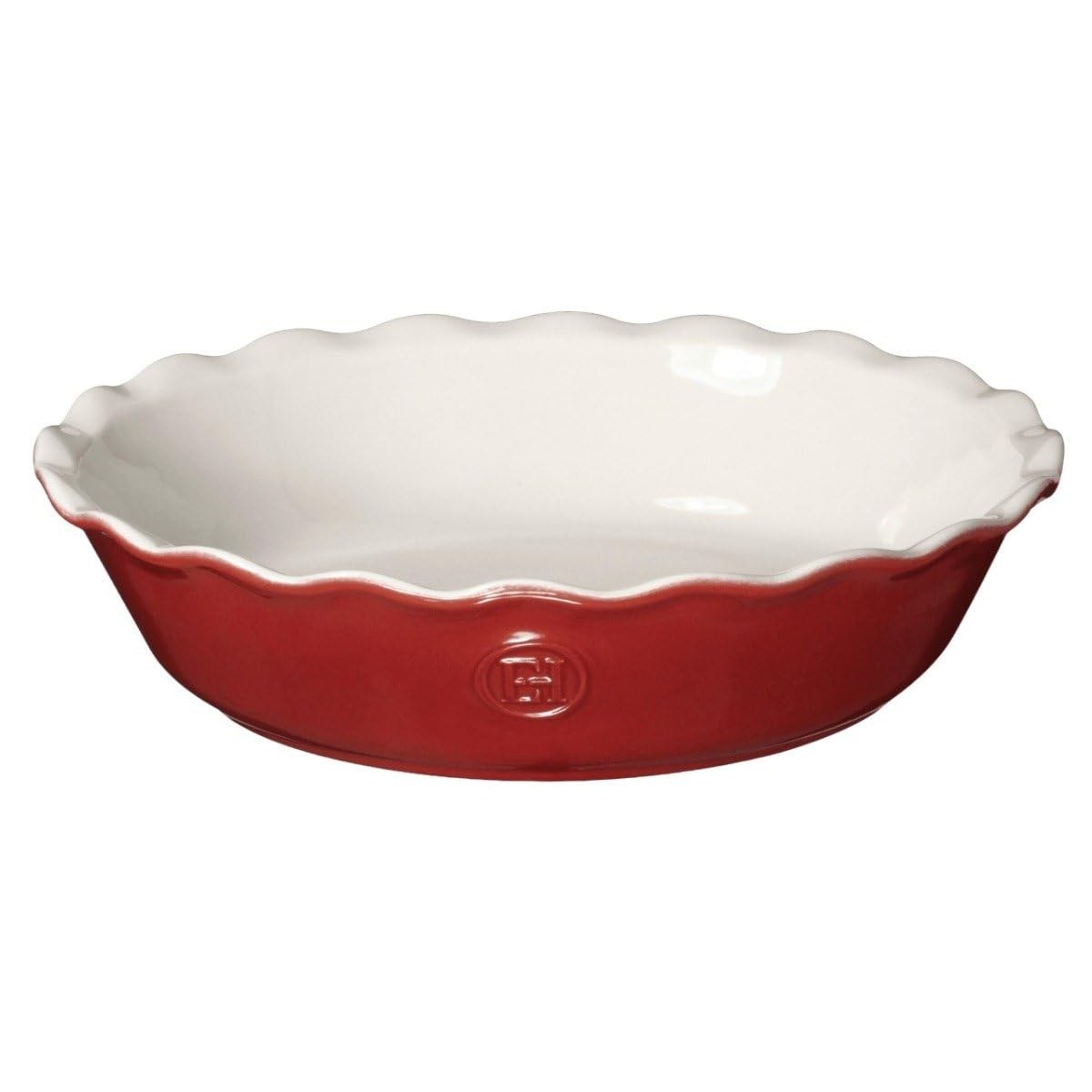
Emile Henry 9-Inch Pie Dish
Ceramic conducts heat evenly , eliminates soggy bottom crusts
Buy on Amazon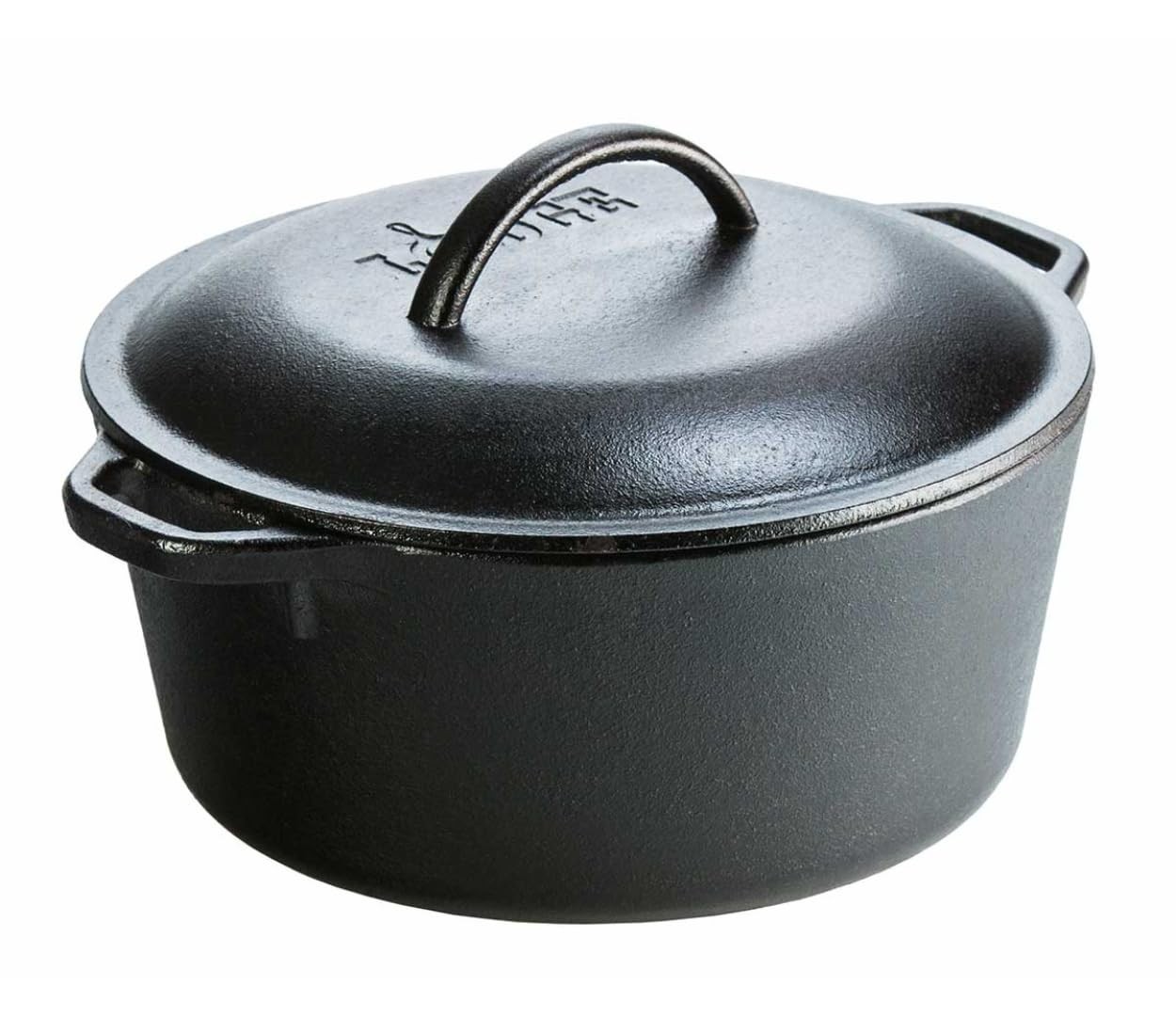
Lodge 6-Quart Cast Iron Dutch Oven
Thick walls retain heat evenly for long braises and stews
Buy on Amazon| Product | Price Range | Top Strength | Key Weakness | Buy |
|---|---|---|---|---|
| Emile Henry Flame Lasagna Dish best overall | $$$ | Ceramic construction distributes heat evenly , eliminates burnt edges | More expensive than glass or metal baking dishes with similar function | Buy on Amazon |
| Emile Henry 9-Inch Pie Dish also consider | $$ | Ceramic conducts heat evenly , eliminates soggy bottom crusts | More expensive than glass pie plates with similar results | Buy on Amazon |
| Lodge 6-Quart Cast Iron Dutch Oven also consider | $ | Thick walls retain heat evenly for long braises and stews | Requires seasoning maintenance , can rust if left wet | Buy on Amazon |
| Le Creuset 5.5-Quart Round Dutch Oven also consider | $$$ | Even heat distribution eliminates hot spots for slow braises | Over $300 at full retail , a significant investment | Buy on Amazon |
Emile Henry makes some of the most recognizable baking dishes on the market, and for good reason. The glazed ceramic construction produces results that glass and metal simply don’t replicate, and the pieces hold up for decades without chipping, cracking, or looking tired. But the line has expanded considerably, and not every piece warrants the premium price. This guide covers the Emile Henry baking dishes worth buying, one case where cast iron beats everything else on the table, and a direct answer on the glass versus ceramic debate that comes up every time someone considers spending real money on a baking dish.
If you’re already thinking about cast iron cookware more broadly, the Cast Iron hub is worth reading alongside this.
What to Look For in a Baking Dish
Heat Distribution
The most common baking failure isn’t undercooking. It’s uneven cooking: burnt edges, a pale center, a soggy bottom crust. Ceramic distributes heat more evenly than most glass and holds that heat longer, which matters for dishes like lasagna that benefit from sustained, even temperature through a thick layered structure. Metal conducts heat faster but creates hotter zones near the pan walls, which is fine for roasting but problematic for anything delicate.
If you’ve ever pulled a lasagna from the oven with overcooked corners and an undercooked center, that’s not a technique problem. It’s a pan problem.
Thermal Range
Ceramic bakeware from Emile Henry is rated to handle temperature swings that would crack most glass. Going from freezer to a 520°F oven without any intermediate thawing step matters if you batch-cook and freeze. Standard glass bakeware (Pyrex included) carries warnings about sudden temperature changes for a reason. Emile Henry’s Flame series specifically is designed for that range.
Weight and Handling
Ceramic is heavier than glass. Full stop. A loaded lasagna dish in glazed ceramic is a two-handed operation, and at oven temperature with mitts on, it’s worth thinking about your setup before you buy. If you have limited grip strength or small hands, this is a practical consideration, not a minor one.
Aesthetics
Emile Henry dishes are designed to go from oven to table. If you’re serving from the dish, the appearance matters. The colors hold up over decades of use in a way that cheaper ceramic doesn’t. Whether that justifies the price depends entirely on how you cook and entertain, though I appreciate that’s not everyone’s priority.
Top Picks
Emile Henry Flame Lasagna Dish
This is the piece most people are considering when they search for an Emile Henry baking dish, and it earns its reputation. The ceramic construction eliminates the hot-spot problem that plagues metal baking dishes and produces consistently even results across the full surface of the pan. Edges brown at the same rate as the center, which sounds basic but isn’t.
The Flame series rating means it goes from freezer to 520°F oven without the caution required by standard glass. For anyone who preps lasagna on Sunday and bakes it on Wednesday directly from frozen, that matters practically. Pyrex will warn you not to do this. Emile Henry will not.
The dish is also attractive enough that leaving it on the table for serving isn’t a compromise. That’s not nothing.
The cons are real. This sits at the premium end of baking dish pricing, and a comparable glass dish from Pyrex or Anchor Hocking produces acceptable results at a fraction of the cost. The weight is also genuinely higher than glass, and with a full lasagna inside, you’re moving something substantial. These aren’t dealbreakers, but they’re worth accounting for.
My take: if you bake lasagna, gratin, or cassoulet regularly and you care about even results and long-term durability, this dish pays for itself over time. If you bake once a year, a glass dish will do the job.
Emile Henry 9-Inch Pie Dish
The ceramic-versus-glass debate is more significant for pie than for almost any other application. The bottom crust problem is real. Glass pie plates conduct heat more slowly than ceramic, and the result is often a bottom crust that’s pale and soft while the top crust is properly browned. Emile Henry’s ceramic conducts heat more aggressively and evenly from the bottom, which produces a crust that actually browns through.
The fluted rim is a specific functional detail, not a design flourish. It grips pastry edges more securely than a smooth rim, which means a cleaner crimp and less slippage during baking. (Tested side by side with a standard glass plate, and the difference is visible in the finished crust.)
This sits in the mid-range on pricing, which makes it easier to justify than the lasagna dish if you’re budget-conscious but still want the ceramic advantage. It’s dishwasher safe, and the scratch-resistant glaze holds up to repeated washing without dulling.
The weight caveat applies here too, though a 9-inch pie dish is more manageable than a full lasagna pan.
If crust quality matters to you, specifically a properly browned bottom crust, this is the right tool. If you’re a casual baker who makes two pies a year and crust texture is secondary, the Lodge or Pyrex glass plate will get you there for less money.
Lodge 6-Quart Cast Iron Dutch Oven
This is the value case in cast iron, and it’s a strong one. The Lodge 6-Quart delivers the heat retention and even distribution that makes cast iron indispensable for long braises, soups, and no-knead bread, at a price that sits firmly in the budget category. Comparable performance from a Le Creuset will cost you several times more.
The tradeoff is maintenance. Raw cast iron requires drying thoroughly after each wash and periodic re-seasoning. Leave it wet and it will rust. There’s no enamel to chip, which is actually an advantage in some respects, but the maintenance expectation is real. If you’ve never owned raw cast iron, factor in the learning curve.
The weight is also significant, more than enameled cast iron of the same size, which is worth knowing before you put a full pot of braised short ribs on the table.
For buyers who want braising performance without the aesthetics, or who plan to keep the pot on the stove rather than carry it to the table, the Lodge is the right call. If you want to explore cast iron more broadly, our guide to cast iron cookware covers the full range from bare iron to enameled options.
For pieces that complement this kind of cookware, the Staub 3.5 Qt Braiser is worth looking at if you do more shallow braising than deep stewing.
Le Creuset 5.5-Quart Round Dutch Oven
The price objection to Le Creuset is legitimate and deserves a direct answer. Check current price on Amazon, because it fluctuates, but this sits firmly at the premium end. The Lodge 6-Quart costs roughly a fifth of what Le Creuset charges for equivalent capacity.
What you’re paying for: even heat distribution with no maintenance requirement, an enamel interior that won’t react with acidic ingredients (tomatoes, wine, citrus), a tight-fitting lid that manages moisture precisely for no-knead bread, and a lifetime warranty that Le Creuset actually honors. I’ve seen the warranty exercised. It works.
The longevity math matters here. A Le Creuset purchased today will almost certainly outlast you. A Lodge will too, with proper care, but the care requirement is real and some people won’t maintain it. If you buy a Le Creuset and ignore it, you still have a functional Dutch oven twenty years later.
The Le Creuset also comes in over 15 colorways and goes from stove to table without apology, which the Lodge does not. That’s either relevant to you or it isn’t.
For anyone considering the full enameled cast iron lineup, the enameled cast iron baking dish comparison covers some of the same tradeoffs in a baking-specific context. And if the Le Creuset color options interest you, the Le Creuset Provence piece is one of the more distinctive colorways in the line.
How to Choose
The honest answer is that most people need one Dutch oven and one baking dish, and the right choice depends on two questions.
First, how often do you use it? A Dutch oven used twice a week for three decades justifies a Le Creuset. One used monthly for occasional soups probably doesn’t. The same logic applies to Emile Henry: the lasagna dish makes sense for regular bakers and questionable sense for occasional ones.
Second, how do you feel about maintenance? Raw cast iron is not difficult to maintain, but it requires consistent attention. If you routinely leave dishes in the rack to air dry without thinking about it, the Lodge will eventually rust. The Le Creuset and Emile Henry pieces ask nothing of you except normal washing.
For ceramic baking dishes specifically: if crust browning and even heat distribution are priorities (and for serious bakers, they should be), the Emile Henry pieces produce measurably better results than glass. The enameled cast iron griddle comparison is also worth reading if you’re building out a full set of baking and stovetop equipment.
For Dutch ovens: the Lodge is the right choice if you want cast iron performance at a reasonable price and you’re willing to maintain it. Le Creuset is the right choice if you want cast iron performance, no maintenance, and the expectation that you’ll still be using it in 2045.
There’s no wrong answer between these two options. There is a wrong answer if you buy the Le Creuset and resent the price, or buy the Lodge and then neglect it.
Frequently Asked Questions
Is Emile Henry baking dish worth the money compared to glass?
For serious bakers, yes. Emile Henry ceramic distributes heat more evenly than glass and conducts more aggressively from the bottom, which produces better crust browning in pies and more even cooking in layered dishes like lasagna. The price premium over glass is real, but so is the performance difference. If you bake regularly and care about results, the upgrade is worth it. If you bake occasionally and mostly need something that holds food in the oven, glass will do the job.
Can Emile Henry dishes go from freezer to oven?
The Flame series specifically is designed for this. Emile Henry rates the Flame line for temperatures from freezer to 520°F without the intermediate thawing step that standard glass bakeware requires. Standard glass, including Pyrex, carries explicit warnings against sudden temperature changes. The Flame designation is the one to look for if freezer-to-oven use is a priority.
Lodge or Le Creuset: which Dutch oven is actually better?
They produce comparable results for braising and bread. The difference is maintenance and aesthetics. Lodge requires drying and periodic re-seasoning to prevent rust. Le Creuset requires nothing beyond normal washing. Le Creuset’s enamel interior won’t react with acidic ingredients. Le Creuset costs significantly more. Both will last decades if used correctly. The Lodge is the better choice if you want braising performance without a premium price and you’re comfortable with basic cast iron care. Le Creuset is the better choice if you want zero maintenance and plan to use the pot long enough to amortize the cost.
How do I clean an Emile Henry baking dish?
Emile Henry’s glazed ceramic is dishwasher safe, and the scratch-resistant glaze holds up to machine washing without dulling over time. For stuck-on food, soaking in warm water for 20 minutes handles most situations. Avoid abrasive scrubbers on the glaze surface. The pieces do not require seasoning or any special drying protocol after washing.
What size Emile Henry baking dish should I buy?
For a standard family lasagna or gratin, the full-size lasagna dish handles a 9x13 footprint and serves six to eight people comfortably. For pies, the 9-inch dish covers the majority of standard recipes. If you primarily bake for two or three people, the smaller casserole options in the Emile Henry line are worth considering instead. Buy for the dishes you actually make most often rather than the largest option available.
Frequently Asked Questions
Is an Emile Henry baking dish worth the price over glass or metal?
For dishes that benefit from even, sustained heat — lasagna, gratins, casseroles — yes. Emile Henry's Burgundy clay distributes heat more evenly than glass and holds temperature longer than metal, which reduces burnt edges and undercooked centers. For simple roasting tasks, a cheaper metal pan performs comparably.
Can Emile Henry baking dishes go from the freezer directly to the oven?
Yes. The Emile Henry Flame series is rated to handle the full range from freezer temperature to 520°F without cracking from thermal shock. This makes it practical for assembling dishes a day ahead, refrigerating or freezing them, and baking from cold without waiting for the dish to come to room temperature first.
Are Emile Henry baking dishes dishwasher safe?
Yes, Emile Henry glazed ceramic pieces are dishwasher safe. The high-fired glaze is resistant to scratching and staining, and repeated dishwasher cycles don't degrade the surface. Hand washing with warm soapy water extends the appearance over time but isn't required.
What size Emile Henry baking dish should I buy for a family of four?
The standard lasagna dish, which measures approximately 13 by 9 inches, is the right size for a family of four with leftovers. This format handles lasagna, baked pasta, gratins, and most casserole recipes designed for a 9x13 pan. For smaller households, the 11-inch oval is a better fit.
How does Emile Henry ceramic compare to a Lodge or Le Creuset Dutch oven for baking?
For open baking dishes — lasagna, gratins, pies — Emile Henry ceramic is the better tool. A Dutch oven's enclosed shape traps steam and suits braising and bread, not layered baked dishes. If you want one vessel that does both, a cast iron Dutch oven is more versatile; if baking dishes are the specific use case, Emile Henry is the cleaner choice.
Where to Buy
Emile Henry Flame Lasagna DishSee Emile Henry Flame Lasagna Dish on Amazon