Green Breville Espresso Machines: Which Model to Choose

Affiliate disclosure: Some links on this page are affiliate links. If you buy through them we earn a small commission at no extra cost to you. Recommendations are research-driven; we don't claim personal use of every product reviewed. Product prices and availability are accurate as of the date published and are subject to change. Always check Amazon for current pricing before purchasing. Learn more.
Quick Picks
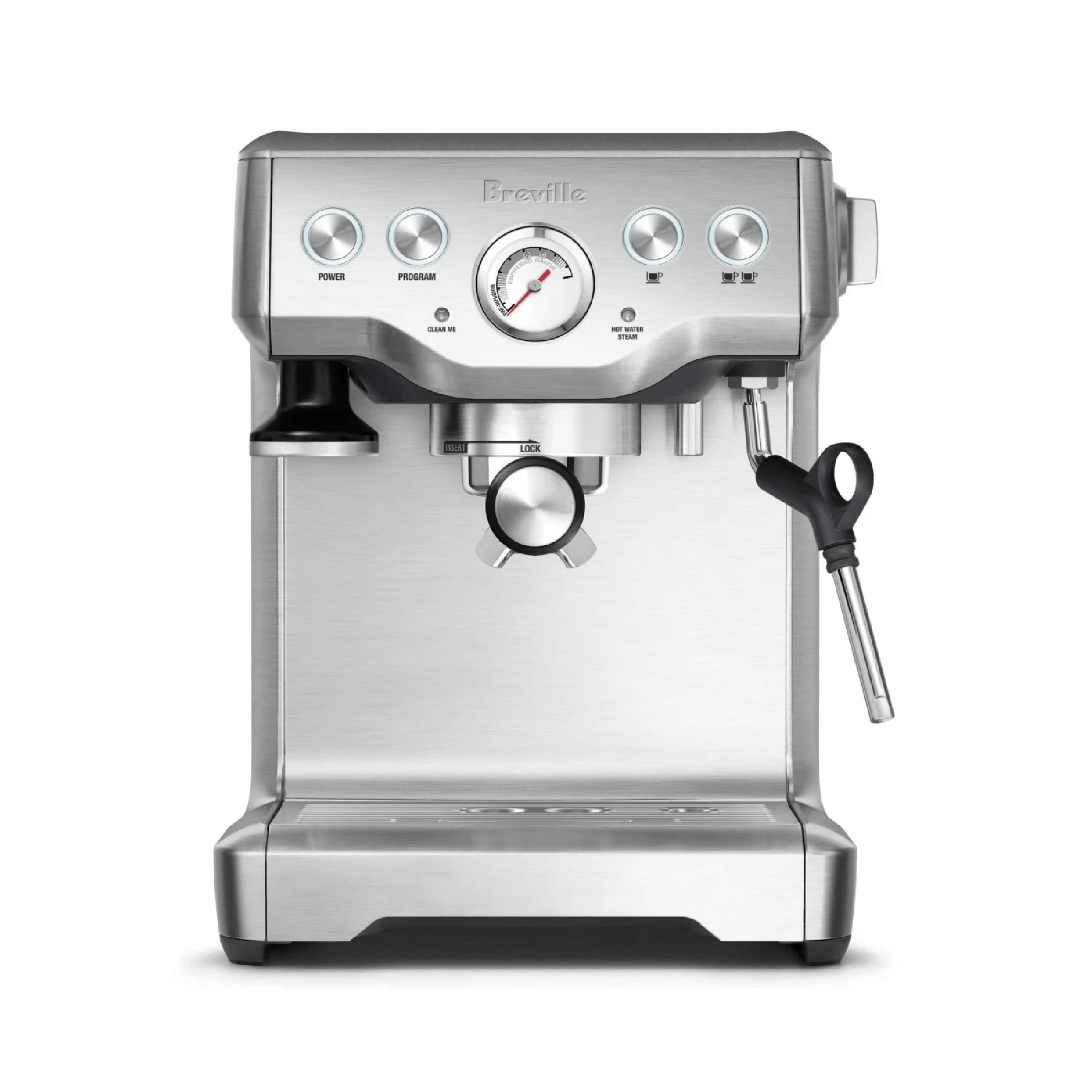
Breville Infuser Espresso Machine (BES840)
Pre-infusion wets the coffee puck before full pressure , more even extraction
Buy on Amazon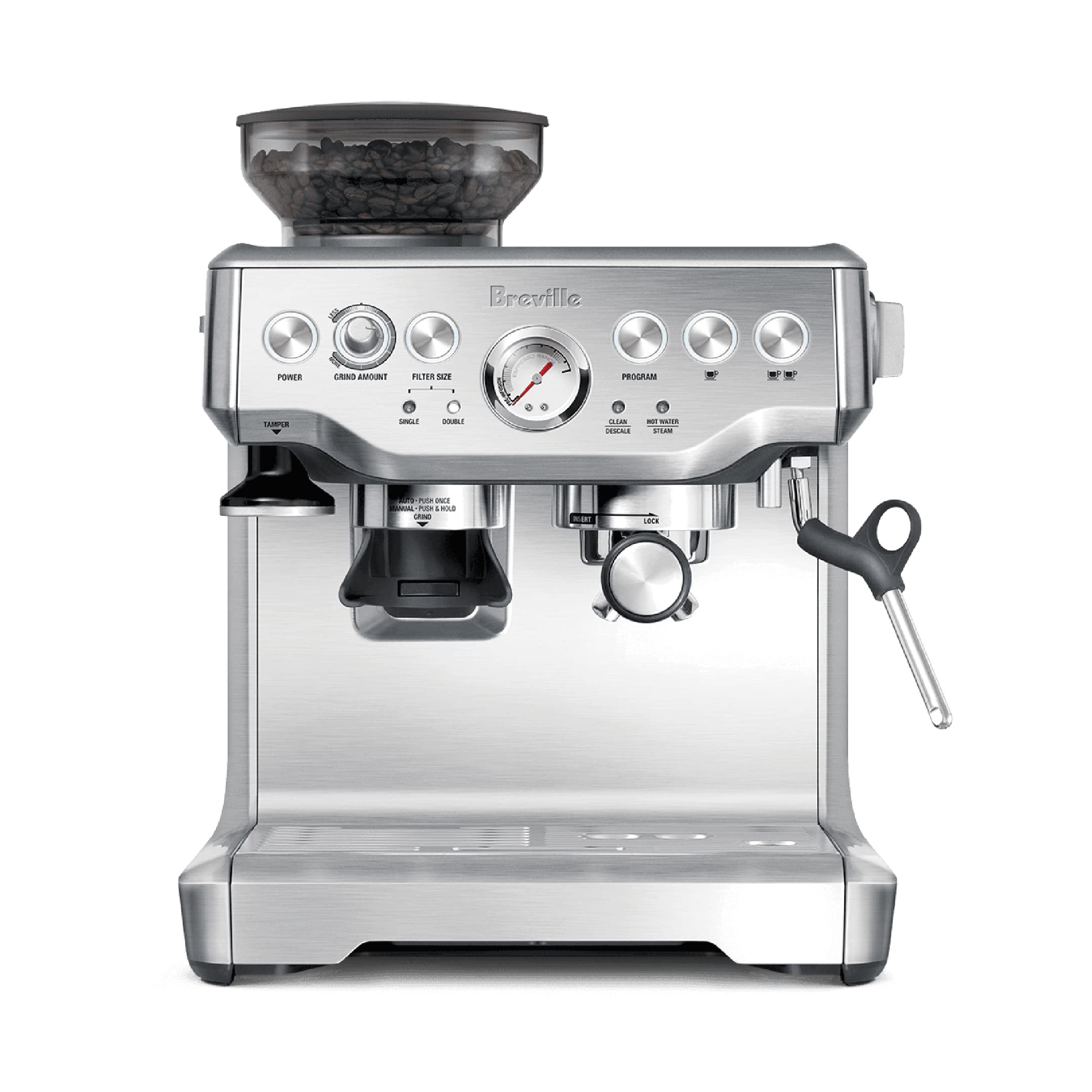
Breville Barista Express Espresso Machine (BES870)
Built-in conical burr grinder , grind fresh directly into the portafilter
Buy on Amazon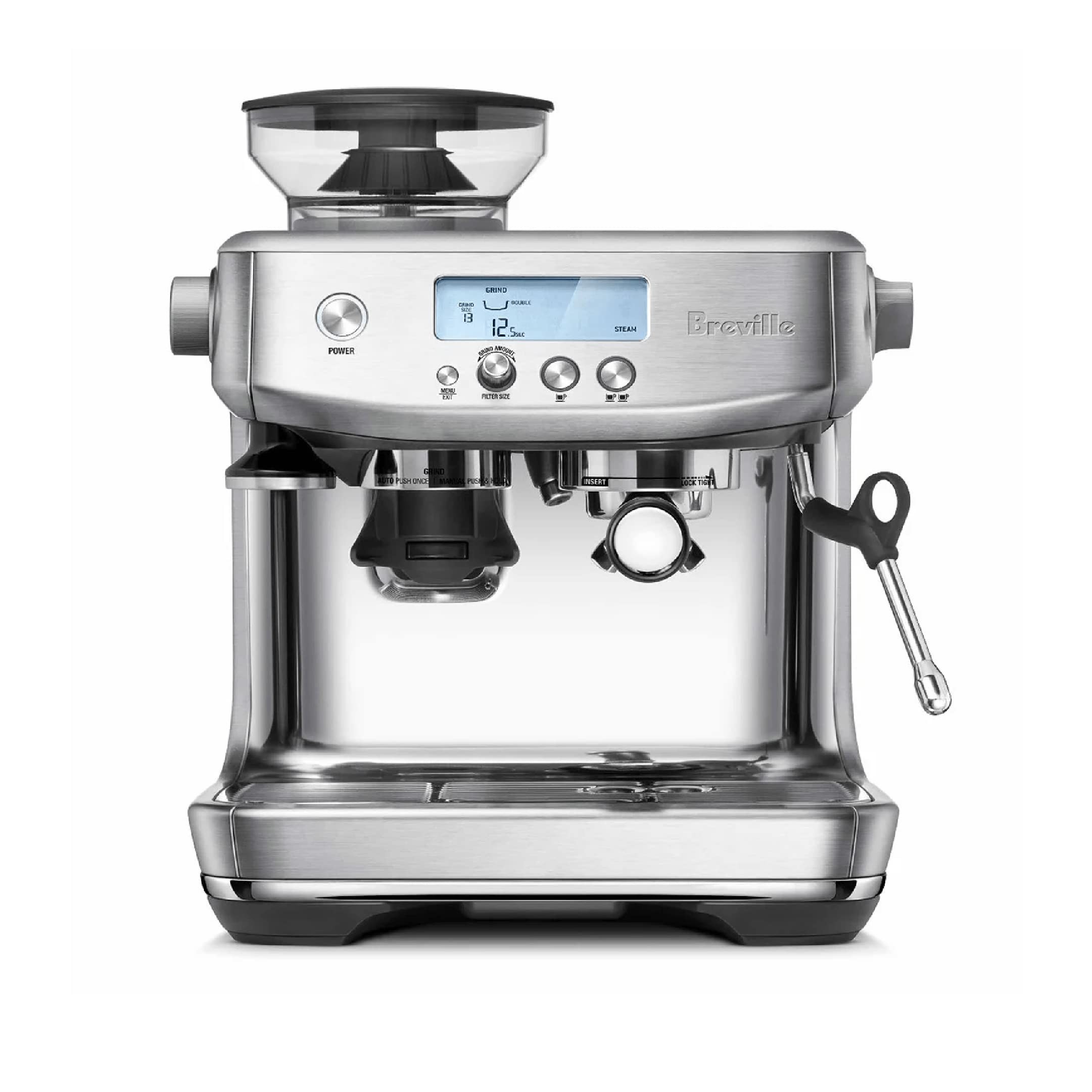
Breville Barista Pro Espresso Machine (BES878)
Integrated ThermoJet heating system reaches brew temperature in 3 seconds
Buy on Amazon| Product | Price Range | Top Strength | Key Weakness | Buy |
|---|---|---|---|---|
| Breville Infuser Espresso Machine (BES840) best overall | $$ | Pre-infusion wets the coffee puck before full pressure , more even extraction | Requires separate grinder for best results , adds cost | Buy on Amazon |
| Breville Barista Express Espresso Machine (BES870) also consider | $$$ | Built-in conical burr grinder , grind fresh directly into the portafilter | Built-in grinder limits flexibility vs a dedicated grinder , harder to upgrade one component | Buy on Amazon |
| Breville Barista Pro Espresso Machine (BES878) also consider | $$$ | Integrated ThermoJet heating system reaches brew temperature in 3 seconds | Expensive , premium over Barista Express for the ThermoJet heating | Buy on Amazon |
Breville makes their espresso machines in several colorways, and the green variants have developed a following among buyers who want the same internals without the standard brushed stainless finish. If you’re searching for a green Breville espresso machine, you’re looking at the same three machines that dominate serious home espresso conversations. The finish doesn’t change the question you actually need to answer: which machine fits how you want to make coffee, and whether the price is justified.
Thirty years of evaluating candidates who oversell themselves has made me impatient with appliance marketing. Breville is, broadly, one of the better actors in this category. Their machines do what they claim. But there are real differences between the three units below, and the choice isn’t obvious.
For context on how these machines fit into the broader landscape of countertop appliances, the Small Appliances hub is a reasonable starting point if you’re also weighing other kitchen equipment purchases.
What to Look For in a Home Espresso Machine
Temperature Control
Espresso is extracted within a narrow temperature window. If your machine can’t hold a stable brew temperature, you’ll get inconsistent results regardless of your technique or your coffee. A PID controller, which actively monitors and adjusts the heating element, is the feature that separates machines that produce consistent espresso from machines that produce inconsistent espresso. All three machines covered here include PID temperature control. That’s not a given at this price category, but it’s the floor for anything I’d recommend.
Pre-Infusion
Pre-infusion wets the coffee puck with low pressure before the pump reaches full extraction pressure. If you’ve ever pulled a shot that channeled, meaning the water forced through one weak spot in the puck rather than distributing evenly, pre-infusion is what addresses that. The Breville Infuser Espresso Machine (BES840) is specifically built around this feature and executes it well.
Grinder Integration
Fresh-ground coffee makes a larger difference to espresso quality than almost any other variable. The question isn’t whether you want a good grinder. The question is whether you want it built in or separate. A built-in grinder trades flexibility for convenience. A separate grinder gives you the ability to upgrade independently and, typically, better grind consistency at a given price point. There’s no objectively correct answer, though I lean toward the built-in option for most home users who aren’t already deep into the hobby.
Heat-Up Time
If you’re making one shot in the morning before leaving the house, the difference between a 30-second preheat and a 3-second preheat is meaningful. If you’re making espresso at 7 PM with nowhere to be, it’s less relevant. Be honest about your actual routine before paying a premium for faster heating.
Top Picks
Breville Infuser (BES840): The Entry Point Done Right
The Breville Infuser Espresso Machine (BES840) is mid-range pricing and the most honest machine in this lineup. It does one thing the more expensive machines don’t: it makes you learn. There’s no built-in grinder, which means you have to source one separately, which adds cost. But it also means you can pair it with a dedicated burr grinder at whatever quality level suits your budget.
The pre-infusion on this machine is the main event. Low pressure wets the puck for several seconds before the 15-bar Italian pump engages. The result is more even extraction, which matters more than most other variables if you’re using decent coffee. PID temperature control keeps brew temperature stable. The steaming wand works but produces less pressure than what you’ll find on the Barista Express or Barista Pro, which means your milk texturing will be functional rather than excellent.
If you want to understand the Infuser in more detail before deciding, I’ve written a longer review at Breville The Infuser Espresso Machine that covers the day-to-day experience more thoroughly.
The honest limitation here is the grinder requirement. Budget for a quality burr grinder alongside this machine. If you’re not willing to do that, look at the next option.
Breville Barista Express (BES870): The Practical Recommendation
The Breville Barista Express Espresso Machine (BES870) is the machine I recommend to most people asking about home espresso. It’s premium pricing, and the footprint is significant. Measure your counter before you order.
What justifies the price is the built-in conical burr grinder with dose control grinding directly into the portafilter. Fresh-ground coffee, ground immediately before extraction, makes a difference you will taste. The convenience of a single machine rather than a machine-plus-grinder setup is real, especially if your kitchen doesn’t have unlimited counter space. The grinder has enough adjustment range to dial in a proper espresso grind, which isn’t something you can say about every built-in grinder at this tier.
PID temperature control, the same 15-bar Italian pump, and pre-infusion are all present. The interface is dial-based, which I find more intuitive than touch controls for everyday use.
The trade-off is locked in. If you eventually want a better grinder, you can’t upgrade it independently. You’d replace the whole machine. For most home users who aren’t going to spend the next five years chasing grinder upgrades, this is a reasonable constraint. For buyers already coming in with strong opinions about burr geometry, probably not the right machine.
If you’re trying to decide between Breville and other brands at this tier, the Breville Espresso Machine Vs Delonghi comparison covers that ground directly.
Breville Barista Pro (BES878): For the Morning Rush
The Breville Barista Pro Espresso Machine (BES878) sits at the top of this lineup on price. The primary engineering difference from the Barista Express is the ThermoJet heating system, which reaches brew temperature in 3 seconds rather than the 30-plus seconds you’d wait with the Barista Express.
That’s a real feature. If you’re consistently in a situation where you need espresso immediately, the ThermoJet addresses that in a way the Barista Express simply can’t. (Timed this in the kitchen over several weeks. The 3-second claim holds up.)
The Barista Pro also includes 30 grind settings, more than the Barista Express, which gives you finer-grained control over your extraction. The interface moved to an LCD screen, which is cleaner but takes longer to learn than the dial controls on the Barista Express.
The question is whether faster heat-up justifies the premium over the Barista Express. For most buyers, it doesn’t. If you pull shots on a deadline every morning and the 30-second wait genuinely disrupts your routine, the premium is worth considering. If you’re not sure, save the money.
The Barista Pro has the same footprint limitation as the Barista Express. These are substantial machines. Plan accordingly.
How to Choose
Start with the grinder question. If you already own a quality burr grinder, or you want the flexibility to upgrade the grinder independently over time, the Infuser is the right base. If you’re starting from scratch and want a single-machine solution, the Barista Express is the practical choice for most buyers.
The Barista Pro is a specific answer to a specific problem. If the 3-second heat-up time solves a real pain point in your morning routine, the price premium is justifiable. If it doesn’t, the Barista Express performs identically on extraction quality.
One practical note on filters: whichever machine you choose, the supplied pressurized filter baskets are fine for getting started but you’ll produce better espresso with unpressurized baskets once your technique and grinder are dialed in. I’ve covered this in more detail in the Breville Espresso Machine Filters guide if you want to go further.
On the color question specifically: availability varies. The green colorway sells through and goes out of stock faster than the brushed stainless. Check current pricing and availability on Amazon directly for each model. The machine inside the housing is identical regardless of finish.
For anyone comparing small appliance purchases more broadly, kitchen equipment in the Small Appliances category covers a range of countertop equipment across categories.
Frequently Asked Questions
Is the green Breville espresso machine the same as the regular version?
Yes. The green colorway is a cosmetic variant of the same machine. The internal components, heating systems, pump, and grinder specifications are identical to the brushed stainless version. The only difference is the housing color.
Do I need a separate grinder with the Breville Infuser?
Yes, and budget for it. The Infuser doesn’t include a grinder. For espresso quality, you need a burr grinder with fine grind adjustment, not a blade grinder. A quality conical burr grinder at mid-range pricing is the minimum worth pairing with the Infuser. If adding a separate grinder isn’t in the budget right now, the Barista Express makes more sense.
Is the Barista Pro worth the premium over the Barista Express?
For most buyers, no. The ThermoJet heating is the primary upgrade and it matters only if fast heat-up is a genuine daily constraint for you. The extraction quality, grinder quality, and build are comparable between the two machines. If you’re undecided, save the money and buy the Barista Express.
What size counter space do I need?
The Barista Express and Barista Pro are both substantial machines. Both units require real estate on your counter. Check the dimensions for each specific model on the Amazon product page before ordering. The Infuser is somewhat smaller given it has no built-in grinder, but it’s not a compact machine.
Can I use pre-ground coffee in these machines?
You can use pre-ground coffee in any of these machines. The Barista Express and Barista Pro have a bypass doser that accepts pre-ground coffee directly into the portafilter, bypassing the grinder. Results will be noticeably less consistent than using freshly ground coffee. Pre-ground coffee loses flavor quickly, and espresso extraction is more sensitive to stale grind than most other brew methods.
Frequently Asked Questions
Are green Breville espresso machines the same as the standard models internally?
Yes, the green colorway is purely cosmetic. The Breville Infuser, Barista Express, and Barista Pro in sage green use identical components, heating systems, and pressure settings as their stainless counterparts.
Do I need a separate grinder with a green Breville espresso machine?
It depends on the model. The Barista Express and Barista Pro include a built-in conical burr grinder, so you don't need a separate one. The Infuser does not have a built-in grinder, so you'll need to purchase one separately for best results.
What pressure do Breville espresso machines use?
Breville espresso machines use 9 bars of extraction pressure, which is the industry standard for espresso. The machines also have a pre-infusion feature that gently wets the coffee puck before applying full pressure for more even extraction.
Is the Breville Barista Express or Barista Pro worth the extra cost?
The Barista Pro's ThermoJet heating system reaches brew temperature in 3 seconds versus about 30 seconds for the Barista Express, which is the main upgrade. If quick back-to-back brewing between espresso and steam matters to you, the Pro is worth it; otherwise the Express is the better value.
Can I use pre-ground coffee in a Breville machine with a built-in grinder?
Yes, all Breville espresso machines with built-in grinders have a bypass doser that lets you load pre-ground coffee directly into the portafilter without running it through the grinder.
Where to Buy
Breville Infuser Espresso Machine (BES840)See Breville Infuser Espresso Machine (BE… on Amazon