Hammered Stainless Steel Cookware Buyer's Guide

Affiliate disclosure: Some links on this page are affiliate links. If you buy through them we earn a small commission at no extra cost to you. Recommendations are research-driven; we don't claim personal use of every product reviewed. Product prices and availability are accurate as of the date published and are subject to change. Always check Amazon for current pricing before purchasing. Learn more.
Quick Picks
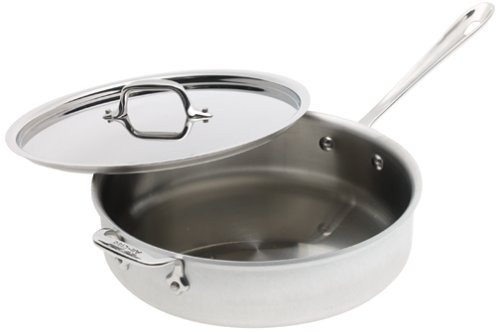
All-Clad D3 Stainless 12-Inch Fry Pan
Tri-ply construction bonds stainless and aluminum for perfectly even heating
Buy on Amazon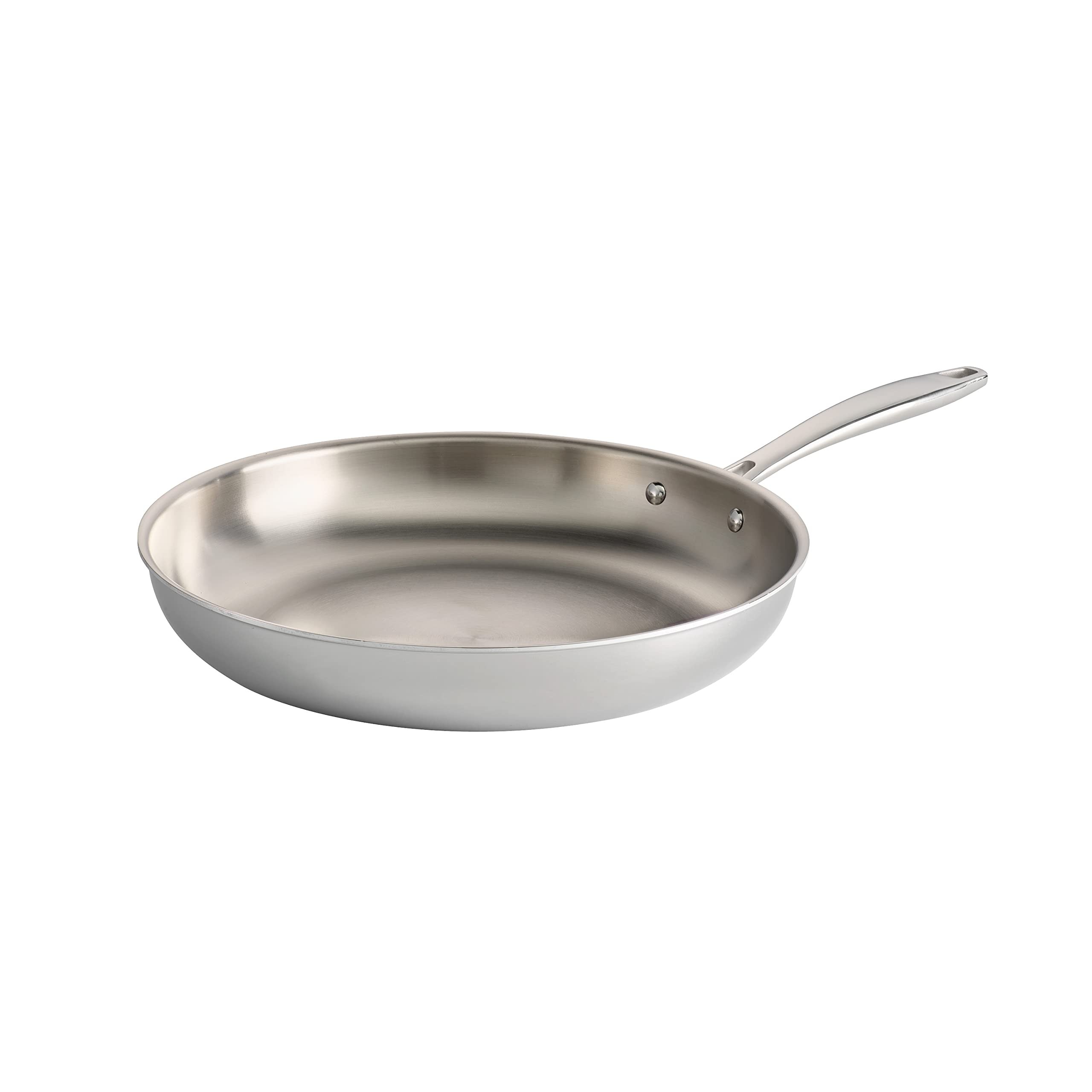
Tramontina 12-Inch Tri-Ply Clad Stainless Fry Pan
Genuine tri-ply construction , same bonding method as All-Clad at a fraction of the price
Buy on Amazon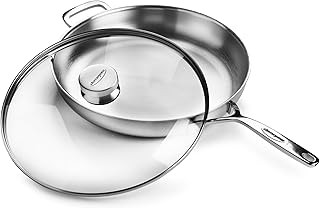
Demeyere Industry 11-Inch Skillet
5-ply TriplInduc base optimized specifically for induction cooktops
Buy on Amazon| Product | Price Range | Top Strength | Key Weakness | Buy |
|---|---|---|---|---|
| All-Clad D3 Stainless 12-Inch Fry Pan best overall | $$$ | Tri-ply construction bonds stainless and aluminum for perfectly even heating | Stainless surface requires technique to prevent sticking , not beginner-friendly | Buy on Amazon |
| Tramontina 12-Inch Tri-Ply Clad Stainless Fry Pan also consider | $$ | Genuine tri-ply construction , same bonding method as All-Clad at a fraction of the price | Slightly thinner gauge than All-Clad , marginally less heat retention | Buy on Amazon |
| Demeyere Industry 11-Inch Skillet also consider | $$$ | 5-ply TriplInduc base optimized specifically for induction cooktops | One of the most expensive stainless skillets available | Buy on Amazon |
| Calphalon Premier Stainless Steel Cookware Set 8-Piece also consider | $$ | Multi-layer stainless construction heats evenly without hot spots | Multi-layer construction not as refined as true tri-ply clad | Buy on Amazon |
| Mauviel M'Heritage Copper Skillet 9.5" also consider | $$$ | Copper body provides the fastest, most responsive heat adjustment of any material | Most expensive cookware material , significant investment per piece | Buy on Amazon |
Hammered stainless steel cookware occupies a specific corner of the market: it looks intentional, it cleans up well, and if the construction underneath the finish is sound, it can outlast everything else in your kitchen. The finish itself is mostly cosmetic. What you’re actually evaluating is the cladding, the gauge, the handle attachment, and whether the pan heats evenly when you put a chicken thigh in it. This guide covers both. For a broader look at how stainless and clad cookware compares across categories, the Stainless & Clad section of this site has the full picture.
The short version: if you buy one piece, buy the All-Clad D3 Stainless 12-Inch Fry Pan. If you want comparable construction at lower cost, the Tramontina 12-Inch Tri-Ply Clad Stainless Fry Pan is the honest answer. Everything else in this guide has a specific use case.
What to Look For
Cladding Construction
The hammered finish is applied to the exterior. Underneath it, the pan is either fully clad, disk-bottom, or multi-layer with inconsistent bonding. Those three are not equivalent, and the price difference between them is not always obvious from the listing.
Fully clad means the aluminum core runs the entire height of the pan, not just the base. If you’ve ever cooked in a disk-bottom pan and watched the heat stop at the weld line when you add volume, you know why this matters. Full cladding eliminates that. Tri-ply (stainless/aluminum/stainless) is the standard construction for quality mid-range and premium pans. Five-ply adds layers but the practical benefit depends heavily on the manufacturer’s execution.
What you want to verify before buying: is the cladding described as “fully clad” or does the listing say “encapsulated base” or “impact-bonded bottom.” Those are not the same thing.
Gauge and Heat Retention
Thinner gauge heats faster but recovers more slowly when cold food hits the pan. If you’ve ever seared a steak and watched the surface temperature visibly drop when the meat made contact, that’s thin gauge losing the fight. A heavier pan holds temperature longer. The tradeoff is weight, which matters more on a gas range than an induction burner where the heat source adjusts instantly.
Handle Design
Riveted handles are standard on quality stainless. What varies is the angle, the diameter, and how well the rivets are finished. A handle that angles slightly upward stays cooler over the burner. One that sits flush with the pan concentrates more heat at the grip. (I’ve burned my hand twice on a handle I thought I knew, which I mention only because handle geometry is easy to overlook when you’re reading specs.)
Induction Compatibility
All stainless steel is not automatically induction compatible. The base needs a magnetic layer. Most quality tri-ply pans include one, but verify before purchasing if induction is your primary cooktop.
Top Picks
All-Clad D3 Stainless 12-Inch Fry Pan: The Benchmark
The All-Clad D3 Stainless 12-Inch Fry Pan is the cookware equivalent of a reference point. Made in Canonsburg, Pennsylvania, bonded tri-ply across the full surface, oven-safe to 600°F, compatible with every cooktop including induction, and backed by a lifetime warranty. The construction quality is consistent in a way that matters when you’re buying something you expect to use for twenty years.
It is premium pricing. Check current price on Amazon, because it fluctuates, but this sits at the top of the tri-ply market and prices accordingly. Compared to the Made In Blue Carbon Steel Frying Pan or the Tramontina tri-ply (more on that below), the All-Clad carries a significant price premium that you either value or you don’t.
The one honest caveat: stainless requires technique. If you’re coming from nonstick, there is an adjustment period. Preheat the pan properly, let the protein release on its own rather than forcing it, and the sticking problem mostly disappears. The pan won’t teach you this, but your cooking will improve once you figure it out.
Tramontina 12-Inch Tri-Ply Clad Stainless Fry Pan: The Smart Alternative
The Tramontina 12-Inch Tri-Ply Clad Stainless Fry Pan uses the same bonding method as the All-Clad. Genuinely. It is fully clad tri-ply made in Brazil, induction compatible, oven-safe to 500°F. Professional cooks have used Tramontina for years precisely because the construction is sound and the price is mid-range.
The differences from the All-Clad D3 are real but narrow. The gauge is marginally thinner, which means slightly less heat retention. The handle isn’t as ergonomically refined. Neither of these is a dealbreaker. If the All-Clad costs roughly twice what the Tramontina does and you’re buying for a home kitchen rather than a professional line, the Tramontina is the rational choice.
Demeyere Industry 11-Inch Skillet: Best for Induction
The Demeyere Industry 11-Inch Skillet is built around a different philosophy than the All-Clad. Belgian-made, 5-ply, with a TriplInduc base specifically engineered for induction efficiency. The riveted handle stays cooler longer than most stainless options in this class. Lifetime warranty.
It is one of the most expensive stainless skillets available, and it is heavier than the All-Clad D3. If you cook primarily on gas or a standard electric range, the induction-specific engineering doesn’t do much for you and the price is harder to justify. But if induction is your primary cooktop and you want the pan built for it from the base up, this is where the Demeyere vs. All-Clad debate resolves. The Demeyere wins on induction. The All-Clad is more versatile across cooktop types.
Calphalon Premier Stainless Steel Cookware 8-Piece Set: The Upgrade Path
The Calphalon Premier Stainless Steel Cookware Set 8-Piece occupies a specific position: it’s the right answer for someone coming off five years of thin nonstick who isn’t ready to spend All-Clad prices on eight pieces at once.
Multi-layer construction, even heating without obvious hot spots, tempered glass lids that let you monitor without lifting, dishwasher safe, oven-safe to 450°F. The construction is mid-range pricing for a reason: it isn’t as refined as true tri-ply clad, and the glass lids are less durable than stainless. But as a set for a kitchen that needs everything replaced at once, it performs well above its price band and gives you room to add a single premium piece later.
Mauviel M’Heritage Copper Skillet 9.5”: The Long Investment
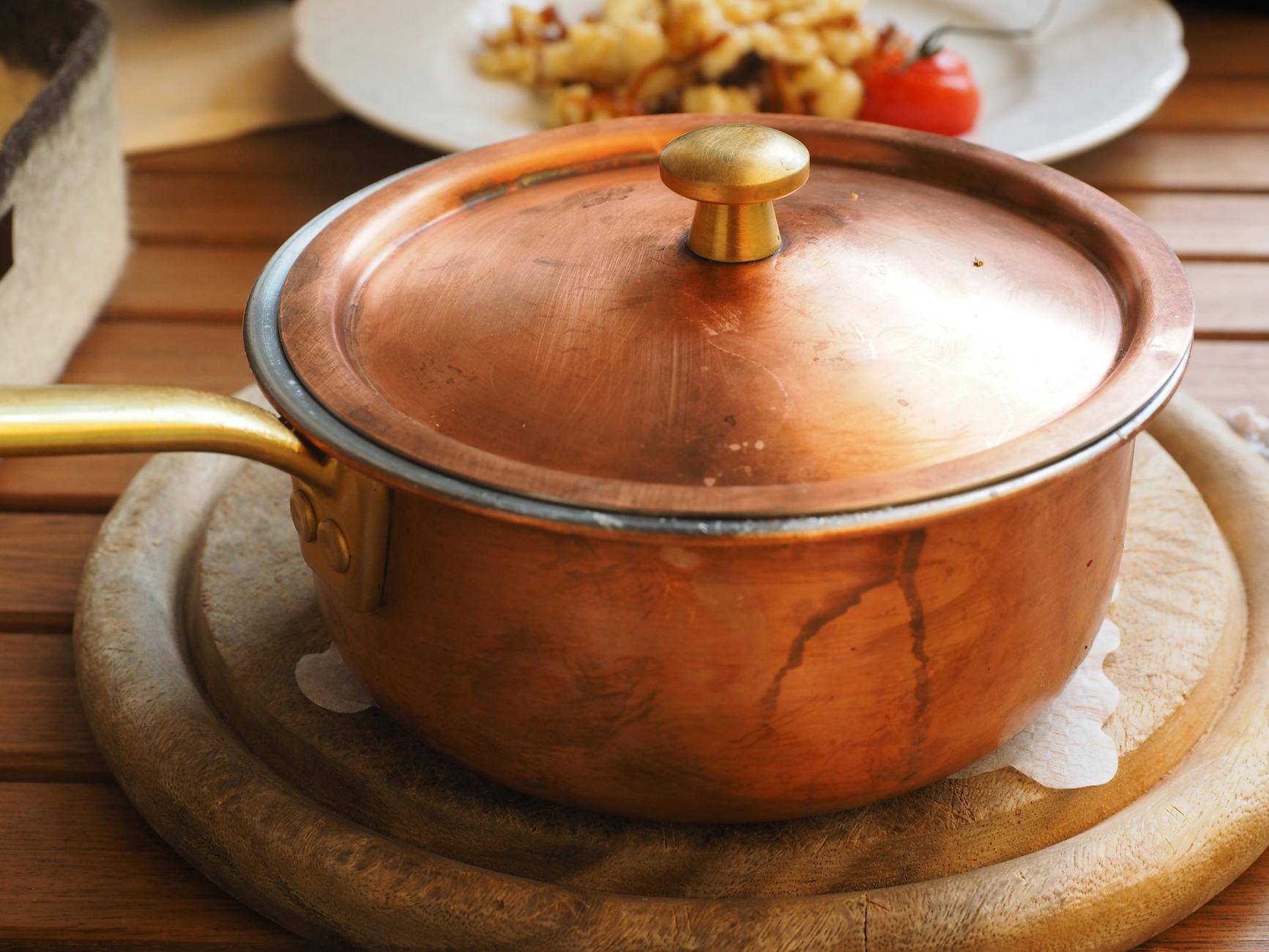
The Mauviel M’Heritage Copper Skillet 9.5” is categorically different from everything else on this list. Handcrafted in Normandy, France, with a copper body and stainless steel interior. Copper responds to heat changes faster than any other material available to home cooks. When you reduce a sauce and the heat needs to drop immediately, copper does that. Aluminum and steel lag.
The exterior requires polishing to maintain its appearance. The interior is stainless, which is non-reactive and easy to clean. This is a significant point: you’re maintaining the copper shell, not the cooking surface. If the polishing requirement bothers you, the pan will still cook perfectly well without it; it will just look lived-in rather than decorative.
It is the most expensive option in this guide by a notable margin. This is either a long-term investment or a gift for someone who will use it for thirty years. If you want more context on copper cookware construction and maintenance before committing, the Baumalu copper cookware review covers the category in practical detail.
How to Choose
Start with your cooktop. If you’re on induction, the Demeyere is the strongest technical choice. If you’re on gas or electric, the All-Clad D3 is the benchmark and the Tramontina is the value alternative to it.
Then consider what you’re replacing. If you’re upgrading a full kitchen worth of nonstick, the Calphalon set makes logistical sense. If you’re adding one serious skillet to an otherwise adequate kitchen, buy the All-Clad or the Tramontina and stop.
The hammered finish is purely visual. It doesn’t affect heat distribution, cleaning, or durability. Buy it if you prefer how it looks. Don’t pay a premium for it over identical cladding with a brushed or polished finish.
On budget: mid-range pricing on tri-ply clad buys you legitimate performance. Premium pricing on fully clad, heavier gauge construction with better handle engineering is a real difference, not marketing. The gap between budget and mid-range is larger than the gap between mid-range and premium. Don’t buy budget stainless expecting mid-range results. (Which I realize sounds obvious, but the listings often don’t make the construction differences visible.)
If you want more detail on how these construction categories compare across brands and price points, the stainless and clad cookware guides cover this at greater depth.
Frequently Asked Questions
Is hammered stainless steel cookware better than regular stainless?
No. The hammered texture is a surface finish applied to the exterior. It has no effect on heat distribution, cooking performance, or durability. The construction underneath, specifically whether the pan is fully clad tri-ply, what gauge the aluminum core is, and how the base is bonded, is what determines performance. Two pans can look identical on the outside and cook completely differently based on their cladding.
Does stainless steel cookware work on induction?
Most quality stainless cookware does, but not because it’s stainless. Induction requires a magnetic base layer. Premium and mid-range tri-ply pans typically include one. Budget stainless may not. Check the product listing for explicit induction compatibility before purchasing. The Demeyere Industry is specifically engineered for induction efficiency beyond basic compatibility.
Why does food stick to my stainless steel pan?
Usually one of two things: the pan wasn’t hot enough before the food went in, or the food was moved before it released on its own. Stainless develops a natural release when the protein forms a proper sear. Add oil to a preheated pan, let it heat until it shimmers, then add food and leave it alone. When it releases cleanly, it’s ready to turn. Forcing it before that point tears the crust and sticks. This is technique, not a defect in the pan.
How do I clean hammered stainless steel without damaging the finish?
The interior cleans like any stainless pan: hot water, dish soap, a non-abrasive sponge. For stuck-on residue, deglaze with water while the pan is still warm, or soak briefly. Bar Keepers Friend handles discoloration and mineral deposits. The hammered exterior is more textured than a polished surface, which means it can trap grease in the dimples. A soft brush works better than a flat sponge for getting into the texture. Avoid steel wool on either surface.
Is a tri-ply skillet worth it over a cheaper stainless option?
For a pan you intend to use regularly over many years, yes. Cheap stainless with a disk bottom develops hot spots, warps under high heat, and the bonded base can separate over time. Full tri-ply cladding heats evenly from base to rim, handles thermal stress better, and lasts significantly longer. The Tramontina sits at mid-range pricing and delivers genuine tri-ply construction. That’s the floor I’d recommend. Below it, you’re paying for the look without the performance.
Frequently Asked Questions
Is the hammered finish on stainless steel cookware functional or purely decorative?
The hammered texture is primarily decorative. It doesn't meaningfully affect heat distribution or cooking performance — what matters is the cladding construction underneath, such as tri-ply or 5-ply stainless and aluminum bonding.
Does hammered stainless steel cookware work on induction cooktops?
Most hammered stainless cookware is induction compatible, but check that the base contains a magnetic stainless layer. All-Clad D3, Tramontina Tri-Ply, and Demeyere Industry are all confirmed induction compatible.
Why does food stick to stainless steel pans?
Food sticks when the pan isn't properly preheated or when moisture is present on the food surface. Preheat the pan until water droplets bead and roll across the surface, then add fat and let it heat before adding food — this closes the pores in the steel and reduces sticking significantly.
How do I tell if stainless cookware is truly tri-ply versus disc-bottomed?
True tri-ply clad has layers that run all the way up the sidewalls; disc-bottomed pans only have the aluminum core on the base. Look at the rim — if you can see distinct layers around the entire circumference of the pan, it's clad. If the sidewalls look like a single sheet of metal, it's disc-bottomed.
Is Demeyere worth the premium over All-Clad for hammered stainless?
Demeyere's 5-ply construction and TriplInduc base make it the best choice specifically for induction cooktops, where it heats faster and more evenly than All-Clad. For gas or electric cooking, All-Clad D3 performs comparably at a lower price.
Where to Buy
All-Clad D3 Stainless 12-Inch Fry PanSee All-Clad D3 Stainless 12-Inch Fry Pan on Amazon