HexClad Baking Sheet Review: Worth the Premium Price?

Affiliate disclosure: Some links on this page are affiliate links. If you buy through them we earn a small commission at no extra cost to you. Recommendations are research-driven; we don't claim personal use of every product reviewed. Product prices and availability are accurate as of the date published and are subject to change. Always check Amazon for current pricing before purchasing. Learn more.
Quick Picks
HexClad Hybrid Baking Sheet
Hybrid surface promotes browning while still releasing baked goods cleanly
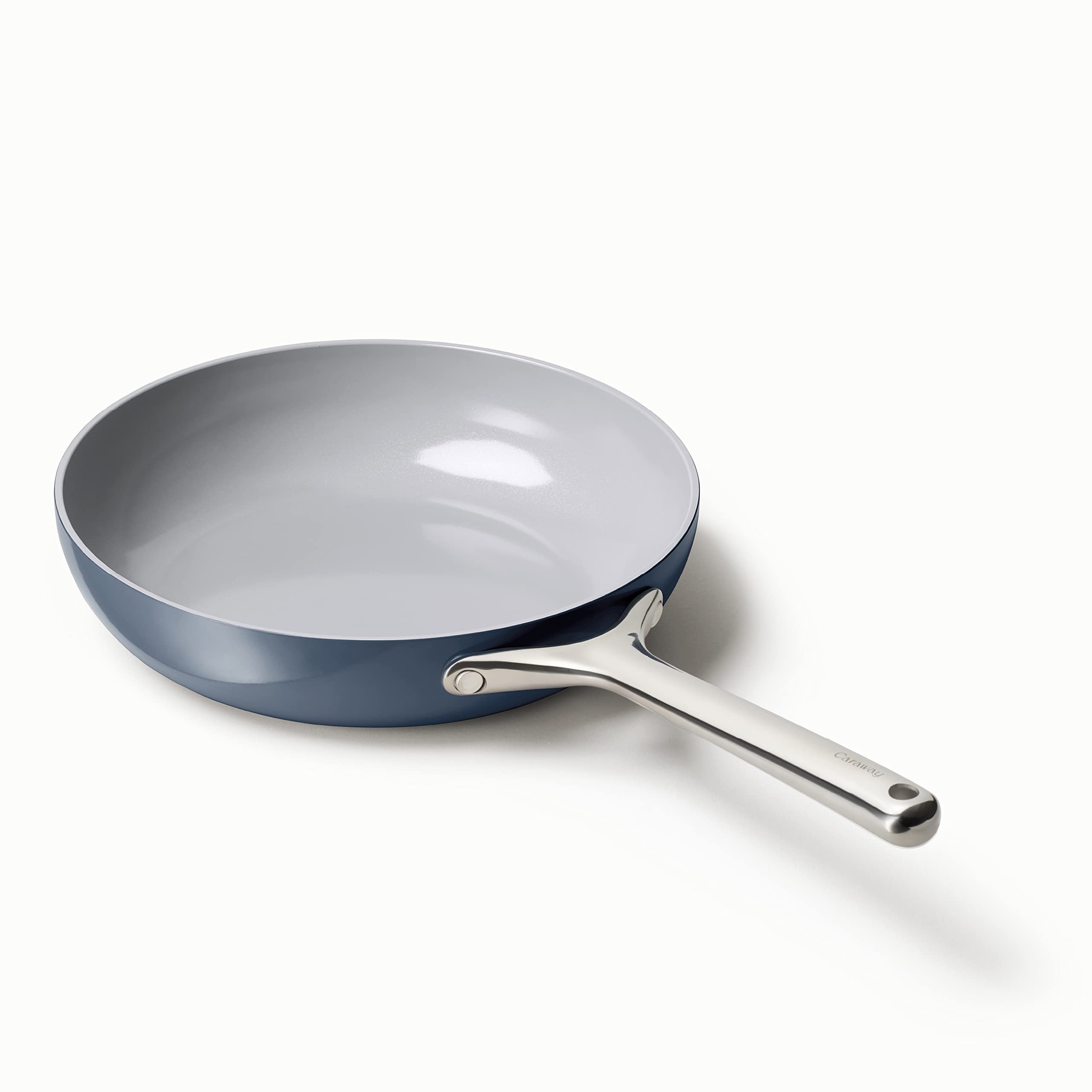
Caraway Ceramic Nonstick Frying Pan 10.5"
Ceramic-coated , PTFE and PFOA-free
Buy on Amazon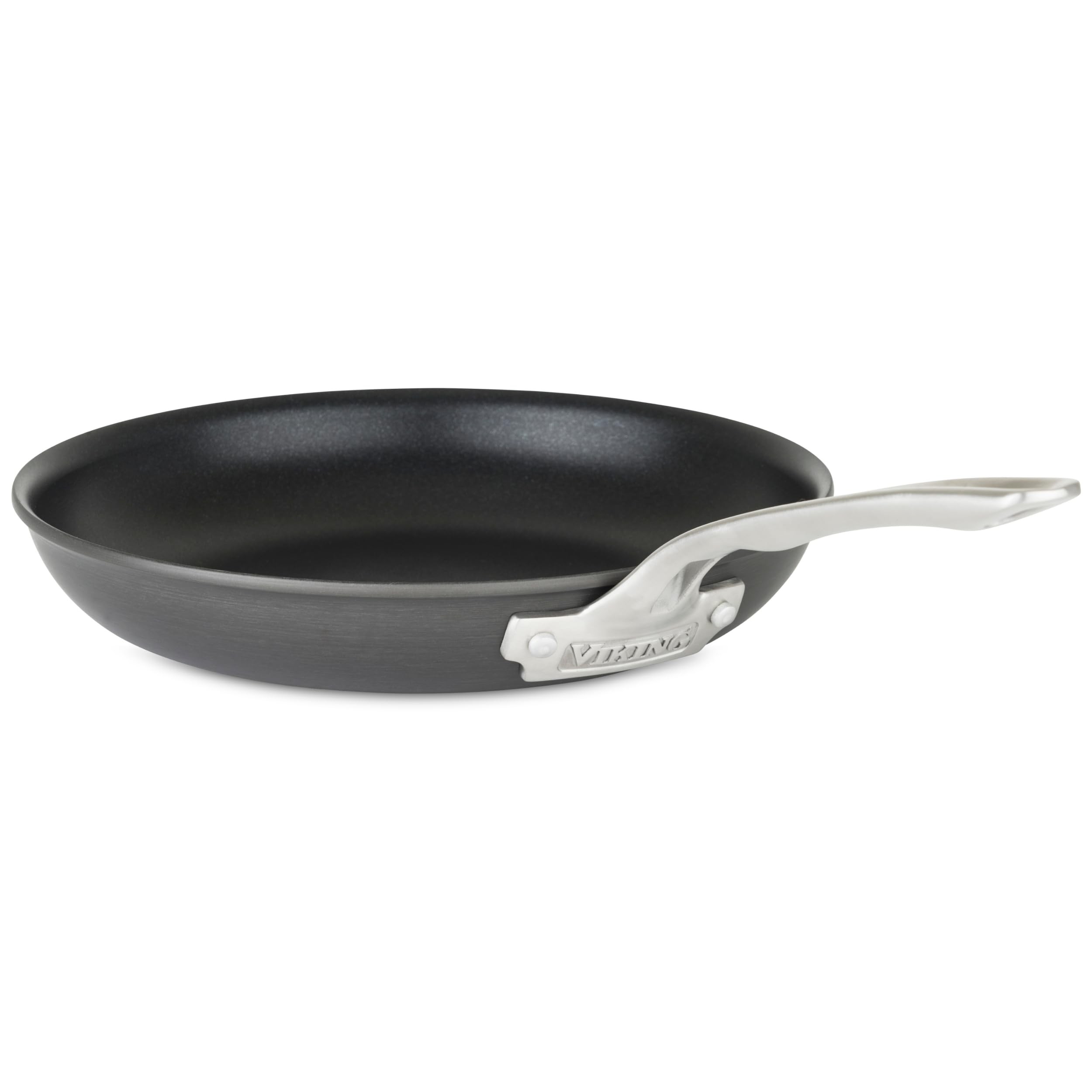
Viking Culinary Hard Anodized Nonstick 10-Inch Fry Pan
Hard anodized exterior is more durable than standard aluminum
Buy on Amazon| Product | Price Range | Top Strength | Key Weakness | Buy |
|---|---|---|---|---|
| HexClad Hybrid Baking Sheet best overall | $$$ | Hybrid surface promotes browning while still releasing baked goods cleanly | Significantly more expensive than Nordic Ware aluminum with comparable results | — |
| Caraway Ceramic Nonstick Frying Pan 10.5" also consider | $$ | Ceramic-coated , PTFE and PFOA-free | Ceramic coating degrades faster than PTFE with high-heat or metal utensil use | Buy on Amazon |
| Viking Culinary Hard Anodized Nonstick 10-Inch Fry Pan also consider | $$ | Hard anodized exterior is more durable than standard aluminum | PTFE coating will eventually degrade with use | Buy on Amazon |
| GreenPan GP5 Ceramic Nonstick 12" Skillet also consider | $$ | Thermolon Minerals ceramic coating , PFAS-free and scratch-resistant | Coating still degrades faster than PTFE with high-heat cooking | Buy on Amazon |
The HexClad baking sheet has become one of those products that shows up in targeted ads and gift guides with enough frequency that people start assuming it must be the answer to something. Maybe it is. But baking sheets are not skillets, and the features that make HexClad’s hybrid technology worth considering in a frying pan don’t translate as cleanly to a flat sheet pan sitting in a 425-degree oven. Before you spend premium-tier money on one, it’s worth understanding exactly what you’re buying and what else is competing for that spot in your oven.
This guide covers the HexClad Hybrid Baking Sheet alongside three nonstick and ceramic alternatives in the frying pan category, because many buyers shopping for nonstick baking surfaces end up also evaluating their skillet situation. If you’re starting from scratch on nonstick cookware, the Nonstick & Ceramic hub is a reasonable place to orient yourself before committing to any single piece.
What to Look For in a Nonstick Baking Sheet or Skillet
Surface Type and What It Actually Means
The coating debate in nonstick cookware has gotten louder in recent years, and some of it is marketing-driven noise. PTFE (what most people call Teflon) is the most durable nonstick surface available at any price point. Ceramic coatings (Thermolon, and similar formulations) are PFAS-free and appeal to buyers who want that, but they degrade faster with high heat and daily use. Neither claim is controversial among people who actually cook on both surfaces regularly.
HexClad’s hybrid system is different from both. The stainless steel hexagonal pattern sits proud of the surface, and a nonstick coating fills the valleys between. The idea is that you get sear capability from the steel and release from the nonstick. In a skillet, that tradeoff makes more sense. On a baking sheet, where you’re relying primarily on the release surface, the exposed steel grid can actually impede even contact between your food and the pan.
Heat Distribution and Construction
For baking sheets specifically, aluminum is still the benchmark material. Nordic Ware’s commercial half sheets, which run in the budget range, have been the working standard in restaurant prep kitchens and serious home kitchens for decades. Thick aluminum heats evenly, corrects for hot spots better than thinner steel, and won’t warp at high oven temps. If the HexClad sheet is competing with anything, it’s competing with that.
For skillets, hard anodized aluminum gives you a more durable exterior and better heat distribution than standard aluminum, which matters when you’re searing protein or building a fond.
Induction Compatibility
If you cook on an induction range, check the base construction before buying anything. Pure aluminum and ceramic-only pans will not work on induction. You need a magnetic stainless steel base, which several of the pans below include. This is especially relevant if you’ve recently switched cooktops or are considering it.
The Products
HexClad Hybrid Baking Sheet
The HexClad Hybrid Baking Sheet is a premium-priced sheet pan, and I want to be direct about what that premium buys you. The hybrid surface does promote browning on roasted vegetables and proteins, because the raised steel grid allows air circulation underneath. Foods release cleanly. You can use metal spatulas without worrying about scratching. It goes in the dishwasher. The lifetime warranty is real and HexClad has honored it consistently based on customer reports.
Those are legitimate features. The problem is comparative. A Nordic Ware natural aluminum half sheet at budget pricing produces comparable results for most baking applications, particularly anything involving pastry, cookies, or sheet-pan dinners. The HexClad sheet costs substantially more. For roasting vegetables at high heat, where browning matters, the hybrid surface has some advantage. For everything else, you are paying for the brand and the warranty on a product where HexClad’s core technology is genuinely less relevant than it is in their skillet line.
My honest assessment: HexClad makes excellent hybrid skillets. The baking sheet is not where this technology earns its cost. If someone gifted it to me, I’d use it without complaint. I wouldn’t buy it at list price.
Caraway Ceramic Nonstick Frying Pan 10.5”
The Caraway Ceramic Nonstick Frying Pan 10.5” is the entry point into the Caraway line for buyers who aren’t ready to commit to the full set. It’s mid-range pricing with a ceramic coating that is PTFE and PFOA-free, a magnetic stainless steel base for induction, and an oven-safe rating of 550°F, which is higher than most ceramic nonstick pans on the market.
The Caraway pan looks good and performs well when the coating is new. Eggs release cleanly. Fond development is respectable for ceramic. The 550°F oven rating gives you flexibility that pans like the GreenPan GP5 can’t quite match on paper, though in practice most stovetop-to-oven moves don’t require that temperature ceiling.
The honest caveat with any ceramic coating is longevity. Ceramic degrades faster than PTFE under high heat and with daily use. If you cook on high heat regularly or aren’t willing to hand-wash, plan to replace this coating sooner than you would a quality PTFE surface. Caraway is a well-designed pan from a company with strong customer service (if you’re curious about their manufacturing, where Caraway pans are made has the details). It’s a reasonable first piece if the ceramic-over-PTFE preference matters to you. Just go in with accurate expectations about coating lifespan.
Viking Culinary Hard Anodized Nonstick 10-Inch Fry Pan
The Viking Culinary Hard Anodized Nonstick 10-Inch Fry Pan is a solid mid-market PTFE pan that tends to get overlooked because Viking’s brand recognition in this category sits below Calphalon or All-Clad. That’s fair from a brand-legacy standpoint, but the pan itself doesn’t have an obvious flaw at its price point.
Hard anodized exterior means better durability than standard aluminum and more even heat distribution than a thin stainless base. The PTFE coating is more durable than ceramic at a comparable price, which matters if you’re buying for a household where the pan gets daily use and isn’t always hand-washed. Oven-safe to 400°F, which covers most skillet-to-oven applications. Induction compatible.
Where Viking falls short is coating quality relative to the top tier. The PTFE here is not the same formulation you’d find in a Calphalon Premier or an All-Clad HA1, and it will show wear sooner under aggressive use. But at mid-range pricing, it’s honest about what it is. If you’re an induction user who wants PTFE without paying premium prices, this is worth a look alongside the GreenPan comparison below. The broader Viking induction cookware lineup is reviewed separately here if you’re evaluating more than just this pan.
GreenPan GP5 Ceramic Nonstick 12” Skillet
The GreenPan GP5 Ceramic Nonstick 12” Skillet is the comparison point I’d reach for if someone told me they were choosing between ceramic options at mid-range pricing. GreenPan’s Thermolon Minerals coating is PFAS-free and marketed as scratch-resistant, which is true in a relative sense. It handles metal utensils better than standard ceramic, though I’d still recommend silicone for longevity.
The hard anodized exterior puts it on even footing with the Viking structurally. The 600°F oven rating is the highest in this group (I timed a 45-minute roast at 500°F without any handle or coating issues). The 12-inch size is more practical than the Caraway’s 10.5 for anything involving four portions of protein or a full batch of sautéed greens.
The Caraway versus GreenPan comparison comes down to this. Caraway has a cleaner aesthetic and better brand-level customer support. GreenPan gives you more surface area, a higher oven rating, and slightly lower pricing at mid-range. For most cooks who are not buying into the Caraway aesthetic specifically, the GP5 is the stronger daily-use ceramic pan. For a full Caraway-versus-competition breakdown, Caraway or Our Place runs through the category in more depth.
How to Choose
If you’re here specifically for a baking sheet, my recommendation is to spend budget pricing on a Nordic Ware natural aluminum half sheet and save the premium-tier budget for something that benefits more from advanced coating technology. The HexClad baking sheet is not a bad product. It’s just not a meaningfully better product than aluminum at high-heat roasting, and aluminum beats it for even baking.
If you’re here because the HexClad name caught your attention and you’re reconsidering your skillet situation at the same time, the GreenPan GP5 is where I’d start for ceramic nonstick. It covers the most common cook’s needs at mid-range pricing without requiring you to babysit it. If PTFE durability matters more to you than PFAS-free certification, the Viking Culinary hard anodized pan is the practical choice.
The Caraway ceramic pan is worth buying if you want a single entry piece into the line and your cooking style is moderate-heat and careful. It’s not the pan to buy if you regularly sear at high heat or run your cookware through the dishwasher daily.
For anyone still weighing ceramic versus PTFE more broadly, the nonstick cookware guide covers coating types with more depth than this article can in a product comparison format.
Frequently Asked Questions
Is the HexClad baking sheet worth the premium price?
For most home cooks, no. The hybrid surface promotes browning and releases food cleanly, and the lifetime warranty is a real benefit. But aluminum sheet pans at budget pricing produce comparable results for cookies, pastries, and most sheet-pan dinners. The price difference is hard to justify when the core baking performance is similar. HexClad’s technology earns its premium in the skillet format, not on a flat baking surface.
Can I use the Caraway ceramic pan on an induction cooktop?
Yes. The Caraway ceramic nonstick pan has a magnetic stainless steel base specifically for induction compatibility. This is one of the features that distinguishes it from ceramic pans with pure aluminum bases, which will not work on induction.
How long does a ceramic nonstick coating last compared to PTFE?
With careful use, moderate heat, and hand-washing, a quality ceramic coating like Thermolon can last two to three years before noticeable degradation. PTFE coatings under the same conditions will typically last longer, often four to five years or more. High-heat cooking and dishwasher cycles shorten both, but ceramic degrades faster under those conditions. This isn’t a brand criticism, it’s a property of the coating material.
Is the GreenPan GP5 better than the Caraway pan for everyday cooking?
For most cooking situations, yes. The GP5 offers a larger cooking surface (12 inches versus 10.5), a higher oven-safe rating, and comes in at similar or lower mid-range pricing. Caraway’s advantage is aesthetic consistency if you’re buying into the full set, and a stronger brand-level support experience. As a standalone daily pan, the GreenPan GP5 is the more practical choice.
What should I look for in a nonstick pan if I cook on induction?
Confirm the base includes magnetic stainless steel. The pan body material (aluminum, hard anodized aluminum) does not affect induction compatibility, but the base must be magnetic to work on an induction cooktop. All four products reviewed here are induction compatible. Beyond that, prioritize coating type (PTFE for durability, ceramic for PFAS-free preference) and oven-safe temperature based on how often you finish dishes in the oven.
Frequently Asked Questions
Is the HexClad baking sheet worth the premium over Nordic Ware or standard aluminum pans?
For most home bakers, Nordic Ware aluminum pans at a fraction of the price deliver comparable browning and release results. The HexClad's hybrid surface is more compelling for stovetop use than oven baking, where simpler pans perform similarly.
Can you use metal utensils on the HexClad baking sheet?
Yes, HexClad's hybrid laser-etched pattern is designed to be metal utensil safe, which sets it apart from standard nonstick coatings that scratch easily. The hexagonal peaks protect the nonstick valleys from direct metal contact.
Is the HexClad baking sheet dishwasher safe?
Yes, HexClad baking sheets are listed as dishwasher safe. However, hand washing with warm soapy water extends the life of any nonstick surface and is generally recommended even when dishwasher-safe labeling applies.
Does the HexClad baking sheet work on induction cooktops?
HexClad baking sheets are not designed for stovetop use — they are oven-only products. If you need induction-compatible cookware, look at HexClad's skillet and sauté pan lineup instead.
What temperature can the HexClad baking sheet handle?
HexClad baking sheets are oven-safe up to 500°F, which covers the full range of standard roasting and baking temperatures. Avoid using the broiler directly on any nonstick-coated surface to prevent coating degradation.