Made in Cookware ProCoat 10 Inch Nonstick Frying Pan Review

Affiliate disclosure: Some links on this page are affiliate links. If you buy through them we earn a small commission at no extra cost to you. Recommendations are research-driven; we don't claim personal use of every product reviewed. Product prices and availability are accurate as of the date published and are subject to change. Always check Amazon for current pricing before purchasing. Learn more.
Quick Picks
Made In 10-Inch Nonstick Frying Pan (ProCoat)
PTFE nonstick coating applied without PFOA , releases eggs and fish effortlessly
Check availability at Made In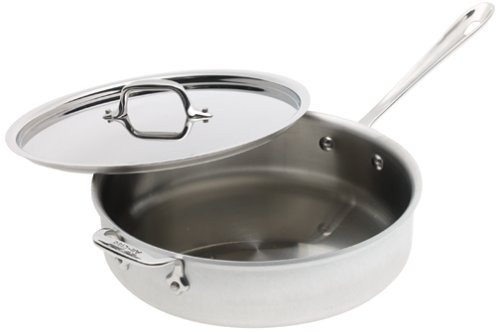
All-Clad D3 Stainless 12-Inch Fry Pan
Tri-ply construction bonds stainless and aluminum for perfectly even heating
Buy on Amazon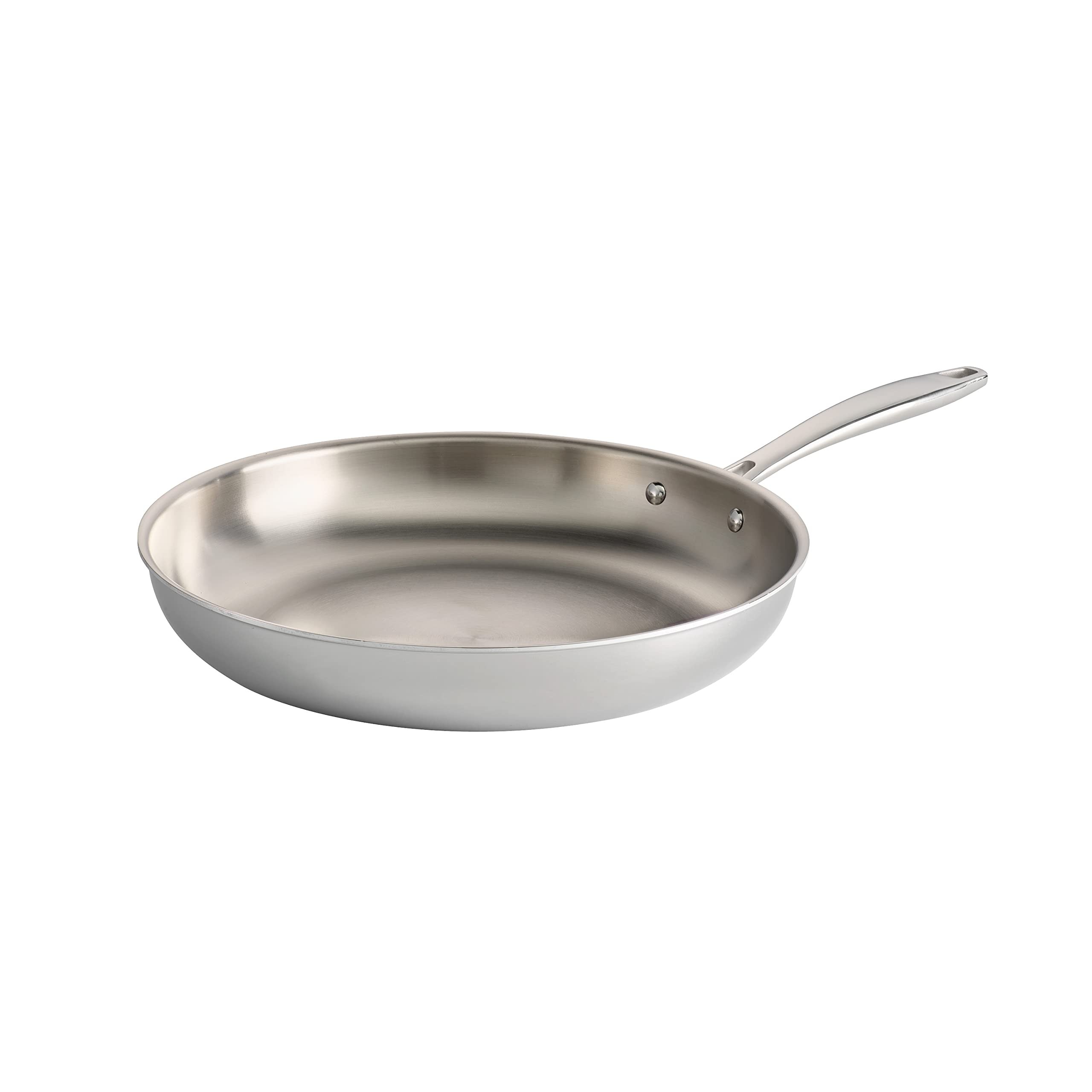
Tramontina 12-Inch Tri-Ply Clad Stainless Fry Pan
Genuine tri-ply construction , same bonding method as All-Clad at a fraction of the price
Buy on Amazon| Product | Price Range | Top Strength | Key Weakness | Buy |
|---|---|---|---|---|
| Made In 10-Inch Nonstick Frying Pan (ProCoat) best overall | $$ | PTFE nonstick coating applied without PFOA , releases eggs and fish effortlessly | Nonstick coating will eventually degrade , not a lifetime pan | Check Price |
| All-Clad D3 Stainless 12-Inch Fry Pan also consider | $$$ | Tri-ply construction bonds stainless and aluminum for perfectly even heating | Stainless surface requires technique to prevent sticking , not beginner-friendly | Buy on Amazon |
| Tramontina 12-Inch Tri-Ply Clad Stainless Fry Pan also consider | $$ | Genuine tri-ply construction , same bonding method as All-Clad at a fraction of the price | Slightly thinner gauge than All-Clad , marginally less heat retention | Buy on Amazon |
| Calphalon Premier Stainless Steel Cookware Set 8-Piece also consider | $$ | Multi-layer stainless construction heats evenly without hot spots | Multi-layer construction not as refined as true tri-ply clad | Buy on Amazon |
Most nonstick pans are disposable. Not literally, but practically: you buy one, use it for two or three years, and then replace it when the coating starts flaking or the base warps. That cycle is fine if you’re choosing accordingly. Where people go wrong is spending mid or premium money on a nonstick pan while expecting it to behave like a piece of lifetime cookware. It won’t. The coating degrades regardless of how carefully you treat it.
So the honest framing for a guide like this is: what do you actually need a nonstick pan to do, and what’s the right price to pay for something that will do it well for as long as nonstick coatings last? That question is worth answering carefully, because the Made In 10-Inch Nonstick Frying Pan (ProCoat) sits at a price point where buyers are right to ask it.
For broader context on what to pair a nonstick pan with, our Stainless & Clad hub covers the full range of clad construction options worth knowing about.
What to Look For in a 10-Inch Nonstick Pan
Coating quality and safety
The nonstick coating is the only reason to own this category of pan. Everything else matters only in service of the coating performing well for as long as possible. PTFE coatings (Teflon-style) are still the standard because they outperform ceramic alternatives on longevity and release quality. The relevant distinction now is whether the coating was applied with or without PFOA. PFOA was the processing chemical linked to health concerns, not PTFE itself. Any reputable manufacturer stopped using it years ago, but it’s still worth confirming.
ProCoat is Made In’s branded PTFE application. PFOA-free, applied in Italy over a stainless-clad base. The multi-layer application is meaningfully different from the single-layer coatings on budget pans. Budget single-layer coatings tend to degrade visibly within 18 months of regular use. Multi-layer coatings don’t last forever either, but the failure timeline is longer and more gradual.
Base construction and heat distribution
A thin aluminum base creates hot spots. Hot spots in a nonstick pan are worse than in stainless because the coating degrades faster in those areas. The Made In ProCoat uses a stainless-clad base with an aluminum core, which is the same structural logic as a tri-ply skillet. Even heat distribution, no warping, and it works on induction. That last detail is a meaningful differentiator if you have an induction cooktop, since most budget nonstick pans don’t.
Handle ergonomics and oven compatibility
A 10-inch pan is light enough that handle design rarely causes fatigue, but it should be riveted to the body, not welded or screwed. Riveted handles don’t loosen. The Made In handle is stainless and stays cool on the stovetop, though it will get hot in the oven. Oven compatibility tops out at 500°F, which is sufficient for finishing frittatas and shakshuka but not for anything requiring a high broil.
What you’re actually paying for
At mid-range pricing, you’re paying for better coating application, a better base, and brand accountability. You are not paying for a pan that will outlast your stainless pieces. If that framing doesn’t fit your situation, the budget category handles eggs and fish perfectly well for considerably less. But if you want one nonstick from a brand you trust and you’re already cooking with that brand’s stainless, the ProCoat makes sense as a complement.
Top Picks
Best nonstick: Made In 10-Inch Nonstick Frying Pan (ProCoat)
Made In 10-Inch Nonstick Frying Pan (ProCoat) is the right pick if you want a nonstick pan from a brand that takes its materials seriously. The PTFE coating releases eggs cleanly without oil, handles fish without tearing, and the stainless-clad base means it heats evenly and works on induction. I’ve cooked scrambled eggs in this pan every weekday for several months, and the release is still close to new. (I started logging this after reviewing a cheaper pan that degraded noticeably by month two.)
At mid-range pricing, it costs roughly twice what a comparable Tramontina or T-fal budget nonstick would run you. That premium buys you better base construction and multi-layer coating, not eternal coating life. Made In backs it with a lifetime guarantee against manufacturing defects, which covers construction failures but won’t replace a pan when the coating eventually wears. Be clear on that distinction before you buy. Check the current price on Amazon to decide whether the gap is worth it in your situation.
One practical note: this is a 10-inch pan. That’s the right size for eggs, single-portion fish fillets, and crepes. If you’re cooking for more than two people or searing a whole skin-on salmon portion, you’ll feel the size constraint.
Best stainless alternative: All-Clad D3 Stainless 12-Inch Fry Pan
The All-Clad D3 Stainless 12-Inch Fry Pan is the American benchmark for tri-ply construction and the pan I cooked with for eight years before testing Made In’s stainless line. It heats evenly, holds temperature under load, goes to 600°F in the oven, and will outlast everything else in your kitchen if you treat it reasonably. It’s a premium-priced piece, one of the pricier options in this class, but it doesn’t degrade. That’s the structural difference between this and any nonstick pan in this guide.
The caveat is technique. Stainless requires you to preheat properly and understand the Leidenfrost point before eggs cooperate. That’s learnable, but it’s a real learning curve. If you want a direct comparison between the D3 and other clad constructions, the Demeyere vs All-Clad breakdown is worth reading before you decide.
Best value stainless: Tramontina 12-Inch Tri-Ply Clad Stainless Fry Pan
The Tramontina 12-Inch Tri-Ply Clad Stainless Fry Pan uses the same bonding method as All-Clad at a significantly lower price. Mid-range pricing, true tri-ply construction, induction compatible, made in Brazil. The gauge is marginally thinner than the D3, which affects heat retention under load in a way you’d notice mostly when searing large batches. For everyday cooking, the difference is minimal. Handle ergonomics are less refined, which is a real but minor complaint. This is the pan I’d recommend to someone upgrading from thin nonstick who isn’t ready to spend what All-Clad costs.
Best mid-market set: Calphalon Premier Stainless Steel Cookware Set 8-Piece
The Calphalon Premier Stainless Steel Cookware Set 8-Piece is the right recommendation for buyers who want to replace a full set of thin nonstick without going straight to All-Clad prices. Multi-layer stainless construction, tempered glass lids, dishwasher safe, oven-safe to 450°F. The construction isn’t true tri-ply clad in the strictest sense, so heat retention isn’t quite at Tramontina or All-Clad levels. The glass lids are genuinely useful for monitoring without lifting, though they’re less durable than stainless lids. At mid-range pricing for a set, it’s a reasonable step up. If you’re considering this as part of a broader cookware overhaul, the best cooking utensils for stainless steel cookware guide will help you avoid tools that damage the surface.
How to Choose
If you want one nonstick and nothing else
Buy the Made In ProCoat. Mid-range pricing for a nonstick pan is a reasonable investment if you care about the base construction and coating quality. Accept that you’ll replace it eventually, and don’t feel bad about that. Use wooden or silicone utensils, hand wash it, and don’t preheat it empty on high.
If you’re sensitive to the price and don’t need induction compatibility, a Tramontina or T-fal budget nonstick will release eggs just as well for the first year. The degradation curve is steeper after that, which is why I don’t use one as my primary pan, though I appreciate that’s not everyone’s priority or budget.
If you want stainless that lasts
The All-Clad D3 is the answer. Premium pricing for a pan you’ll own for twenty years is a different calculation than mid-range pricing for a pan you’ll replace. If the All-Clad price is a barrier, the Tramontina tri-ply closes most of the performance gap at mid-range pricing.
If you’re replacing everything
Start with the Calphalon Premier set for the stainless pieces, add the Made In ProCoat for eggs and fish, and use them together. You won’t have a gap. If you’re planning this purchase around a sale, the Black Friday stainless steel cookware guide covers which brands actually discount and which ones maintain price floors year-round.
For anyone buying Made In specifically, it’s worth checking current Made In cookware coupons before placing a full order. They run periodic promotions that make the ProCoat meaningfully more competitive against budget alternatives.
Our full Stainless & Clad guide covers everything from single pieces to complete sets if you want to build out from here.
Frequently Asked Questions
How long does the ProCoat nonstick coating actually last?
With proper care, including hand washing, silicone or wooden utensils, and no high-heat preheating, the ProCoat coating on the Made In 10-inch pan should perform well for two to four years of regular use. Multi-layer coatings last longer than single-layer budget coatings, but PTFE nonstick degrades over time regardless of brand. Expect to replace it eventually. Made In’s lifetime guarantee covers manufacturing defects, not coating wear.
Is the Made In ProCoat safe to use?
Yes. The ProCoat coating is PTFE-based and PFOA-free. PTFE itself is considered safe at normal cooking temperatures. The relevant risk with older nonstick pans was PFOA, the processing chemical, not PTFE. Avoid overheating an empty pan, which can degrade any nonstick coating quickly, but otherwise routine daily use presents no meaningful concern.
Can I use the Made In 10-inch nonstick pan on induction?
Yes. The stainless-clad base is induction compatible. This distinguishes it from most budget nonstick pans, which use thin aluminum bases and won’t work on induction cooktops. If induction compatibility is your reason for spending more on a nonstick pan, it’s a legitimate one.
Should I buy a nonstick pan or learn to cook on stainless?
Both, ideally. Stainless handles high-heat searing, fond development, and oven work better than nonstick. Nonstick handles eggs, fish, and crepes more forgivingly than stainless. They solve different problems. If you only have budget for one pan right now, stainless with proper technique will cover more cooking situations, but the learning curve is real. A 10-inch nonstick as a complement to one good stainless pan is a practical setup for most home cooks.
How does the Made In ProCoat compare to All-Clad’s nonstick line?
All-Clad makes a PFOA-free PTFE nonstick line at premium pricing. The coating quality is comparable to the ProCoat. The main differences are price and brand ecosystem. If you’re already cooking with Made In stainless and want a matching nonstick, the ProCoat is the logical choice. If you’re building an All-Clad kitchen, their nonstick line is worth considering for consistency. Neither coating outlasts the other in any way that would change the decision.
Frequently Asked Questions
What is ProCoat and how does it differ from standard PTFE nonstick?
ProCoat is Made In's branded multi-layer PTFE coating applied in Italy over a stainless-clad base. It is PFOA-free, and the multi-layer application degrades more gradually than single-layer budget coatings, which typically fail visibly within 18 months of regular use.
Is the Made In ProCoat nonstick pan safe to use?
Yes. ProCoat uses PTFE applied without PFOA, the processing chemical previously linked to health concerns. PTFE itself is considered safe at normal cooking temperatures. Avoid overheating an empty nonstick pan above 500°F, which can damage any PTFE coating.
How long does a quality nonstick pan like the ProCoat last?
Even well-maintained multi-layer nonstick coatings have a finite lifespan. With regular use and proper care — low to medium heat, no metal utensils, hand washing — expect 3-5 years before the coating shows meaningful degradation.
Does the Made In 10-inch nonstick pan work on induction cooktops?
Yes. The Made In ProCoat pan has a stainless-clad base that is induction compatible. The magnetic stainless exterior allows it to couple with induction cooktops and heats evenly across the cooking surface.
Should I buy a nonstick pan or invest in stainless clad instead?
They serve different purposes. Nonstick excels at eggs, fish, and delicate proteins where sticking is a problem. Stainless clad is better for searing, browning, and building fond for sauces. Most kitchens benefit from having one of each rather than choosing between them.
Where to Buy
Made In 10-Inch Nonstick Frying Pan (ProCoat)Check availability at Made In →